
International Outcry as Israel Plans Gaza City Takeover Amid Humanitarian Concerns
In This Article
HIGHLIGHTS
- Israeli Prime Minister Benjamin Netanyahu plans to take control of Gaza City, sparking international condemnation and concerns over potential violations of international law.
- The US, led by President Donald Trump, has shown little opposition to Israel's plans, marking a shift in its previous stance on Gaza.
- Australia, along with the UK, Germany, Italy, and New Zealand, has condemned the plan, warning it could worsen the humanitarian crisis and risk mass displacement.
- Israel's security cabinet has approved preparations for the takeover, despite opposition from military leaders and international allies.
- The situation in Gaza is dire, with fears of mass famine and calls for an immediate ceasefire and humanitarian aid.
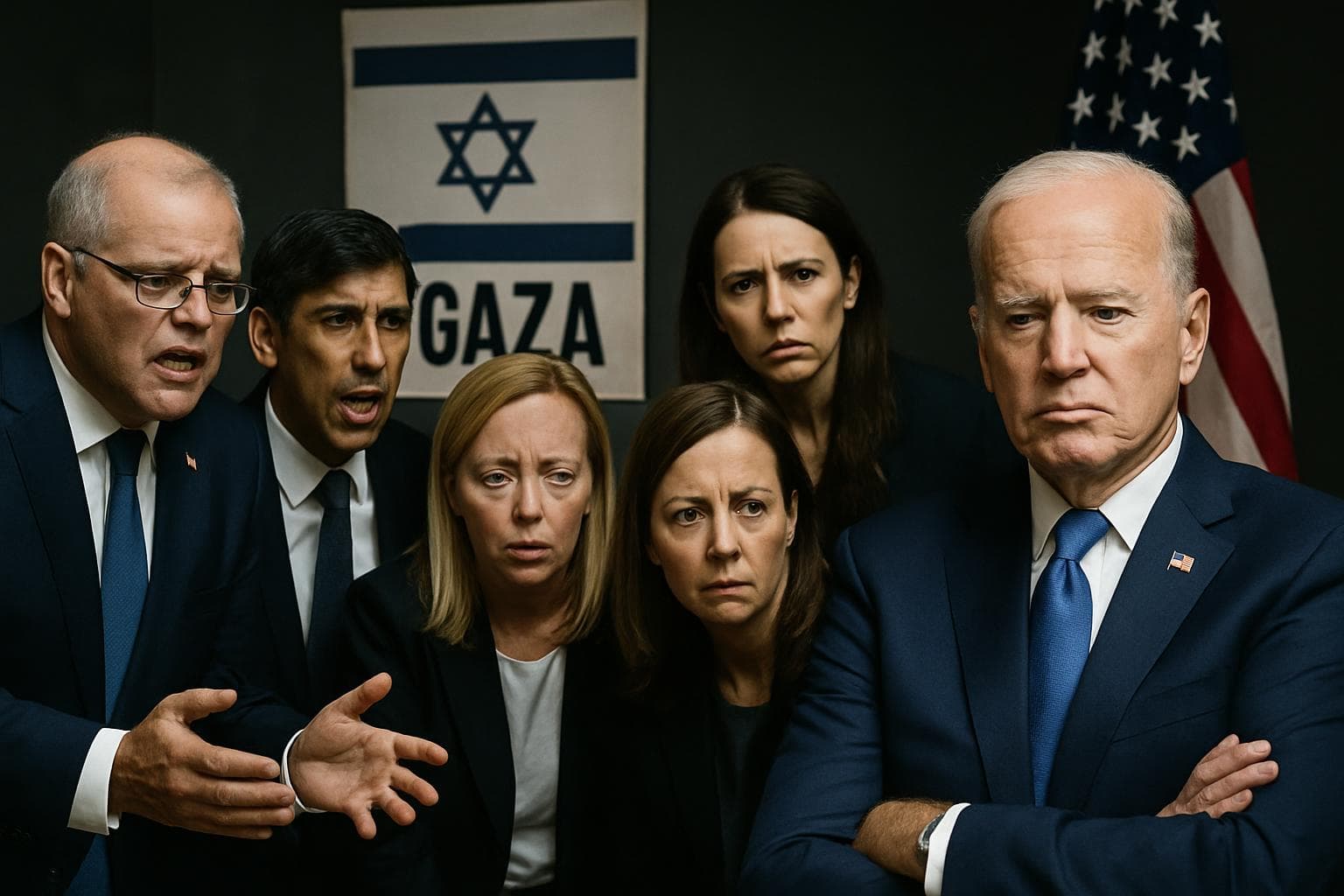
Israeli Prime Minister Benjamin Netanyahu's recent announcement to take control of Gaza City has ignited a wave of international condemnation, raising alarms over potential breaches of international law and exacerbating the humanitarian crisis in the region. The plan, which has not faced significant opposition from the United States, signals a potential shift in the geopolitical landscape of the Middle East.
US Response and Policy Shift
The United States, traditionally a vocal player in Middle Eastern affairs, has adopted a notably passive stance on Israel's Gaza plans. President Donald Trump, when questioned about the potential occupation, remarked that it was "pretty much up to Israel" to decide its course of action. This nonchalant approach contrasts with previous US interventions, where Washington actively engaged in shaping the future of Gaza. US Ambassador to Israel, Mike Huckabee, reinforced this sentiment, stating that the decision ultimately rests with Israel.
Global Condemnation and Legal Concerns
In stark contrast, several countries, including Australia, the UK, Germany, Italy, and New Zealand, have issued a joint statement condemning Israel's intentions. Australian Foreign Affairs Minister Penny Wong emphasized the risks of violating international humanitarian law and the potential for mass displacement of Palestinians. The statement highlighted the dire humanitarian situation in Gaza, where the threat of famine looms large.
Germany's involvement in the condemnation is particularly noteworthy, given its historical support for Israel. Donald Rothwell, a professor of international law, noted that the mention of "annexation or settlement" in the joint statement reflects growing international concern over Israel's ultimate intentions in Gaza.
Humanitarian Crisis and Calls for Ceasefire
The humanitarian crisis in Gaza continues to deteriorate, with international leaders urging both Israel and Hamas to agree to an immediate ceasefire. The joint statement called for the release of hostages by Hamas and emphasized the need for unimpeded humanitarian assistance to reach those in need. The international community is pressing Israel to amend its registration system for humanitarian organizations to facilitate aid delivery.
WHAT THIS MIGHT MEAN
The unfolding situation in Gaza presents several potential outcomes. If Israel proceeds with its plan to take control of Gaza City, it could face increased international isolation and potential sanctions. The humanitarian crisis may worsen, leading to further displacement and suffering among the Palestinian population.
On the diplomatic front, the lack of US opposition could embolden Israel, but it may also strain relations with other allies concerned about the implications for regional stability and the peace process. The international community's call for a ceasefire and humanitarian aid underscores the urgent need for a diplomatic resolution to prevent further escalation and address the humanitarian needs of the Gazan people.
Related Articles

UK Faces Dilemmas Amid Iran Conflict and China Spying Allegations
Senate Blocks Resolution to Limit Trump's Military Actions in Iran
Canada and Australia Forge Strategic Partnership Amid Global Uncertainty

US and Israel Intensify Military Campaign as Iran's Capabilities Dwindle

Intensified US-Israel Strikes on Iran Spark Global Outcry

UK-Iran Tensions: Starmer Defends Cautious Approach Amid Trump Criticism
International Outcry as Israel Plans Gaza City Takeover Amid Humanitarian Concerns
In This Article
 Ethan Brooks| Published
 HIGHLIGHTS
- Israeli Prime Minister Benjamin Netanyahu plans to take control of Gaza City, sparking international condemnation and concerns over potential violations of international law.
- The US, led by President Donald Trump, has shown little opposition to Israel's plans, marking a shift in its previous stance on Gaza.
- Australia, along with the UK, Germany, Italy, and New Zealand, has condemned the plan, warning it could worsen the humanitarian crisis and risk mass displacement.
- Israel's security cabinet has approved preparations for the takeover, despite opposition from military leaders and international allies.
- The situation in Gaza is dire, with fears of mass famine and calls for an immediate ceasefire and humanitarian aid.
Israeli Prime Minister Benjamin Netanyahu's recent announcement to take control of Gaza City has ignited a wave of international condemnation, raising alarms over potential breaches of international law and exacerbating the humanitarian crisis in the region. The plan, which has not faced significant opposition from the United States, signals a potential shift in the geopolitical landscape of the Middle East.
US Response and Policy Shift
The United States, traditionally a vocal player in Middle Eastern affairs, has adopted a notably passive stance on Israel's Gaza plans. President Donald Trump, when questioned about the potential occupation, remarked that it was "pretty much up to Israel" to decide its course of action. This nonchalant approach contrasts with previous US interventions, where Washington actively engaged in shaping the future of Gaza. US Ambassador to Israel, Mike Huckabee, reinforced this sentiment, stating that the decision ultimately rests with Israel.
Global Condemnation and Legal Concerns
In stark contrast, several countries, including Australia, the UK, Germany, Italy, and New Zealand, have issued a joint statement condemning Israel's intentions. Australian Foreign Affairs Minister Penny Wong emphasized the risks of violating international humanitarian law and the potential for mass displacement of Palestinians. The statement highlighted the dire humanitarian situation in Gaza, where the threat of famine looms large.
Germany's involvement in the condemnation is particularly noteworthy, given its historical support for Israel. Donald Rothwell, a professor of international law, noted that the mention of "annexation or settlement" in the joint statement reflects growing international concern over Israel's ultimate intentions in Gaza.
Humanitarian Crisis and Calls for Ceasefire
The humanitarian crisis in Gaza continues to deteriorate, with international leaders urging both Israel and Hamas to agree to an immediate ceasefire. The joint statement called for the release of hostages by Hamas and emphasized the need for unimpeded humanitarian assistance to reach those in need. The international community is pressing Israel to amend its registration system for humanitarian organizations to facilitate aid delivery.
WHAT THIS MIGHT MEAN
The unfolding situation in Gaza presents several potential outcomes. If Israel proceeds with its plan to take control of Gaza City, it could face increased international isolation and potential sanctions. The humanitarian crisis may worsen, leading to further displacement and suffering among the Palestinian population.
On the diplomatic front, the lack of US opposition could embolden Israel, but it may also strain relations with other allies concerned about the implications for regional stability and the peace process. The international community's call for a ceasefire and humanitarian aid underscores the urgent need for a diplomatic resolution to prevent further escalation and address the humanitarian needs of the Gazan people.
Related Articles
UK Faces Dilemmas Amid Iran Conflict and China Spying Allegations
Senate Blocks Resolution to Limit Trump's Military Actions in Iran
Canada and Australia Forge Strategic Partnership Amid Global Uncertainty
US and Israel Intensify Military Campaign as Iran's Capabilities Dwindle
Intensified US-Israel Strikes on Iran Spark Global Outcry
UK-Iran Tensions: Starmer Defends Cautious Approach Amid Trump Criticism