
Italian Cuisine Earns Unesco Cultural Heritage Status
In This Article
HIGHLIGHTS
- Italian cuisine has been recognized by Unesco as an intangible cultural heritage, marking a first for any national cuisine.
- Prime Minister Giorgia Meloni celebrated the recognition, emphasizing Italian food as a cultural and national identity.
- The Unesco listing highlights Italian cuisine's role in fostering community and tradition, from pasta to tiramisu.
- The recognition is expected to boost Italy's tourism, which already attracts 80 million visitors annually.
- The Mediterranean diet, a key aspect of Italian cuisine, is noted for promoting health and balance.
Italian cuisine has achieved a historic milestone by being recognized as an intangible cultural heritage by Unesco, the United Nations' cultural agency. This accolade, announced during a Unesco assembly in Delhi, marks the first time a national cuisine has been honored in its entirety, rather than for individual dishes or traditions.
A Culinary Triumph for Italy
The recognition was met with pride by Italy's Prime Minister Giorgia Meloni, who has been a fervent advocate for the country's culinary heritage since her election. "For us Italians, cuisine is more than just food or a collection of recipes. It’s culture, tradition, work, and wealth," Meloni stated in a video message. The Italian government formally submitted its bid for this recognition five months after Meloni took office in October 2022, underscoring the cultural significance of Italian food.
Cultural and Social Significance
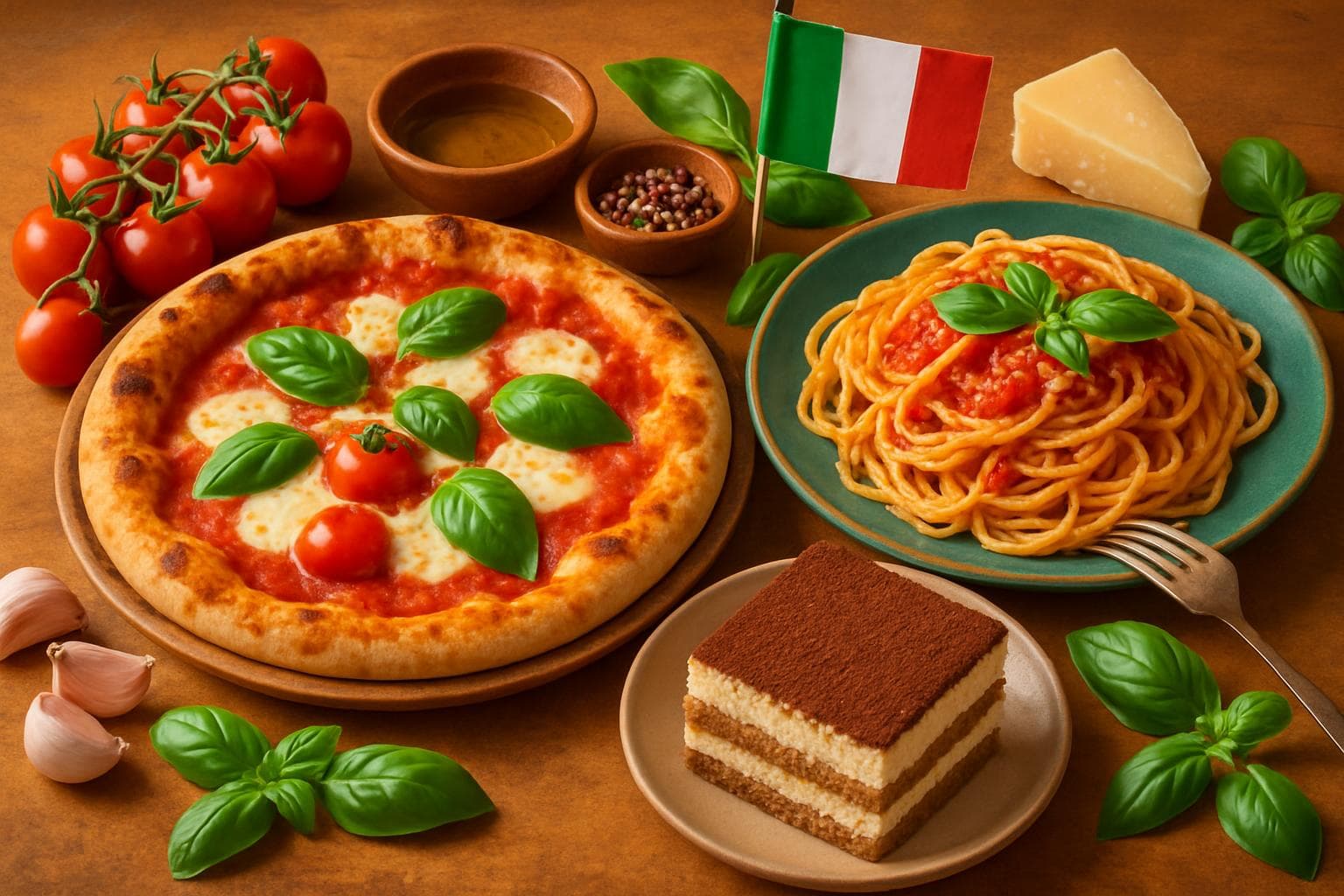
Unesco's decision highlights the integral role of Italian cuisine in fostering community and tradition. The agency described it as a "cultural and social blend of culinary traditions," emphasizing its capacity to connect people through shared meals and the passing down of recipes across generations. From the art of making Neapolitan pizza to the communal enjoyment of pasta and tiramisu, Italian food is celebrated for its ability to bring families and communities together.
Boosting Tourism and Health
The recognition is expected to further enhance Italy's appeal as a tourist destination, which already welcomes 80 million international visitors annually. Industry leaders, such as Luigi Scordamaglia of Filiera Italia, view this as a success for the "Made in Italy" brand. Additionally, the Mediterranean diet, a cornerstone of Italian cuisine, is lauded for its health benefits, promoting balance and variety.
WHAT THIS MIGHT MEAN
The Unesco recognition of Italian cuisine as an intangible cultural heritage could have significant implications for Italy's tourism and cultural diplomacy. As the first country to receive such an honor for its national cuisine, Italy may see increased interest from international tourists eager to experience its culinary traditions firsthand. This could lead to economic benefits for the country's food and hospitality sectors.
Politically, the recognition aligns with Prime Minister Giorgia Meloni's nationalistic agenda, reinforcing Italian identity through its rich culinary heritage. It may also inspire other countries to seek similar recognition for their own culinary traditions, potentially leading to a broader appreciation of global food cultures.
Experts suggest that this recognition could further promote the Mediterranean diet's health benefits, encouraging more people worldwide to adopt its principles of balance and variety. As Italy continues to celebrate its culinary achievements, the global spotlight on its cuisine may foster greater cultural exchange and understanding.
Related Articles

Rai Sport Chief Resigns Amid Olympic Commentary Controversy

India's AI Impact Summit Faces Logistical Hurdles Amid Global AI Discussions

Intensified US-Israel Strikes on Iran Spark Global Outcry

Canada Calls for De-escalation Amid US-Israel Strikes on Iran

St Francis of Assisi's Bones Draw Global Pilgrims to Italy

Palestinian-American Teen Killed by Israeli Settlers in West Bank Sparks Calls for Accountability
Italian Cuisine Earns Unesco Cultural Heritage Status
In This Article
 Aya Nakamura| Published
 HIGHLIGHTS
- Italian cuisine has been recognized by Unesco as an intangible cultural heritage, marking a first for any national cuisine.
- Prime Minister Giorgia Meloni celebrated the recognition, emphasizing Italian food as a cultural and national identity.
- The Unesco listing highlights Italian cuisine's role in fostering community and tradition, from pasta to tiramisu.
- The recognition is expected to boost Italy's tourism, which already attracts 80 million visitors annually.
- The Mediterranean diet, a key aspect of Italian cuisine, is noted for promoting health and balance.
Italian cuisine has achieved a historic milestone by being recognized as an intangible cultural heritage by Unesco, the United Nations' cultural agency. This accolade, announced during a Unesco assembly in Delhi, marks the first time a national cuisine has been honored in its entirety, rather than for individual dishes or traditions.
A Culinary Triumph for Italy
The recognition was met with pride by Italy's Prime Minister Giorgia Meloni, who has been a fervent advocate for the country's culinary heritage since her election. "For us Italians, cuisine is more than just food or a collection of recipes. It’s culture, tradition, work, and wealth," Meloni stated in a video message. The Italian government formally submitted its bid for this recognition five months after Meloni took office in October 2022, underscoring the cultural significance of Italian food.
Cultural and Social Significance
Unesco's decision highlights the integral role of Italian cuisine in fostering community and tradition. The agency described it as a "cultural and social blend of culinary traditions," emphasizing its capacity to connect people through shared meals and the passing down of recipes across generations. From the art of making Neapolitan pizza to the communal enjoyment of pasta and tiramisu, Italian food is celebrated for its ability to bring families and communities together.
Boosting Tourism and Health
The recognition is expected to further enhance Italy's appeal as a tourist destination, which already welcomes 80 million international visitors annually. Industry leaders, such as Luigi Scordamaglia of Filiera Italia, view this as a success for the "Made in Italy" brand. Additionally, the Mediterranean diet, a cornerstone of Italian cuisine, is lauded for its health benefits, promoting balance and variety.
WHAT THIS MIGHT MEAN
The Unesco recognition of Italian cuisine as an intangible cultural heritage could have significant implications for Italy's tourism and cultural diplomacy. As the first country to receive such an honor for its national cuisine, Italy may see increased interest from international tourists eager to experience its culinary traditions firsthand. This could lead to economic benefits for the country's food and hospitality sectors.
Politically, the recognition aligns with Prime Minister Giorgia Meloni's nationalistic agenda, reinforcing Italian identity through its rich culinary heritage. It may also inspire other countries to seek similar recognition for their own culinary traditions, potentially leading to a broader appreciation of global food cultures.
Experts suggest that this recognition could further promote the Mediterranean diet's health benefits, encouraging more people worldwide to adopt its principles of balance and variety. As Italy continues to celebrate its culinary achievements, the global spotlight on its cuisine may foster greater cultural exchange and understanding.
Related Articles
Rai Sport Chief Resigns Amid Olympic Commentary Controversy
India's AI Impact Summit Faces Logistical Hurdles Amid Global AI Discussions
Intensified US-Israel Strikes on Iran Spark Global Outcry
Canada Calls for De-escalation Amid US-Israel Strikes on Iran
St Francis of Assisi's Bones Draw Global Pilgrims to Italy
Palestinian-American Teen Killed by Israeli Settlers in West Bank Sparks Calls for Accountability