
Jaguar Land Rover Suffers Major Loss Following Cyber-Attack
In This Article
HIGHLIGHTS
- Jaguar Land Rover (JLR) reported a pre-tax loss of £485 million for the quarter ending September, following a significant cyber-attack.
- The cyber-attack halted production throughout September, impacting JLR's operations and contributing to a 24% revenue decline.
- The incident affected the broader UK economy, reducing GDP growth by 0.17% in September and costing up to £1.9 billion.
- JLR incurred £196 million in cyber-related costs, including hiring global IT experts to restore systems.
- The company is recovering, with production back to normal levels, and is focusing on its transition to electric vehicles.
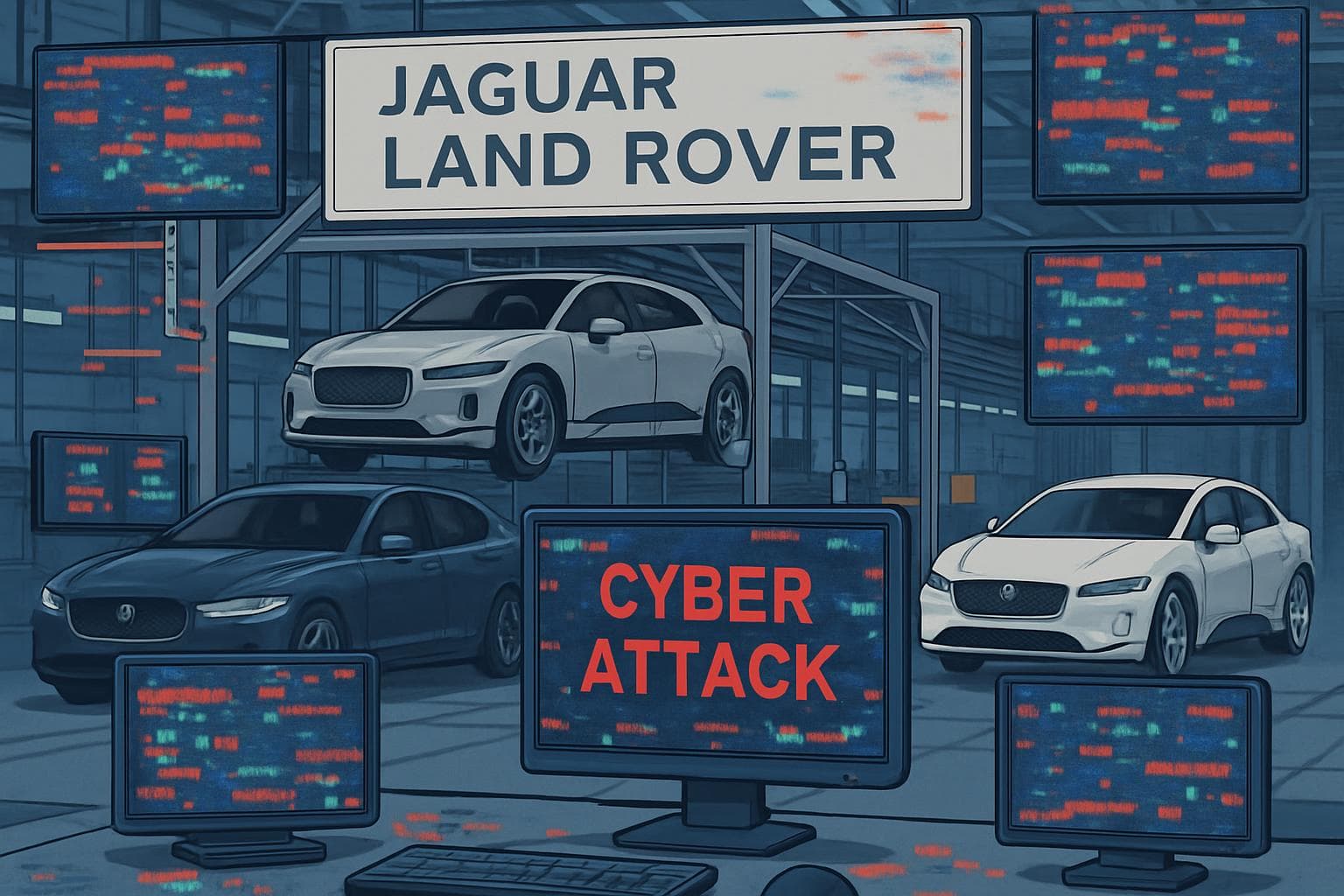
Jaguar Land Rover (JLR) has reported a substantial pre-tax loss of £485 million for the quarter ending September, a stark contrast to the £398 million profit recorded in the same period last year. This downturn follows a severe cyber-attack in late August that forced the carmaker to shut down its computer networks, disrupting production and sales.
Cyber-Attack Disrupts Production
The cyber-attack led to a complete halt in JLR's production throughout September, with operations only resuming in October. The shutdown severely impacted the company's revenue, which fell by 24% from £6.5 billion to £4.9 billion. The disruption also affected the supply chain, forcing many related businesses to pause operations, and prompted the UK government to offer loan guarantees up to £1.5 billion to support the industry.
Economic Impact and Recovery Efforts
The repercussions of the cyber-attack extended beyond JLR, affecting the broader UK economy. The Office for National Statistics reported a 0.17% reduction in economic output for September, with the overall cost to the UK economy estimated at £1.9 billion. JLR incurred £196 million in cyber-related costs, including hiring global IT experts to restore its systems. Despite these challenges, JLR's chief executive, Adrian Mardell, expressed optimism, stating that production has returned to normal levels and the company is "back to doing what we do best – producing luxury British cars."
Transition to Electric Vehicles
In addition to dealing with the cyber-attack, JLR is navigating other challenges, such as US tariffs and the phasing out of older Jaguar models. The company is focusing on its transition to electric vehicles, with over 150 prototypes of new electric Jaguars completed. However, the launch of these models has been delayed until at least 2026. JLR's chief financial officer, Richard Molyneux, emphasized the importance of launching these vehicles "when it is perfectly right."
WHAT THIS MIGHT MEAN
Looking ahead, Jaguar Land Rover's recovery from the cyber-attack will be closely watched by industry analysts and stakeholders. The company's ability to stabilize its operations and continue its transition to electric vehicles will be critical. The delay in launching new electric models could impact JLR's competitiveness in the rapidly evolving automotive market. Additionally, the ongoing investigation into the cyber-attack may reveal vulnerabilities that could inform future cybersecurity strategies. As JLR navigates these challenges, its actions will likely influence the broader British automotive industry and its global supply chain.
Related Articles

China Sets Lowest GDP Growth Target in Decades Amid Economic Challenges

Cuba Faces Widespread Blackout Amid Deepening Fuel Crisis

Middle East Conflict Drives UK Energy Prices to New Highs

UK Faces Dilemmas Amid Iran Conflict and China Spying Allegations

Google Faces Legal Battle Over AI Chatbot's Alleged Role in Tragic Death

Iran Postpones Khamenei Funeral Amid Escalating US-Israeli Strikes
Jaguar Land Rover Suffers Major Loss Following Cyber-Attack
In This Article
 Daniel Rivera| Published
 HIGHLIGHTS
- Jaguar Land Rover (JLR) reported a pre-tax loss of £485 million for the quarter ending September, following a significant cyber-attack.
- The cyber-attack halted production throughout September, impacting JLR's operations and contributing to a 24% revenue decline.
- The incident affected the broader UK economy, reducing GDP growth by 0.17% in September and costing up to £1.9 billion.
- JLR incurred £196 million in cyber-related costs, including hiring global IT experts to restore systems.
- The company is recovering, with production back to normal levels, and is focusing on its transition to electric vehicles.
Jaguar Land Rover (JLR) has reported a substantial pre-tax loss of £485 million for the quarter ending September, a stark contrast to the £398 million profit recorded in the same period last year. This downturn follows a severe cyber-attack in late August that forced the carmaker to shut down its computer networks, disrupting production and sales.
Cyber-Attack Disrupts Production
The cyber-attack led to a complete halt in JLR's production throughout September, with operations only resuming in October. The shutdown severely impacted the company's revenue, which fell by 24% from £6.5 billion to £4.9 billion. The disruption also affected the supply chain, forcing many related businesses to pause operations, and prompted the UK government to offer loan guarantees up to £1.5 billion to support the industry.
Economic Impact and Recovery Efforts
The repercussions of the cyber-attack extended beyond JLR, affecting the broader UK economy. The Office for National Statistics reported a 0.17% reduction in economic output for September, with the overall cost to the UK economy estimated at £1.9 billion. JLR incurred £196 million in cyber-related costs, including hiring global IT experts to restore its systems. Despite these challenges, JLR's chief executive, Adrian Mardell, expressed optimism, stating that production has returned to normal levels and the company is "back to doing what we do best – producing luxury British cars."
Transition to Electric Vehicles
In addition to dealing with the cyber-attack, JLR is navigating other challenges, such as US tariffs and the phasing out of older Jaguar models. The company is focusing on its transition to electric vehicles, with over 150 prototypes of new electric Jaguars completed. However, the launch of these models has been delayed until at least 2026. JLR's chief financial officer, Richard Molyneux, emphasized the importance of launching these vehicles "when it is perfectly right."
WHAT THIS MIGHT MEAN
Looking ahead, Jaguar Land Rover's recovery from the cyber-attack will be closely watched by industry analysts and stakeholders. The company's ability to stabilize its operations and continue its transition to electric vehicles will be critical. The delay in launching new electric models could impact JLR's competitiveness in the rapidly evolving automotive market. Additionally, the ongoing investigation into the cyber-attack may reveal vulnerabilities that could inform future cybersecurity strategies. As JLR navigates these challenges, its actions will likely influence the broader British automotive industry and its global supply chain.
Related Articles
China Sets Lowest GDP Growth Target in Decades Amid Economic Challenges
Cuba Faces Widespread Blackout Amid Deepening Fuel Crisis
Middle East Conflict Drives UK Energy Prices to New Highs
UK Faces Dilemmas Amid Iran Conflict and China Spying Allegations
Google Faces Legal Battle Over AI Chatbot's Alleged Role in Tragic Death
Iran Postpones Khamenei Funeral Amid Escalating US-Israeli Strikes