
Japan-China Diplomatic Tensions Halt Cultural Events in Shanghai
In This Article
HIGHLIGHTS
- Japanese singer Maki Otsuki's performance in Shanghai was abruptly halted amid rising Japan-China diplomatic tensions.
- The Bandai Namco Festival 2025 in Shanghai faced multiple cancellations, including performances by Ayumi Hamasaki and Momoiro Clover Z.
- Diplomatic strains were fueled by Japanese Prime Minister Sanae Takaichi's comments on potential military action regarding Taiwan.
- Chinese authorities have advised against travel to Japan, impacting tourism and retail sectors.
- Social media reactions highlight both criticism of cultural restrictions and nationalist sentiments in China.
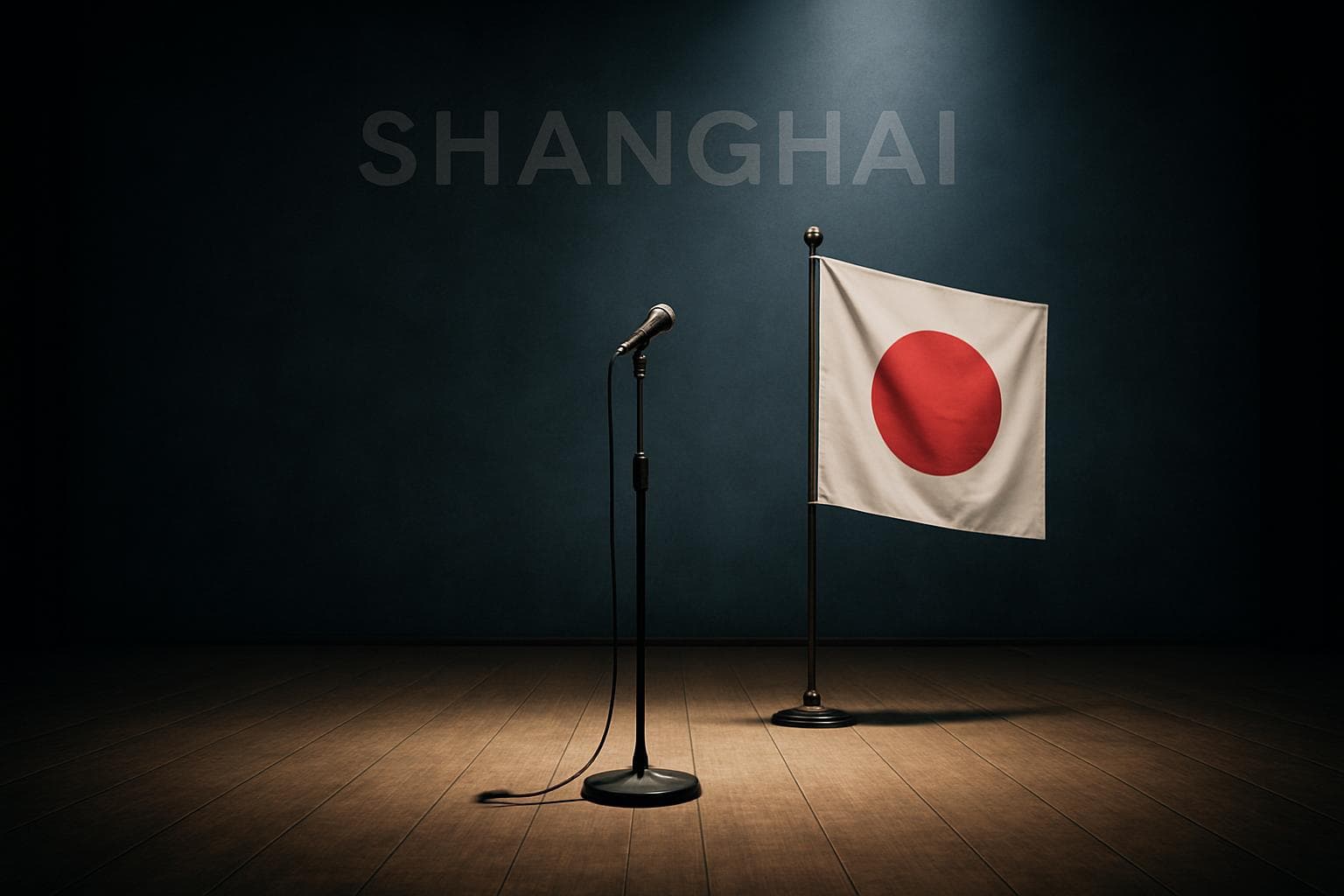
Rising diplomatic tensions between Japan and China have led to the abrupt cancellation of several Japanese cultural events in Shanghai, including a performance by Maki Otsuki, known for her work on the anime "One Piece." Otsuki was performing at the Bandai Namco Festival 2025 when her show was unexpectedly stopped mid-song, a move her management attributed to "unavoidable circumstances."
The festival, which was scheduled to run through the weekend, saw other cancellations, including performances by pop star Ayumi Hamasaki and the idol group Momoiro Clover Z. Organizers cited "various factors" for the cancellations, reflecting the broader diplomatic rift between Asia's two largest economies.
The tensions were exacerbated by recent remarks from Japanese Prime Minister Sanae Takaichi, who suggested that Japan might intervene militarily if China were to attack Taiwan. This statement has drawn a sharp response from Beijing, which considers Taiwan a part of its territory and has not ruled out using force to assert its claim.
The diplomatic fallout has extended beyond cultural events, with China advising its citizens against traveling to Japan, a move that has affected the tourism and retail sectors. On social media, reactions have been mixed, with some users criticizing the restrictions on cultural exchanges while others express nationalist sentiments.
Despite the cancellations, artists like Ayumi Hamasaki have expressed hope for cultural bridges. "I still strongly believe that entertainment should be a bridge that connects us," Hamasaki shared on Instagram following the cancellation of her Shanghai concert.
WHAT THIS MIGHT MEAN
The ongoing diplomatic tensions between Japan and China could lead to further cultural and economic disruptions if not addressed. The cancellation of high-profile events may strain bilateral relations and impact industries reliant on cross-border exchanges. Experts suggest that diplomatic dialogue is crucial to de-escalating tensions, particularly concerning sensitive issues like Taiwan.
If the situation persists, it could also influence public sentiment in both countries, potentially affecting future diplomatic negotiations. The international community will likely watch closely, as the outcome could have broader implications for regional stability and international relations in East Asia.
Related Articles
Japan Seizes Chinese Fishing Vessel Amid Rising Diplomatic Tensions
US Supreme Court Ruling Sparks Trade Uncertainty in Asia and Beyond
China Sets Lowest GDP Growth Target in Decades Amid Economic Challenges

UK Faces Dilemmas Amid Iran Conflict and China Spying Allegations
Trump's New Tariff Strategy Sparks Global Trade Uncertainty

Labour MP's Husband Arrested in UK-China Espionage Probe
Japan-China Diplomatic Tensions Halt Cultural Events in Shanghai
In This Article
HIGHLIGHTS
- Japanese singer Maki Otsuki's performance in Shanghai was abruptly halted amid rising Japan-China diplomatic tensions.
- The Bandai Namco Festival 2025 in Shanghai faced multiple cancellations, including performances by Ayumi Hamasaki and Momoiro Clover Z.
- Diplomatic strains were fueled by Japanese Prime Minister Sanae Takaichi's comments on potential military action regarding Taiwan.
- Chinese authorities have advised against travel to Japan, impacting tourism and retail sectors.
- Social media reactions highlight both criticism of cultural restrictions and nationalist sentiments in China.
Rising diplomatic tensions between Japan and China have led to the abrupt cancellation of several Japanese cultural events in Shanghai, including a performance by Maki Otsuki, known for her work on the anime "One Piece." Otsuki was performing at the Bandai Namco Festival 2025 when her show was unexpectedly stopped mid-song, a move her management attributed to "unavoidable circumstances."
The festival, which was scheduled to run through the weekend, saw other cancellations, including performances by pop star Ayumi Hamasaki and the idol group Momoiro Clover Z. Organizers cited "various factors" for the cancellations, reflecting the broader diplomatic rift between Asia's two largest economies.
The tensions were exacerbated by recent remarks from Japanese Prime Minister Sanae Takaichi, who suggested that Japan might intervene militarily if China were to attack Taiwan. This statement has drawn a sharp response from Beijing, which considers Taiwan a part of its territory and has not ruled out using force to assert its claim.
The diplomatic fallout has extended beyond cultural events, with China advising its citizens against traveling to Japan, a move that has affected the tourism and retail sectors. On social media, reactions have been mixed, with some users criticizing the restrictions on cultural exchanges while others express nationalist sentiments.
Despite the cancellations, artists like Ayumi Hamasaki have expressed hope for cultural bridges. "I still strongly believe that entertainment should be a bridge that connects us," Hamasaki shared on Instagram following the cancellation of her Shanghai concert.
WHAT THIS MIGHT MEAN
The ongoing diplomatic tensions between Japan and China could lead to further cultural and economic disruptions if not addressed. The cancellation of high-profile events may strain bilateral relations and impact industries reliant on cross-border exchanges. Experts suggest that diplomatic dialogue is crucial to de-escalating tensions, particularly concerning sensitive issues like Taiwan.
If the situation persists, it could also influence public sentiment in both countries, potentially affecting future diplomatic negotiations. The international community will likely watch closely, as the outcome could have broader implications for regional stability and international relations in East Asia.
Related Articles
Japan Seizes Chinese Fishing Vessel Amid Rising Diplomatic Tensions
US Supreme Court Ruling Sparks Trade Uncertainty in Asia and Beyond
China Sets Lowest GDP Growth Target in Decades Amid Economic Challenges
UK Faces Dilemmas Amid Iran Conflict and China Spying Allegations
Trump's New Tariff Strategy Sparks Global Trade Uncertainty
Labour MP's Husband Arrested in UK-China Espionage Probe