
Japan Executes 'Twitter Killer' Takahiro Shiraishi for 2017 Murders
In This Article
HIGHLIGHTS
- Japan executed Takahiro Shiraishi, known as the "Twitter killer", for murdering nine people in 2017.
- Shiraishi lured victims via Twitter, offering to help them die, and was sentenced to death in December 2020.
- Justice Minister Keisuke Suzuki stated Shiraishi's crimes were driven by selfish desires, causing societal shock.
- Japan and the US are the only G7 nations retaining the death penalty, with 107 inmates currently on death row in Japan.
- The case prompted Twitter to amend its rules against promoting suicide or self-harm.
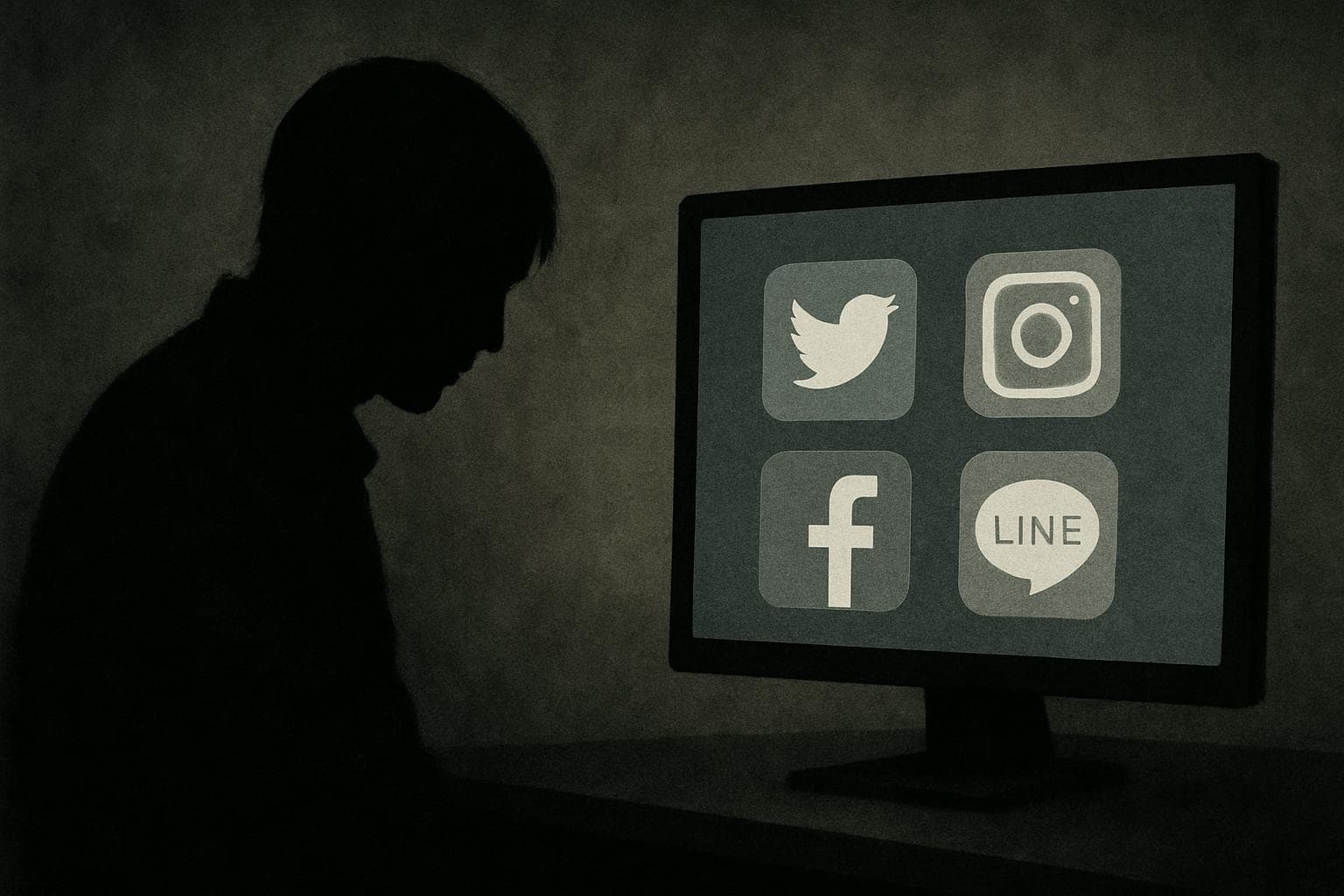
Japan has executed Takahiro Shiraishi, infamously known as the "Twitter killer", marking the nation's first use of capital punishment since 2022. Shiraishi, who was sentenced to death in December 2020, was hanged for the gruesome murders of nine individuals he met through the social media platform now called X.
The Crimes and Trial
In 2017, Shiraishi, then 30, targeted mostly young women aged between 15 and 26, luring them to his apartment in Zama, near Tokyo. He promised to assist them in ending their lives, but instead, he strangled and dismembered them, storing body parts in coolers and toolboxes. The case came to light when police discovered the remains while investigating a missing person report.
During the trial, Shiraishi admitted to the murders, contradicting his defense team's claims that the victims had consented to die. Prosecutors sought the death penalty, arguing that Shiraishi's actions were driven by personal gratification. Justice Minister Keisuke Suzuki, who ordered the execution, described the crimes as acts of robbery, rape, and murder, causing widespread societal distress.
Public and Legal Context
Japan, alongside the United States, remains one of the few G7 countries to uphold the death penalty. A 2024 survey indicated that 83% of Japanese citizens view capital punishment as necessary. As of December 2023, 107 inmates await execution in Japan, where the process is carried out by hanging. Critics highlight the mental toll on prisoners, who often endure prolonged solitary confinement before execution.
Impact on Social Media and Society
The Shiraishi case spurred changes in Twitter's policies, prohibiting content that promotes suicide or self-harm. The case also reignited debates about the role of social media in facilitating crimes and the need for stricter regulations to protect vulnerable individuals online.
WHAT THIS MIGHT MEAN
The execution of Takahiro Shiraishi may reinforce Japan's commitment to maintaining the death penalty, despite international criticism. The case underscores the challenges of balancing public safety with human rights concerns, particularly regarding the mental health of death row inmates. Moving forward, Japan may face increased pressure to reform its justice system, especially in terms of transparency and the treatment of prisoners awaiting execution. Additionally, the role of social media in criminal activities could prompt further regulatory measures to prevent similar tragedies.
Related Articles
Venezuelan Political Prisoners Seek Amnesty Amidst Hopes for Democratic Transition
China Sets Lowest GDP Growth Target in Decades Amid Economic Challenges
Cuba Faces Widespread Blackout Amid Deepening Fuel Crisis

UK Faces Dilemmas Amid Iran Conflict and China Spying Allegations

Google Faces Legal Battle Over AI Chatbot's Alleged Role in Tragic Death

Iran Postpones Khamenei Funeral Amid Escalating US-Israeli Strikes
Japan Executes 'Twitter Killer' Takahiro Shiraishi for 2017 Murders
In This Article
 Sofia Romano| Published
 HIGHLIGHTS
- Japan executed Takahiro Shiraishi, known as the "Twitter killer", for murdering nine people in 2017.
- Shiraishi lured victims via Twitter, offering to help them die, and was sentenced to death in December 2020.
- Justice Minister Keisuke Suzuki stated Shiraishi's crimes were driven by selfish desires, causing societal shock.
- Japan and the US are the only G7 nations retaining the death penalty, with 107 inmates currently on death row in Japan.
- The case prompted Twitter to amend its rules against promoting suicide or self-harm.
Japan has executed Takahiro Shiraishi, infamously known as the "Twitter killer", marking the nation's first use of capital punishment since 2022. Shiraishi, who was sentenced to death in December 2020, was hanged for the gruesome murders of nine individuals he met through the social media platform now called X.
The Crimes and Trial
In 2017, Shiraishi, then 30, targeted mostly young women aged between 15 and 26, luring them to his apartment in Zama, near Tokyo. He promised to assist them in ending their lives, but instead, he strangled and dismembered them, storing body parts in coolers and toolboxes. The case came to light when police discovered the remains while investigating a missing person report.
During the trial, Shiraishi admitted to the murders, contradicting his defense team's claims that the victims had consented to die. Prosecutors sought the death penalty, arguing that Shiraishi's actions were driven by personal gratification. Justice Minister Keisuke Suzuki, who ordered the execution, described the crimes as acts of robbery, rape, and murder, causing widespread societal distress.
Public and Legal Context
Japan, alongside the United States, remains one of the few G7 countries to uphold the death penalty. A 2024 survey indicated that 83% of Japanese citizens view capital punishment as necessary. As of December 2023, 107 inmates await execution in Japan, where the process is carried out by hanging. Critics highlight the mental toll on prisoners, who often endure prolonged solitary confinement before execution.
Impact on Social Media and Society
The Shiraishi case spurred changes in Twitter's policies, prohibiting content that promotes suicide or self-harm. The case also reignited debates about the role of social media in facilitating crimes and the need for stricter regulations to protect vulnerable individuals online.
WHAT THIS MIGHT MEAN
The execution of Takahiro Shiraishi may reinforce Japan's commitment to maintaining the death penalty, despite international criticism. The case underscores the challenges of balancing public safety with human rights concerns, particularly regarding the mental health of death row inmates. Moving forward, Japan may face increased pressure to reform its justice system, especially in terms of transparency and the treatment of prisoners awaiting execution. Additionally, the role of social media in criminal activities could prompt further regulatory measures to prevent similar tragedies.
Related Articles
Venezuelan Political Prisoners Seek Amnesty Amidst Hopes for Democratic Transition
China Sets Lowest GDP Growth Target in Decades Amid Economic Challenges
Cuba Faces Widespread Blackout Amid Deepening Fuel Crisis
UK Faces Dilemmas Amid Iran Conflict and China Spying Allegations
Google Faces Legal Battle Over AI Chatbot's Alleged Role in Tragic Death
Iran Postpones Khamenei Funeral Amid Escalating US-Israeli Strikes