
Japanese Stocks Surge as Takaichi Secures Historic Election Victory
In This Article
HIGHLIGHTS
- Japanese stocks surged as Prime Minister Sanae Takaichi's LDP secured a historic election victory, winning 316 out of 465 seats.
- The LDP's coalition with the Japan Innovation Party achieved a supermajority of 352 seats, easing legislative processes for Takaichi.
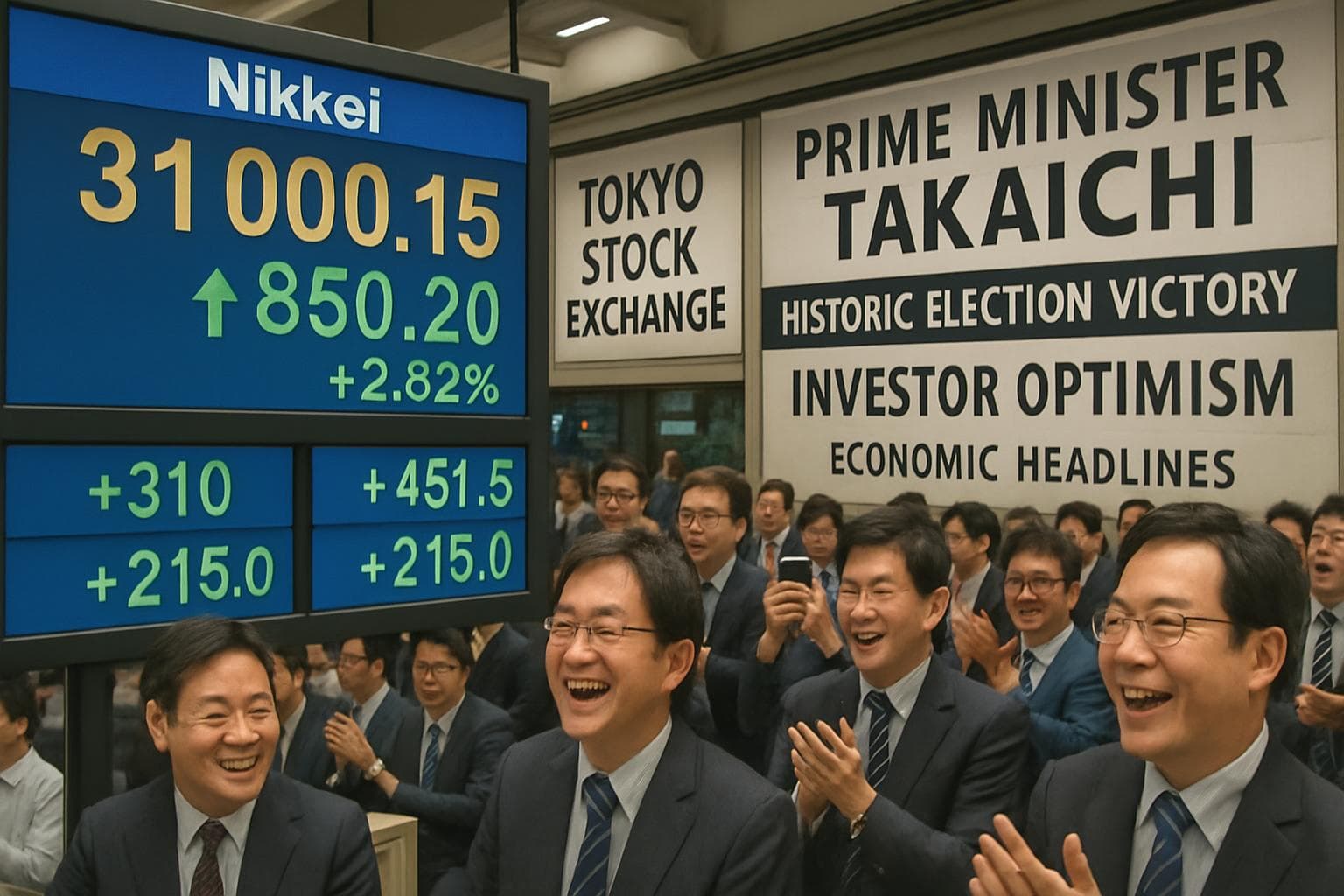
- The Nikkei 225 index rose over 5%, briefly surpassing the 57,000 mark, reflecting market optimism about Takaichi's pro-business policies.
- Takaichi plans a 21 trillion yen stimulus package and a temporary suspension of the 8% sales tax on food, despite concerns over Japan's high debt.
- The yen strengthened against the dollar following the election, as the government closely monitors foreign exchange markets.
Japanese stocks soared to record highs on Monday following a decisive election victory for Prime Minister Sanae Takaichi and her Liberal Democratic Party (LDP). The LDP secured 316 out of 465 seats in the lower house, marking the first time since 1947 that a single party has achieved a two-thirds majority. Together with its coalition partner, the Japan Innovation Party, the LDP holds a supermajority of 352 seats, significantly easing the legislative path for Takaichi's administration.
Market Reaction and Economic Plans
The Nikkei 225 index rallied by more than 5% in early trading, briefly crossing the 57,000 mark for the first time. This surge reflects investor confidence in Takaichi's pro-business agenda, which includes a 21 trillion yen stimulus package and a temporary suspension of the 8% sales tax on food. However, the lack of clarity on funding these initiatives has raised concerns, given Japan's status as the most indebted developed nation.
Currency and Bond Market Dynamics
The yen initially weakened against the dollar but later strengthened by 0.5%, trading at 156.43 yen per dollar. Japan's finance ministry is closely monitoring foreign exchange markets, with officials expressing a high sense of urgency. Bond yields have risen, indicating market jitters over potential debt-fueled spending.
Political and Economic Implications
Takaichi's victory grants her a strong mandate to pursue her economic policies without extensive opposition negotiation. Her plans to cut taxes and boost spending aim to address Japan's cost-of-living crisis and economic stagnation. However, critics warn that these measures could exacerbate Japan's fiscal instability.
WHAT THIS MIGHT MEAN
With a supermajority in parliament, Takaichi is well-positioned to implement her economic agenda, potentially revitalizing Japan's economy. However, the challenge of balancing fiscal stimulus with debt management remains significant. Analysts suggest that while the yen's current strength may be temporary, ongoing market interventions could stabilize currency fluctuations. As Takaichi moves forward, her ability to manage Japan's economic challenges will be closely scrutinized, with potential implications for both domestic and international markets.
Related Articles
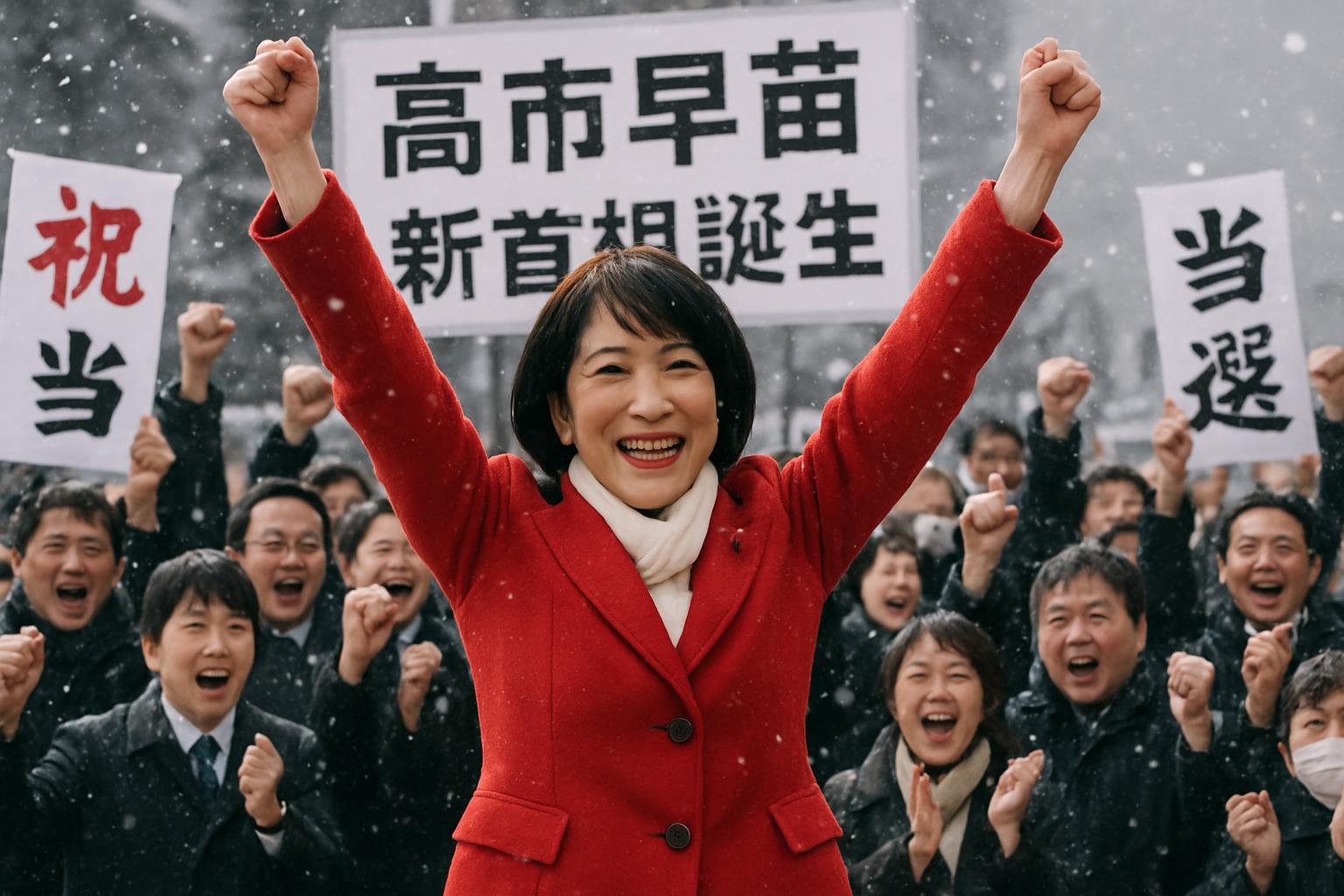
Sanae Takaichi Secures Landslide Victory in Japan's Snap Election

Sanae Takaichi's Snap Election Gamble: Will Japan's First Female Prime Minister Secure a Landslide Victory?
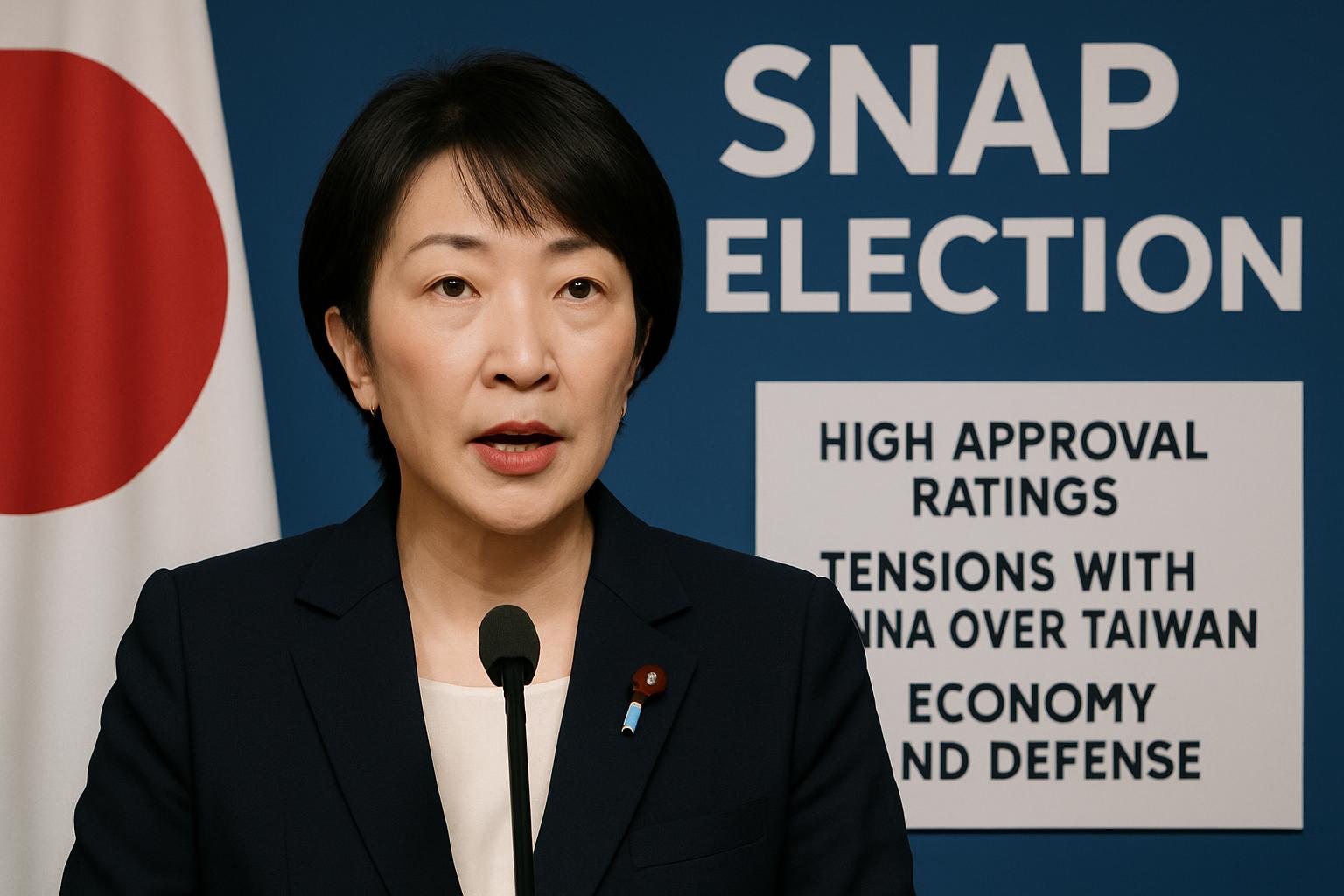
Japan's Prime Minister Calls Snap Election Amid High Approval Ratings

Trump's New Tariff Strategy Sparks Global Trade Uncertainty

Japan Seizes Chinese Fishing Vessel Amid Rising Diplomatic Tensions

Gold and Silver Prices Plummet Amid Market Volatility
Japanese Stocks Surge as Takaichi Secures Historic Election Victory
In This Article
 Daniel Rivera| Published
 HIGHLIGHTS
- Japanese stocks surged as Prime Minister Sanae Takaichi's LDP secured a historic election victory, winning 316 out of 465 seats.
- The LDP's coalition with the Japan Innovation Party achieved a supermajority of 352 seats, easing legislative processes for Takaichi.
- The Nikkei 225 index rose over 5%, briefly surpassing the 57,000 mark, reflecting market optimism about Takaichi's pro-business policies.
- Takaichi plans a 21 trillion yen stimulus package and a temporary suspension of the 8% sales tax on food, despite concerns over Japan's high debt.
- The yen strengthened against the dollar following the election, as the government closely monitors foreign exchange markets.
Japanese stocks soared to record highs on Monday following a decisive election victory for Prime Minister Sanae Takaichi and her Liberal Democratic Party (LDP). The LDP secured 316 out of 465 seats in the lower house, marking the first time since 1947 that a single party has achieved a two-thirds majority. Together with its coalition partner, the Japan Innovation Party, the LDP holds a supermajority of 352 seats, significantly easing the legislative path for Takaichi's administration.
Market Reaction and Economic Plans
The Nikkei 225 index rallied by more than 5% in early trading, briefly crossing the 57,000 mark for the first time. This surge reflects investor confidence in Takaichi's pro-business agenda, which includes a 21 trillion yen stimulus package and a temporary suspension of the 8% sales tax on food. However, the lack of clarity on funding these initiatives has raised concerns, given Japan's status as the most indebted developed nation.
Currency and Bond Market Dynamics
The yen initially weakened against the dollar but later strengthened by 0.5%, trading at 156.43 yen per dollar. Japan's finance ministry is closely monitoring foreign exchange markets, with officials expressing a high sense of urgency. Bond yields have risen, indicating market jitters over potential debt-fueled spending.
Political and Economic Implications
Takaichi's victory grants her a strong mandate to pursue her economic policies without extensive opposition negotiation. Her plans to cut taxes and boost spending aim to address Japan's cost-of-living crisis and economic stagnation. However, critics warn that these measures could exacerbate Japan's fiscal instability.
WHAT THIS MIGHT MEAN
With a supermajority in parliament, Takaichi is well-positioned to implement her economic agenda, potentially revitalizing Japan's economy. However, the challenge of balancing fiscal stimulus with debt management remains significant. Analysts suggest that while the yen's current strength may be temporary, ongoing market interventions could stabilize currency fluctuations. As Takaichi moves forward, her ability to manage Japan's economic challenges will be closely scrutinized, with potential implications for both domestic and international markets.
Related Articles
Sanae Takaichi Secures Landslide Victory in Japan's Snap Election
Sanae Takaichi's Snap Election Gamble: Will Japan's First Female Prime Minister Secure a Landslide Victory?
Japan's Prime Minister Calls Snap Election Amid High Approval Ratings
Trump's New Tariff Strategy Sparks Global Trade Uncertainty
Japan Seizes Chinese Fishing Vessel Amid Rising Diplomatic Tensions
Gold and Silver Prices Plummet Amid Market Volatility