
Renewed Calls for Newborn Screening as Jesy Nelson's Twins Diagnosed with SMA
In This Article
HIGHLIGHTS
- Jesy Nelson's twins were diagnosed with Spinal Muscular Atrophy (SMA) type 1, sparking renewed calls for newborn screening.
- SMA is a rare genetic condition causing muscle weakness, with early diagnosis crucial for effective treatment.
- Health Secretary Wes Streeting acknowledged the need for improved screening and genomic medicine use.
- Families affected by SMA express frustration over years of ignored advocacy for newborn screening.
- SMA UK and other advocates highlight the challenges and costs associated with managing the condition.
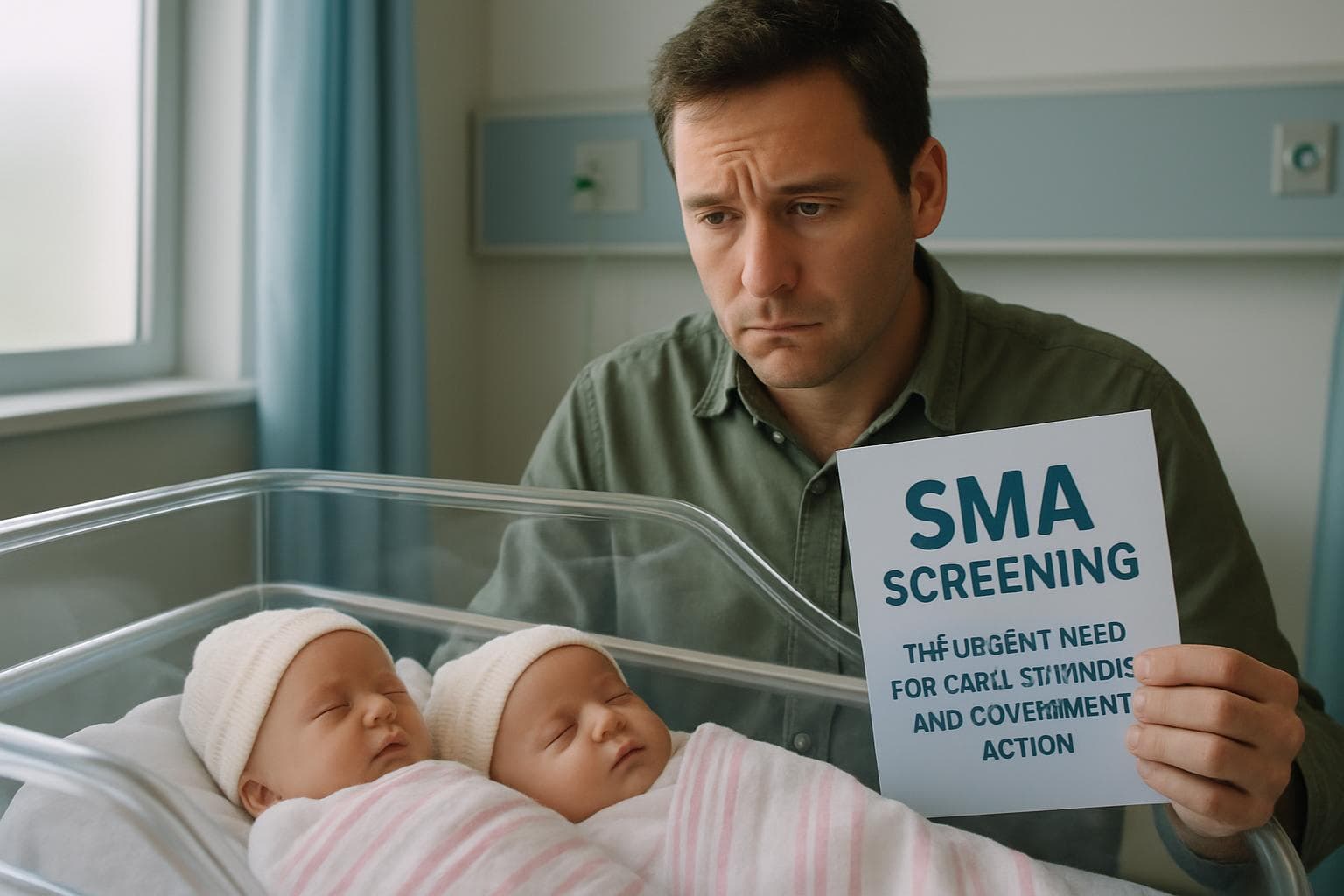
The recent diagnosis of former Little Mix star Jesy Nelson's twin daughters with Spinal Muscular Atrophy (SMA) type 1 has reignited calls for mandatory newborn screening for the rare genetic condition. SMA, which leads to muscle wastage and can be life-threatening if untreated, has long been a focus for advocates who argue that early diagnosis is critical.
SMA and the Importance of Early Detection
SMA is a genetic disorder that causes progressive muscle weakness and can severely impact respiratory function. The NHS identifies five types of SMA, with type 1 being the most severe. Early detection through newborn screening can significantly improve outcomes, as timely interventions like gene therapy can halt disease progression.
Advocacy and Government Response
The announcement by Jesy Nelson has brought national attention to the issue, prompting Health Secretary Wes Streeting to acknowledge the need for better screening processes. "Nelson is right to challenge and criticize how long it takes to get a diagnosis," Streeting stated, emphasizing the potential of genomic medicine to improve early detection.
However, for many families affected by SMA, this response is bittersweet. Portia Thorman, head of advocacy at SMA UK, expressed frustration over years of ignored calls for government action. Her son, Ezra, who has SMA type 1, faced significant delays in diagnosis and treatment, leading her to campaign for change.
Personal Stories Highlight Challenges
Families like Amy Moffatt's, whose son Oakley was diagnosed with SMA type 1 at 10 weeks, have faced uphill battles to secure timely treatment. Despite receiving gene therapy that stabilized his condition, Oakley requires extensive care and adaptations, underscoring the financial and emotional toll on families.
Moffatt and others have been vocal about the need for systemic change, criticizing the lack of government action despite years of advocacy. "It's painful to see it take a celebrity's platform to raise awareness when we've been knocking on doors for so long," Moffatt remarked.
WHAT THIS MIGHT MEAN
The renewed attention on SMA screening could lead to significant policy changes, with potential for the UK government to implement mandatory newborn screening. If successful, this could set a precedent for other rare genetic conditions, improving early diagnosis and treatment outcomes. However, the challenge remains in balancing the costs and logistics of widespread screening with the benefits of early intervention. Experts suggest that integrating genomic medicine into standard healthcare practices could revolutionize the approach to genetic disorders, offering hope to families affected by conditions like SMA.
Related Articles

Persistent Safety Concerns in Nottingham Maternity Services Amidst Calls for Systemic Reform

Birmingham's Proactive Approach to Measles Outbreak Offers Lessons for North London

UK Government to Reform Asylum Seeker Support and Employment Policies

Middle East Conflict Drives UK Energy Prices to New Highs

Government Announces £4 Billion Overhaul of SEND Support in England

UK Government Announces Major Overhaul of SEND System with £3.4 Billion Investment
Renewed Calls for Newborn Screening as Jesy Nelson's Twins Diagnosed with SMA
In This Article
 Maya Singh| Published
 HIGHLIGHTS
- Jesy Nelson's twins were diagnosed with Spinal Muscular Atrophy (SMA) type 1, sparking renewed calls for newborn screening.
- SMA is a rare genetic condition causing muscle weakness, with early diagnosis crucial for effective treatment.
- Health Secretary Wes Streeting acknowledged the need for improved screening and genomic medicine use.
- Families affected by SMA express frustration over years of ignored advocacy for newborn screening.
- SMA UK and other advocates highlight the challenges and costs associated with managing the condition.
The recent diagnosis of former Little Mix star Jesy Nelson's twin daughters with Spinal Muscular Atrophy (SMA) type 1 has reignited calls for mandatory newborn screening for the rare genetic condition. SMA, which leads to muscle wastage and can be life-threatening if untreated, has long been a focus for advocates who argue that early diagnosis is critical.
SMA and the Importance of Early Detection
SMA is a genetic disorder that causes progressive muscle weakness and can severely impact respiratory function. The NHS identifies five types of SMA, with type 1 being the most severe. Early detection through newborn screening can significantly improve outcomes, as timely interventions like gene therapy can halt disease progression.
Advocacy and Government Response
The announcement by Jesy Nelson has brought national attention to the issue, prompting Health Secretary Wes Streeting to acknowledge the need for better screening processes. "Nelson is right to challenge and criticize how long it takes to get a diagnosis," Streeting stated, emphasizing the potential of genomic medicine to improve early detection.
However, for many families affected by SMA, this response is bittersweet. Portia Thorman, head of advocacy at SMA UK, expressed frustration over years of ignored calls for government action. Her son, Ezra, who has SMA type 1, faced significant delays in diagnosis and treatment, leading her to campaign for change.
Personal Stories Highlight Challenges
Families like Amy Moffatt's, whose son Oakley was diagnosed with SMA type 1 at 10 weeks, have faced uphill battles to secure timely treatment. Despite receiving gene therapy that stabilized his condition, Oakley requires extensive care and adaptations, underscoring the financial and emotional toll on families.
Moffatt and others have been vocal about the need for systemic change, criticizing the lack of government action despite years of advocacy. "It's painful to see it take a celebrity's platform to raise awareness when we've been knocking on doors for so long," Moffatt remarked.
WHAT THIS MIGHT MEAN
The renewed attention on SMA screening could lead to significant policy changes, with potential for the UK government to implement mandatory newborn screening. If successful, this could set a precedent for other rare genetic conditions, improving early diagnosis and treatment outcomes. However, the challenge remains in balancing the costs and logistics of widespread screening with the benefits of early intervention. Experts suggest that integrating genomic medicine into standard healthcare practices could revolutionize the approach to genetic disorders, offering hope to families affected by conditions like SMA.
Related Articles
Persistent Safety Concerns in Nottingham Maternity Services Amidst Calls for Systemic Reform
Birmingham's Proactive Approach to Measles Outbreak Offers Lessons for North London
UK Government to Reform Asylum Seeker Support and Employment Policies
Middle East Conflict Drives UK Energy Prices to New Highs
Government Announces £4 Billion Overhaul of SEND Support in England
UK Government Announces Major Overhaul of SEND System with £3.4 Billion Investment