
Search Intensifies for Elephant Responsible for Fatal Attacks in Jharkhand
In This Article
HIGHLIGHTS
- A wild elephant has killed at least 20 people in Jharkhand, India, between 1 and 9 January, prompting a large-scale search operation.
- The elephant, believed to be a young male separated from its herd, has been difficult to track due to its agility and nocturnal movements.
- Human-elephant conflict in the region is exacerbated by deforestation and habitat fragmentation, leading to increased encounters.
- Authorities have issued warnings to residents and are using traditional methods to alert communities, while offering compensation to victims' families.
- Efforts to tranquilize and capture the elephant have so far been unsuccessful, with wildlife specialists from multiple states involved in the search.
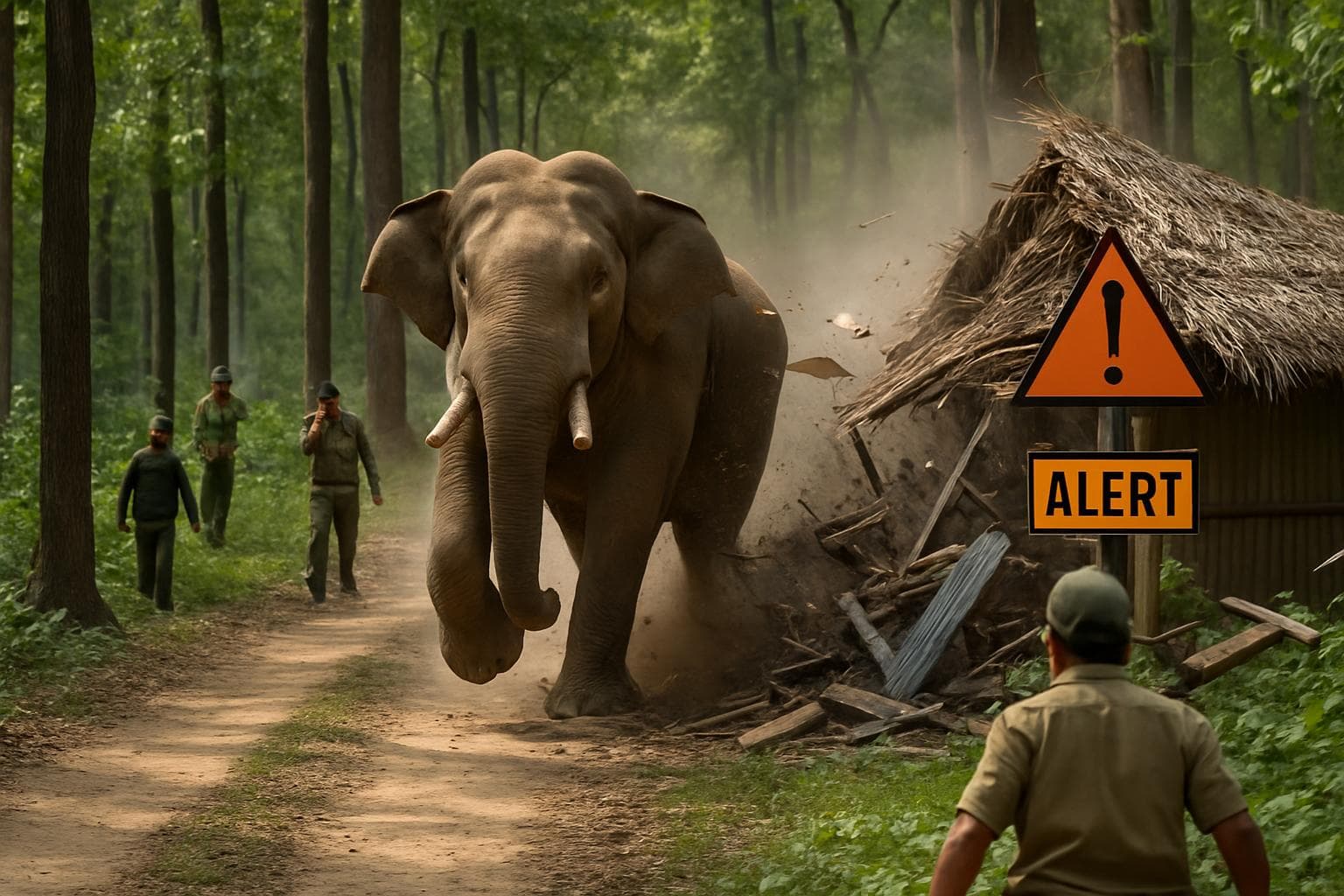
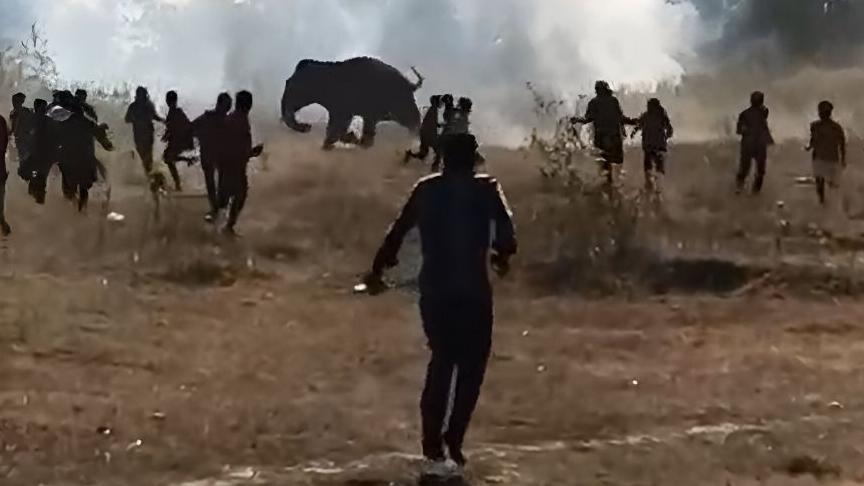
In the eastern Indian state of Jharkhand, a wild elephant has been on a deadly rampage, resulting in the deaths of at least 20 people over a span of nine days. The incidents, which occurred between January 1 and 9, have put the West Singhbhum district on high alert as authorities scramble to capture the rogue animal.
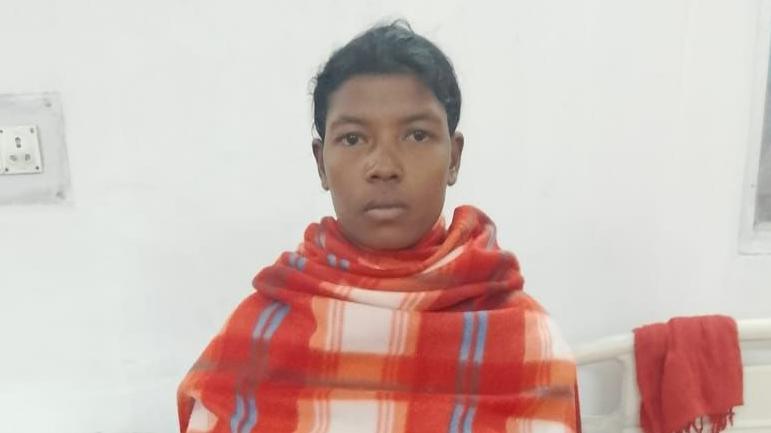
The attacks have primarily taken place at night in the Chaibasa and Kolhan forest areas, regions known for their dense Sal forests. Victims include a forest worker and several villagers, such as 34-year-old Mangal Singh Hembram and 62-year-old Urdub Bahoda, who were killed while guarding their fields. In a tragic incident, Kundra Bahoda and his two children were also among those killed.
Human-Elephant Conflict and Conservation Challenges
The ongoing human-elephant conflict in Jharkhand is not new, with experts attributing the rise in encounters to deforestation and habitat fragmentation. These environmental changes have disrupted traditional elephant corridors, increasing the likelihood of fatal interactions. Divisional forest officer Kuldeep Meena described the situation as unprecedented, noting that this is the first time such a pattern of fatalities has been linked to a single male elephant in the region.
Efforts to Capture the Elephant
A massive search operation involving over 100 forest personnel is underway to locate the elephant, which has been covering nearly 30 kilometers a day. Despite three attempts to tranquilize the animal, the efforts have been unsuccessful. Aditya Narayan, another divisional forest officer, confirmed that the elephant's erratic movements and heightened aggression, possibly due to its mating phase, have complicated tracking efforts.
Community Impact and Response
Authorities have advised residents to avoid forest areas and remain indoors at night. Traditional drum alerts are being used to warn communities, and monetary compensation has been announced for the families of the victims. The forest department's immediate priority is to safely capture and return the elephant to the wild, potentially allowing it to rejoin its herd.
WHAT THIS MIGHT MEAN
The ongoing search for the elephant in Jharkhand highlights the broader issue of human-elephant conflict in India, which is likely to persist as deforestation and habitat loss continue. If the elephant is captured and safely returned to the wild, it could potentially reduce immediate threats to local communities. However, long-term solutions will require addressing the root causes of habitat fragmentation and implementing effective wildlife management strategies.
The involvement of wildlife specialists from multiple states underscores the complexity of the situation and the need for coordinated conservation efforts. As India grapples with rising human-wildlife conflicts, innovative solutions such as AI early warning systems, already in use in some regions, may become increasingly important in mitigating future incidents.
Images from the Web
Related Articles

US Supreme Court Ruling Sparks Trade Uncertainty in Asia and Beyond

India's AI Impact Summit Faces Logistical Hurdles Amid Global AI Discussions

Iran Postpones Khamenei Funeral Amid Escalating US-Israeli Strikes

Canada Calls for De-escalation Amid US-Israel Strikes on Iran

Trump's New Tariff Strategy Sparks Global Trade Uncertainty

US Supreme Court Ruling on Tariffs Sparks Uncertainty for UK and Global Trade
Search Intensifies for Elephant Responsible for Fatal Attacks in Jharkhand
In This Article
HIGHLIGHTS
- A wild elephant has killed at least 20 people in Jharkhand, India, between 1 and 9 January, prompting a large-scale search operation.
- The elephant, believed to be a young male separated from its herd, has been difficult to track due to its agility and nocturnal movements.
- Human-elephant conflict in the region is exacerbated by deforestation and habitat fragmentation, leading to increased encounters.
- Authorities have issued warnings to residents and are using traditional methods to alert communities, while offering compensation to victims' families.
- Efforts to tranquilize and capture the elephant have so far been unsuccessful, with wildlife specialists from multiple states involved in the search.
In the eastern Indian state of Jharkhand, a wild elephant has been on a deadly rampage, resulting in the deaths of at least 20 people over a span of nine days. The incidents, which occurred between January 1 and 9, have put the West Singhbhum district on high alert as authorities scramble to capture the rogue animal.
The attacks have primarily taken place at night in the Chaibasa and Kolhan forest areas, regions known for their dense Sal forests. Victims include a forest worker and several villagers, such as 34-year-old Mangal Singh Hembram and 62-year-old Urdub Bahoda, who were killed while guarding their fields. In a tragic incident, Kundra Bahoda and his two children were also among those killed.
Human-Elephant Conflict and Conservation Challenges
The ongoing human-elephant conflict in Jharkhand is not new, with experts attributing the rise in encounters to deforestation and habitat fragmentation. These environmental changes have disrupted traditional elephant corridors, increasing the likelihood of fatal interactions. Divisional forest officer Kuldeep Meena described the situation as unprecedented, noting that this is the first time such a pattern of fatalities has been linked to a single male elephant in the region.
Efforts to Capture the Elephant
A massive search operation involving over 100 forest personnel is underway to locate the elephant, which has been covering nearly 30 kilometers a day. Despite three attempts to tranquilize the animal, the efforts have been unsuccessful. Aditya Narayan, another divisional forest officer, confirmed that the elephant's erratic movements and heightened aggression, possibly due to its mating phase, have complicated tracking efforts.
Community Impact and Response
Authorities have advised residents to avoid forest areas and remain indoors at night. Traditional drum alerts are being used to warn communities, and monetary compensation has been announced for the families of the victims. The forest department's immediate priority is to safely capture and return the elephant to the wild, potentially allowing it to rejoin its herd.
WHAT THIS MIGHT MEAN
The ongoing search for the elephant in Jharkhand highlights the broader issue of human-elephant conflict in India, which is likely to persist as deforestation and habitat loss continue. If the elephant is captured and safely returned to the wild, it could potentially reduce immediate threats to local communities. However, long-term solutions will require addressing the root causes of habitat fragmentation and implementing effective wildlife management strategies.
The involvement of wildlife specialists from multiple states underscores the complexity of the situation and the need for coordinated conservation efforts. As India grapples with rising human-wildlife conflicts, innovative solutions such as AI early warning systems, already in use in some regions, may become increasingly important in mitigating future incidents.
Images from the Web
Related Articles
US Supreme Court Ruling Sparks Trade Uncertainty in Asia and Beyond
India's AI Impact Summit Faces Logistical Hurdles Amid Global AI Discussions
Iran Postpones Khamenei Funeral Amid Escalating US-Israeli Strikes
Canada Calls for De-escalation Amid US-Israel Strikes on Iran
Trump's New Tariff Strategy Sparks Global Trade Uncertainty
US Supreme Court Ruling on Tariffs Sparks Uncertainty for UK and Global Trade