
Jim Beam to Halt Production at Kentucky Distillery in 2026 Amid Industry Challenges
In This Article
HIGHLIGHTS
- Jim Beam will halt production at its main Kentucky distillery throughout 2026 for site enhancements.
- The closure is partly due to US trade tariffs and a record high of over 16 million barrels of bourbon in storage.
- Suntory Global Spirits, Jim Beam's parent company, is assessing workforce utilization during the production pause.
- The Kentucky Distillers' Association reports a $75 million tax burden on bourbon barrels this year.
- Trade tensions, particularly US tariffs, have impacted the spirits industry, affecting sales and international relations.
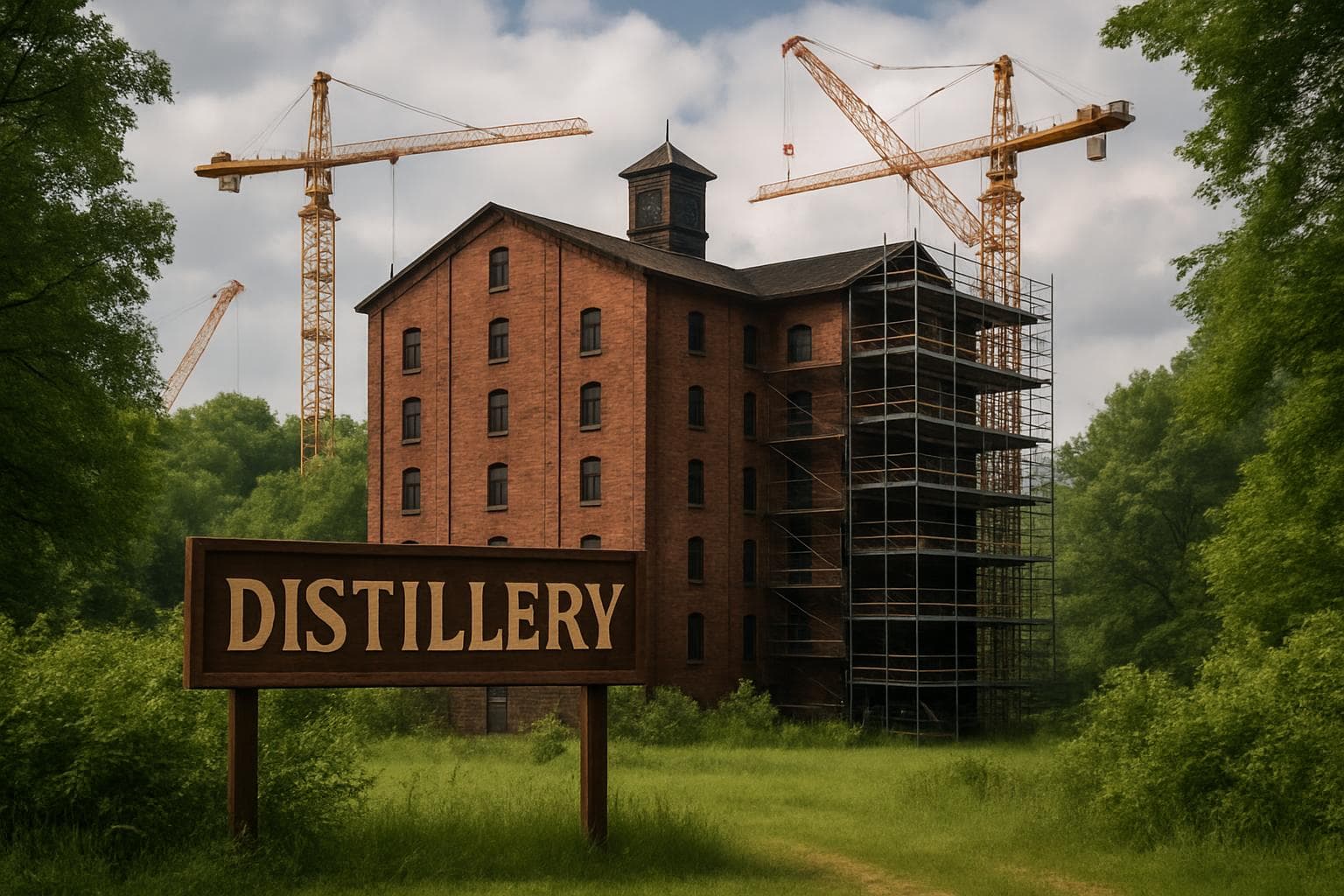
Jim Beam, a leading name in the bourbon industry, has announced a year-long halt in production at its main distillery in Kentucky for 2026. This decision comes as the company plans to invest in significant site enhancements, aiming to better align production with consumer demand. The distillery, located in Clermont, will remain closed, although other operations, including a separate distillery and bottling plants, will continue to function.
Impact of Trade Tariffs and Industry Pressures
The decision to pause production is influenced by broader industry challenges, notably the uncertainty stemming from US trade tariffs. These tariffs, introduced under former President Donald Trump, have affected the spirits industry, leading to retaliatory measures from countries like Canada, which temporarily boycotted American spirits. The Kentucky Distillers' Association (KDA) has highlighted the financial strain on distillers, with a record 16 million barrels of bourbon in storage incurring a hefty $75 million tax burden this year.
Suntory's Strategic Adjustments
Jim Beam's parent company, Suntory Global Spirits, is navigating these challenges while maintaining its workforce. The company, which employs over 1,000 people in Kentucky, is in discussions with the workers' union to manage the workforce during the production halt. Despite the pause, the visitor center in Kentucky will remain open, continuing to attract bourbon enthusiasts.
Global Market Dynamics
Suntory, known for its diverse portfolio including Haku vodka and Sipsmith gin, acquired Jim Beam in 2014 for $16 billion. The acquisition bolstered Suntory's position as a global spirits leader. However, the current trade environment poses significant hurdles. In the UK, for instance, Scotch whisky faces a 10% tariff on exports to the US, costing the sector an estimated £4 million weekly.
WHAT THIS MIGHT MEAN
The production halt at Jim Beam's Kentucky distillery underscores the broader challenges facing the bourbon industry amid fluctuating trade policies and economic pressures. As Suntory Global Spirits navigates these complexities, the company's strategic investments in site enhancements could position it for future growth once trade tensions ease. Industry experts suggest that a resolution to the tariff disputes could rejuvenate international sales and stabilize the market. Meanwhile, the KDA's call for a return to tariff-free trade remains crucial for the industry's long-term sustainability.
Related Articles
China Sets Lowest GDP Growth Target in Decades Amid Economic Challenges

Tech Giants Pledge to Cover AI Data Center Energy Costs Amid Rising Electricity Concerns
Cuba Faces Widespread Blackout Amid Deepening Fuel Crisis

UK Faces Dilemmas Amid Iran Conflict and China Spying Allegations
Senate Blocks Resolution to Limit Trump's Military Actions in Iran
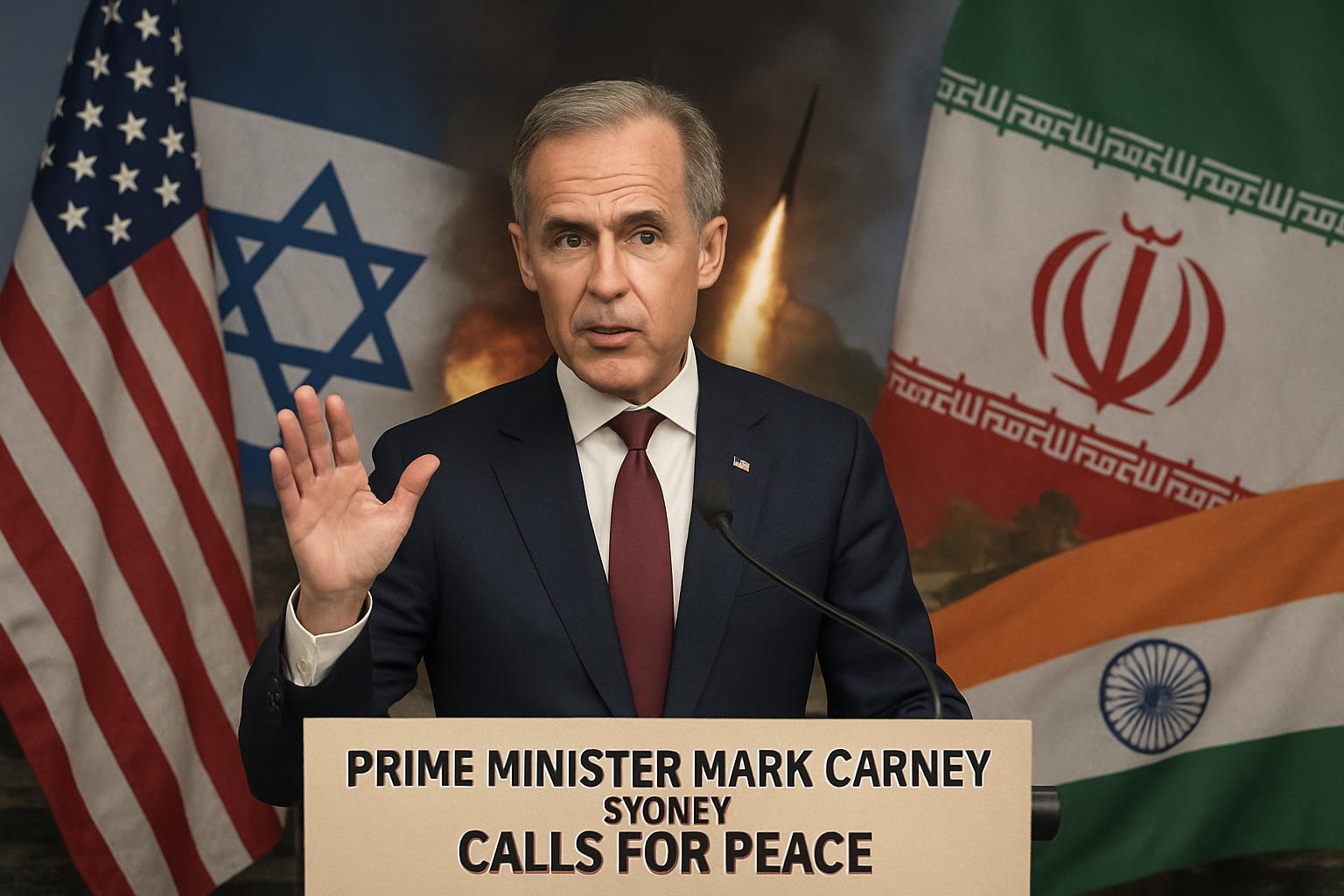
Canada Calls for De-escalation Amid US-Israel Strikes on Iran
Jim Beam to Halt Production at Kentucky Distillery in 2026 Amid Industry Challenges
In This Article
 Daniel Rivera| Published
 HIGHLIGHTS
- Jim Beam will halt production at its main Kentucky distillery throughout 2026 for site enhancements.
- The closure is partly due to US trade tariffs and a record high of over 16 million barrels of bourbon in storage.
- Suntory Global Spirits, Jim Beam's parent company, is assessing workforce utilization during the production pause.
- The Kentucky Distillers' Association reports a $75 million tax burden on bourbon barrels this year.
- Trade tensions, particularly US tariffs, have impacted the spirits industry, affecting sales and international relations.
Jim Beam, a leading name in the bourbon industry, has announced a year-long halt in production at its main distillery in Kentucky for 2026. This decision comes as the company plans to invest in significant site enhancements, aiming to better align production with consumer demand. The distillery, located in Clermont, will remain closed, although other operations, including a separate distillery and bottling plants, will continue to function.
Impact of Trade Tariffs and Industry Pressures
The decision to pause production is influenced by broader industry challenges, notably the uncertainty stemming from US trade tariffs. These tariffs, introduced under former President Donald Trump, have affected the spirits industry, leading to retaliatory measures from countries like Canada, which temporarily boycotted American spirits. The Kentucky Distillers' Association (KDA) has highlighted the financial strain on distillers, with a record 16 million barrels of bourbon in storage incurring a hefty $75 million tax burden this year.
Suntory's Strategic Adjustments
Jim Beam's parent company, Suntory Global Spirits, is navigating these challenges while maintaining its workforce. The company, which employs over 1,000 people in Kentucky, is in discussions with the workers' union to manage the workforce during the production halt. Despite the pause, the visitor center in Kentucky will remain open, continuing to attract bourbon enthusiasts.
Global Market Dynamics
Suntory, known for its diverse portfolio including Haku vodka and Sipsmith gin, acquired Jim Beam in 2014 for $16 billion. The acquisition bolstered Suntory's position as a global spirits leader. However, the current trade environment poses significant hurdles. In the UK, for instance, Scotch whisky faces a 10% tariff on exports to the US, costing the sector an estimated £4 million weekly.
WHAT THIS MIGHT MEAN
The production halt at Jim Beam's Kentucky distillery underscores the broader challenges facing the bourbon industry amid fluctuating trade policies and economic pressures. As Suntory Global Spirits navigates these complexities, the company's strategic investments in site enhancements could position it for future growth once trade tensions ease. Industry experts suggest that a resolution to the tariff disputes could rejuvenate international sales and stabilize the market. Meanwhile, the KDA's call for a return to tariff-free trade remains crucial for the industry's long-term sustainability.
Related Articles
China Sets Lowest GDP Growth Target in Decades Amid Economic Challenges
Tech Giants Pledge to Cover AI Data Center Energy Costs Amid Rising Electricity Concerns
Cuba Faces Widespread Blackout Amid Deepening Fuel Crisis
UK Faces Dilemmas Amid Iran Conflict and China Spying Allegations
Senate Blocks Resolution to Limit Trump's Military Actions in Iran
Canada Calls for De-escalation Amid US-Israel Strikes on Iran