
Judge Halts Deportation of Guatemalan Children Amid Legal Dispute
In This Article
HIGHLIGHTS
- A U.S. judge has temporarily blocked the deportation of nearly 700 unaccompanied Guatemalan children, citing legal concerns.
- Judge Sparkle Sooknanan issued a 14-day restraining order to prevent the deportation, emphasizing the need for clarity in the government's actions.
- The Trump administration claims the children were to be reunited with family in Guatemala, a point contested by immigrant advocacy groups.
- The legal battle highlights conflicting narratives between government officials and children's advocates regarding the deportation plan.
- The situation has prompted emergency legal actions in multiple states, reflecting widespread concern over the policy's implications.
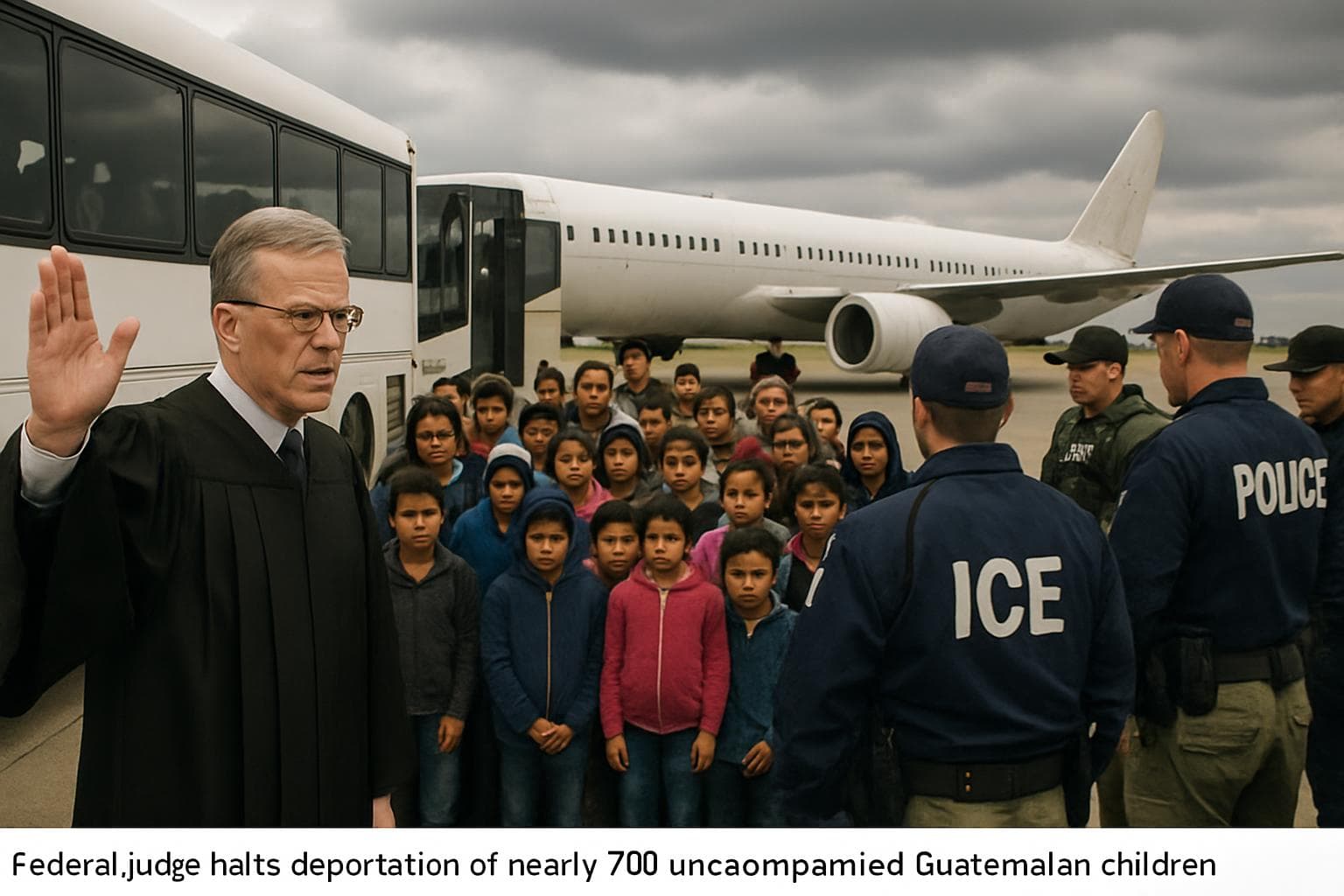
In a significant legal development, a U.S. federal judge has temporarily halted the deportation of nearly 700 unaccompanied Guatemalan children, challenging a controversial move by the Trump administration. The decision, issued by District Court Judge Sparkle Sooknanan, comes amid growing concerns over the legal and humanitarian implications of the deportation plan.
Legal Intervention and Temporary Restraining Order
On Sunday, Judge Sooknanan responded to urgent appeals from immigrant advocacy groups by issuing a 14-day restraining order. This order prevents the deportation of Guatemalan minors who arrived in the U.S. without their parents or guardians. The judge emphasized the need for clarity, stating, "I do not want there to be any ambiguity," as she ensured government officials were aware of her ruling.
The Trump administration had planned to deport the children under the guise of family reunification, a claim disputed by the children's lawyers. Deputy Assistant Attorney General Drew Ensign argued that the flights were intended to reunite the children with their families in Guatemala, a point contested by advocacy groups who argue that some children face credible fears of persecution if returned.
Conflicting Narratives and Broader Legal Implications
The legal proceedings have exposed conflicting narratives between government officials and children's advocates. Judge Sooknanan noted discrepancies in the accounts presented by both sides, highlighting the complexity of the situation. The case has sparked similar emergency legal actions in other states, including Arizona and Illinois, underscoring the widespread concern over the administration's immigration policy.
At a border-area airport in Harlingen, Texas, the scene was tense as buses carrying migrants arrived, and federal agents prepared for potential departures. However, by Sunday evening, government lawyers confirmed that the children had been removed from the planes and returned to the custody of the Office of Refugee Resettlement.
Political and Humanitarian Reactions
The decision has drawn criticism from both sides of the political spectrum. Guatemalan President Bernardo Arevalo expressed disappointment, vowing to continue efforts to bring the children home. Meanwhile, White House immigration advisor Stephen Miller criticized the judge's intervention, arguing that it obstructs family reunification efforts.
Efrén C. Olivares of the National Immigration Law Center praised the court's decision, stating, "We are heartened the court prevented this injustice from occurring before hundreds of children suffered irreparable harm."
WHAT THIS MIGHT MEAN
The temporary restraining order sets the stage for a protracted legal battle that could have significant implications for U.S. immigration policy. If the court ultimately rules against the Trump administration, it may prompt a reevaluation of policies concerning unaccompanied minors and their rights under federal law. Conversely, a decision in favor of the administration could embolden further deportation efforts, potentially affecting thousands of children.
Experts suggest that the case could influence future immigration reform discussions, particularly regarding the treatment of unaccompanied minors. As the legal process unfolds, the situation remains fluid, with potential ramifications for U.S.-Guatemala relations and the broader international community's response to immigration challenges.
Related Articles
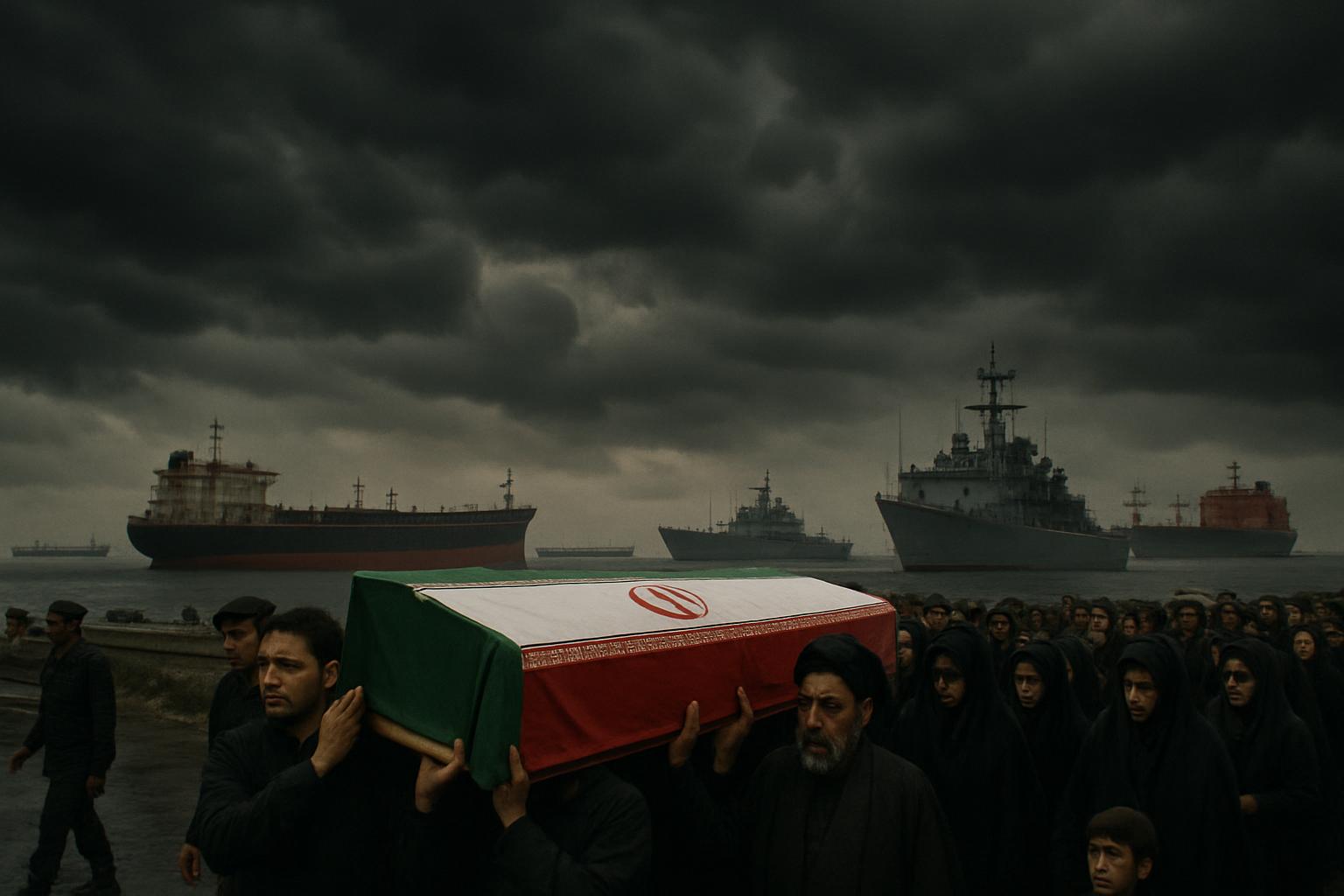
Iran Postpones Khamenei Funeral Amid Escalating US-Israeli Strikes

US-Iran Tensions Escalate Amid Renewed Nuclear Talks and Protests
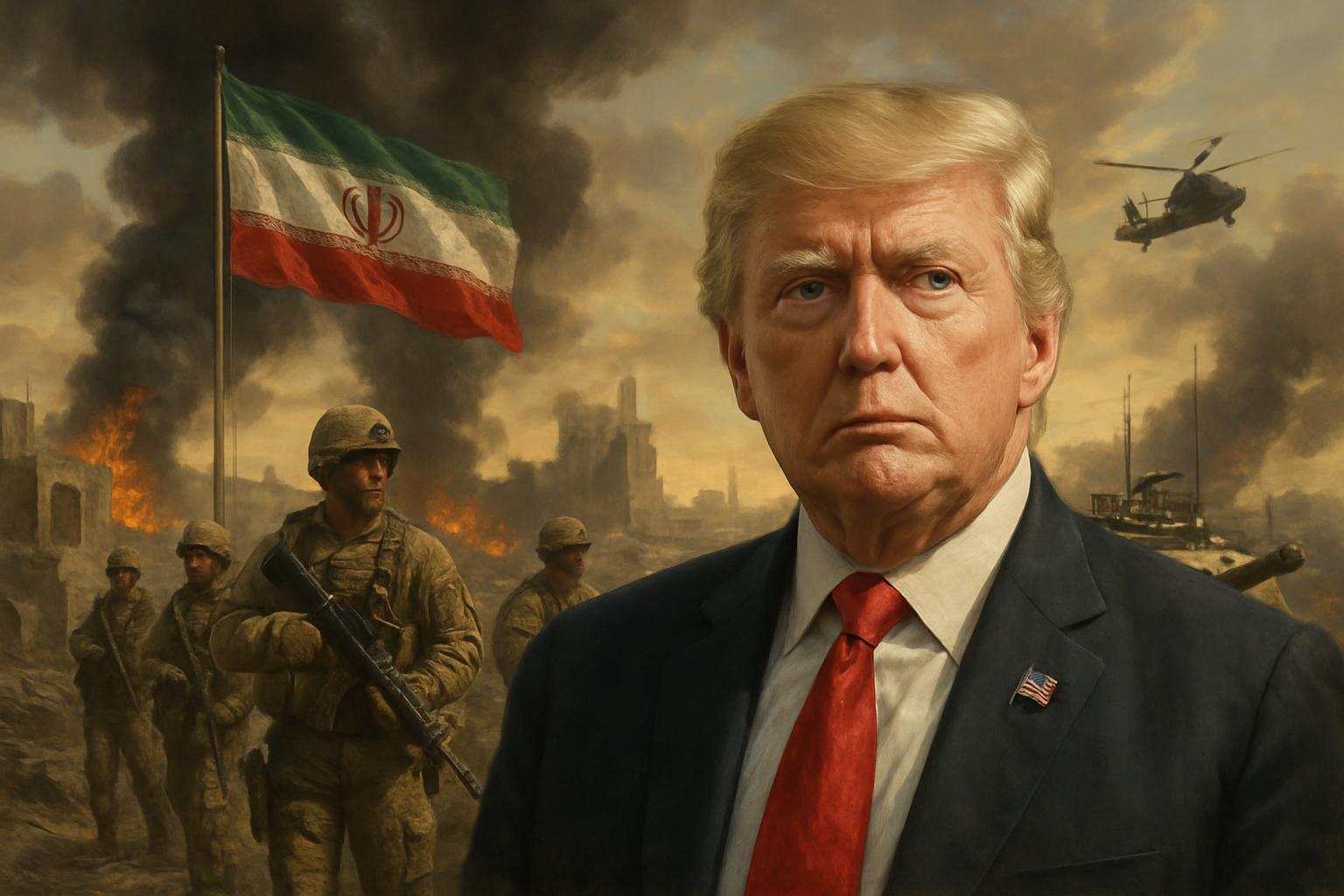
Rising Tensions: Trump's Dual Approach to Iran's Nuclear Challenge
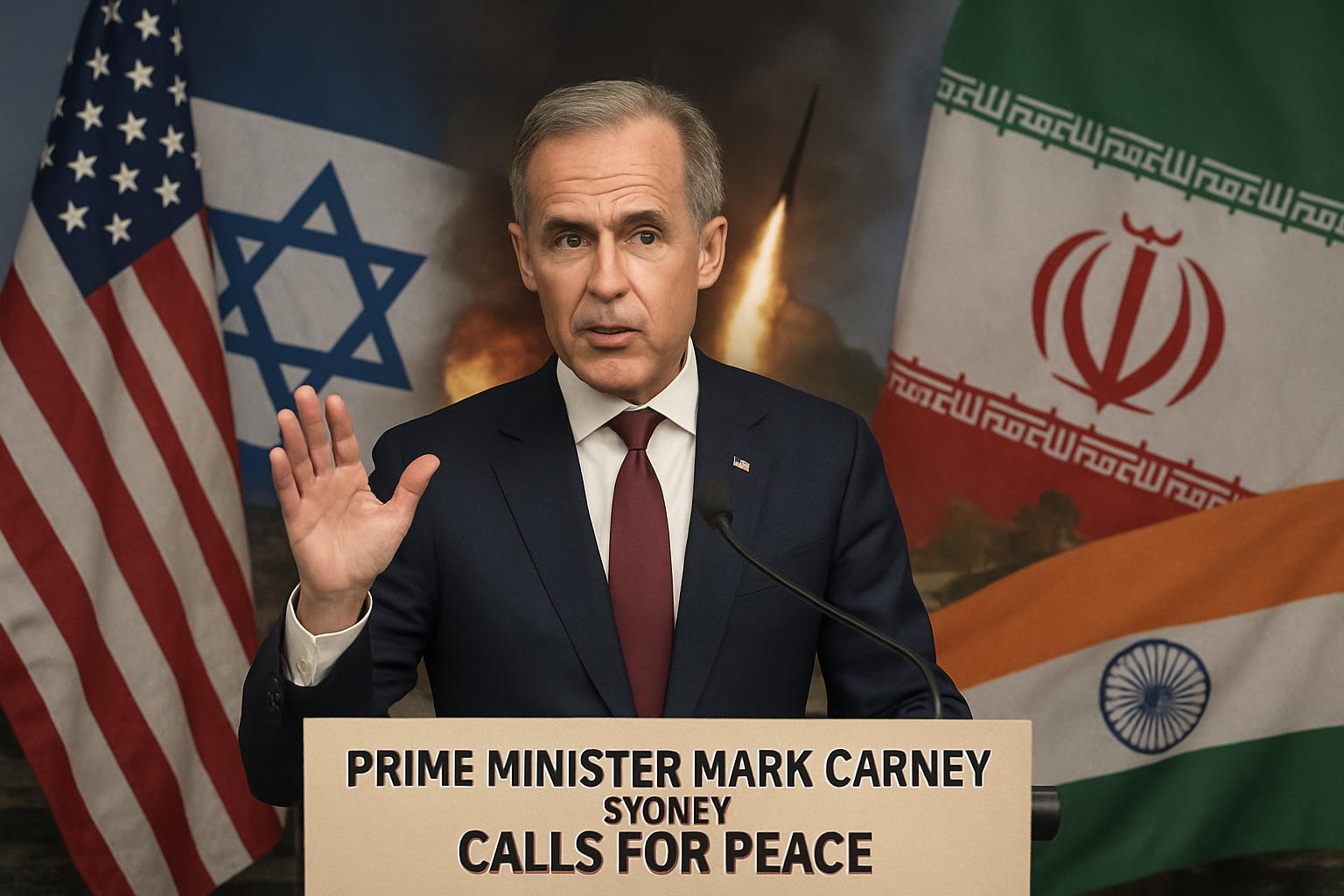
Canada Calls for De-escalation Amid US-Israel Strikes on Iran
Iranian Students Lead Major Protests Amid Rising US-Iran Tensions
Israeli Airstrikes in Lebanon's Bekaa Valley Leave 10 Dead Amid Rising Tensions
Judge Halts Deportation of Guatemalan Children Amid Legal Dispute
In This Article
 Ethan Brooks| Published
 HIGHLIGHTS
- A U.S. judge has temporarily blocked the deportation of nearly 700 unaccompanied Guatemalan children, citing legal concerns.
- Judge Sparkle Sooknanan issued a 14-day restraining order to prevent the deportation, emphasizing the need for clarity in the government's actions.
- The Trump administration claims the children were to be reunited with family in Guatemala, a point contested by immigrant advocacy groups.
- The legal battle highlights conflicting narratives between government officials and children's advocates regarding the deportation plan.
- The situation has prompted emergency legal actions in multiple states, reflecting widespread concern over the policy's implications.
In a significant legal development, a U.S. federal judge has temporarily halted the deportation of nearly 700 unaccompanied Guatemalan children, challenging a controversial move by the Trump administration. The decision, issued by District Court Judge Sparkle Sooknanan, comes amid growing concerns over the legal and humanitarian implications of the deportation plan.
Legal Intervention and Temporary Restraining Order
On Sunday, Judge Sooknanan responded to urgent appeals from immigrant advocacy groups by issuing a 14-day restraining order. This order prevents the deportation of Guatemalan minors who arrived in the U.S. without their parents or guardians. The judge emphasized the need for clarity, stating, "I do not want there to be any ambiguity," as she ensured government officials were aware of her ruling.
The Trump administration had planned to deport the children under the guise of family reunification, a claim disputed by the children's lawyers. Deputy Assistant Attorney General Drew Ensign argued that the flights were intended to reunite the children with their families in Guatemala, a point contested by advocacy groups who argue that some children face credible fears of persecution if returned.
Conflicting Narratives and Broader Legal Implications
The legal proceedings have exposed conflicting narratives between government officials and children's advocates. Judge Sooknanan noted discrepancies in the accounts presented by both sides, highlighting the complexity of the situation. The case has sparked similar emergency legal actions in other states, including Arizona and Illinois, underscoring the widespread concern over the administration's immigration policy.
At a border-area airport in Harlingen, Texas, the scene was tense as buses carrying migrants arrived, and federal agents prepared for potential departures. However, by Sunday evening, government lawyers confirmed that the children had been removed from the planes and returned to the custody of the Office of Refugee Resettlement.
Political and Humanitarian Reactions
The decision has drawn criticism from both sides of the political spectrum. Guatemalan President Bernardo Arevalo expressed disappointment, vowing to continue efforts to bring the children home. Meanwhile, White House immigration advisor Stephen Miller criticized the judge's intervention, arguing that it obstructs family reunification efforts.
Efrén C. Olivares of the National Immigration Law Center praised the court's decision, stating, "We are heartened the court prevented this injustice from occurring before hundreds of children suffered irreparable harm."
WHAT THIS MIGHT MEAN
The temporary restraining order sets the stage for a protracted legal battle that could have significant implications for U.S. immigration policy. If the court ultimately rules against the Trump administration, it may prompt a reevaluation of policies concerning unaccompanied minors and their rights under federal law. Conversely, a decision in favor of the administration could embolden further deportation efforts, potentially affecting thousands of children.
Experts suggest that the case could influence future immigration reform discussions, particularly regarding the treatment of unaccompanied minors. As the legal process unfolds, the situation remains fluid, with potential ramifications for U.S.-Guatemala relations and the broader international community's response to immigration challenges.
Related Articles
Iran Postpones Khamenei Funeral Amid Escalating US-Israeli Strikes
US-Iran Tensions Escalate Amid Renewed Nuclear Talks and Protests
Rising Tensions: Trump's Dual Approach to Iran's Nuclear Challenge
Canada Calls for De-escalation Amid US-Israel Strikes on Iran
Iranian Students Lead Major Protests Amid Rising US-Iran Tensions
Israeli Airstrikes in Lebanon's Bekaa Valley Leave 10 Dead Amid Rising Tensions