
Judges Replace Trump-Appointed Prosecutor in New Jersey Amid Political Tensions
In This Article
HIGHLIGHTS
- Alina Habba, a Trump-appointed interim US attorney for New Jersey, was replaced by judges as her 120-day term ended.
- Judges appointed Desiree Leigh Grace, a career prosecutor, as Habba's successor, sparking political tensions.
- Attorney General Pam Bondi criticized the judges' decision, citing threats to Trump's Article II powers.
- Habba faced opposition from New Jersey Democrats for alleged politically motivated prosecutions.
- The decision reflects ongoing tensions between the judiciary and the Trump administration over judicial independence.
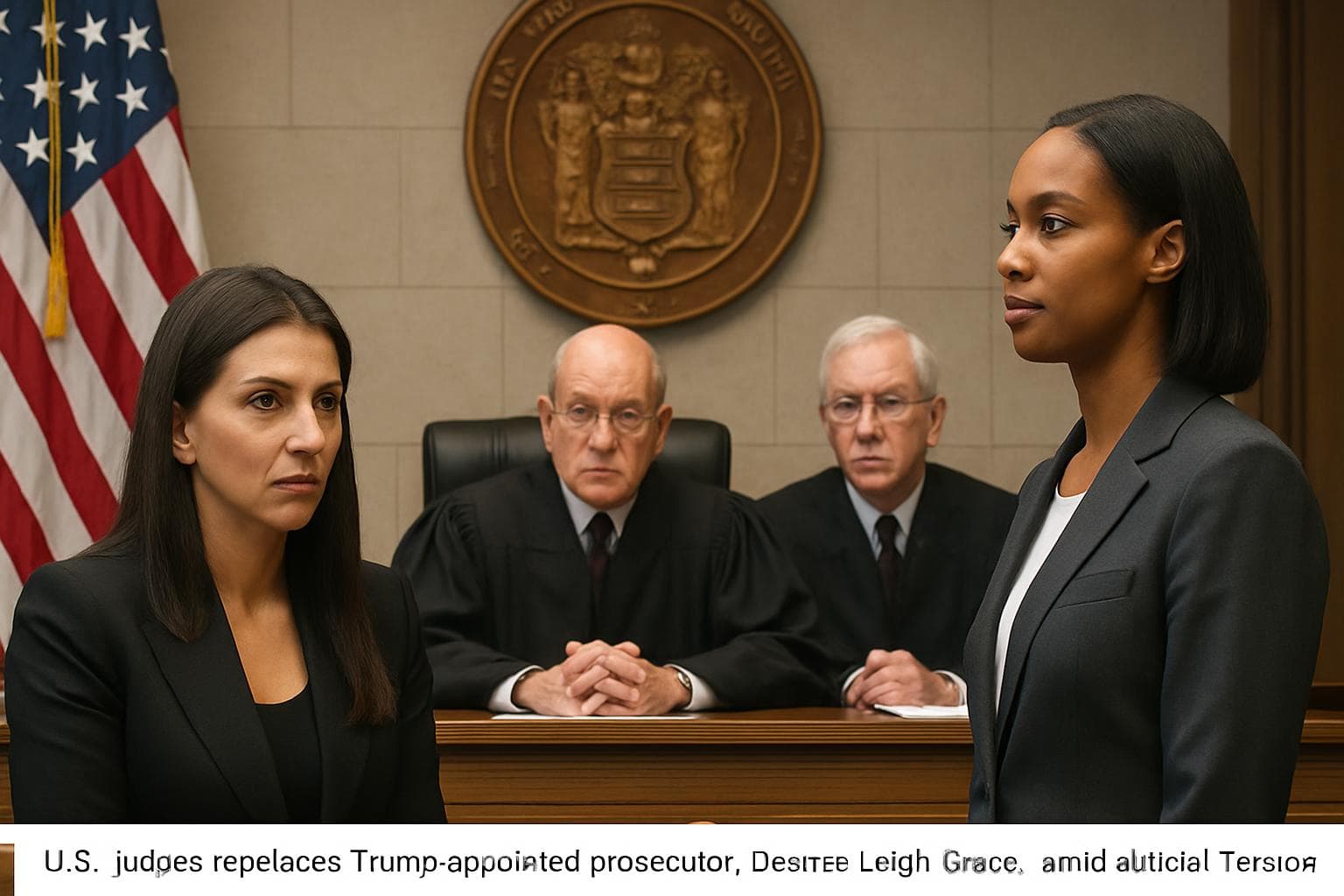
In a significant judicial decision, a panel of US judges has voted to replace Alina Habba, a Trump-appointed interim US attorney for New Jersey, with her deputy, Desiree Leigh Grace. This decision, made as Habba's 120-day interim term concluded, has sparked a political clash between the judiciary and the Trump administration.
Judicial Decision and Political Reactions
Alina Habba, who previously served as Donald Trump's personal attorney, was appointed as New Jersey's top federal prosecutor in March. However, her lack of prosecutorial experience and her controversial legal actions against Democratic figures in the state drew criticism. As her interim term ended, judges opted not to confirm her permanently, instead appointing Desiree Leigh Grace, a seasoned prosecutor, to the role.
The decision was met with swift backlash from the Trump administration. Attorney General Pam Bondi accused the judges of undermining the President's Article II powers, a reference to the constitutional authority of the executive branch. Bondi's comments underscore the administration's view that the judiciary's actions were politically motivated.
Democratic Opposition and Legal Controversies
Habba's tenure was marked by legal actions that inflamed tensions with New Jersey Democrats. She faced criticism for pursuing what were described as politically motivated prosecutions, including charges against Newark's mayor and a state representative, which were later dropped. New Jersey Senators Cory Booker and Andy Kim condemned her actions, arguing that she degraded the office and failed to meet the standards required for the role.
Implications for Judicial Independence
The replacement of Habba with Grace, who has been with the US attorney's office since 2016, highlights ongoing debates over judicial independence and the politicization of legal appointments. The decision also comes amid broader discussions about the Senate's "blue slip" tradition, which affects judicial nominations.
WHAT THIS MIGHT MEAN
The replacement of Alina Habba as New Jersey's interim US attorney could have significant implications for the balance of power between the judiciary and the executive branch. If the Trump administration continues to challenge judicial decisions, it may lead to further political and legal confrontations. Additionally, the controversy surrounding Habba's tenure may influence future judicial appointments and the criteria used to evaluate candidates' qualifications. As the situation unfolds, it will be crucial to monitor how these developments impact judicial independence and the broader political landscape.
Related Articles
Senate Blocks Resolution to Limit Trump's Military Actions in Iran
Spain's Sánchez Stands Firm Against Trump's Trade Threat Over Iran Stance

Trump's New Tariff Strategy Sparks Global Trade Uncertainty

US-Iran Tensions Escalate Amid Renewed Nuclear Talks and Protests

Greenland Politely Declines Trump's Hospital Ship Offer Amid Healthcare Debate

Tech Giants Pledge to Cover AI Data Center Energy Costs Amid Rising Electricity Concerns
Judges Replace Trump-Appointed Prosecutor in New Jersey Amid Political Tensions
In This Article
 Ethan Brooks| Published
 HIGHLIGHTS
- Alina Habba, a Trump-appointed interim US attorney for New Jersey, was replaced by judges as her 120-day term ended.
- Judges appointed Desiree Leigh Grace, a career prosecutor, as Habba's successor, sparking political tensions.
- Attorney General Pam Bondi criticized the judges' decision, citing threats to Trump's Article II powers.
- Habba faced opposition from New Jersey Democrats for alleged politically motivated prosecutions.
- The decision reflects ongoing tensions between the judiciary and the Trump administration over judicial independence.
In a significant judicial decision, a panel of US judges has voted to replace Alina Habba, a Trump-appointed interim US attorney for New Jersey, with her deputy, Desiree Leigh Grace. This decision, made as Habba's 120-day interim term concluded, has sparked a political clash between the judiciary and the Trump administration.
Judicial Decision and Political Reactions
Alina Habba, who previously served as Donald Trump's personal attorney, was appointed as New Jersey's top federal prosecutor in March. However, her lack of prosecutorial experience and her controversial legal actions against Democratic figures in the state drew criticism. As her interim term ended, judges opted not to confirm her permanently, instead appointing Desiree Leigh Grace, a seasoned prosecutor, to the role.
The decision was met with swift backlash from the Trump administration. Attorney General Pam Bondi accused the judges of undermining the President's Article II powers, a reference to the constitutional authority of the executive branch. Bondi's comments underscore the administration's view that the judiciary's actions were politically motivated.
Democratic Opposition and Legal Controversies
Habba's tenure was marked by legal actions that inflamed tensions with New Jersey Democrats. She faced criticism for pursuing what were described as politically motivated prosecutions, including charges against Newark's mayor and a state representative, which were later dropped. New Jersey Senators Cory Booker and Andy Kim condemned her actions, arguing that she degraded the office and failed to meet the standards required for the role.
Implications for Judicial Independence
The replacement of Habba with Grace, who has been with the US attorney's office since 2016, highlights ongoing debates over judicial independence and the politicization of legal appointments. The decision also comes amid broader discussions about the Senate's "blue slip" tradition, which affects judicial nominations.
WHAT THIS MIGHT MEAN
The replacement of Alina Habba as New Jersey's interim US attorney could have significant implications for the balance of power between the judiciary and the executive branch. If the Trump administration continues to challenge judicial decisions, it may lead to further political and legal confrontations. Additionally, the controversy surrounding Habba's tenure may influence future judicial appointments and the criteria used to evaluate candidates' qualifications. As the situation unfolds, it will be crucial to monitor how these developments impact judicial independence and the broader political landscape.
Related Articles
Senate Blocks Resolution to Limit Trump's Military Actions in Iran
Spain's Sánchez Stands Firm Against Trump's Trade Threat Over Iran Stance
Trump's New Tariff Strategy Sparks Global Trade Uncertainty
US-Iran Tensions Escalate Amid Renewed Nuclear Talks and Protests
Greenland Politely Declines Trump's Hospital Ship Offer Amid Healthcare Debate
Tech Giants Pledge to Cover AI Data Center Energy Costs Amid Rising Electricity Concerns