
Kamala Harris Declines California Governor Bid, Shifts Focus to New Endeavors
In This Article
HIGHLIGHTS
- Kamala Harris announced she will not run for California governor, ending speculation about her political future.
- Harris, a former vice-president and 2024 presidential nominee, lost to Donald Trump in the recent election.
- Her decision leaves the California governor race open, with Gavin Newsom completing his final term.
- Harris plans to focus on non-elected roles, possibly starting a non-profit or leading a think tank.
- The Democratic Party faces internal challenges, with calls for fresh leadership and new strategies.
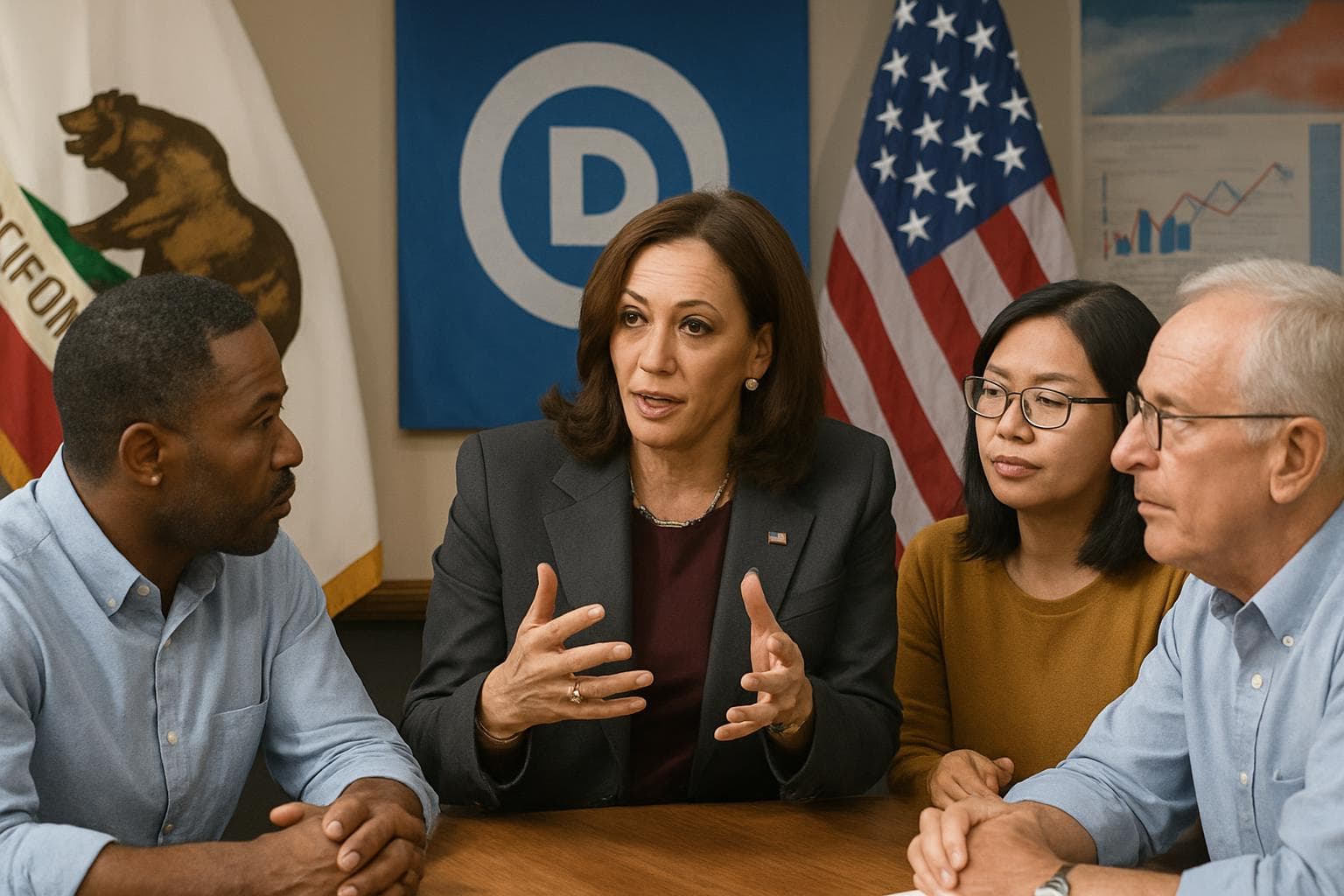
Kamala Harris, the former vice-president and recent Democratic presidential nominee, has announced she will not pursue a gubernatorial bid in California. This decision, revealed on Wednesday, concludes months of speculation about her political trajectory following her defeat to Donald Trump in the 2024 presidential election.
In a statement shared on social media, Harris, 60, expressed her intention to step back from elected office for the time being. "For now, my leadership – and public service – will not be in elected office," she stated, adding that she looks forward to engaging with the American public and supporting Democratic candidates nationwide. Harris, who previously served as California's attorney general and a U.S. senator, emphasized her commitment to exploring new methods and fresh thinking within the Democratic Party.
California's Political Landscape
Harris's decision leaves the race to succeed Governor Gavin Newsom, who is completing his second and final term, wide open. Newsom, a fellow Democrat, is rumored to have his own presidential aspirations, further complicating the political dynamics in California. The state's primaries are set for June 2026, with the general election following in November. Given California's status as a Democratic stronghold, the party's nominee is expected to secure the governorship.
Harris's Future Plans
While Harris has ruled out a gubernatorial run, she has not closed the door on future political endeavors, including a potential third presidential bid in 2028. According to sources close to her, Harris is considering starting a non-profit or leading a policy think tank. Her allies believe she will remain a significant figure in Democratic circles, serving as a surrogate and fundraiser ahead of the 2026 midterms.
California Congresswoman Sydney Kamlager-Dove noted Harris's appeal to younger voters, citing her energy and authenticity as key factors in her continued influence. "I think we can expect her to continue to invigorate the younger generation," Kamlager-Dove remarked.
Democratic Party Challenges
Harris's decision comes at a time of introspection for the Democratic Party, which has been grappling with internal discontent following her loss to Trump. The party's base is increasingly vocal about the need for fresh leadership and a more assertive stance against what they perceive as Trump's authoritarian tendencies. Harris acknowledged these challenges, stating, "We must recognize that our politics, our government, and our institutions have too often failed the American people."
WHAT THIS MIGHT MEAN
With Kamala Harris stepping back from the California governor race, the field is now open for other Democratic contenders to emerge. This development could lead to a competitive primary as candidates vie for the opportunity to lead the nation's most populous state. Harris's decision to focus on non-elected roles may allow her to influence the Democratic Party's direction from outside traditional political structures, potentially shaping policy and strategy in the lead-up to the 2028 presidential election.
The Democratic Party's internal struggles, highlighted by Harris's remarks, suggest a period of transformation as it seeks to address the demands of its base for new leadership and innovative approaches. This evolving political landscape could have significant implications for both state and national politics in the coming years.
Related Articles
Congress Subpoenas Attorney General Bondi in Epstein Investigation
James Talarico Secures Democratic Nomination in Texas Senate Race Amidst Republican Runoff
Cuba Faces Widespread Blackout Amid Deepening Fuel Crisis

UK Faces Dilemmas Amid Iran Conflict and China Spying Allegations
Senate Blocks Resolution to Limit Trump's Military Actions in Iran
China Sets Lowest GDP Growth Target in Decades Amid Economic Challenges
Kamala Harris Declines California Governor Bid, Shifts Focus to New Endeavors
In This Article
 Alex Carter| Published
 HIGHLIGHTS
- Kamala Harris announced she will not run for California governor, ending speculation about her political future.
- Harris, a former vice-president and 2024 presidential nominee, lost to Donald Trump in the recent election.
- Her decision leaves the California governor race open, with Gavin Newsom completing his final term.
- Harris plans to focus on non-elected roles, possibly starting a non-profit or leading a think tank.
- The Democratic Party faces internal challenges, with calls for fresh leadership and new strategies.
Kamala Harris, the former vice-president and recent Democratic presidential nominee, has announced she will not pursue a gubernatorial bid in California. This decision, revealed on Wednesday, concludes months of speculation about her political trajectory following her defeat to Donald Trump in the 2024 presidential election.
In a statement shared on social media, Harris, 60, expressed her intention to step back from elected office for the time being. "For now, my leadership – and public service – will not be in elected office," she stated, adding that she looks forward to engaging with the American public and supporting Democratic candidates nationwide. Harris, who previously served as California's attorney general and a U.S. senator, emphasized her commitment to exploring new methods and fresh thinking within the Democratic Party.
California's Political Landscape
Harris's decision leaves the race to succeed Governor Gavin Newsom, who is completing his second and final term, wide open. Newsom, a fellow Democrat, is rumored to have his own presidential aspirations, further complicating the political dynamics in California. The state's primaries are set for June 2026, with the general election following in November. Given California's status as a Democratic stronghold, the party's nominee is expected to secure the governorship.
Harris's Future Plans
While Harris has ruled out a gubernatorial run, she has not closed the door on future political endeavors, including a potential third presidential bid in 2028. According to sources close to her, Harris is considering starting a non-profit or leading a policy think tank. Her allies believe she will remain a significant figure in Democratic circles, serving as a surrogate and fundraiser ahead of the 2026 midterms.
California Congresswoman Sydney Kamlager-Dove noted Harris's appeal to younger voters, citing her energy and authenticity as key factors in her continued influence. "I think we can expect her to continue to invigorate the younger generation," Kamlager-Dove remarked.
Democratic Party Challenges
Harris's decision comes at a time of introspection for the Democratic Party, which has been grappling with internal discontent following her loss to Trump. The party's base is increasingly vocal about the need for fresh leadership and a more assertive stance against what they perceive as Trump's authoritarian tendencies. Harris acknowledged these challenges, stating, "We must recognize that our politics, our government, and our institutions have too often failed the American people."
WHAT THIS MIGHT MEAN
With Kamala Harris stepping back from the California governor race, the field is now open for other Democratic contenders to emerge. This development could lead to a competitive primary as candidates vie for the opportunity to lead the nation's most populous state. Harris's decision to focus on non-elected roles may allow her to influence the Democratic Party's direction from outside traditional political structures, potentially shaping policy and strategy in the lead-up to the 2028 presidential election.
The Democratic Party's internal struggles, highlighted by Harris's remarks, suggest a period of transformation as it seeks to address the demands of its base for new leadership and innovative approaches. This evolving political landscape could have significant implications for both state and national politics in the coming years.
Related Articles
Congress Subpoenas Attorney General Bondi in Epstein Investigation
James Talarico Secures Democratic Nomination in Texas Senate Race Amidst Republican Runoff
Cuba Faces Widespread Blackout Amid Deepening Fuel Crisis
UK Faces Dilemmas Amid Iran Conflict and China Spying Allegations
Senate Blocks Resolution to Limit Trump's Military Actions in Iran
China Sets Lowest GDP Growth Target in Decades Amid Economic Challenges