
Iran's Supreme Leader Reemerges Amidst Tensions Following Israel Conflict
In This Article
HIGHLIGHTS
- Iran's Supreme Leader Ayatollah Ali Khamenei made his first public appearance since the 12-day conflict with Israel, during a religious ceremony in Tehran.
- The conflict, which began on June 13, involved Israeli airstrikes on Iranian nuclear sites and resulted in over 900 Iranian casualties.
- The US joined the conflict on June 22, targeting three Iranian nuclear facilities with 125 military aircraft.
- Despite claims of obliterated nuclear capabilities, the International Atomic Energy Agency suggests Iran could resume uranium enrichment within months.
- Khamenei's appearance coincides with the Shia festival of Ashura, a significant period of mourning in Iran.
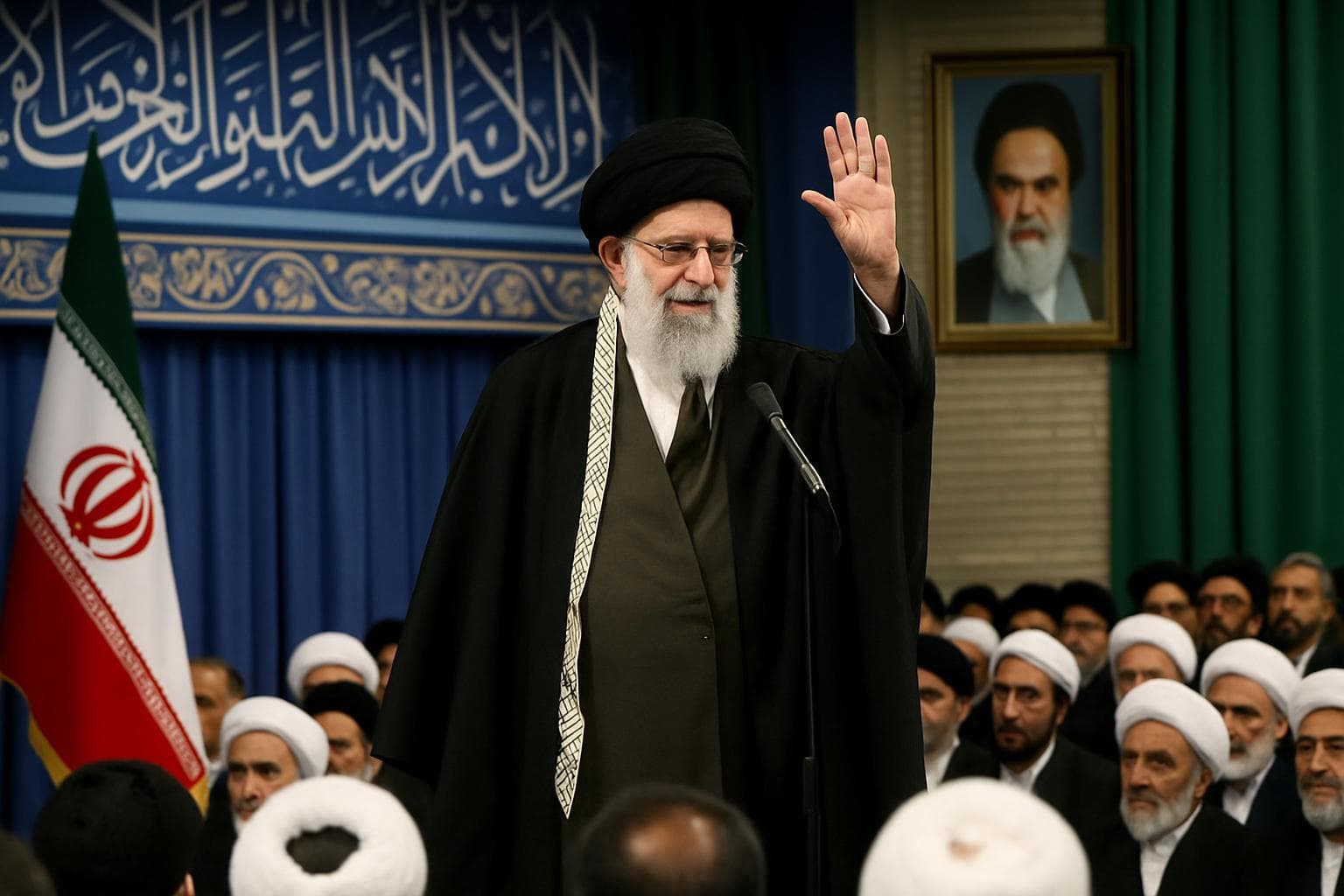
Iran's Supreme Leader Ayatollah Ali Khamenei has made his first public appearance since the recent 12-day conflict with Israel, state media reported. The octogenarian leader was seen at a religious ceremony in Tehran, marking the anniversary of the martyrdom of Imam Hussein, a pivotal event for Shia Muslims. This public appearance comes after weeks of speculation about his whereabouts during the conflict, which began on June 13 with surprise Israeli airstrikes on Iranian nuclear and military sites.
A Conflict with Far-Reaching Implications
The conflict, which saw over 900 Iranian casualties according to Iran's judiciary, was marked by intense military exchanges. Israel's bombing campaign aimed to thwart Iran's alleged nuclear ambitions, a claim Tehran has consistently denied. In retaliation, Iran launched missile barrages targeting Israeli cities, resulting in at least 28 Israeli deaths.
On June 22, the United States entered the fray, deploying 125 military aircraft to strike three key Iranian nuclear facilities: Fordo, Natanz, and Isfahan. Former US President Donald Trump claimed these strikes had "obliterated" Iran's nuclear capabilities, a statement met with skepticism by international observers.
Nuclear Capabilities Under Scrutiny
Despite the damage inflicted, the International Atomic Energy Agency (IAEA) suggests that Iran's nuclear program could be back on track within months. Rafael Grossi, the IAEA's director general, noted that while the strikes caused significant damage, they did not completely dismantle Iran's nuclear infrastructure. This assessment aligns with a preliminary US intelligence report, which estimates Iran could resume uranium enrichment in one to two months.
A Symbolic Return Amidst Ashura
Khamenei's reappearance coincides with the Shia festival of Ashura, a time of mourning for the death of Prophet Muhammad's grandson, Hossein. The ceremony, held at Tehran's Imam Khomeini Mosque, saw Khamenei greeted by enthusiastic supporters, underscoring his enduring influence in the predominantly Shia nation. State media broadcasted footage of the leader encouraging patriotic chants, reinforcing national unity in the wake of the conflict.
WHAT THIS MIGHT MEAN
The recent conflict between Iran and Israel, compounded by US involvement, has heightened tensions in the region, with potential implications for future diplomatic relations. The IAEA's assessment that Iran could resume its nuclear activities within months raises concerns about a renewed nuclear arms race in the Middle East. As Iran navigates the aftermath of the conflict, Khamenei's public reemergence may signal a strategic effort to consolidate power and rally national support. The international community will be closely monitoring Iran's next moves, particularly regarding its nuclear program and regional alliances.
Related Articles
Intensified US-Israel Strikes on Iran Spark Global Outcry
Senate Blocks Resolution to Limit Trump's Military Actions in Iran
Iran Postpones Khamenei Funeral Amid Escalating US-Israeli Strikes

UK Faces Dilemmas Amid Iran Conflict and China Spying Allegations
US and Israel Intensify Military Campaign as Iran's Capabilities Dwindle
Spain's Sánchez Stands Firm Against Trump's Trade Threat Over Iran Stance
Iran's Supreme Leader Reemerges Amidst Tensions Following Israel Conflict
In This Article
 Ethan Brooks| Published
 HIGHLIGHTS
- Iran's Supreme Leader Ayatollah Ali Khamenei made his first public appearance since the 12-day conflict with Israel, during a religious ceremony in Tehran.
- The conflict, which began on June 13, involved Israeli airstrikes on Iranian nuclear sites and resulted in over 900 Iranian casualties.
- The US joined the conflict on June 22, targeting three Iranian nuclear facilities with 125 military aircraft.
- Despite claims of obliterated nuclear capabilities, the International Atomic Energy Agency suggests Iran could resume uranium enrichment within months.
- Khamenei's appearance coincides with the Shia festival of Ashura, a significant period of mourning in Iran.
Iran's Supreme Leader Ayatollah Ali Khamenei has made his first public appearance since the recent 12-day conflict with Israel, state media reported. The octogenarian leader was seen at a religious ceremony in Tehran, marking the anniversary of the martyrdom of Imam Hussein, a pivotal event for Shia Muslims. This public appearance comes after weeks of speculation about his whereabouts during the conflict, which began on June 13 with surprise Israeli airstrikes on Iranian nuclear and military sites.
A Conflict with Far-Reaching Implications
The conflict, which saw over 900 Iranian casualties according to Iran's judiciary, was marked by intense military exchanges. Israel's bombing campaign aimed to thwart Iran's alleged nuclear ambitions, a claim Tehran has consistently denied. In retaliation, Iran launched missile barrages targeting Israeli cities, resulting in at least 28 Israeli deaths.
On June 22, the United States entered the fray, deploying 125 military aircraft to strike three key Iranian nuclear facilities: Fordo, Natanz, and Isfahan. Former US President Donald Trump claimed these strikes had "obliterated" Iran's nuclear capabilities, a statement met with skepticism by international observers.
Nuclear Capabilities Under Scrutiny
Despite the damage inflicted, the International Atomic Energy Agency (IAEA) suggests that Iran's nuclear program could be back on track within months. Rafael Grossi, the IAEA's director general, noted that while the strikes caused significant damage, they did not completely dismantle Iran's nuclear infrastructure. This assessment aligns with a preliminary US intelligence report, which estimates Iran could resume uranium enrichment in one to two months.
A Symbolic Return Amidst Ashura
Khamenei's reappearance coincides with the Shia festival of Ashura, a time of mourning for the death of Prophet Muhammad's grandson, Hossein. The ceremony, held at Tehran's Imam Khomeini Mosque, saw Khamenei greeted by enthusiastic supporters, underscoring his enduring influence in the predominantly Shia nation. State media broadcasted footage of the leader encouraging patriotic chants, reinforcing national unity in the wake of the conflict.
WHAT THIS MIGHT MEAN
The recent conflict between Iran and Israel, compounded by US involvement, has heightened tensions in the region, with potential implications for future diplomatic relations. The IAEA's assessment that Iran could resume its nuclear activities within months raises concerns about a renewed nuclear arms race in the Middle East. As Iran navigates the aftermath of the conflict, Khamenei's public reemergence may signal a strategic effort to consolidate power and rally national support. The international community will be closely monitoring Iran's next moves, particularly regarding its nuclear program and regional alliances.
Related Articles
Intensified US-Israel Strikes on Iran Spark Global Outcry
Senate Blocks Resolution to Limit Trump's Military Actions in Iran
Iran Postpones Khamenei Funeral Amid Escalating US-Israeli Strikes
UK Faces Dilemmas Amid Iran Conflict and China Spying Allegations
US and Israel Intensify Military Campaign as Iran's Capabilities Dwindle
Spain's Sánchez Stands Firm Against Trump's Trade Threat Over Iran Stance