
Historic Kiruna Church Begins Landmark Relocation Amid Mining Expansion
In This Article
HIGHLIGHTS
- Kiruna Church, a 113-year-old landmark, is being relocated 5km due to ground subsidence from mining activities.
- The move is part of a larger relocation of Kiruna, funded by LKAB, costing over 10bn Swedish krona.
- The relocation has sparked criticism from the Sámi community, concerned about cultural and environmental impacts.
- The church's move is a significant engineering feat, involving rolling platforms and widened roads.
- The entire town's relocation is expected to be completed by 2035, with the church reopening next year.
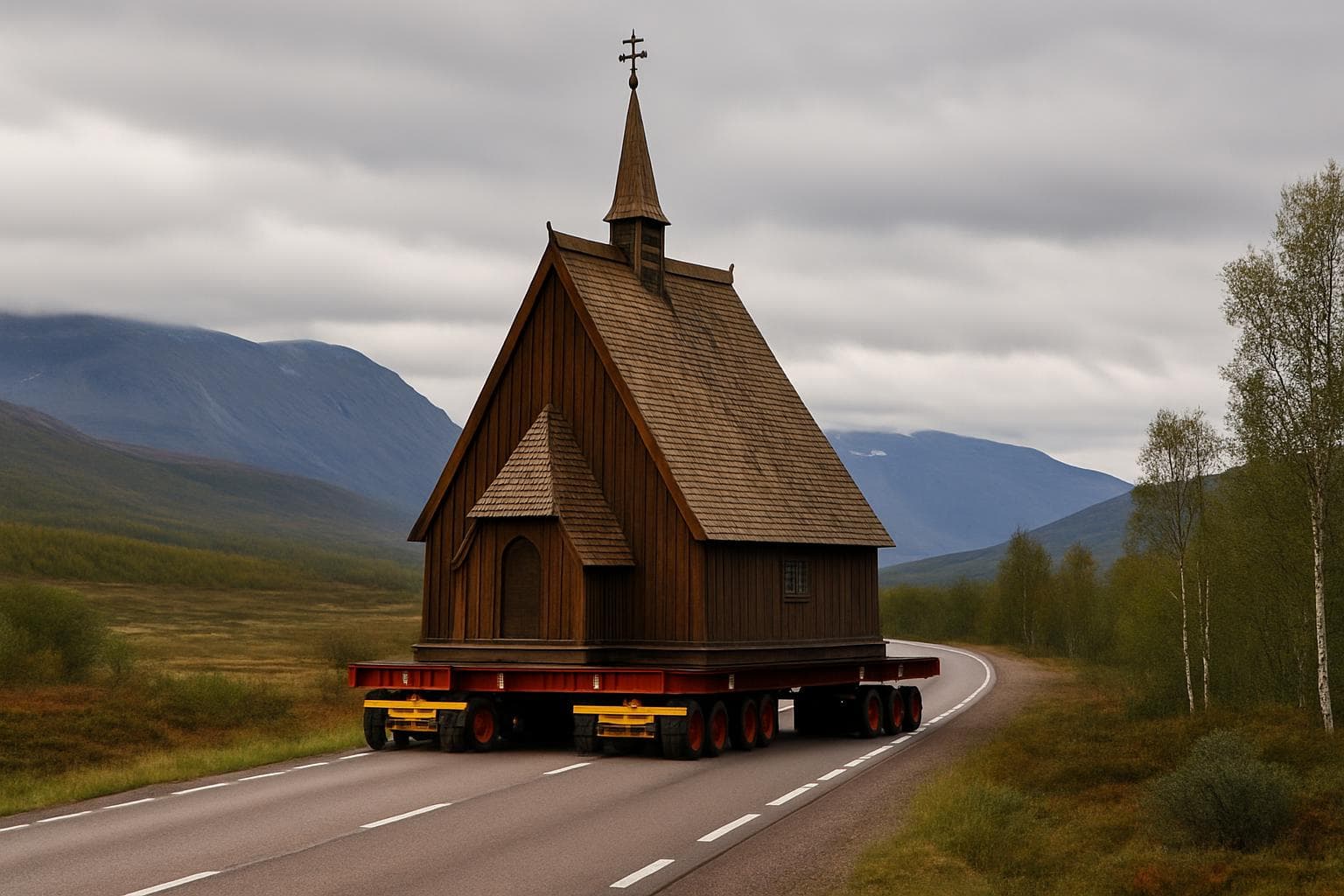
In a remarkable engineering endeavor, the 113-year-old Kiruna Church in northern Sweden is being relocated 5 kilometers to make way for the expansion of Europe's largest underground iron ore mine. This ambitious project, which began on Tuesday, is part of a broader initiative to move the entire town of Kiruna due to ground subsidence caused by extensive mining activities.
A Monumental Move
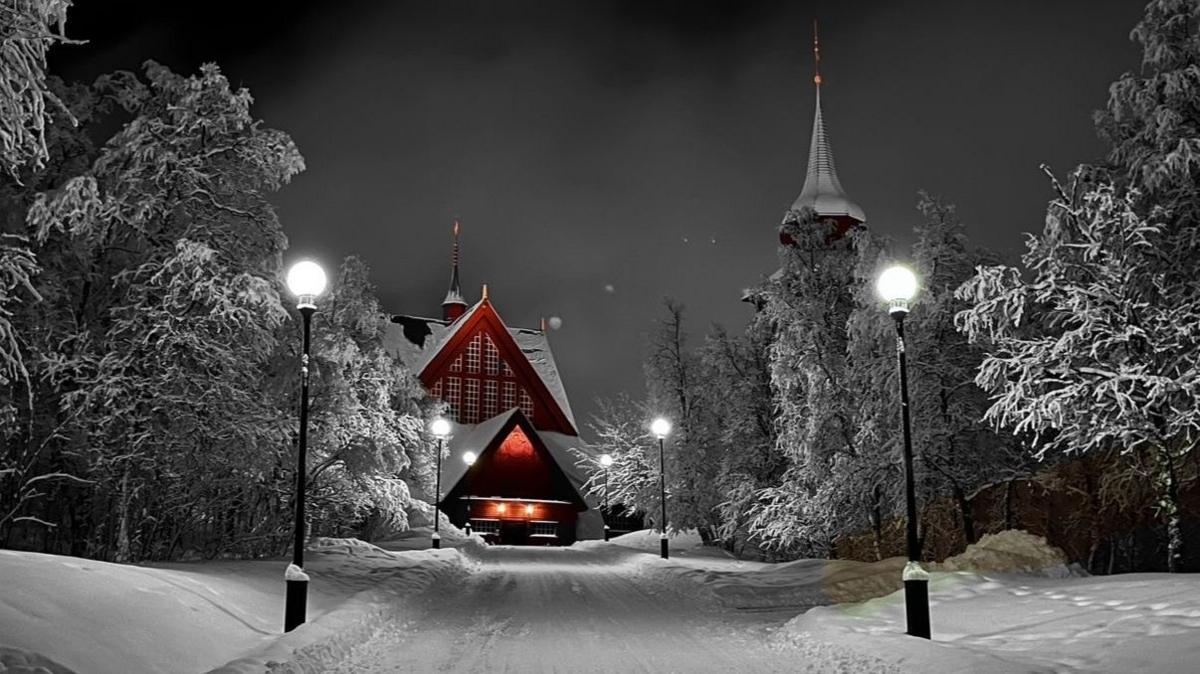
The relocation of the Kiruna Church, a Swedish Lutheran structure inaugurated in 1912, is a pivotal moment in the town's transformation. The church, weighing 672 tonnes and known for its unique architecture resembling a Sámi hut, is being transported on giant rolling platforms at a pace of 500 meters per hour. The journey is expected to take two days, with thousands, including King Carl XVI Gustaf, anticipated to witness the event.
Engineering and Cultural Challenges
The move, costing over 500 million kronor, is part of a larger 10 billion kronor project funded by LKAB, the state-owned mining company. Project manager Stefan Holmblad Johansson emphasized the complexity of the operation, noting the extensive preparations, including road widening and infrastructure adjustments, to accommodate the church's size.
However, the relocation has not been without controversy. The Sámi community has voiced concerns over the impact on their cultural heritage and reindeer herding practices. Karin K Niia, a reindeer owner, criticized the project as a distraction from the broader environmental and cultural consequences of the mining expansion.
A Community in Transition
The church is one of 23 cultural buildings being preserved in this unprecedented relocation effort. While the church is expected to reopen at its new location by the end of next year, the complete relocation of Kiruna is projected to continue until 2035. The move has been documented extensively, with cameras capturing the event for audiences worldwide, highlighting the significance of this historic transition.
WHAT THIS MIGHT MEAN
As Kiruna's relocation progresses, the town faces both opportunities and challenges. The successful move of the church may serve as a model for future infrastructure projects in areas affected by industrial activities. However, the concerns of the Sámi community underscore the need for careful consideration of cultural and environmental impacts. The ongoing dialogue between LKAB and local stakeholders will be crucial in addressing these issues and ensuring a sustainable future for Kiruna. As the town continues its transformation, it remains to be seen how these changes will affect the region's social and economic landscape.
Images from the Web
Related Articles

Oatly Loses UK Supreme Court Battle Over 'Milk' Trademark

UK and Allies Accuse Russia of Killing Navalny with Dart Frog Toxin

UK PM Keir Starmer Calls for Stronger European Defence Ties at Munich Conference
Rubio Reaffirms US Commitment to Europe Amid Criticisms at Munich Conference

Munich Security Conference: A New Era in Transatlantic Relations
German Chancellor Warns of Eroding Global Order at Munich Security Conference
Historic Kiruna Church Begins Landmark Relocation Amid Mining Expansion
In This Article
 Leila Hassan| Published
 HIGHLIGHTS
- Kiruna Church, a 113-year-old landmark, is being relocated 5km due to ground subsidence from mining activities.
- The move is part of a larger relocation of Kiruna, funded by LKAB, costing over 10bn Swedish krona.
- The relocation has sparked criticism from the Sámi community, concerned about cultural and environmental impacts.
- The church's move is a significant engineering feat, involving rolling platforms and widened roads.
- The entire town's relocation is expected to be completed by 2035, with the church reopening next year.
In a remarkable engineering endeavor, the 113-year-old Kiruna Church in northern Sweden is being relocated 5 kilometers to make way for the expansion of Europe's largest underground iron ore mine. This ambitious project, which began on Tuesday, is part of a broader initiative to move the entire town of Kiruna due to ground subsidence caused by extensive mining activities.
A Monumental Move
The relocation of the Kiruna Church, a Swedish Lutheran structure inaugurated in 1912, is a pivotal moment in the town's transformation. The church, weighing 672 tonnes and known for its unique architecture resembling a Sámi hut, is being transported on giant rolling platforms at a pace of 500 meters per hour. The journey is expected to take two days, with thousands, including King Carl XVI Gustaf, anticipated to witness the event.
Engineering and Cultural Challenges
The move, costing over 500 million kronor, is part of a larger 10 billion kronor project funded by LKAB, the state-owned mining company. Project manager Stefan Holmblad Johansson emphasized the complexity of the operation, noting the extensive preparations, including road widening and infrastructure adjustments, to accommodate the church's size.
However, the relocation has not been without controversy. The Sámi community has voiced concerns over the impact on their cultural heritage and reindeer herding practices. Karin K Niia, a reindeer owner, criticized the project as a distraction from the broader environmental and cultural consequences of the mining expansion.
A Community in Transition
The church is one of 23 cultural buildings being preserved in this unprecedented relocation effort. While the church is expected to reopen at its new location by the end of next year, the complete relocation of Kiruna is projected to continue until 2035. The move has been documented extensively, with cameras capturing the event for audiences worldwide, highlighting the significance of this historic transition.
WHAT THIS MIGHT MEAN
As Kiruna's relocation progresses, the town faces both opportunities and challenges. The successful move of the church may serve as a model for future infrastructure projects in areas affected by industrial activities. However, the concerns of the Sámi community underscore the need for careful consideration of cultural and environmental impacts. The ongoing dialogue between LKAB and local stakeholders will be crucial in addressing these issues and ensuring a sustainable future for Kiruna. As the town continues its transformation, it remains to be seen how these changes will affect the region's social and economic landscape.
Images from the Web
Related Articles
Oatly Loses UK Supreme Court Battle Over 'Milk' Trademark
UK and Allies Accuse Russia of Killing Navalny with Dart Frog Toxin
UK PM Keir Starmer Calls for Stronger European Defence Ties at Munich Conference
Rubio Reaffirms US Commitment to Europe Amid Criticisms at Munich Conference
Munich Security Conference: A New Era in Transatlantic Relations
German Chancellor Warns of Eroding Global Order at Munich Security Conference