
Lagarde Warns of Global Economic Risks from Trump's Federal Reserve Interference
In This Article
HIGHLIGHTS
- Christine Lagarde warns that Trump's interference with the US Federal Reserve poses a "very serious danger" to global economic stability.
- Trump has repeatedly criticized Fed Chair Jerome Powell for not cutting interest rates and has attempted to dismiss Governor Lisa Cook.
- The US Supreme Court has ruled that a Fed governor can only be dismissed for gross misconduct, complicating Trump's efforts.
- Despite Trump's actions, US Treasury Secretary Scott Bessent claims markets remain stable, with the S&P at a new high.
- Political interference in central banks is seen as damaging to their credibility in controlling inflation.
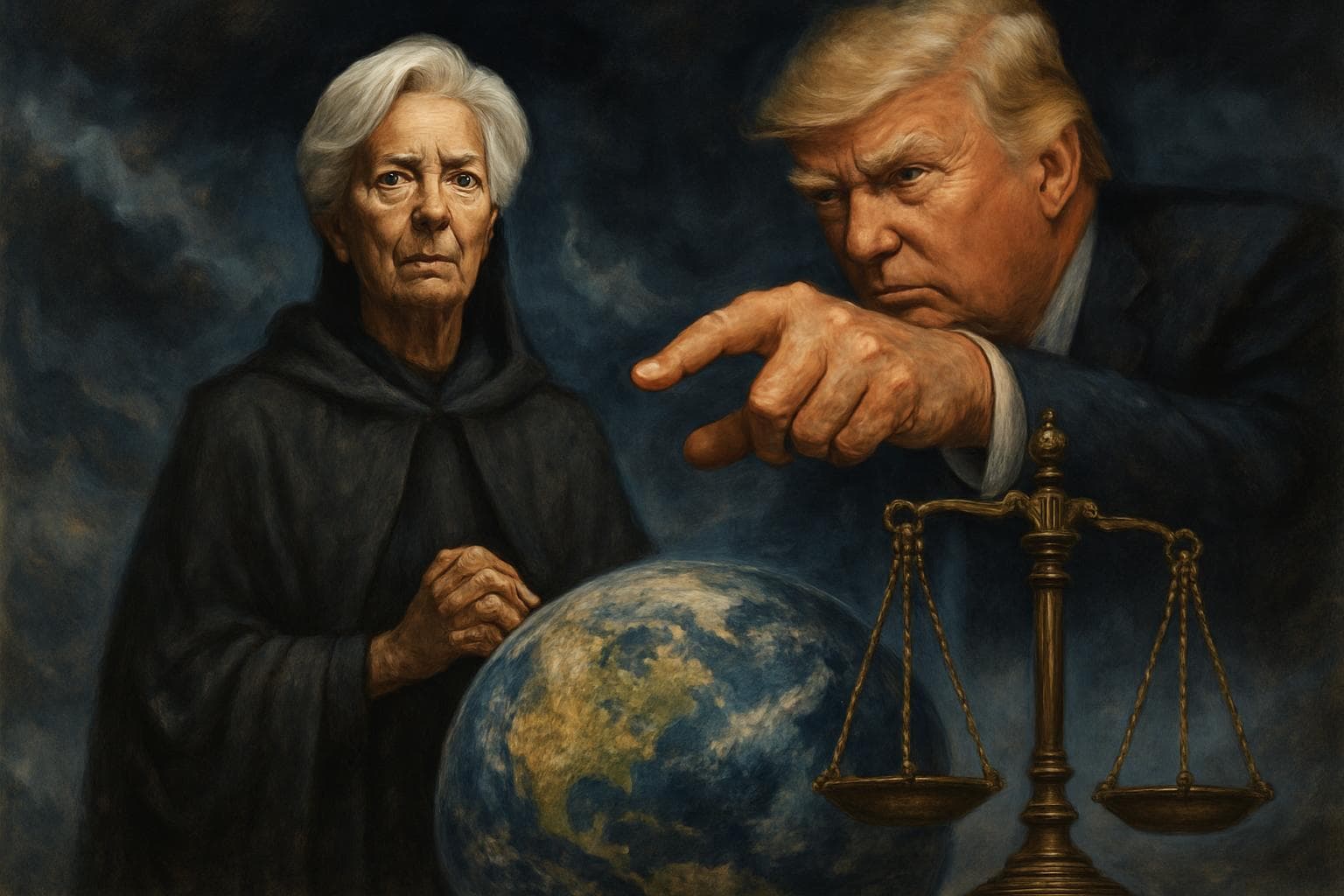
The independence of the US Federal Reserve is under threat, according to European Central Bank President Christine Lagarde, who has issued a stark warning about the potential global economic repercussions. Lagarde's comments come amid ongoing efforts by President Donald Trump to influence the central bank's decision-making, which she describes as a "very serious danger" to both the US and world economies.
Trump's Criticism and Attempts to Influence
Since taking office, Trump has been vocal in his criticism of the Federal Reserve, particularly targeting its chair, Jerome Powell, for not reducing interest rates to his desired levels. The president has also attempted to dismiss Fed Governor Lisa Cook, a move that has sparked legal challenges. Cook's lawyers argue that her removal lacks the necessary "cause" required by law, and the case could escalate to the US Supreme Court.
Legal and Economic Implications
The Federal Reserve, tasked with promoting employment and maintaining price stability, operates independently of the US government. However, Trump's actions have raised concerns about political interference. Lagarde emphasized the difficulty Trump would face in exerting control over the Fed, noting that the Supreme Court has ruled a governor can only be dismissed for gross misconduct. This legal safeguard complicates any attempts by Trump to reshape the Fed's leadership.
Market Reactions and Global Concerns
Despite the political turmoil, US Treasury Secretary Scott Bessent has downplayed market concerns, citing the S&P's record highs as evidence of stability. Nonetheless, experts warn that undermining central bank independence could damage its credibility in managing inflation. The situation has also contributed to rising borrowing costs in the US and other advanced economies, exacerbated by uncertainties surrounding Trump's tariff policies and global geopolitical tensions.
WHAT THIS MIGHT MEAN
Looking ahead, the legal battle over Lisa Cook's dismissal could set a precedent for the limits of presidential power over the Federal Reserve. If the case reaches the Supreme Court, it may reaffirm the independence of the central bank, potentially curbing future political interference. Economists caution that any erosion of this independence could lead to increased volatility in global markets, as central banks play a crucial role in maintaining economic stability. As the world's largest economy, the US's monetary policy decisions have far-reaching implications, underscoring the importance of preserving the Fed's autonomy.
Related Articles
US Supreme Court Ruling Sparks Trade Uncertainty in Asia and Beyond

Tech Giants Pledge to Cover AI Data Center Energy Costs Amid Rising Electricity Concerns
Congress Subpoenas Attorney General Bondi in Epstein Investigation

Cuba Faces Widespread Blackout Amid Deepening Fuel Crisis

UK Faces Dilemmas Amid Iran Conflict and China Spying Allegations
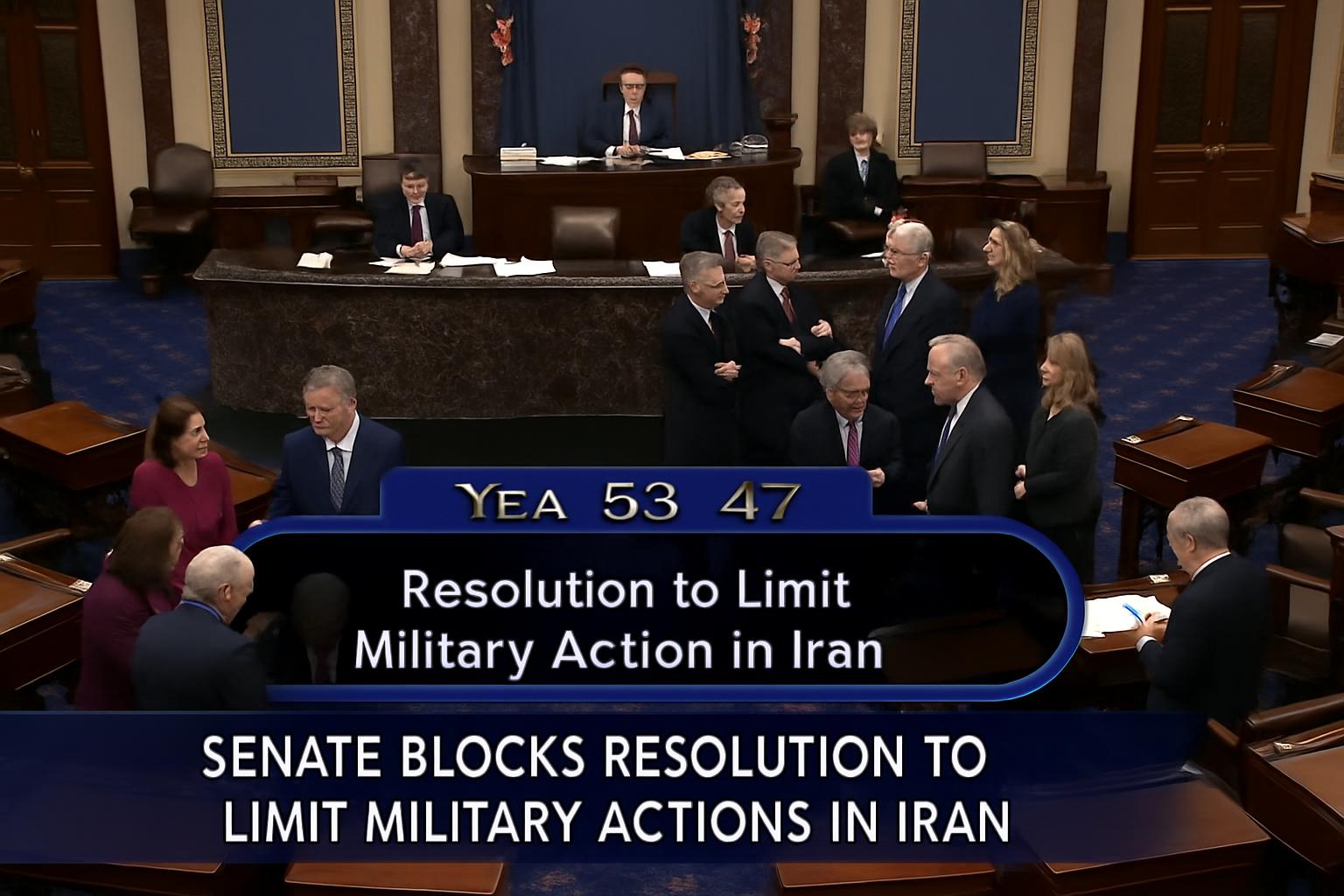
Senate Blocks Resolution to Limit Trump's Military Actions in Iran
Lagarde Warns of Global Economic Risks from Trump's Federal Reserve Interference
In This Article
 Daniel Rivera| Published
 HIGHLIGHTS
- Christine Lagarde warns that Trump's interference with the US Federal Reserve poses a "very serious danger" to global economic stability.
- Trump has repeatedly criticized Fed Chair Jerome Powell for not cutting interest rates and has attempted to dismiss Governor Lisa Cook.
- The US Supreme Court has ruled that a Fed governor can only be dismissed for gross misconduct, complicating Trump's efforts.
- Despite Trump's actions, US Treasury Secretary Scott Bessent claims markets remain stable, with the S&P at a new high.
- Political interference in central banks is seen as damaging to their credibility in controlling inflation.
The independence of the US Federal Reserve is under threat, according to European Central Bank President Christine Lagarde, who has issued a stark warning about the potential global economic repercussions. Lagarde's comments come amid ongoing efforts by President Donald Trump to influence the central bank's decision-making, which she describes as a "very serious danger" to both the US and world economies.
Trump's Criticism and Attempts to Influence
Since taking office, Trump has been vocal in his criticism of the Federal Reserve, particularly targeting its chair, Jerome Powell, for not reducing interest rates to his desired levels. The president has also attempted to dismiss Fed Governor Lisa Cook, a move that has sparked legal challenges. Cook's lawyers argue that her removal lacks the necessary "cause" required by law, and the case could escalate to the US Supreme Court.
Legal and Economic Implications
The Federal Reserve, tasked with promoting employment and maintaining price stability, operates independently of the US government. However, Trump's actions have raised concerns about political interference. Lagarde emphasized the difficulty Trump would face in exerting control over the Fed, noting that the Supreme Court has ruled a governor can only be dismissed for gross misconduct. This legal safeguard complicates any attempts by Trump to reshape the Fed's leadership.
Market Reactions and Global Concerns
Despite the political turmoil, US Treasury Secretary Scott Bessent has downplayed market concerns, citing the S&P's record highs as evidence of stability. Nonetheless, experts warn that undermining central bank independence could damage its credibility in managing inflation. The situation has also contributed to rising borrowing costs in the US and other advanced economies, exacerbated by uncertainties surrounding Trump's tariff policies and global geopolitical tensions.
WHAT THIS MIGHT MEAN
Looking ahead, the legal battle over Lisa Cook's dismissal could set a precedent for the limits of presidential power over the Federal Reserve. If the case reaches the Supreme Court, it may reaffirm the independence of the central bank, potentially curbing future political interference. Economists caution that any erosion of this independence could lead to increased volatility in global markets, as central banks play a crucial role in maintaining economic stability. As the world's largest economy, the US's monetary policy decisions have far-reaching implications, underscoring the importance of preserving the Fed's autonomy.
Related Articles
US Supreme Court Ruling Sparks Trade Uncertainty in Asia and Beyond
Tech Giants Pledge to Cover AI Data Center Energy Costs Amid Rising Electricity Concerns
Congress Subpoenas Attorney General Bondi in Epstein Investigation
Cuba Faces Widespread Blackout Amid Deepening Fuel Crisis
UK Faces Dilemmas Amid Iran Conflict and China Spying Allegations
Senate Blocks Resolution to Limit Trump's Military Actions in Iran