
Larry Summers Steps Back from Public Life Amid Epstein Email Revelations
In This Article
HIGHLIGHTS
- Larry Summers, former Harvard president, steps back from public roles after emails with Jeffrey Epstein are released.
- Summers expressed deep regret for his continued communication with Epstein, a convicted sex offender.
- The US Department of Justice is investigating Epstein's connections with prominent figures, including former President Bill Clinton.
- Democratic Senator Elizabeth Warren criticized Summers for his association with Epstein, questioning his judgment.
- Summers remains a professor at Harvard and a board member of OpenAI, despite calls for institutions to sever ties.
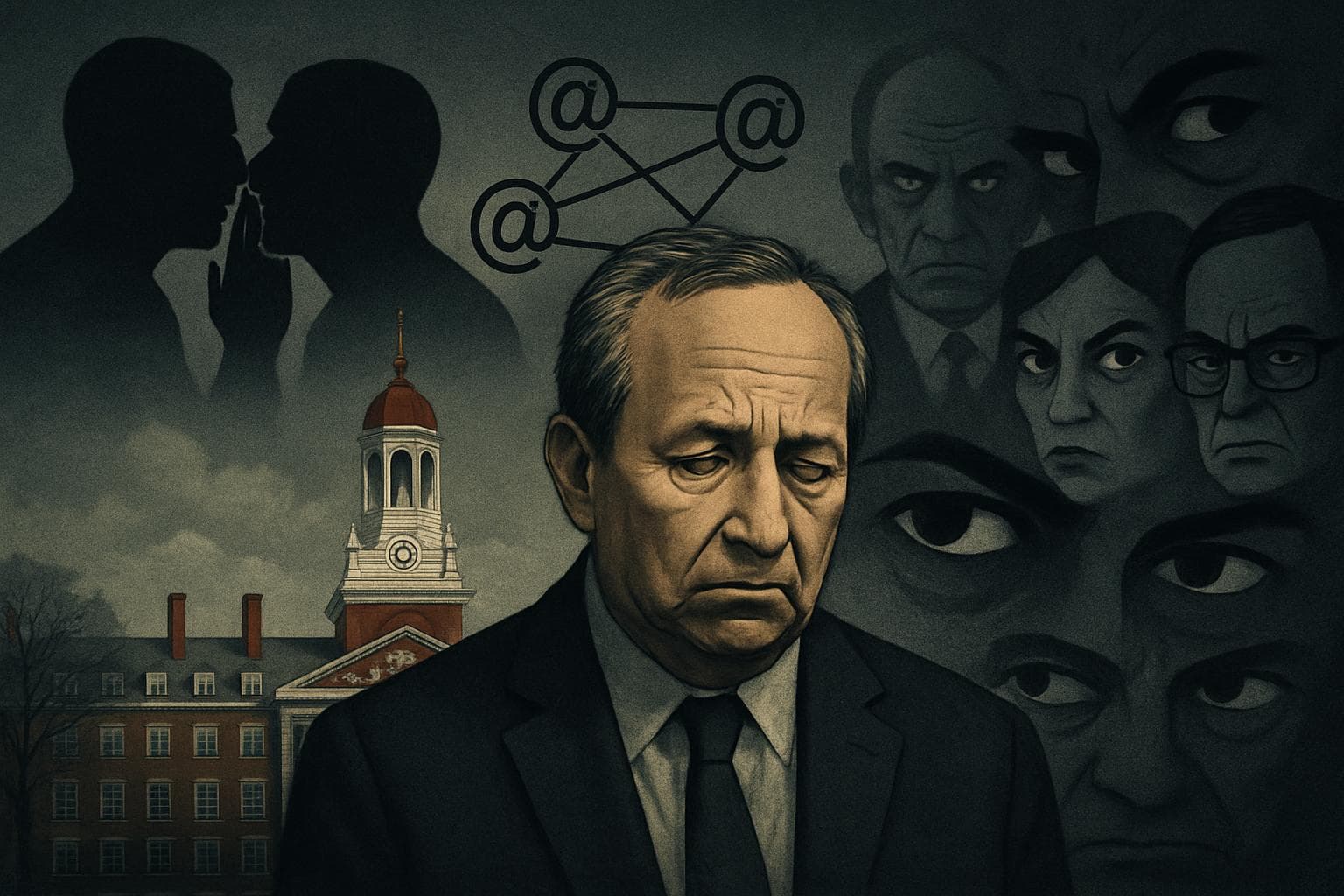
Former Harvard University president Larry Summers has announced his decision to step back from public commitments following the release of emails revealing his interactions with disgraced financier Jeffrey Epstein. The emails, made public by the House Oversight Committee, show Summers maintained contact with Epstein until just before Epstein's 2019 arrest for sex trafficking minors.
In a statement to CBS News, Summers expressed deep remorse, stating, "I am deeply ashamed of my actions and recognize the pain they have caused. I take full responsibility for my misguided decision to continue communicating with Mr. Epstein." He emphasized his intention to rebuild trust and repair relationships, while continuing his teaching duties at Harvard.
The emails, which span from 2013 to early 2019, depict a close relationship between Summers and Epstein, with Epstein referring to himself as Summers' "wing man." Despite Epstein's 2008 guilty plea for soliciting prostitution from an underage girl, Summers continued to engage with him, a decision that has drawn significant criticism.
Political and Institutional Reactions
The revelations have prompted calls from lawmakers for institutions to cut ties with Summers. Democratic Senator Elizabeth Warren criticized Summers' judgment, stating, "For decades, Larry Summers has demonstrated his attraction to serving the wealthy and well-connected, but his willingness to cozy up to a convicted sex offender demonstrates monumentally bad judgment."
The Center for American Progress, a liberal think tank, announced that Summers is no longer affiliated with the organization. However, he remains a professor at Harvard and a board member of OpenAI, raising questions about the extent of institutional accountability.
Broader Investigations and Implications
The US Department of Justice has launched an investigation into Epstein's connections with high-profile figures, including former President Bill Clinton. This move, urged by President Donald Trump, aims to uncover the extent of Epstein's influence and relationships within political and business circles.
Trump, who was also mentioned in the emails, has distanced himself from the controversy, asserting on social media that Epstein was a "Democrat's problem." Meanwhile, Clinton has denied any knowledge of Epstein's criminal activities.
WHAT THIS MIGHT MEAN
The ongoing investigation by the US Department of Justice could lead to further revelations about Epstein's network and its impact on political and business figures. If more incriminating evidence emerges, institutions associated with Summers and others involved may face increased pressure to sever ties. Additionally, the scrutiny on Summers could influence his future roles in academia and public life, as calls for accountability grow louder. As the investigation unfolds, the political implications could extend beyond individual reputations, potentially affecting broader party dynamics and public trust in political institutions.
Related Articles
Congress Subpoenas Attorney General Bondi in Epstein Investigation
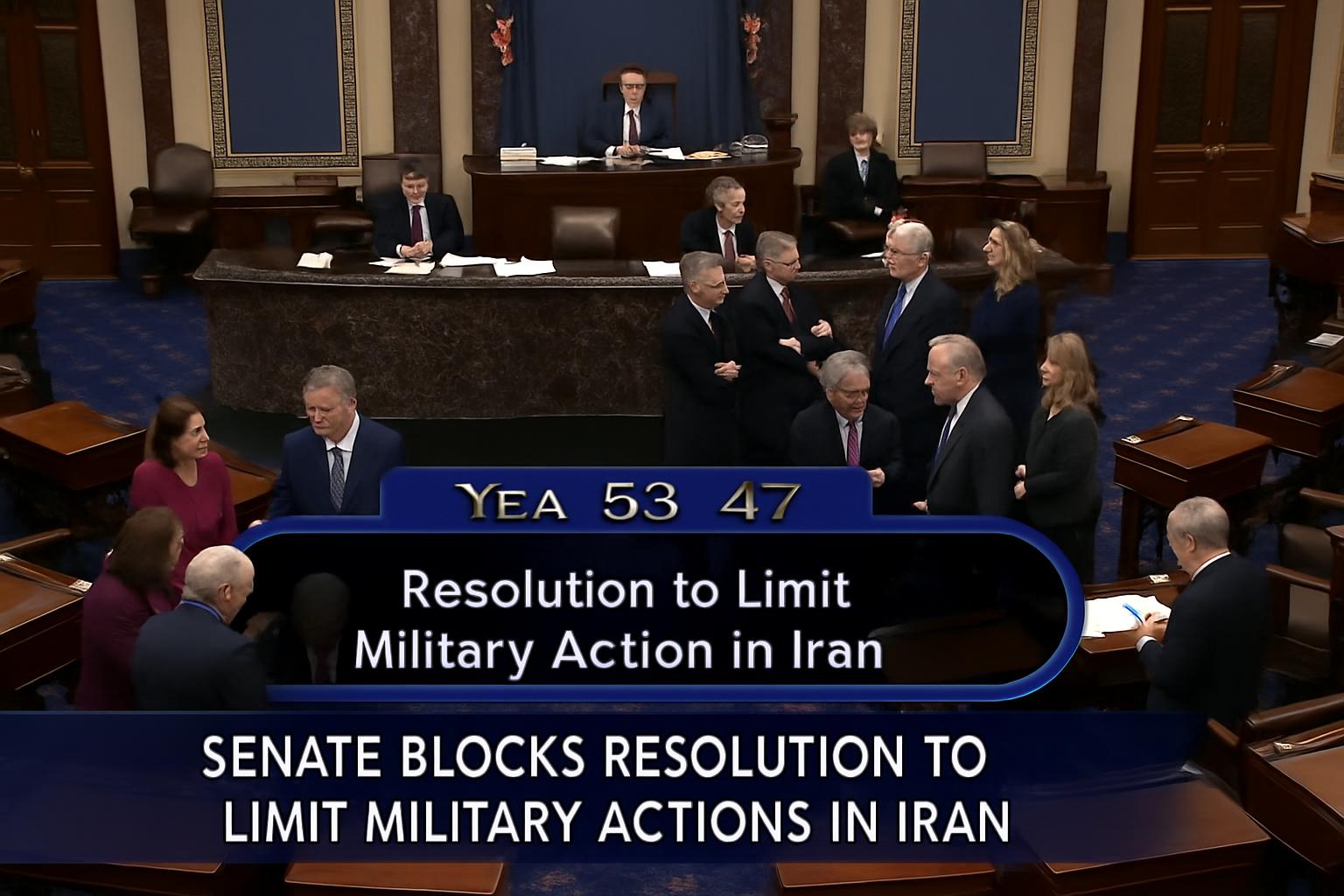
Senate Blocks Resolution to Limit Trump's Military Actions in Iran
Spain's Sánchez Stands Firm Against Trump's Trade Threat Over Iran Stance

US-Iran Tensions Escalate Amid Renewed Nuclear Talks and Protests

Greenland Politely Declines Trump's Hospital Ship Offer Amid Healthcare Debate

UK-Iran Tensions: Starmer Defends Cautious Approach Amid Trump Criticism
Larry Summers Steps Back from Public Life Amid Epstein Email Revelations
In This Article
 Ethan Brooks| Published
 HIGHLIGHTS
- Larry Summers, former Harvard president, steps back from public roles after emails with Jeffrey Epstein are released.
- Summers expressed deep regret for his continued communication with Epstein, a convicted sex offender.
- The US Department of Justice is investigating Epstein's connections with prominent figures, including former President Bill Clinton.
- Democratic Senator Elizabeth Warren criticized Summers for his association with Epstein, questioning his judgment.
- Summers remains a professor at Harvard and a board member of OpenAI, despite calls for institutions to sever ties.
Former Harvard University president Larry Summers has announced his decision to step back from public commitments following the release of emails revealing his interactions with disgraced financier Jeffrey Epstein. The emails, made public by the House Oversight Committee, show Summers maintained contact with Epstein until just before Epstein's 2019 arrest for sex trafficking minors.
In a statement to CBS News, Summers expressed deep remorse, stating, "I am deeply ashamed of my actions and recognize the pain they have caused. I take full responsibility for my misguided decision to continue communicating with Mr. Epstein." He emphasized his intention to rebuild trust and repair relationships, while continuing his teaching duties at Harvard.
The emails, which span from 2013 to early 2019, depict a close relationship between Summers and Epstein, with Epstein referring to himself as Summers' "wing man." Despite Epstein's 2008 guilty plea for soliciting prostitution from an underage girl, Summers continued to engage with him, a decision that has drawn significant criticism.
Political and Institutional Reactions
The revelations have prompted calls from lawmakers for institutions to cut ties with Summers. Democratic Senator Elizabeth Warren criticized Summers' judgment, stating, "For decades, Larry Summers has demonstrated his attraction to serving the wealthy and well-connected, but his willingness to cozy up to a convicted sex offender demonstrates monumentally bad judgment."
The Center for American Progress, a liberal think tank, announced that Summers is no longer affiliated with the organization. However, he remains a professor at Harvard and a board member of OpenAI, raising questions about the extent of institutional accountability.
Broader Investigations and Implications
The US Department of Justice has launched an investigation into Epstein's connections with high-profile figures, including former President Bill Clinton. This move, urged by President Donald Trump, aims to uncover the extent of Epstein's influence and relationships within political and business circles.
Trump, who was also mentioned in the emails, has distanced himself from the controversy, asserting on social media that Epstein was a "Democrat's problem." Meanwhile, Clinton has denied any knowledge of Epstein's criminal activities.
WHAT THIS MIGHT MEAN
The ongoing investigation by the US Department of Justice could lead to further revelations about Epstein's network and its impact on political and business figures. If more incriminating evidence emerges, institutions associated with Summers and others involved may face increased pressure to sever ties. Additionally, the scrutiny on Summers could influence his future roles in academia and public life, as calls for accountability grow louder. As the investigation unfolds, the political implications could extend beyond individual reputations, potentially affecting broader party dynamics and public trust in political institutions.
Related Articles
Congress Subpoenas Attorney General Bondi in Epstein Investigation
Senate Blocks Resolution to Limit Trump's Military Actions in Iran
Spain's Sánchez Stands Firm Against Trump's Trade Threat Over Iran Stance
US-Iran Tensions Escalate Amid Renewed Nuclear Talks and Protests
Greenland Politely Declines Trump's Hospital Ship Offer Amid Healthcare Debate
UK-Iran Tensions: Starmer Defends Cautious Approach Amid Trump Criticism