
Laura Fernández Wins Costa Rica Presidency, Pledges Tough Stance on Crime
In This Article
HIGHLIGHTS
- Laura Fernández wins Costa Rica's presidential election with over 48% of the vote, avoiding a runoff.
- Fernández promises to continue the tough-on-crime policies of her predecessor, Rodrigo Chaves.
- Rising drug-related violence is a key concern, with plans to emulate El Salvador's Nayib Bukele's strategies.
- Fernández's party secures 30 out of 57 seats in parliament, potentially easing legislative processes.
- Critics worry about potential erosion of civil rights under Fernández's proposed policies.
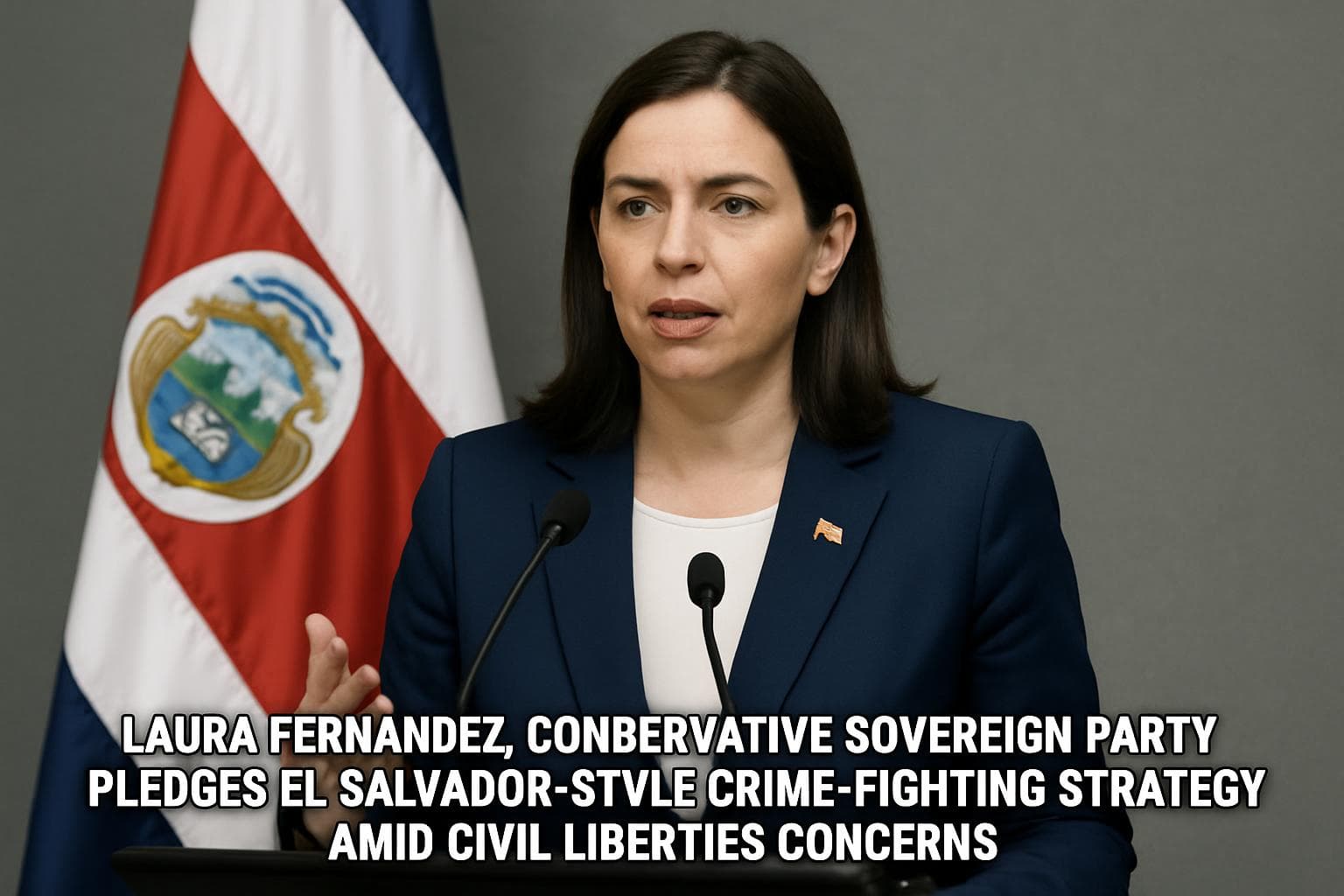
Laura Fernández, representing the conservative Sovereign People's Party, has decisively won Costa Rica's presidential election, securing over 48% of the vote with more than 88% of ballots counted. Her victory eliminates the need for a runoff, as she surpassed the 40% threshold required for an outright win. Fernández, who was handpicked by outgoing President Rodrigo Chaves, has vowed to intensify the tough-on-crime approach that characterized Chaves's administration.
A Tough Stance on Crime
The election comes amid growing concerns over drug-related violence in Costa Rica, a country traditionally known for its stability and democracy. Fernández has pledged to emulate the policies of El Salvador's President Nayib Bukele, whose hardline approach to crime has garnered significant approval. Plans include declaring a state of emergency in gang-dominated areas and completing a high-security prison akin to El Salvador's Cecot facility.
Political Landscape and Legislative Support
Fernández's party has secured 30 out of 57 seats in Costa Rica's Legislative Assembly, potentially providing her with more legislative support than her predecessor. This could facilitate the implementation of her policies, which critics fear might infringe on civil liberties. In her victory speech, Fernández emphasized a government of "dialogue and national harmony," while also criticizing opposition parties for obstructing Chaves's policies.
Continuity and Change
As a former planning minister and chief of staff, Fernández is seen as the political heir to Chaves. She has indicated that Chaves may hold a position in her cabinet, maintaining the close ties he established with the United States. Under Chaves, Costa Rica signed a "safe third-country migrant agreement" with the US, allowing the deportation of migrants from other countries to Costa Rica.
WHAT THIS MIGHT MEAN
Fernández's presidency could significantly impact Costa Rica's approach to crime and international relations. Her proposed policies may lead to a reduction in crime rates, similar to El Salvador's experience under Bukele. However, there is concern that these measures could compromise civil liberties, sparking domestic and international debate. Additionally, Fernández's legislative majority may enable swift policy implementation, but it remains to be seen how effectively she can balance security concerns with democratic principles. As Fernández takes office on May 8, her administration's actions will be closely watched both within Costa Rica and across the region.
Related Articles
Cuba Faces Widespread Blackout Amid Deepening Fuel Crisis
El Mencho's Death Sparks Violent Unrest Across Mexico
Venezuelan Political Prisoners Seek Amnesty Amidst Hopes for Democratic Transition

China Sets Lowest GDP Growth Target in Decades Amid Economic Challenges

UK Faces Dilemmas Amid Iran Conflict and China Spying Allegations

Google Faces Legal Battle Over AI Chatbot's Alleged Role in Tragic Death
Laura Fernández Wins Costa Rica Presidency, Pledges Tough Stance on Crime
In This Article
HIGHLIGHTS
- Laura Fernández wins Costa Rica's presidential election with over 48% of the vote, avoiding a runoff.
- Fernández promises to continue the tough-on-crime policies of her predecessor, Rodrigo Chaves.
- Rising drug-related violence is a key concern, with plans to emulate El Salvador's Nayib Bukele's strategies.
- Fernández's party secures 30 out of 57 seats in parliament, potentially easing legislative processes.
- Critics worry about potential erosion of civil rights under Fernández's proposed policies.
Laura Fernández, representing the conservative Sovereign People's Party, has decisively won Costa Rica's presidential election, securing over 48% of the vote with more than 88% of ballots counted. Her victory eliminates the need for a runoff, as she surpassed the 40% threshold required for an outright win. Fernández, who was handpicked by outgoing President Rodrigo Chaves, has vowed to intensify the tough-on-crime approach that characterized Chaves's administration.
A Tough Stance on Crime
The election comes amid growing concerns over drug-related violence in Costa Rica, a country traditionally known for its stability and democracy. Fernández has pledged to emulate the policies of El Salvador's President Nayib Bukele, whose hardline approach to crime has garnered significant approval. Plans include declaring a state of emergency in gang-dominated areas and completing a high-security prison akin to El Salvador's Cecot facility.
Political Landscape and Legislative Support
Fernández's party has secured 30 out of 57 seats in Costa Rica's Legislative Assembly, potentially providing her with more legislative support than her predecessor. This could facilitate the implementation of her policies, which critics fear might infringe on civil liberties. In her victory speech, Fernández emphasized a government of "dialogue and national harmony," while also criticizing opposition parties for obstructing Chaves's policies.
Continuity and Change
As a former planning minister and chief of staff, Fernández is seen as the political heir to Chaves. She has indicated that Chaves may hold a position in her cabinet, maintaining the close ties he established with the United States. Under Chaves, Costa Rica signed a "safe third-country migrant agreement" with the US, allowing the deportation of migrants from other countries to Costa Rica.
WHAT THIS MIGHT MEAN
Fernández's presidency could significantly impact Costa Rica's approach to crime and international relations. Her proposed policies may lead to a reduction in crime rates, similar to El Salvador's experience under Bukele. However, there is concern that these measures could compromise civil liberties, sparking domestic and international debate. Additionally, Fernández's legislative majority may enable swift policy implementation, but it remains to be seen how effectively she can balance security concerns with democratic principles. As Fernández takes office on May 8, her administration's actions will be closely watched both within Costa Rica and across the region.
Related Articles
Cuba Faces Widespread Blackout Amid Deepening Fuel Crisis
El Mencho's Death Sparks Violent Unrest Across Mexico
Venezuelan Political Prisoners Seek Amnesty Amidst Hopes for Democratic Transition
China Sets Lowest GDP Growth Target in Decades Amid Economic Challenges
UK Faces Dilemmas Amid Iran Conflict and China Spying Allegations
Google Faces Legal Battle Over AI Chatbot's Alleged Role in Tragic Death