
Lotus to Cut 550 Jobs Amid Global Market Challenges
In This Article
HIGHLIGHTS
- Lotus will cut 550 jobs at its UK headquarters in Norfolk, affecting 42% of its workforce.
- The decision is part of a restructuring plan to ensure sustainability amid global market uncertainties, including Trump-era tariffs.
- Lotus, owned by Chinese group Geely, remains committed to its Norfolk operations and is exploring diversification opportunities.
- Local leaders and councils are mobilizing support for affected workers, with efforts to connect them to new job opportunities.
- Production at the Hethel plant is set to resume in early September after a pause due to inventory and supply chain issues.
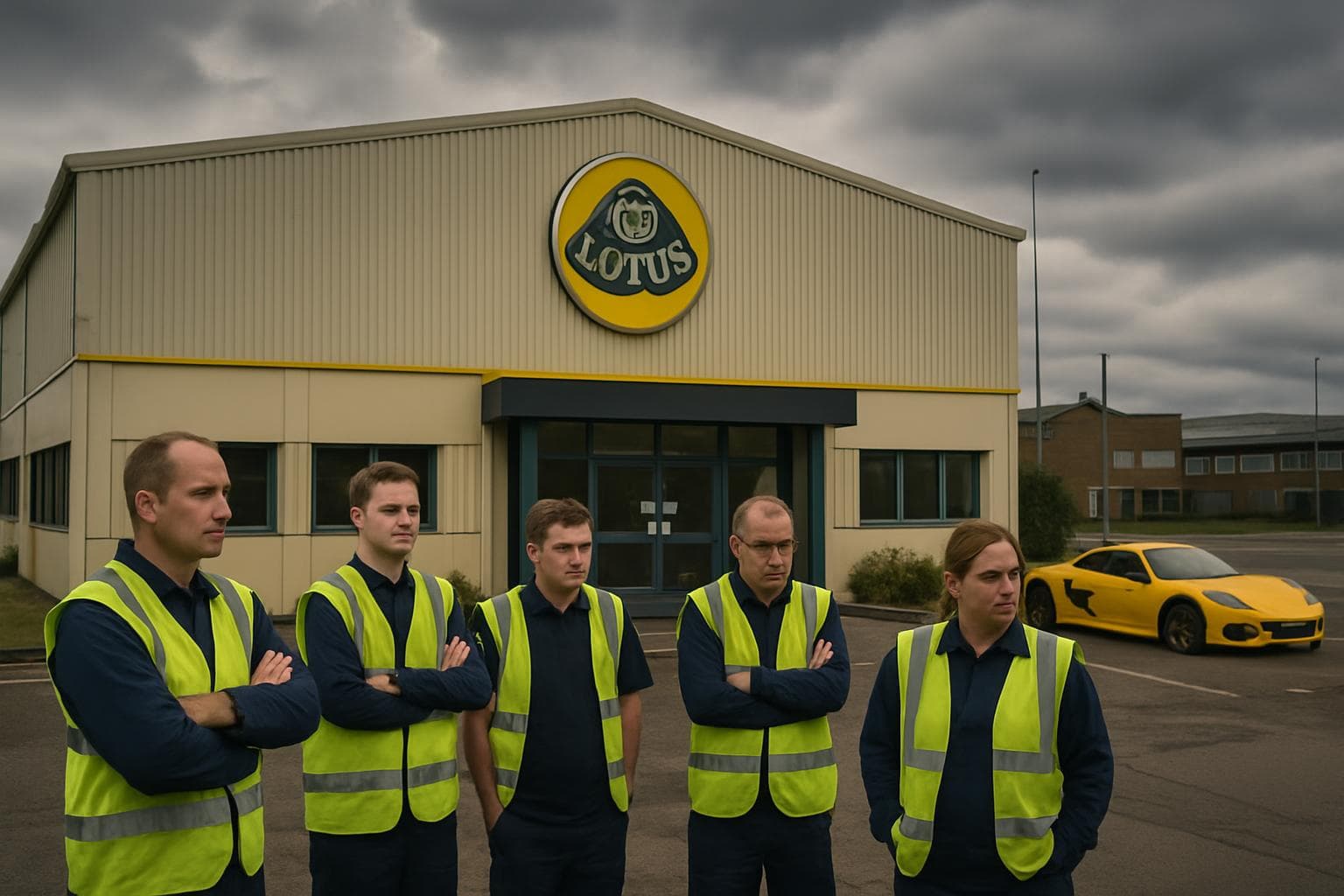
Sports car manufacturer Lotus has announced plans to cut 550 jobs at its UK headquarters in Norfolk, a move that will impact 42% of its workforce. This decision comes as part of a broader restructuring strategy aimed at securing the company's future amid challenging global market conditions, including tariffs imposed during Donald Trump's presidency.
Commitment to UK Operations
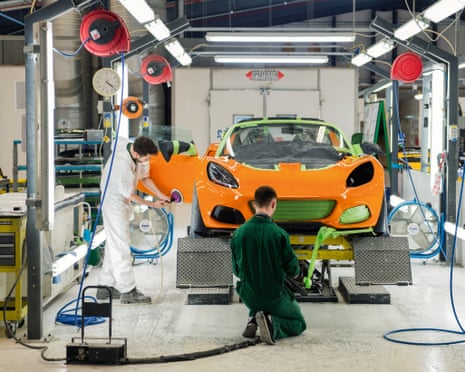
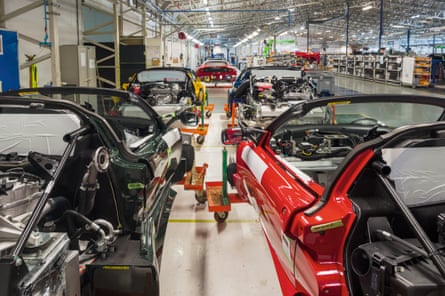
Despite the significant job cuts, Lotus, owned by the Chinese automotive giant Geely, has reaffirmed its commitment to maintaining its operations in Norfolk. The Hethel site will continue to be the hub for Lotus's sports car production, motorsports, and engineering consulting activities. The company is actively exploring diversification opportunities, including third-party manufacturing, to bolster its business model.
Economic and Political Pressures
The restructuring follows a period of financial strain for Lotus, exacerbated by a decline in sales and cash flow issues. The company has faced additional pressure from the 27.5% tariff on British-made cars imposed by the US, which has since been reduced to 10% for a limited number of vehicles. Production at the Hethel plant, which paused in mid-May, is expected to resume in early September as the company addresses inventory and supply chain challenges.
Local and Government Support
In response to the job cuts, local leaders and government officials have pledged support for the affected workers. Ben Goldsborough, Labour MP for South Norfolk, expressed empathy for the employees, acknowledging the personal and financial impact of the layoffs. Norfolk County Council is establishing a taskforce to provide comprehensive support packages and connect workers with new job opportunities in the manufacturing and engineering sectors.
Future Prospects and Challenges
The announcement has raised concerns about the long-term viability of the Hethel plant. Professor David Bailey from the University of Birmingham highlighted the potential risks of "death by a thousand cuts" for the facility, given the broader challenges facing the automotive industry, including the transition to electric vehicles.
WHAT THIS MIGHT MEAN
The future of Lotus's UK operations will largely depend on its ability to adapt to the rapidly changing automotive landscape. The company's commitment to diversification and third-party manufacturing could open new revenue streams and stabilize its financial footing. However, the success of these strategies will hinge on navigating ongoing global trade tensions and the industry's shift towards electric vehicles.
Local and national government support will be crucial in mitigating the impact of the job cuts on the Norfolk community. Efforts to retrain and redeploy affected workers could serve as a model for other regions facing similar industrial challenges. As Lotus resumes production, its ability to innovate and remain competitive in the global market will be key to securing its long-term future.
Images from the Web

Related Articles
China Sets Lowest GDP Growth Target in Decades Amid Economic Challenges

Trump's New Tariff Strategy Sparks Global Trade Uncertainty

Tech Giants Pledge to Cover AI Data Center Energy Costs Amid Rising Electricity Concerns

Cuba Faces Widespread Blackout Amid Deepening Fuel Crisis

UK Faces Dilemmas Amid Iran Conflict and China Spying Allegations

Congress Subpoenas Attorney General Bondi in Epstein Investigation
Lotus to Cut 550 Jobs Amid Global Market Challenges
In This Article
 Daniel Rivera| Published
 HIGHLIGHTS
- Lotus will cut 550 jobs at its UK headquarters in Norfolk, affecting 42% of its workforce.
- The decision is part of a restructuring plan to ensure sustainability amid global market uncertainties, including Trump-era tariffs.
- Lotus, owned by Chinese group Geely, remains committed to its Norfolk operations and is exploring diversification opportunities.
- Local leaders and councils are mobilizing support for affected workers, with efforts to connect them to new job opportunities.
- Production at the Hethel plant is set to resume in early September after a pause due to inventory and supply chain issues.
Sports car manufacturer Lotus has announced plans to cut 550 jobs at its UK headquarters in Norfolk, a move that will impact 42% of its workforce. This decision comes as part of a broader restructuring strategy aimed at securing the company's future amid challenging global market conditions, including tariffs imposed during Donald Trump's presidency.
Commitment to UK Operations
Despite the significant job cuts, Lotus, owned by the Chinese automotive giant Geely, has reaffirmed its commitment to maintaining its operations in Norfolk. The Hethel site will continue to be the hub for Lotus's sports car production, motorsports, and engineering consulting activities. The company is actively exploring diversification opportunities, including third-party manufacturing, to bolster its business model.
Economic and Political Pressures
The restructuring follows a period of financial strain for Lotus, exacerbated by a decline in sales and cash flow issues. The company has faced additional pressure from the 27.5% tariff on British-made cars imposed by the US, which has since been reduced to 10% for a limited number of vehicles. Production at the Hethel plant, which paused in mid-May, is expected to resume in early September as the company addresses inventory and supply chain challenges.
Local and Government Support
In response to the job cuts, local leaders and government officials have pledged support for the affected workers. Ben Goldsborough, Labour MP for South Norfolk, expressed empathy for the employees, acknowledging the personal and financial impact of the layoffs. Norfolk County Council is establishing a taskforce to provide comprehensive support packages and connect workers with new job opportunities in the manufacturing and engineering sectors.
Future Prospects and Challenges
The announcement has raised concerns about the long-term viability of the Hethel plant. Professor David Bailey from the University of Birmingham highlighted the potential risks of "death by a thousand cuts" for the facility, given the broader challenges facing the automotive industry, including the transition to electric vehicles.
WHAT THIS MIGHT MEAN
The future of Lotus's UK operations will largely depend on its ability to adapt to the rapidly changing automotive landscape. The company's commitment to diversification and third-party manufacturing could open new revenue streams and stabilize its financial footing. However, the success of these strategies will hinge on navigating ongoing global trade tensions and the industry's shift towards electric vehicles.
Local and national government support will be crucial in mitigating the impact of the job cuts on the Norfolk community. Efforts to retrain and redeploy affected workers could serve as a model for other regions facing similar industrial challenges. As Lotus resumes production, its ability to innovate and remain competitive in the global market will be key to securing its long-term future.
Images from the Web
Related Articles
China Sets Lowest GDP Growth Target in Decades Amid Economic Challenges
Trump's New Tariff Strategy Sparks Global Trade Uncertainty
Tech Giants Pledge to Cover AI Data Center Energy Costs Amid Rising Electricity Concerns
Cuba Faces Widespread Blackout Amid Deepening Fuel Crisis
UK Faces Dilemmas Amid Iran Conflict and China Spying Allegations
Congress Subpoenas Attorney General Bondi in Epstein Investigation