
Tragic Train Collision Near Machu Picchu Leaves One Dead and Dozens Injured
In This Article
HIGHLIGHTS
- A head-on train collision near Machu Picchu resulted in one death and at least 40 injuries, with 20 in serious condition.
- The crash involved trains operated by PeruRail and Inca Rail on the route between Ollantaytambo Station and Aguas Calientes.
- The incident has disrupted services on the railway line, stranding hundreds of tourists in the area.
- The cause of the accident remains unclear amid ongoing disputes over transportation services to Machu Picchu.
- Machu Picchu, a UNESCO World Heritage site, faces challenges from overtourism and local protests affecting access.
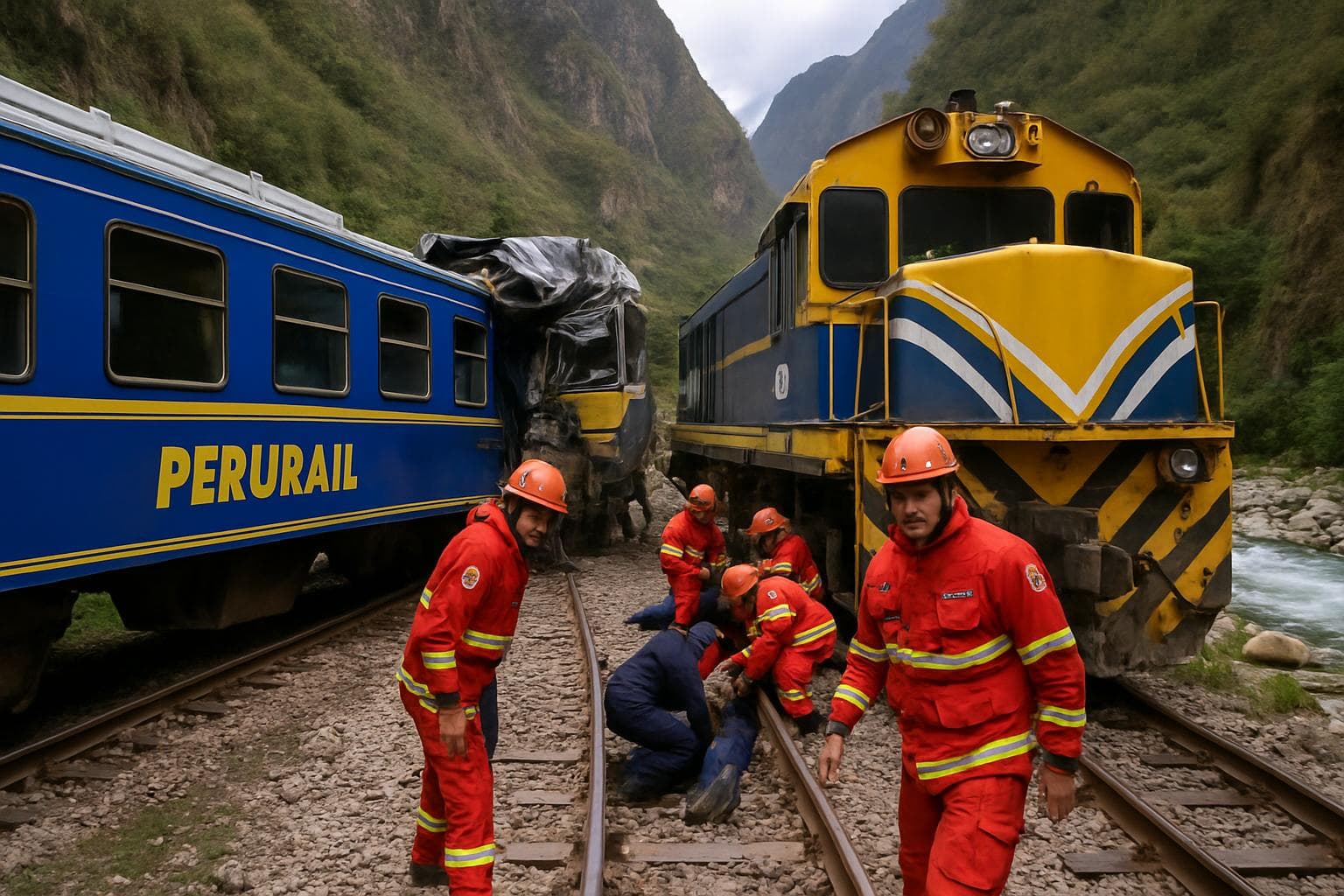
A tragic train collision near Peru's iconic Machu Picchu has left one person dead and at least 40 injured, including several in critical condition. The accident occurred on Tuesday on the single rail track connecting Ollantaytambo Station and Aguas Calientes, the closest town to the world-renowned archaeological site.
Details of the Collision
The fatal crash involved two trains operated by PeruRail and Inca Rail, which collided head-on near the Qoriwayrachina archaeological site. The deceased was identified as a railroad worker, according to Captain Jhonathan Castillo Gonzalez of the Cuzco police department. The collision has led to the suspension of railway services, stranding hundreds of tourists in the region.
Emergency Response and Impact
Emergency services, including 20 ambulances, were dispatched to the scene, with injured passengers transported to medical facilities in Cusco. The US embassy in Peru confirmed that American citizens were among those injured, though identities have not been disclosed. The difficult terrain around the crash site has hampered evacuation efforts.
Ongoing Disputes and Safety Concerns
The cause of the collision remains under investigation, occurring amid ongoing disputes over the transportation services to Machu Picchu. Local communities have expressed dissatisfaction with the bidding process for these services, citing high ticket prices and limited accessibility. The site, a UNESCO World Heritage site, attracts approximately 1.5 million visitors annually, primarily via train.
Tourism and Preservation Challenges
Built in the 15th century, Machu Picchu is a marvel of Incan architecture and a major tourist attraction. However, the site faces challenges from overtourism and political unrest, with protests occasionally disrupting access. Efforts to preserve the site include a daily cap on visitors, yet concerns about sustainability persist.
WHAT THIS MIGHT MEAN
The aftermath of the Machu Picchu train crash could lead to increased scrutiny of railway safety standards in Peru, potentially prompting regulatory changes. The incident may also exacerbate existing tensions between local communities and transportation providers, influencing future negotiations over service contracts. Additionally, the disruption in tourist access could impact the local economy, which heavily relies on tourism revenue. Experts suggest that addressing these challenges will require a collaborative approach to ensure both safety and sustainability in the region's tourism industry.
Related Articles

Peru's Political Turmoil: President José Jerí Ousted Amid Scandal
Mexico Protests Turn Violent Amid Outcry Over Mayor's Assassination
Mass Evacuations and Minimal Damage as Pacific Earthquake Triggers Tsunami Warnings

Ronald Hicks Appointed as New York's Archbishop, Signaling Continued Catholic Challenge to Immigration Policies
Ford and Copper Industries Grapple with Trump's Tariff Policies

Peru's Political Turmoil Continues with New Interim President Amid Controversy
Tragic Train Collision Near Machu Picchu Leaves One Dead and Dozens Injured
In This Article
 Ethan Brooks| Published
 HIGHLIGHTS
- A head-on train collision near Machu Picchu resulted in one death and at least 40 injuries, with 20 in serious condition.
- The crash involved trains operated by PeruRail and Inca Rail on the route between Ollantaytambo Station and Aguas Calientes.
- The incident has disrupted services on the railway line, stranding hundreds of tourists in the area.
- The cause of the accident remains unclear amid ongoing disputes over transportation services to Machu Picchu.
- Machu Picchu, a UNESCO World Heritage site, faces challenges from overtourism and local protests affecting access.
A tragic train collision near Peru's iconic Machu Picchu has left one person dead and at least 40 injured, including several in critical condition. The accident occurred on Tuesday on the single rail track connecting Ollantaytambo Station and Aguas Calientes, the closest town to the world-renowned archaeological site.
Details of the Collision
The fatal crash involved two trains operated by PeruRail and Inca Rail, which collided head-on near the Qoriwayrachina archaeological site. The deceased was identified as a railroad worker, according to Captain Jhonathan Castillo Gonzalez of the Cuzco police department. The collision has led to the suspension of railway services, stranding hundreds of tourists in the region.
Emergency Response and Impact
Emergency services, including 20 ambulances, were dispatched to the scene, with injured passengers transported to medical facilities in Cusco. The US embassy in Peru confirmed that American citizens were among those injured, though identities have not been disclosed. The difficult terrain around the crash site has hampered evacuation efforts.
Ongoing Disputes and Safety Concerns
The cause of the collision remains under investigation, occurring amid ongoing disputes over the transportation services to Machu Picchu. Local communities have expressed dissatisfaction with the bidding process for these services, citing high ticket prices and limited accessibility. The site, a UNESCO World Heritage site, attracts approximately 1.5 million visitors annually, primarily via train.
Tourism and Preservation Challenges
Built in the 15th century, Machu Picchu is a marvel of Incan architecture and a major tourist attraction. However, the site faces challenges from overtourism and political unrest, with protests occasionally disrupting access. Efforts to preserve the site include a daily cap on visitors, yet concerns about sustainability persist.
WHAT THIS MIGHT MEAN
The aftermath of the Machu Picchu train crash could lead to increased scrutiny of railway safety standards in Peru, potentially prompting regulatory changes. The incident may also exacerbate existing tensions between local communities and transportation providers, influencing future negotiations over service contracts. Additionally, the disruption in tourist access could impact the local economy, which heavily relies on tourism revenue. Experts suggest that addressing these challenges will require a collaborative approach to ensure both safety and sustainability in the region's tourism industry.
Related Articles
Peru's Political Turmoil: President José Jerí Ousted Amid Scandal
Mexico Protests Turn Violent Amid Outcry Over Mayor's Assassination
Mass Evacuations and Minimal Damage as Pacific Earthquake Triggers Tsunami Warnings
Ronald Hicks Appointed as New York's Archbishop, Signaling Continued Catholic Challenge to Immigration Policies
Ford and Copper Industries Grapple with Trump's Tariff Policies
Peru's Political Turmoil Continues with New Interim President Amid Controversy