
Unprecedented Marine Heatwave Devastates Western Australia's Coral Reefs
In This Article
HIGHLIGHTS
- Western Australia's coral reefs have experienced the worst bleaching on record due to an unprecedented marine heatwave.
- The heatwave, spanning from August 2024 to May 2025, affected a 1,500km stretch, including previously unaffected areas like the Rowley Shoals and Ningaloo Reef.
- Scientists report that some reefs saw over 90% of corals bleached or dead, with recovery expected to take 10 to 15 years.
- The event underscores the urgent need for global climate action to mitigate the effects of climate change on coral reefs.
- The Great Barrier Reef has also suffered significant coral loss, highlighting the widespread impact of rising ocean temperatures.
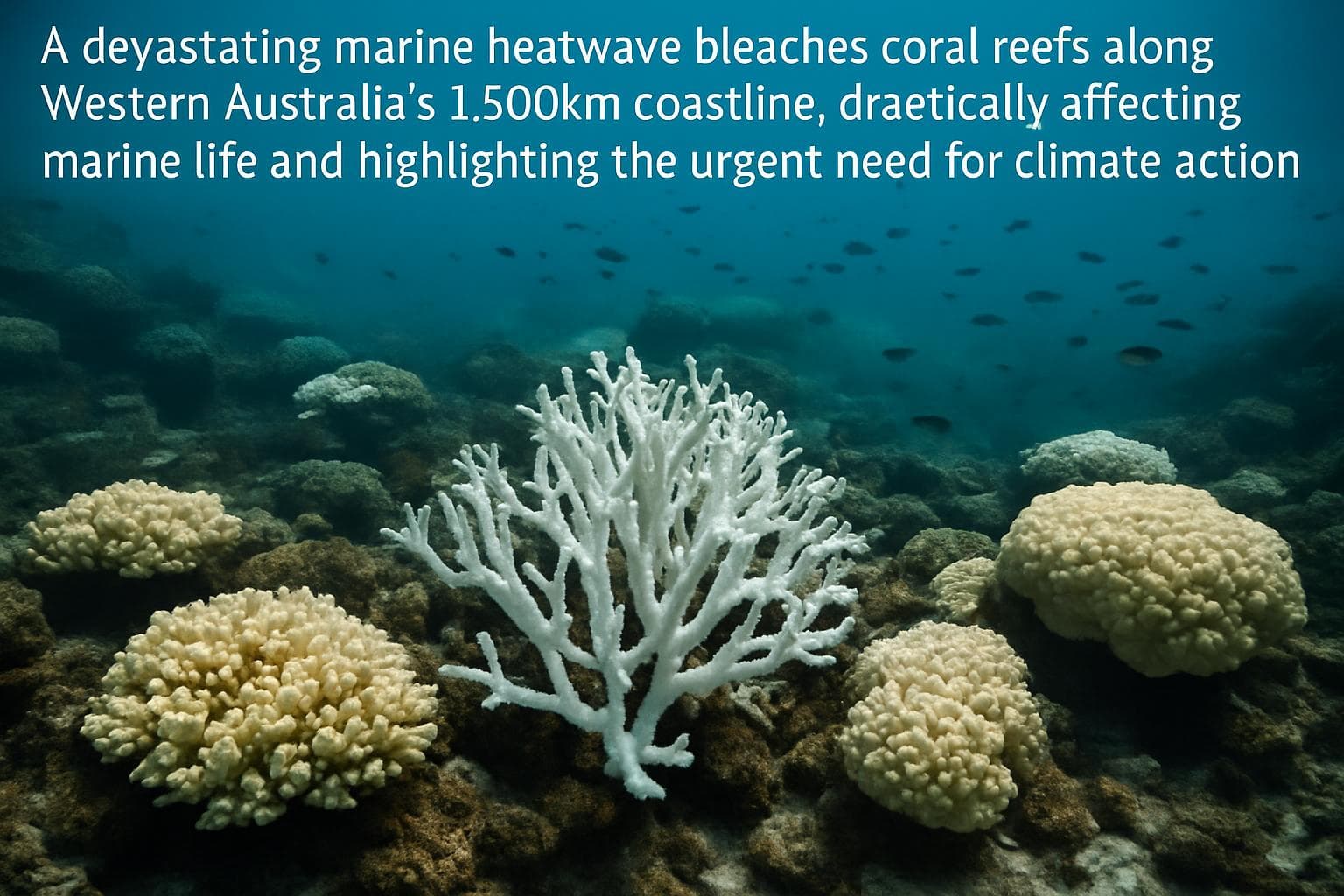
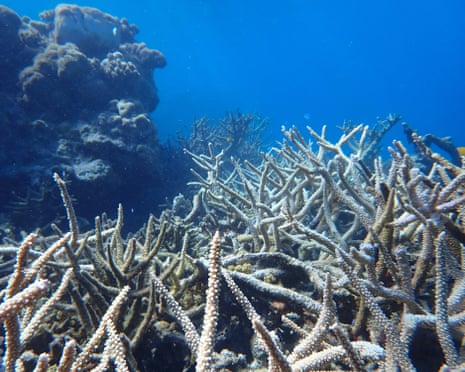
Western Australia's coral reefs have suffered their most severe bleaching event on record, scientists report, following the region's "longest, largest and most intense" marine heatwave. Spanning from August 2024 to May 2025, this heatwave has wreaked havoc across a 1,500km stretch of the state's coastline, impacting iconic sites such as the Ningaloo Reef and Rowley Shoals.
Extent of Damage
The Australian Institute of Marine Science (AIMS) has confirmed that the heatwave led to significant coral bleaching, with some areas experiencing over 90% coral mortality. Dr. James Gilmour of AIMS noted that the intensity and duration of the heat stress were unprecedented, affecting regions that had previously been resilient to climate change impacts. "Areas like the Rowley Shoals, which had been hope spots for scientists, have been hit hard," he stated.
Global Context
This event is part of a broader pattern of global coral bleaching, driven by rising ocean temperatures. The Great Barrier Reef, another World Heritage-listed site, has also seen its largest coral decline in nearly four decades. Federal Environment Minister Murray Watt emphasized the need for urgent climate action, stating that the damage "underlines the need for Australia and the world to reach net zero emissions."
Impact on Ecosystems
Coral reefs are vital ecosystems, supporting fisheries and tourism industries that sustain millions of people worldwide. The frequent and severe bleaching events leave little time for recovery, as corals typically need 10 to 15 years to regenerate. The UN has warned that even with global temperature rises limited to 1.5°C, up to 90% of tropical coral reefs could perish.
WHAT THIS MIGHT MEAN
The devastating impact of the marine heatwave on Western Australia's coral reefs highlights the urgent need for comprehensive climate policies. If global temperatures continue to rise, coral reefs may face increasingly frequent and severe bleaching events, threatening biodiversity and the livelihoods of communities dependent on these ecosystems. Experts suggest that immediate action to reduce carbon emissions and implement sustainable practices is crucial to preserving these vital marine habitats. As scientists and policymakers convene to address this crisis, the focus will likely be on developing strategies to enhance coral resilience and mitigate future damage.
Images from the Web
Related Articles

Terrorism Charges Filed Over Alleged Bombing Attempt at Invasion Day Rally in Perth

Explosive Device Thrown at Perth Invasion Day Rally Sparks Arrest and Charges
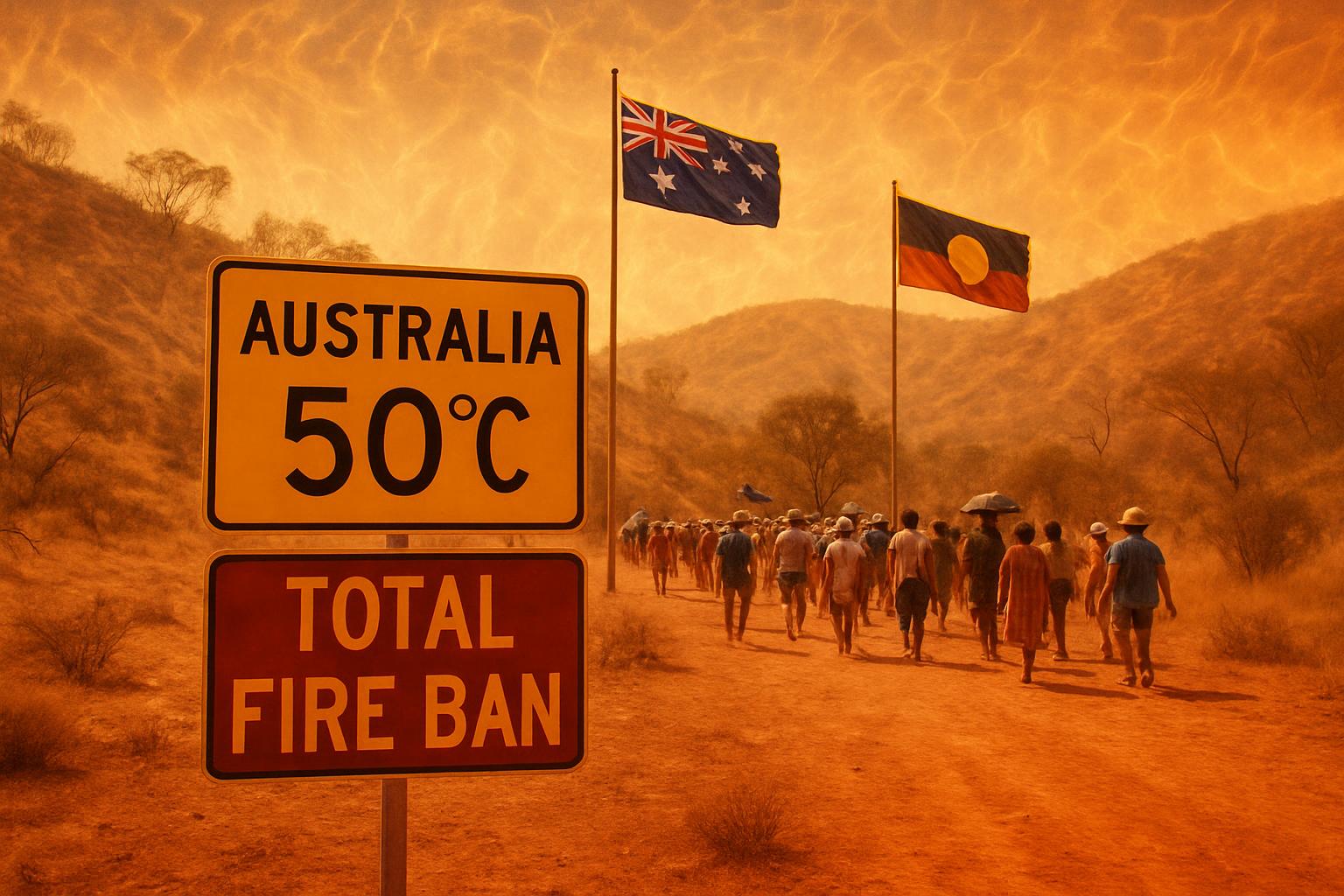
Australia Braces for Record-Breaking Heatwave Amid National Day Celebrations
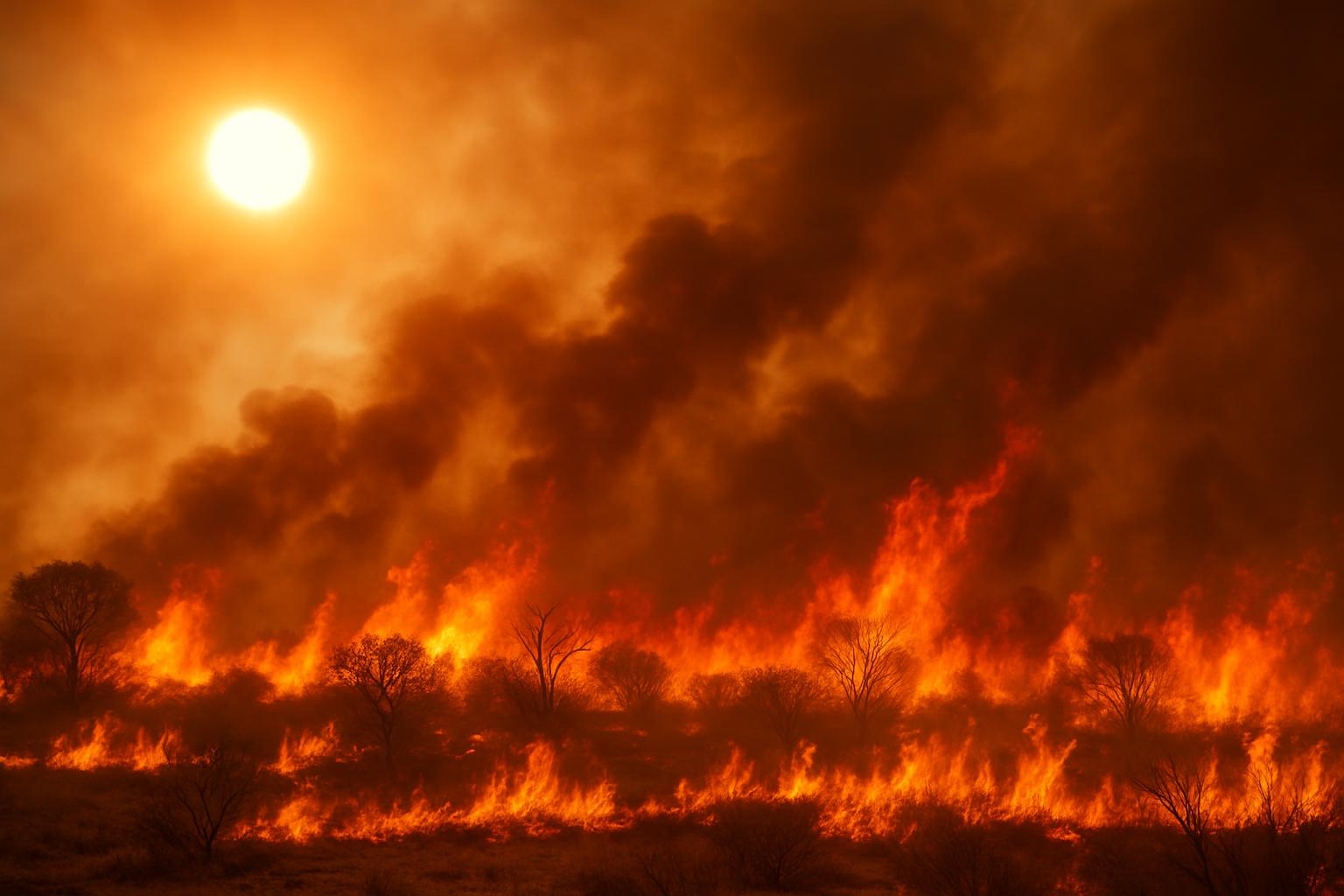
Australia Braces for Catastrophic Fire Conditions Amid Severe Heatwave

US-Iran Tensions Escalate Amid Renewed Nuclear Talks and Protests

Russia-Ukraine Conflict: Four Years of Unyielding Struggle and Human Resilience
Unprecedented Marine Heatwave Devastates Western Australia's Coral Reefs
In This Article
HIGHLIGHTS
- Western Australia's coral reefs have experienced the worst bleaching on record due to an unprecedented marine heatwave.
- The heatwave, spanning from August 2024 to May 2025, affected a 1,500km stretch, including previously unaffected areas like the Rowley Shoals and Ningaloo Reef.
- Scientists report that some reefs saw over 90% of corals bleached or dead, with recovery expected to take 10 to 15 years.
- The event underscores the urgent need for global climate action to mitigate the effects of climate change on coral reefs.
- The Great Barrier Reef has also suffered significant coral loss, highlighting the widespread impact of rising ocean temperatures.
Western Australia's coral reefs have suffered their most severe bleaching event on record, scientists report, following the region's "longest, largest and most intense" marine heatwave. Spanning from August 2024 to May 2025, this heatwave has wreaked havoc across a 1,500km stretch of the state's coastline, impacting iconic sites such as the Ningaloo Reef and Rowley Shoals.
Extent of Damage
The Australian Institute of Marine Science (AIMS) has confirmed that the heatwave led to significant coral bleaching, with some areas experiencing over 90% coral mortality. Dr. James Gilmour of AIMS noted that the intensity and duration of the heat stress were unprecedented, affecting regions that had previously been resilient to climate change impacts. "Areas like the Rowley Shoals, which had been hope spots for scientists, have been hit hard," he stated.
Global Context
This event is part of a broader pattern of global coral bleaching, driven by rising ocean temperatures. The Great Barrier Reef, another World Heritage-listed site, has also seen its largest coral decline in nearly four decades. Federal Environment Minister Murray Watt emphasized the need for urgent climate action, stating that the damage "underlines the need for Australia and the world to reach net zero emissions."
Impact on Ecosystems
Coral reefs are vital ecosystems, supporting fisheries and tourism industries that sustain millions of people worldwide. The frequent and severe bleaching events leave little time for recovery, as corals typically need 10 to 15 years to regenerate. The UN has warned that even with global temperature rises limited to 1.5°C, up to 90% of tropical coral reefs could perish.
WHAT THIS MIGHT MEAN
The devastating impact of the marine heatwave on Western Australia's coral reefs highlights the urgent need for comprehensive climate policies. If global temperatures continue to rise, coral reefs may face increasingly frequent and severe bleaching events, threatening biodiversity and the livelihoods of communities dependent on these ecosystems. Experts suggest that immediate action to reduce carbon emissions and implement sustainable practices is crucial to preserving these vital marine habitats. As scientists and policymakers convene to address this crisis, the focus will likely be on developing strategies to enhance coral resilience and mitigate future damage.
Images from the Web
Related Articles
Terrorism Charges Filed Over Alleged Bombing Attempt at Invasion Day Rally in Perth
Explosive Device Thrown at Perth Invasion Day Rally Sparks Arrest and Charges
Australia Braces for Record-Breaking Heatwave Amid National Day Celebrations
Australia Braces for Catastrophic Fire Conditions Amid Severe Heatwave
US-Iran Tensions Escalate Amid Renewed Nuclear Talks and Protests
Russia-Ukraine Conflict: Four Years of Unyielding Struggle and Human Resilience