
Martin Chivers: A Football Legend Remembered
In This Article
HIGHLIGHTS
- Martin Chivers, a celebrated former footballer for Southampton FC and Tottenham Hotspur, passed away at the age of 80.
- Chivers scored 174 goals for Spurs, making him the fourth-highest scorer in the club's history, and played a pivotal role in their Uefa Cup and League Cup victories.
- He was transferred from Southampton to Tottenham in 1968 for a then-record British transfer fee of £125,000.
- Despite his success at the club level, Chivers' international career with England was less illustrious, with 13 goals in 24 appearances.
- Known for his powerful play and smooth movement, Chivers was fondly remembered as a "true Sotonian" and a "Rolls Royce" of a player.
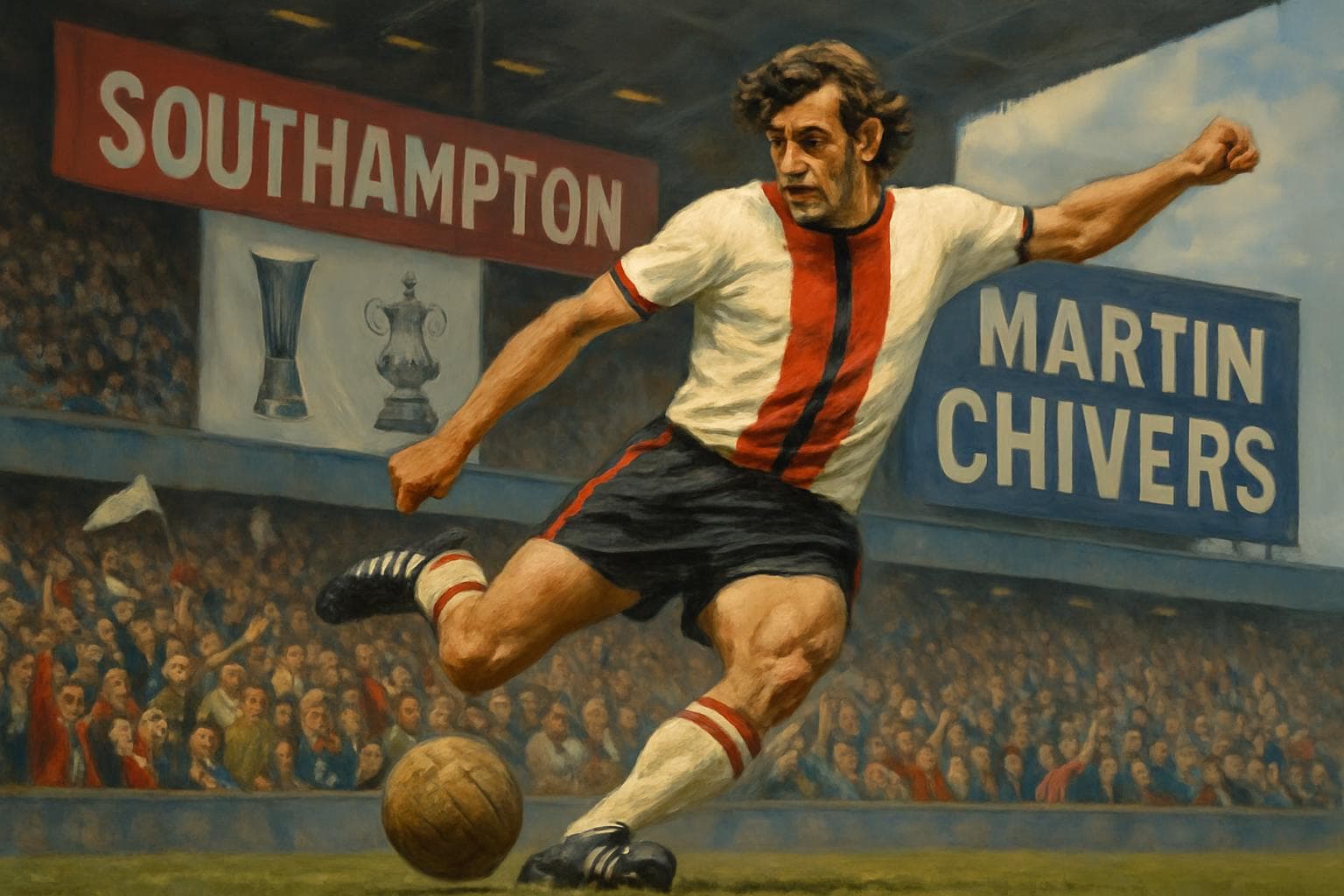
Martin Chivers, the former Southampton and Tottenham Hotspur forward, has passed away at the age of 80, leaving behind a legacy that has been fondly remembered by fans and colleagues alike. Born in Southampton to a German mother and a dock worker father, Chivers' journey from a local lad to a football legend is a testament to his remarkable talent and determination.
A Stellar Career at Southampton and Tottenham
Chivers began his professional career with Southampton FC, where he quickly established himself as a formidable striker. Between 1962 and 1968, he scored 108 goals in 189 appearances for the club. His prowess on the field caught the attention of Tottenham Hotspur, who signed him in 1968 for a record British transfer fee of £125,000. At Spurs, Chivers truly flourished, netting 174 goals in 367 matches and becoming the fourth-highest scorer in the club's history. His contributions were instrumental in securing two League Cup victories and a Uefa Cup win.
International Challenges and Personal Triumphs
Despite his club success, Chivers' international career with England was marked by challenges. He scored 13 goals in 24 appearances but was part of a team that failed to qualify for the World Cup during his tenure. Nevertheless, his impact on the field was undeniable, with his powerful play and smooth movement earning him the nickname "Rolls Royce" among fans and peers.
A Legacy of Strength and Grace
Chivers' journey was not without its hurdles. He overcame a significant knee injury shortly after joining Tottenham, which sidelined him for nearly a year. Yet, his resilience and skill shone through, and he formed a formidable partnership with fellow striker Alan Gilzean. Former manager Bill Nicholson once described Chivers as having "the build of a heavyweight boxer but the heart of a poet," a testament to his unique blend of strength and grace.
Tributes and Remembrances
Tributes have poured in from across the football community. Duncan Holley, a Southampton FC historian, praised Chivers as "a true Sotonian" who made his mark both locally and nationally. Former Southampton manager Dave Merrington remembered him as "a very good player" and "a really nice guy," highlighting the personal warmth that accompanied his professional achievements.
WHAT THIS MIGHT MEAN
As the football world mourns the loss of Martin Chivers, his legacy continues to inspire both current and future generations of players. His story underscores the importance of resilience and adaptability in sports, qualities that are as relevant today as they were during his playing days. Looking ahead, Chivers' contributions to English football history will likely be celebrated through tributes and commemorations, ensuring that his impact on the game is remembered for years to come.
Related Articles

Saharan Dust to Illuminate UK Skies with Vivid Sunrises and Sunsets

Government Announces £4 Billion Overhaul of SEND Support in England

UK Government Announces Major Overhaul of SEND System with £3.4 Billion Investment

Government Unveils Ambitious Plan to Halve Attainment Gap in England's Schools

UK Government's SEND Reforms: A Critical Turning Point for Special Education
UK Government Eases Deer Culling to Protect Woodlands and Farmland
Martin Chivers: A Football Legend Remembered
In This Article
 Marcus Blake| Published
 HIGHLIGHTS
- Martin Chivers, a celebrated former footballer for Southampton FC and Tottenham Hotspur, passed away at the age of 80.
- Chivers scored 174 goals for Spurs, making him the fourth-highest scorer in the club's history, and played a pivotal role in their Uefa Cup and League Cup victories.
- He was transferred from Southampton to Tottenham in 1968 for a then-record British transfer fee of £125,000.
- Despite his success at the club level, Chivers' international career with England was less illustrious, with 13 goals in 24 appearances.
- Known for his powerful play and smooth movement, Chivers was fondly remembered as a "true Sotonian" and a "Rolls Royce" of a player.
Martin Chivers, the former Southampton and Tottenham Hotspur forward, has passed away at the age of 80, leaving behind a legacy that has been fondly remembered by fans and colleagues alike. Born in Southampton to a German mother and a dock worker father, Chivers' journey from a local lad to a football legend is a testament to his remarkable talent and determination.
A Stellar Career at Southampton and Tottenham
Chivers began his professional career with Southampton FC, where he quickly established himself as a formidable striker. Between 1962 and 1968, he scored 108 goals in 189 appearances for the club. His prowess on the field caught the attention of Tottenham Hotspur, who signed him in 1968 for a record British transfer fee of £125,000. At Spurs, Chivers truly flourished, netting 174 goals in 367 matches and becoming the fourth-highest scorer in the club's history. His contributions were instrumental in securing two League Cup victories and a Uefa Cup win.
International Challenges and Personal Triumphs
Despite his club success, Chivers' international career with England was marked by challenges. He scored 13 goals in 24 appearances but was part of a team that failed to qualify for the World Cup during his tenure. Nevertheless, his impact on the field was undeniable, with his powerful play and smooth movement earning him the nickname "Rolls Royce" among fans and peers.
A Legacy of Strength and Grace
Chivers' journey was not without its hurdles. He overcame a significant knee injury shortly after joining Tottenham, which sidelined him for nearly a year. Yet, his resilience and skill shone through, and he formed a formidable partnership with fellow striker Alan Gilzean. Former manager Bill Nicholson once described Chivers as having "the build of a heavyweight boxer but the heart of a poet," a testament to his unique blend of strength and grace.
Tributes and Remembrances
Tributes have poured in from across the football community. Duncan Holley, a Southampton FC historian, praised Chivers as "a true Sotonian" who made his mark both locally and nationally. Former Southampton manager Dave Merrington remembered him as "a very good player" and "a really nice guy," highlighting the personal warmth that accompanied his professional achievements.
WHAT THIS MIGHT MEAN
As the football world mourns the loss of Martin Chivers, his legacy continues to inspire both current and future generations of players. His story underscores the importance of resilience and adaptability in sports, qualities that are as relevant today as they were during his playing days. Looking ahead, Chivers' contributions to English football history will likely be celebrated through tributes and commemorations, ensuring that his impact on the game is remembered for years to come.
Related Articles
Saharan Dust to Illuminate UK Skies with Vivid Sunrises and Sunsets
Government Announces £4 Billion Overhaul of SEND Support in England
UK Government Announces Major Overhaul of SEND System with £3.4 Billion Investment
Government Unveils Ambitious Plan to Halve Attainment Gap in England's Schools
UK Government's SEND Reforms: A Critical Turning Point for Special Education
UK Government Eases Deer Culling to Protect Woodlands and Farmland