
Mass Arrests and Legal Battles: The Ongoing Struggle Over the Palestine Action Ban
In This Article
HIGHLIGHTS
- Over 500 protesters were arrested in Parliament Square for supporting the banned group Palestine Action, with many being elderly.
- The next protest, scheduled for September 6, aims to double participation to 1,000 people to pressure the UK government to lift the ban.
- Legal proceedings are ongoing, with three individuals charged under terrorism laws for supporting Palestine Action.
- The ban's legality is questioned, with critics citing minor property damage as insufficient grounds for proscription.
- The UK government faces criticism for prioritizing this ban amid broader national challenges.
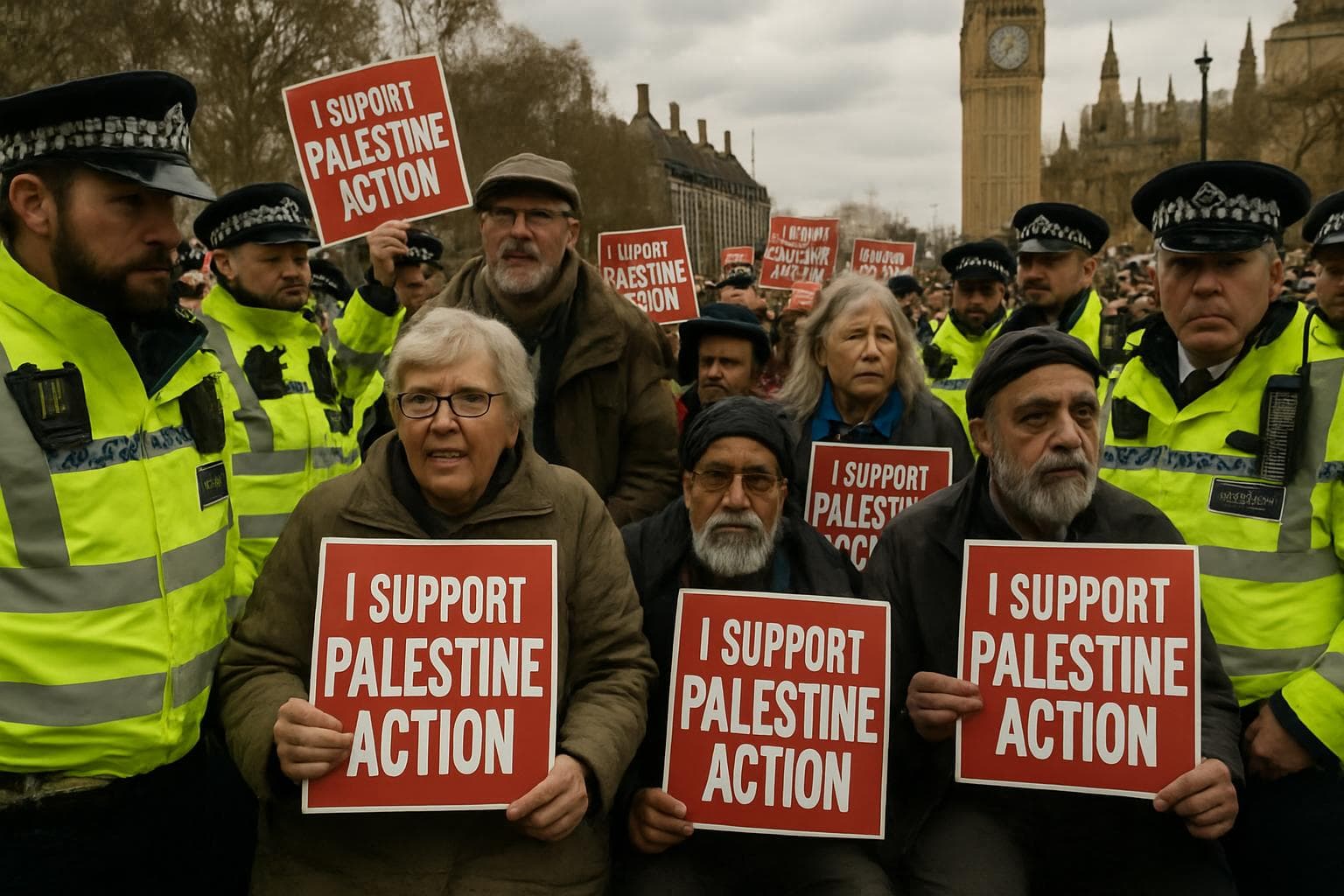
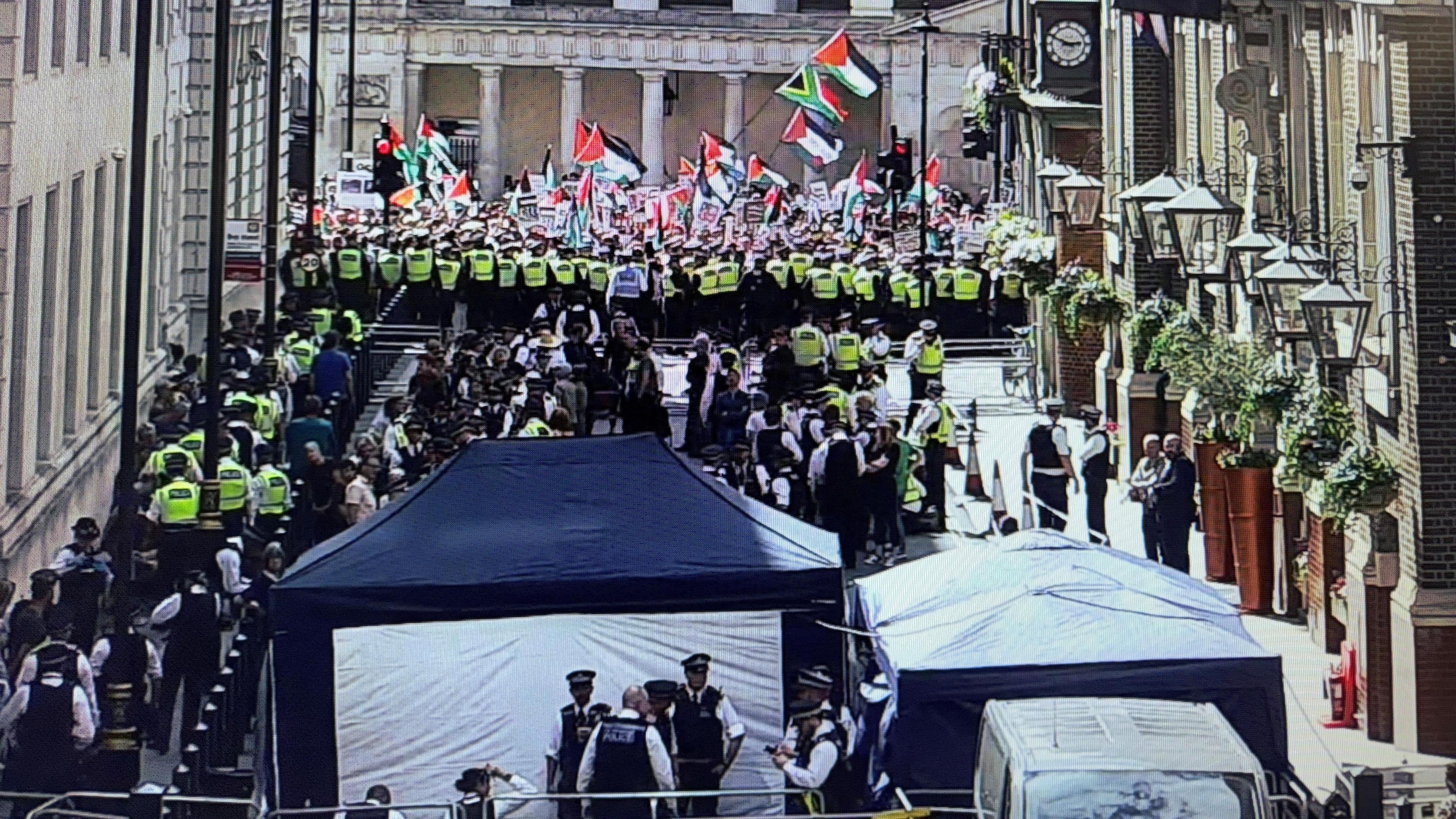
The recent mass arrests of over 500 individuals in Parliament Square have intensified the debate over the UK's ban on Palestine Action, a group recently proscribed as a terrorist organization. The protest, marked by placards reading "I support Palestine Action," saw an unprecedented number of arrests, with the average age of those detained being 54, and many over 70. This has sparked a political and legal battle, as organizers plan a larger demonstration on September 6, aiming for 1,000 participants to challenge the ban.
Protest and Arrests
The demonstration, organized by Defend Our Juries, resulted in 532 arrests, primarily under section 13 of the Terrorism Act. The group's spokesperson criticized the government's focus on peaceful protesters, highlighting the strain on the criminal justice system and questioning the ban's rationale. "With all the real challenges facing the country, it’s crazy that the Labour government has generated a political crisis over people quietly holding cardboard signs," they stated.
Legal Context and Challenges
The legal proceedings are complex, with three individuals already charged for displaying support for Palestine Action. The Director of Public Prosecutions, Stephen Parkinson, consulted the Attorney General's Office due to the sensitive nature of terrorism cases. This process could delay trials for the remaining 700 arrested, potentially extending over a year. Critics argue that the group's actions, described as minor property damage by the Joint Terrorism Analysis Centre, do not justify the ban.
Government and Public Response
Downing Street and Home Secretary Yvette Cooper have defended the ban, citing alleged violent tendencies within Palestine Action. However, intelligence assessments suggest the group's tactics primarily involve non-violent direct action. The Defend Our Juries spokesperson argued that isolated incidents should not define the entire organization, drawing parallels to unrelated political figures' actions.
WHAT THIS MIGHT MEAN
The upcoming protest on September 6 could significantly influence public perception and political pressure regarding the Palestine Action ban. If participation reaches the targeted 1,000, it may compel the government to reconsider its stance. Legally, the ongoing cases will test the boundaries of terrorism laws and their application to protest groups. Experts suggest that the outcome could set a precedent for how similar organizations are treated in the future, potentially reshaping the landscape of political activism in the UK.
Images from the Web
Related Articles
Diplomatic Tensions Rise as Trump Criticizes Starmer's Iran Policy

UK Government to Reform Asylum Seeker Support and Employment Policies

UK Faces Dilemmas Amid Iran Conflict and China Spying Allegations
UK Reinforces Military Presence in Cyprus Amid Middle East Tensions

UK-Iran Tensions: Starmer Defends Cautious Approach Amid Trump Criticism
Persistent Safety Concerns in Nottingham Maternity Services Amidst Calls for Systemic Reform
Mass Arrests and Legal Battles: The Ongoing Struggle Over the Palestine Action Ban
In This Article
 Ethan Brooks| Published
 HIGHLIGHTS
- Over 500 protesters were arrested in Parliament Square for supporting the banned group Palestine Action, with many being elderly.
- The next protest, scheduled for September 6, aims to double participation to 1,000 people to pressure the UK government to lift the ban.
- Legal proceedings are ongoing, with three individuals charged under terrorism laws for supporting Palestine Action.
- The ban's legality is questioned, with critics citing minor property damage as insufficient grounds for proscription.
- The UK government faces criticism for prioritizing this ban amid broader national challenges.
The recent mass arrests of over 500 individuals in Parliament Square have intensified the debate over the UK's ban on Palestine Action, a group recently proscribed as a terrorist organization. The protest, marked by placards reading "I support Palestine Action," saw an unprecedented number of arrests, with the average age of those detained being 54, and many over 70. This has sparked a political and legal battle, as organizers plan a larger demonstration on September 6, aiming for 1,000 participants to challenge the ban.
Protest and Arrests
The demonstration, organized by Defend Our Juries, resulted in 532 arrests, primarily under section 13 of the Terrorism Act. The group's spokesperson criticized the government's focus on peaceful protesters, highlighting the strain on the criminal justice system and questioning the ban's rationale. "With all the real challenges facing the country, it’s crazy that the Labour government has generated a political crisis over people quietly holding cardboard signs," they stated.
Legal Context and Challenges
The legal proceedings are complex, with three individuals already charged for displaying support for Palestine Action. The Director of Public Prosecutions, Stephen Parkinson, consulted the Attorney General's Office due to the sensitive nature of terrorism cases. This process could delay trials for the remaining 700 arrested, potentially extending over a year. Critics argue that the group's actions, described as minor property damage by the Joint Terrorism Analysis Centre, do not justify the ban.
Government and Public Response
Downing Street and Home Secretary Yvette Cooper have defended the ban, citing alleged violent tendencies within Palestine Action. However, intelligence assessments suggest the group's tactics primarily involve non-violent direct action. The Defend Our Juries spokesperson argued that isolated incidents should not define the entire organization, drawing parallels to unrelated political figures' actions.
WHAT THIS MIGHT MEAN
The upcoming protest on September 6 could significantly influence public perception and political pressure regarding the Palestine Action ban. If participation reaches the targeted 1,000, it may compel the government to reconsider its stance. Legally, the ongoing cases will test the boundaries of terrorism laws and their application to protest groups. Experts suggest that the outcome could set a precedent for how similar organizations are treated in the future, potentially reshaping the landscape of political activism in the UK.
Images from the Web
Related Articles
Diplomatic Tensions Rise as Trump Criticizes Starmer's Iran Policy
UK Government to Reform Asylum Seeker Support and Employment Policies
UK Faces Dilemmas Amid Iran Conflict and China Spying Allegations
UK Reinforces Military Presence in Cyprus Amid Middle East Tensions
UK-Iran Tensions: Starmer Defends Cautious Approach Amid Trump Criticism
Persistent Safety Concerns in Nottingham Maternity Services Amidst Calls for Systemic Reform