
Germany's Merz Advocates Stronger European Defence and Migration Cooperation
In This Article
HIGHLIGHTS
- German Chancellor Friedrich Merz acknowledges Europe's past reliance on US defence, emphasizing increased European defence efforts.
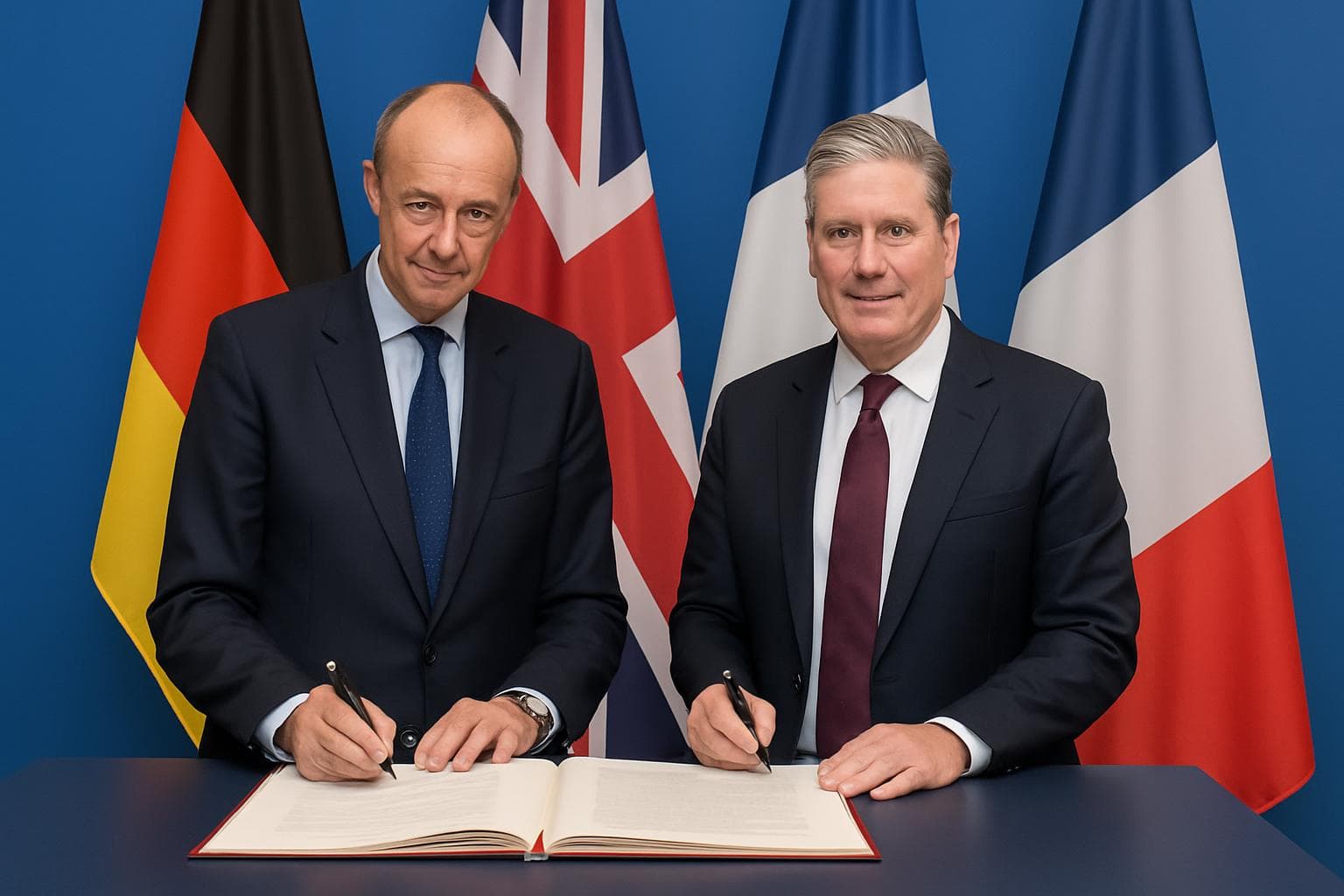
- Merz, alongside UK Prime Minister Keir Starmer, signed the Kensington treaty to enhance UK-Germany cooperation on migration, defence, and education.
- The treaty marks the first formal UK-Germany pact since WWII, aiming to address illegal migration and deepen defence ties.
- Merz calls for a strategic alliance between the UK, Germany, and France, despite expressing regret over Brexit.
- The ongoing Russia-Ukraine conflict and US trade tensions underscore the need for stronger European coordination.
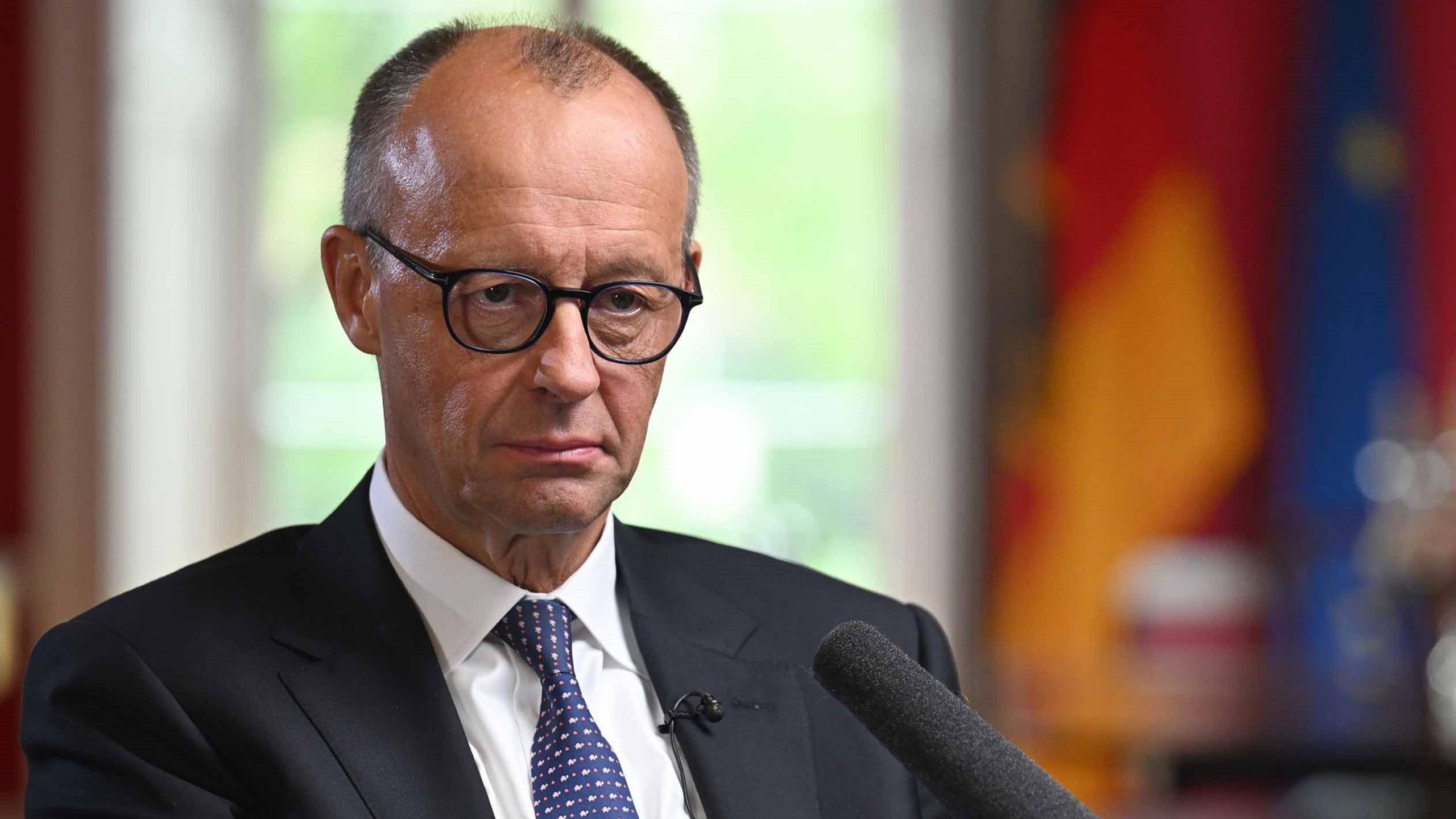
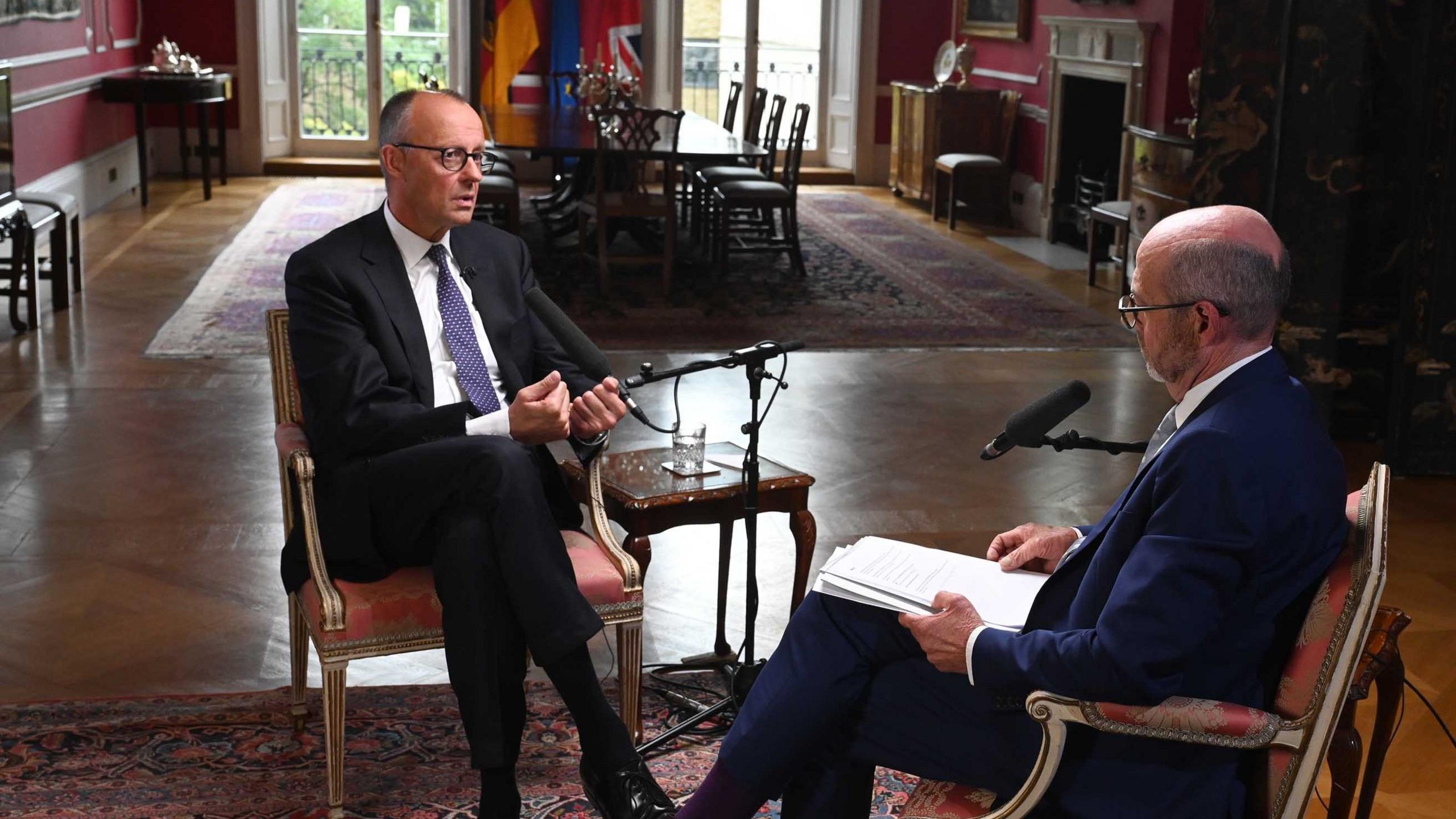
German Chancellor Friedrich Merz has called for a robust European response to defence and migration challenges, acknowledging past reliance on the United States and advocating for increased self-reliance. In a recent interview with the BBC, Merz admitted that Europe had been "free-riders" in terms of defence funding but emphasized ongoing efforts to rectify this imbalance. "We know we have to do more on our own," Merz stated, highlighting the need for Europe to bolster its defence capabilities amid growing geopolitical tensions.
Merz's visit to the UK culminated in the signing of the Kensington treaty, a historic agreement aimed at strengthening UK-Germany relations. The treaty, signed alongside UK Prime Minister Keir Starmer, outlines plans for enhanced cooperation on migration, defence, trade, and education. This marks the first formal pact between the two nations since World War II, underscoring a renewed commitment to tackle shared challenges.
The German Chancellor's call for a strategic axis involving the UK, Germany, and France reflects a vision for a tightly integrated European alliance. Despite expressing regret over Brexit, Merz emphasized the importance of including the UK in this trilateral cooperation. "We had you in the European Union and we thought that was enough," Merz remarked, acknowledging the need for deeper collaboration in a post-Brexit landscape.
The ongoing conflict in Ukraine and uncertainty over the US's future role in NATO have heightened the urgency for stronger European coordination. Merz and Starmer stressed the importance of a united front against threats from Russia, with Merz warning of the broader implications for European peace and political order.
Addressing illegal migration, Merz proposed expanding the recent UK-France returns agreement into a three-way pact with Germany. This initiative aims to mount a more coordinated response to irregular migration, with Germany set to amend domestic laws to facilitate enforcement measures.
WHAT THIS MIGHT MEAN
The Kensington treaty and Merz's call for a strategic European alliance signal a potential shift towards greater continental self-reliance in defence and migration policy. As Europe grapples with the Russia-Ukraine conflict and evolving US-EU relations, the proposed E3 alliance could play a pivotal role in shaping the region's geopolitical landscape. Experts suggest that deeper UK-Germany-France cooperation may enhance Europe's ability to address shared challenges, though the success of such initiatives will depend on sustained political will and effective implementation.
Images from the Web
Related Articles

UK Faces Dilemmas Amid Iran Conflict and China Spying Allegations

UK-Iran Tensions: Starmer Defends Cautious Approach Amid Trump Criticism
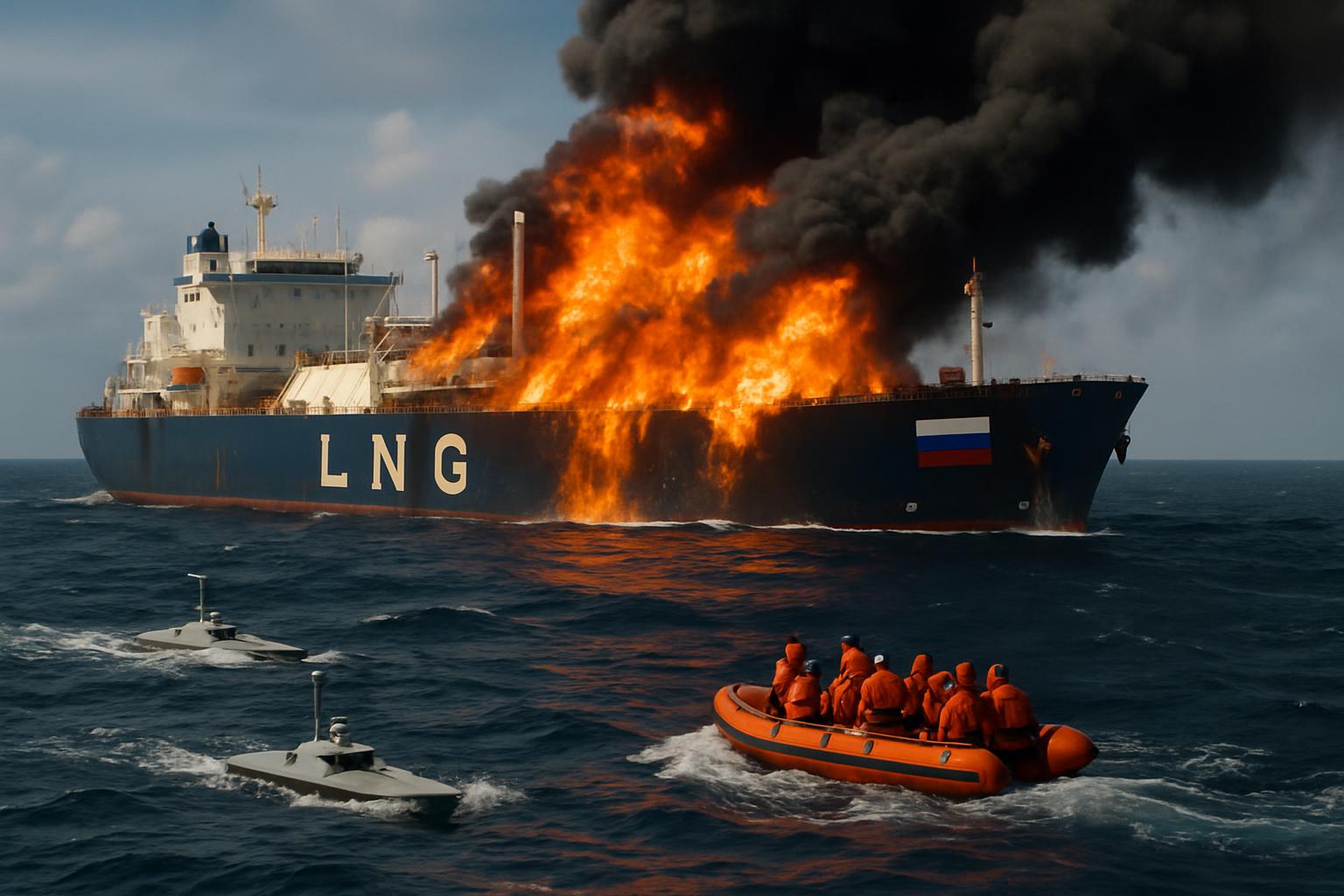
Russian LNG Tanker Sinks in Mediterranean Amid Accusations of Ukrainian Drone Attack
China Sets Lowest GDP Growth Target in Decades Amid Economic Challenges
Canada and Australia Forge Strategic Partnership Amid Global Uncertainty

UK Government to Reform Asylum Seeker Support and Employment Policies
Germany's Merz Advocates Stronger European Defence and Migration Cooperation
In This Article
 Alex Carter| Published
 HIGHLIGHTS
- German Chancellor Friedrich Merz acknowledges Europe's past reliance on US defence, emphasizing increased European defence efforts.
- Merz, alongside UK Prime Minister Keir Starmer, signed the Kensington treaty to enhance UK-Germany cooperation on migration, defence, and education.
- The treaty marks the first formal UK-Germany pact since WWII, aiming to address illegal migration and deepen defence ties.
- Merz calls for a strategic alliance between the UK, Germany, and France, despite expressing regret over Brexit.
- The ongoing Russia-Ukraine conflict and US trade tensions underscore the need for stronger European coordination.
German Chancellor Friedrich Merz has called for a robust European response to defence and migration challenges, acknowledging past reliance on the United States and advocating for increased self-reliance. In a recent interview with the BBC, Merz admitted that Europe had been "free-riders" in terms of defence funding but emphasized ongoing efforts to rectify this imbalance. "We know we have to do more on our own," Merz stated, highlighting the need for Europe to bolster its defence capabilities amid growing geopolitical tensions.
Merz's visit to the UK culminated in the signing of the Kensington treaty, a historic agreement aimed at strengthening UK-Germany relations. The treaty, signed alongside UK Prime Minister Keir Starmer, outlines plans for enhanced cooperation on migration, defence, trade, and education. This marks the first formal pact between the two nations since World War II, underscoring a renewed commitment to tackle shared challenges.
The German Chancellor's call for a strategic axis involving the UK, Germany, and France reflects a vision for a tightly integrated European alliance. Despite expressing regret over Brexit, Merz emphasized the importance of including the UK in this trilateral cooperation. "We had you in the European Union and we thought that was enough," Merz remarked, acknowledging the need for deeper collaboration in a post-Brexit landscape.
The ongoing conflict in Ukraine and uncertainty over the US's future role in NATO have heightened the urgency for stronger European coordination. Merz and Starmer stressed the importance of a united front against threats from Russia, with Merz warning of the broader implications for European peace and political order.
Addressing illegal migration, Merz proposed expanding the recent UK-France returns agreement into a three-way pact with Germany. This initiative aims to mount a more coordinated response to irregular migration, with Germany set to amend domestic laws to facilitate enforcement measures.
WHAT THIS MIGHT MEAN
The Kensington treaty and Merz's call for a strategic European alliance signal a potential shift towards greater continental self-reliance in defence and migration policy. As Europe grapples with the Russia-Ukraine conflict and evolving US-EU relations, the proposed E3 alliance could play a pivotal role in shaping the region's geopolitical landscape. Experts suggest that deeper UK-Germany-France cooperation may enhance Europe's ability to address shared challenges, though the success of such initiatives will depend on sustained political will and effective implementation.
Images from the Web
Related Articles
UK Faces Dilemmas Amid Iran Conflict and China Spying Allegations
UK-Iran Tensions: Starmer Defends Cautious Approach Amid Trump Criticism
Russian LNG Tanker Sinks in Mediterranean Amid Accusations of Ukrainian Drone Attack
China Sets Lowest GDP Growth Target in Decades Amid Economic Challenges
Canada and Australia Forge Strategic Partnership Amid Global Uncertainty
UK Government to Reform Asylum Seeker Support and Employment Policies