
Meta Settles $8 Billion Privacy Lawsuit, Avoiding Key Testimonies
In This Article
HIGHLIGHTS
- Mark Zuckerberg and Meta executives settled an $8 billion lawsuit over Facebook's privacy violations, just as the trial was entering its second day.
- The lawsuit stemmed from the Cambridge Analytica scandal, where millions of Facebook users' data was improperly accessed.
- The settlement avoids testimony from key figures like Zuckerberg and Sheryl Sandberg, leaving questions about Facebook's practices unanswered.
- The Federal Trade Commission fined Facebook $5 billion in 2019 for failing to protect user data, a key point in the shareholders' claims.
- Meta, not a direct party to the lawsuit, has invested billions in privacy reforms since 2019.
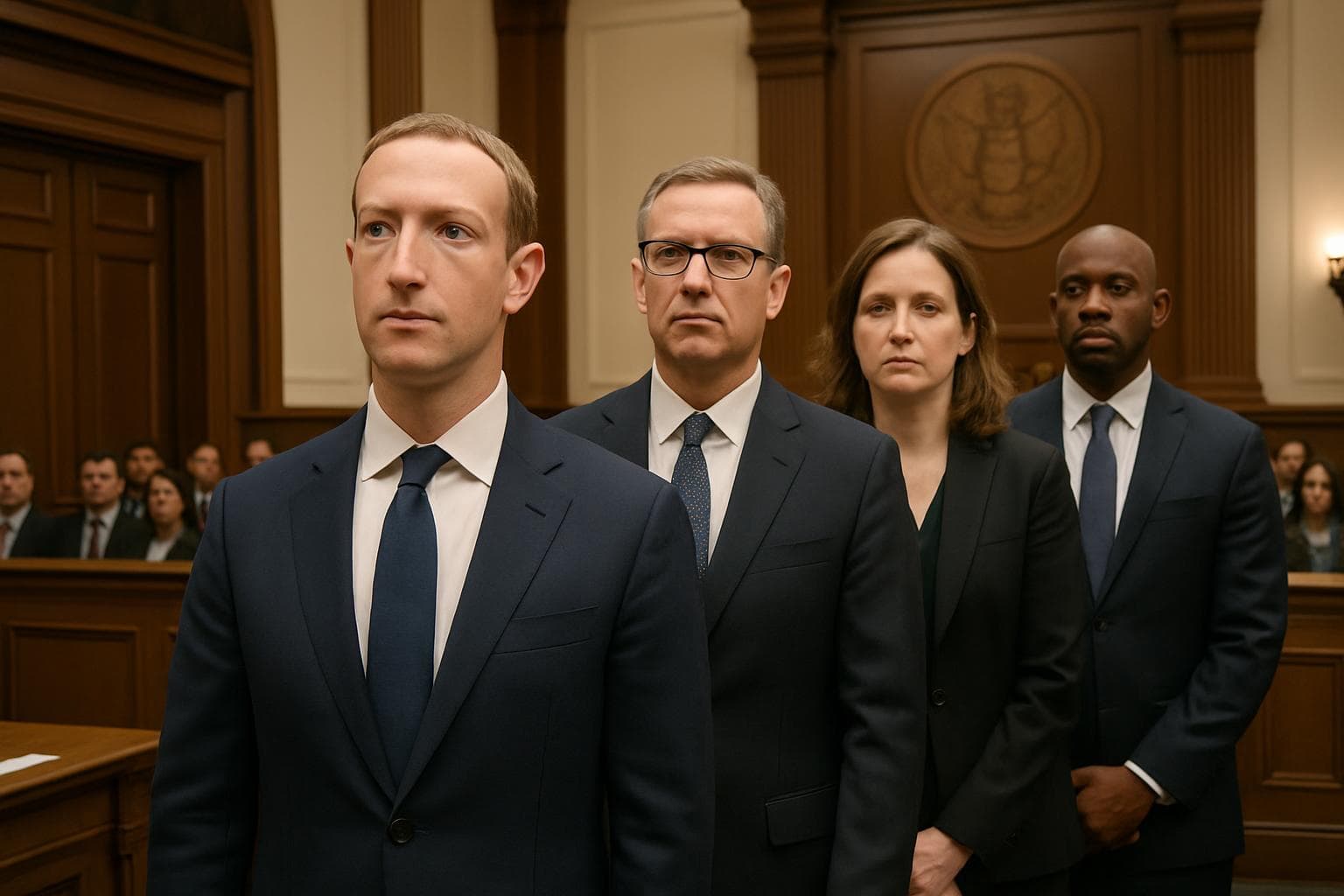
In a significant legal development, Mark Zuckerberg and other Meta executives have agreed to settle an $8 billion lawsuit concerning repeated privacy violations by Facebook. The settlement was announced on Thursday, just as the trial was set to continue in a Delaware court. Although the exact terms remain undisclosed, the agreement allows the defendants to avoid testifying under oath, including Zuckerberg and former COO Sheryl Sandberg.
Background of the Lawsuit
The lawsuit, initiated by Meta shareholders in 2018, accused Zuckerberg and other top executives of failing to protect user data, leading to the infamous Cambridge Analytica scandal. This incident saw millions of Facebook users' data accessed by the political consulting firm, which played a role in Donald Trump's 2016 presidential campaign. The scandal prompted a $5 billion fine from the Federal Trade Commission (FTC) in 2019, marking a pivotal moment in the case.
Legal Proceedings and Settlement
The trial, presided over by Delaware judge Kathaleen McCormick, was expected to feature testimonies from high-profile figures such as venture capitalist Marc Andreessen and former board members Peter Thiel and Reed Hastings. However, the settlement precludes these testimonies, leaving many questions about Facebook's internal practices unanswered. Ann Lipton, a law professor, noted the missed opportunity for public accountability, emphasizing the societal value of understanding the company's alleged illegal practices.
Meta's Response and Reforms
Although Meta was not a direct defendant in the lawsuit, the company has been proactive in addressing privacy concerns. Since 2019, Meta claims to have invested billions in privacy reforms, aiming to prevent future breaches. Despite the settlement, the case highlights ongoing challenges in data privacy compliance and the scrutiny faced by tech giants.
WHAT THIS MIGHT MEAN
The settlement of this lawsuit, while resolving immediate legal challenges for Zuckerberg and Meta executives, leaves broader questions about corporate accountability and data privacy unresolved. Experts suggest that the lack of public testimony may hinder efforts to fully understand and rectify past privacy violations. Moving forward, Meta's continued investment in privacy reforms will be crucial in rebuilding trust with users and regulators. Additionally, this case may set a precedent for future shareholder lawsuits, potentially influencing how tech companies handle data privacy issues and board oversight.
Related Articles

Senate Blocks Resolution to Limit Trump's Military Actions in Iran

Spain's Sánchez Stands Firm Against Trump's Trade Threat Over Iran Stance

US-Iran Tensions Escalate Amid Renewed Nuclear Talks and Protests

Greenland Politely Declines Trump's Hospital Ship Offer Amid Healthcare Debate
Tech Giants Pledge to Cover AI Data Center Energy Costs Amid Rising Electricity Concerns
Congress Subpoenas Attorney General Bondi in Epstein Investigation
Meta Settles $8 Billion Privacy Lawsuit, Avoiding Key Testimonies
In This Article
 Ethan Brooks| Published
 HIGHLIGHTS
- Mark Zuckerberg and Meta executives settled an $8 billion lawsuit over Facebook's privacy violations, just as the trial was entering its second day.
- The lawsuit stemmed from the Cambridge Analytica scandal, where millions of Facebook users' data was improperly accessed.
- The settlement avoids testimony from key figures like Zuckerberg and Sheryl Sandberg, leaving questions about Facebook's practices unanswered.
- The Federal Trade Commission fined Facebook $5 billion in 2019 for failing to protect user data, a key point in the shareholders' claims.
- Meta, not a direct party to the lawsuit, has invested billions in privacy reforms since 2019.
In a significant legal development, Mark Zuckerberg and other Meta executives have agreed to settle an $8 billion lawsuit concerning repeated privacy violations by Facebook. The settlement was announced on Thursday, just as the trial was set to continue in a Delaware court. Although the exact terms remain undisclosed, the agreement allows the defendants to avoid testifying under oath, including Zuckerberg and former COO Sheryl Sandberg.
Background of the Lawsuit
The lawsuit, initiated by Meta shareholders in 2018, accused Zuckerberg and other top executives of failing to protect user data, leading to the infamous Cambridge Analytica scandal. This incident saw millions of Facebook users' data accessed by the political consulting firm, which played a role in Donald Trump's 2016 presidential campaign. The scandal prompted a $5 billion fine from the Federal Trade Commission (FTC) in 2019, marking a pivotal moment in the case.
Legal Proceedings and Settlement
The trial, presided over by Delaware judge Kathaleen McCormick, was expected to feature testimonies from high-profile figures such as venture capitalist Marc Andreessen and former board members Peter Thiel and Reed Hastings. However, the settlement precludes these testimonies, leaving many questions about Facebook's internal practices unanswered. Ann Lipton, a law professor, noted the missed opportunity for public accountability, emphasizing the societal value of understanding the company's alleged illegal practices.
Meta's Response and Reforms
Although Meta was not a direct defendant in the lawsuit, the company has been proactive in addressing privacy concerns. Since 2019, Meta claims to have invested billions in privacy reforms, aiming to prevent future breaches. Despite the settlement, the case highlights ongoing challenges in data privacy compliance and the scrutiny faced by tech giants.
WHAT THIS MIGHT MEAN
The settlement of this lawsuit, while resolving immediate legal challenges for Zuckerberg and Meta executives, leaves broader questions about corporate accountability and data privacy unresolved. Experts suggest that the lack of public testimony may hinder efforts to fully understand and rectify past privacy violations. Moving forward, Meta's continued investment in privacy reforms will be crucial in rebuilding trust with users and regulators. Additionally, this case may set a precedent for future shareholder lawsuits, potentially influencing how tech companies handle data privacy issues and board oversight.
Related Articles
Senate Blocks Resolution to Limit Trump's Military Actions in Iran
Spain's Sánchez Stands Firm Against Trump's Trade Threat Over Iran Stance
US-Iran Tensions Escalate Amid Renewed Nuclear Talks and Protests
Greenland Politely Declines Trump's Hospital Ship Offer Amid Healthcare Debate
Tech Giants Pledge to Cover AI Data Center Energy Costs Amid Rising Electricity Concerns
Congress Subpoenas Attorney General Bondi in Epstein Investigation