
Mexico Rejects US Military Intervention Amid Trump's Directive Targeting Drug Cartels
In This Article
HIGHLIGHTS
- President Trump reportedly signed a directive allowing military action against Latin American drug cartels, designated as terrorist organizations.
- Mexican President Claudia Sheinbaum firmly rejected any US military presence in Mexico, emphasizing cooperation without invasion.
- The directive could lead to unprecedented US military operations on foreign soil, raising concerns about sovereignty and international relations.
- US Secretary of State Marco Rubio supports treating cartels as terrorist entities to enhance military and intelligence operations.
- Recent US-Mexico collaboration has reportedly reduced fentanyl trafficking and illegal border crossings.
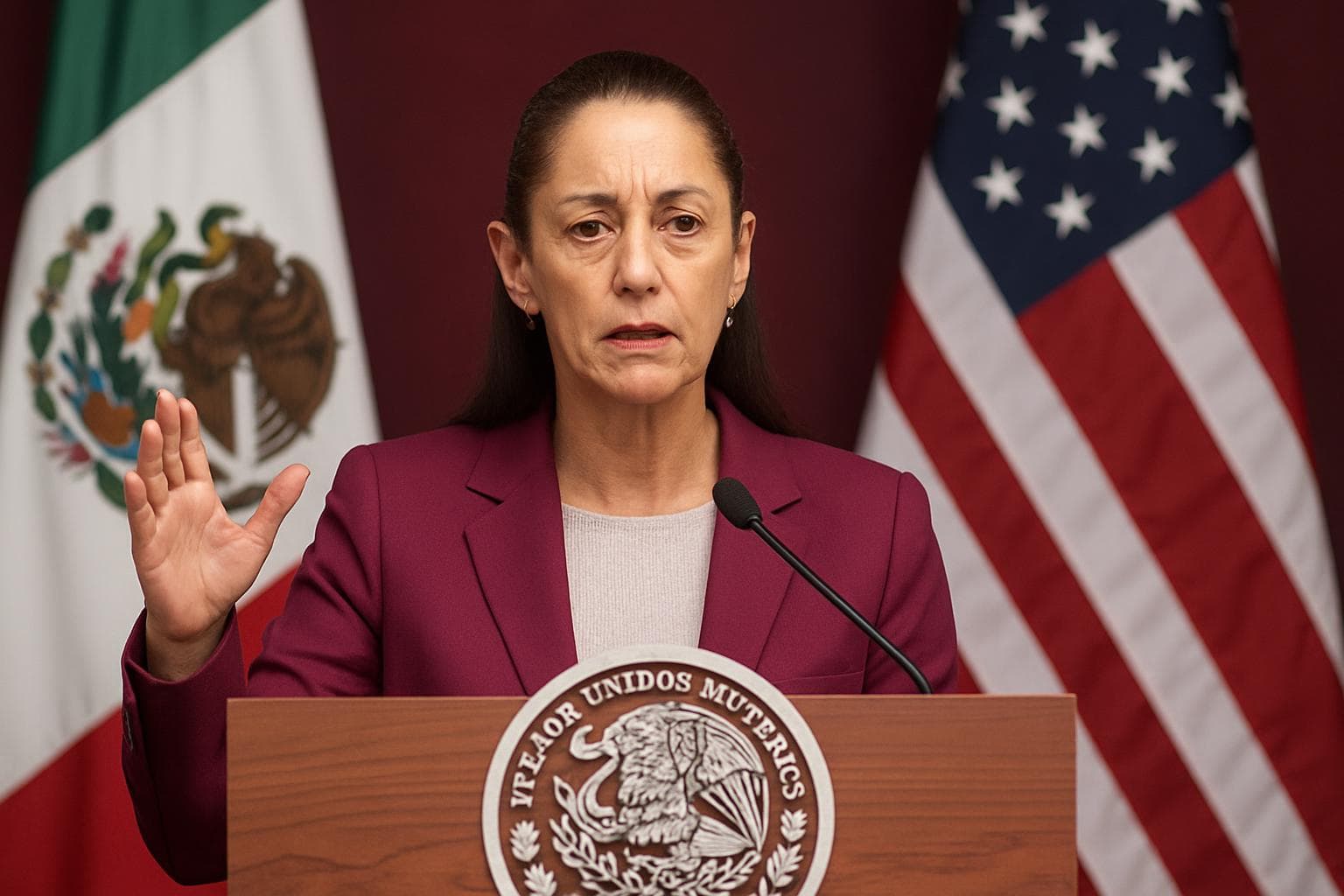
In a significant development in US-Mexico relations, Mexican President Claudia Sheinbaum has categorically dismissed the possibility of US military intervention in Mexico following reports of a secret directive by President Donald Trump. The directive, reportedly signed by Trump, authorizes the Pentagon to use military force against Latin American drug cartels, which have been designated as terrorist organizations by his administration.
US-Mexico Relations Under Scrutiny
President Sheinbaum, addressing concerns of a potential invasion, stated unequivocally, "The United States is not going to come to Mexico with their military." She emphasized that while cooperation and collaboration with the US continue, any form of military incursion is "absolutely off the table." The Mexican government was informed about the executive order but assured that it did not involve military participation on Mexican soil.
Escalating Measures Against Cartels
The directive, first reported by The New York Times, provides a legal basis for potential military operations against cartels both at sea and on foreign soil. US Secretary of State Marco Rubio highlighted the need to treat these organizations as armed terrorist groups, not merely drug dealers, to leverage military and intelligence resources effectively. This move aligns with Trump's broader strategy to combat drug trafficking, particularly the flow of fentanyl into the US.
Impact on Drug Trafficking and Border Security
Recent collaborative efforts between the US and Mexico have reportedly led to a significant decrease in fentanyl trafficking and illegal border crossings. US Ambassador to Mexico Ronald Johnson praised the joint efforts, noting that cartels are "going bankrupt," enhancing safety in both nations. However, the potential for unilateral military action raises concerns about sovereignty and the implications of such an unprecedented escalation in tactics.
WHAT THIS MIGHT MEAN
The directive signed by President Trump could mark a turning point in US foreign policy, particularly in Latin America. If implemented, it may strain diplomatic relations with Mexico and other Latin American countries, potentially leading to broader geopolitical tensions. Experts suggest that while the directive aims to curb drug trafficking, it could also provoke backlash from nations wary of US military presence on their soil. As the situation unfolds, the international community will closely monitor the implications for regional stability and US-Mexico relations.
Related Articles
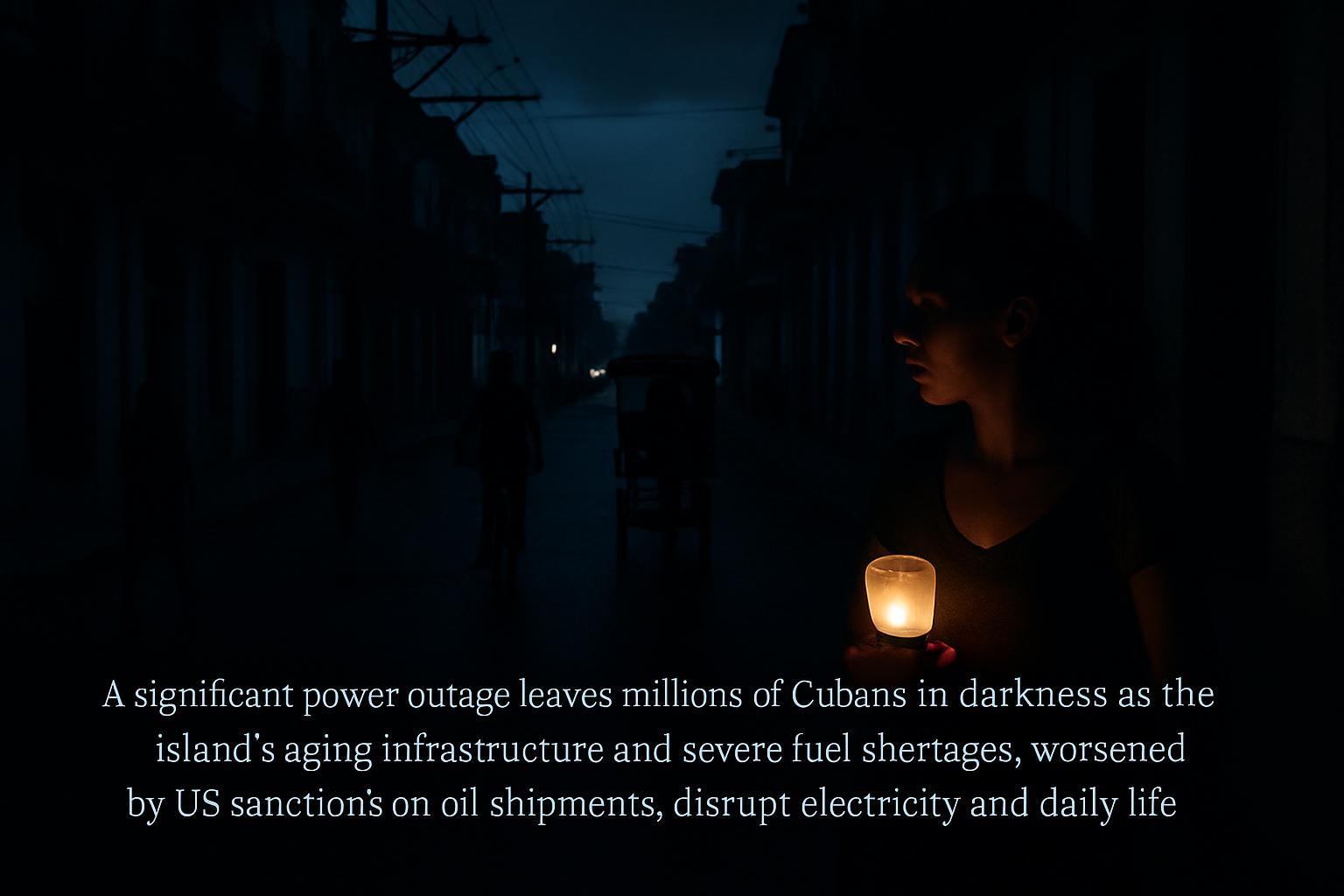
Cuba Faces Widespread Blackout Amid Deepening Fuel Crisis
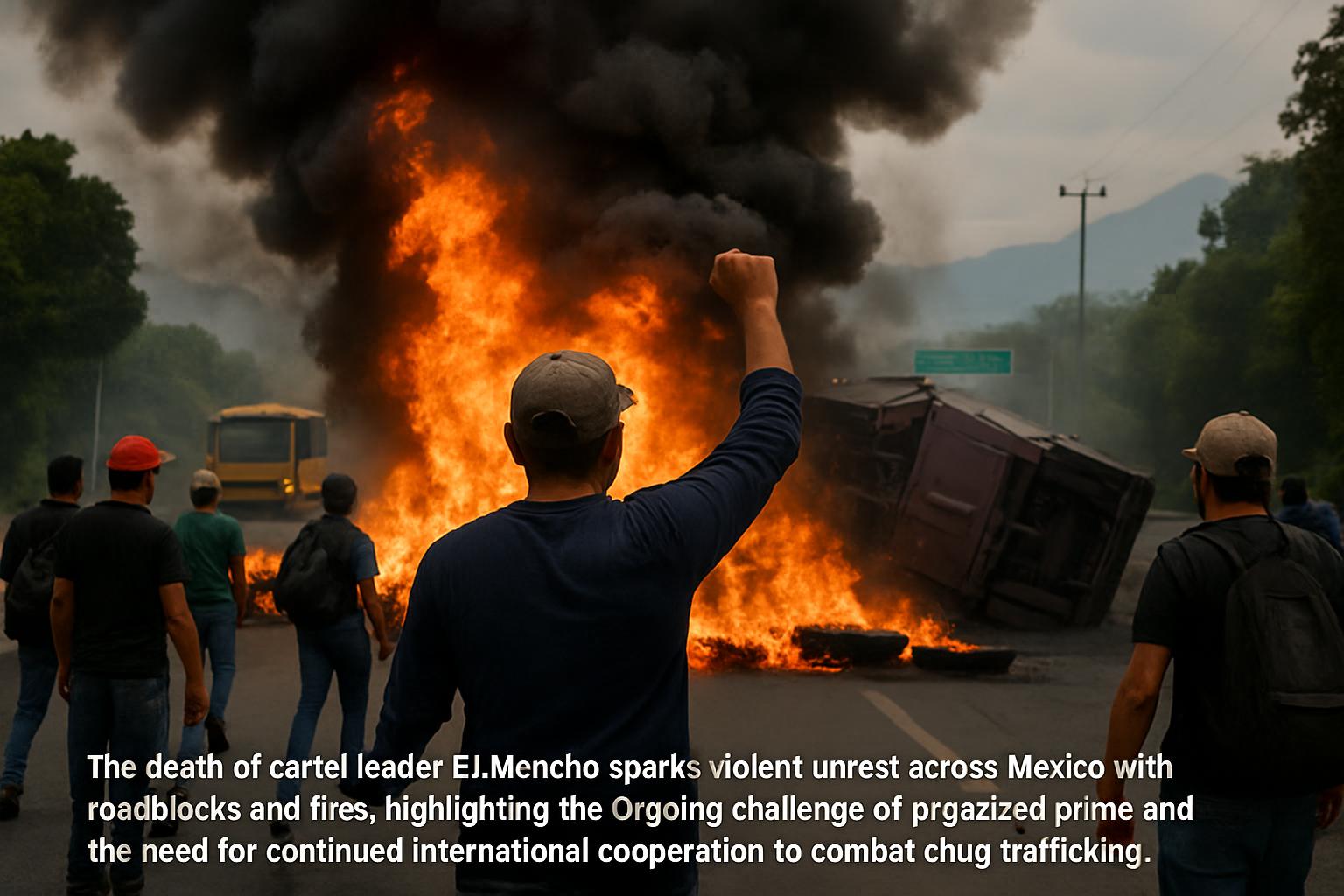
El Mencho's Death Sparks Violent Unrest Across Mexico

UK Faces Dilemmas Amid Iran Conflict and China Spying Allegations
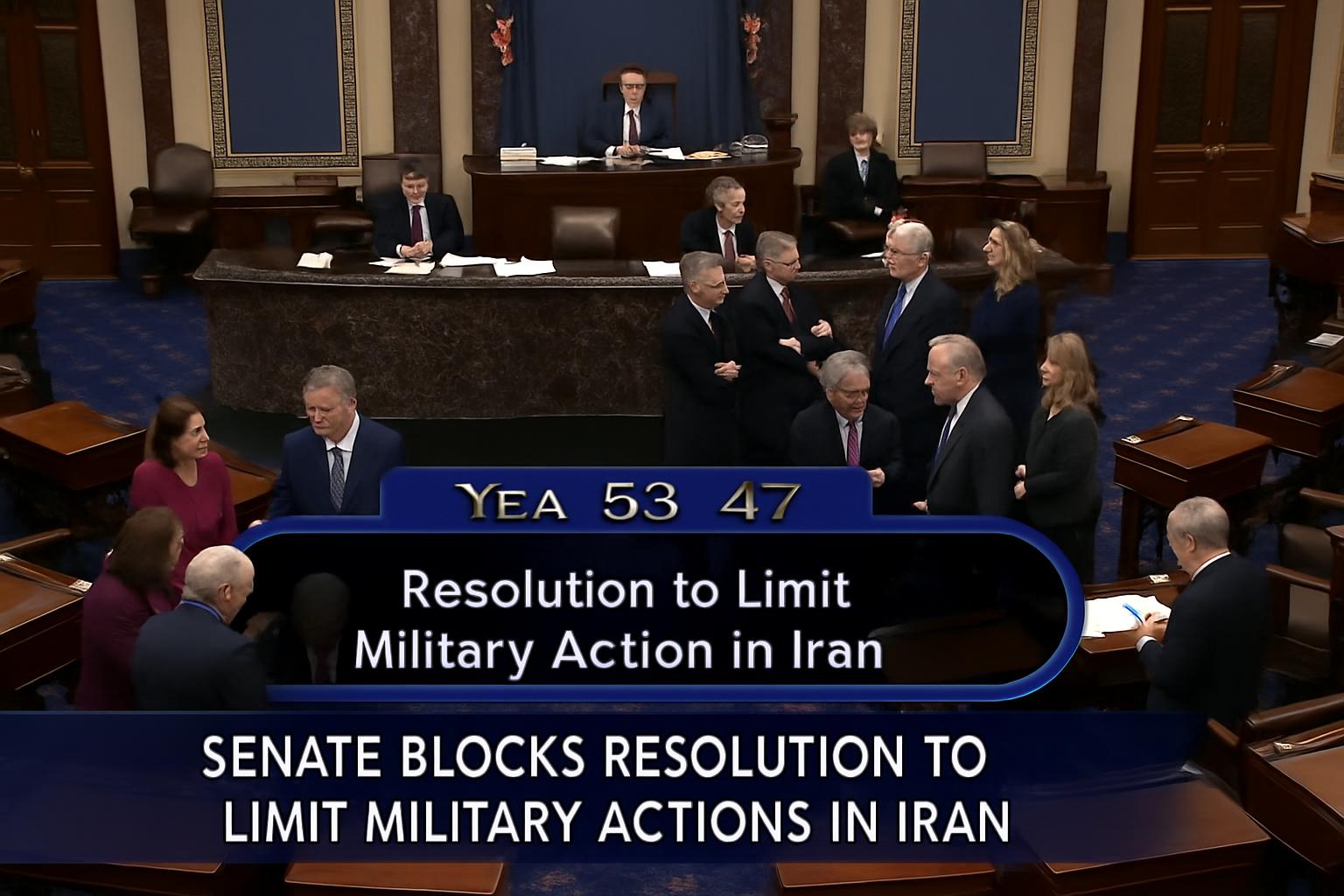
Senate Blocks Resolution to Limit Trump's Military Actions in Iran
Spain's Sánchez Stands Firm Against Trump's Trade Threat Over Iran Stance
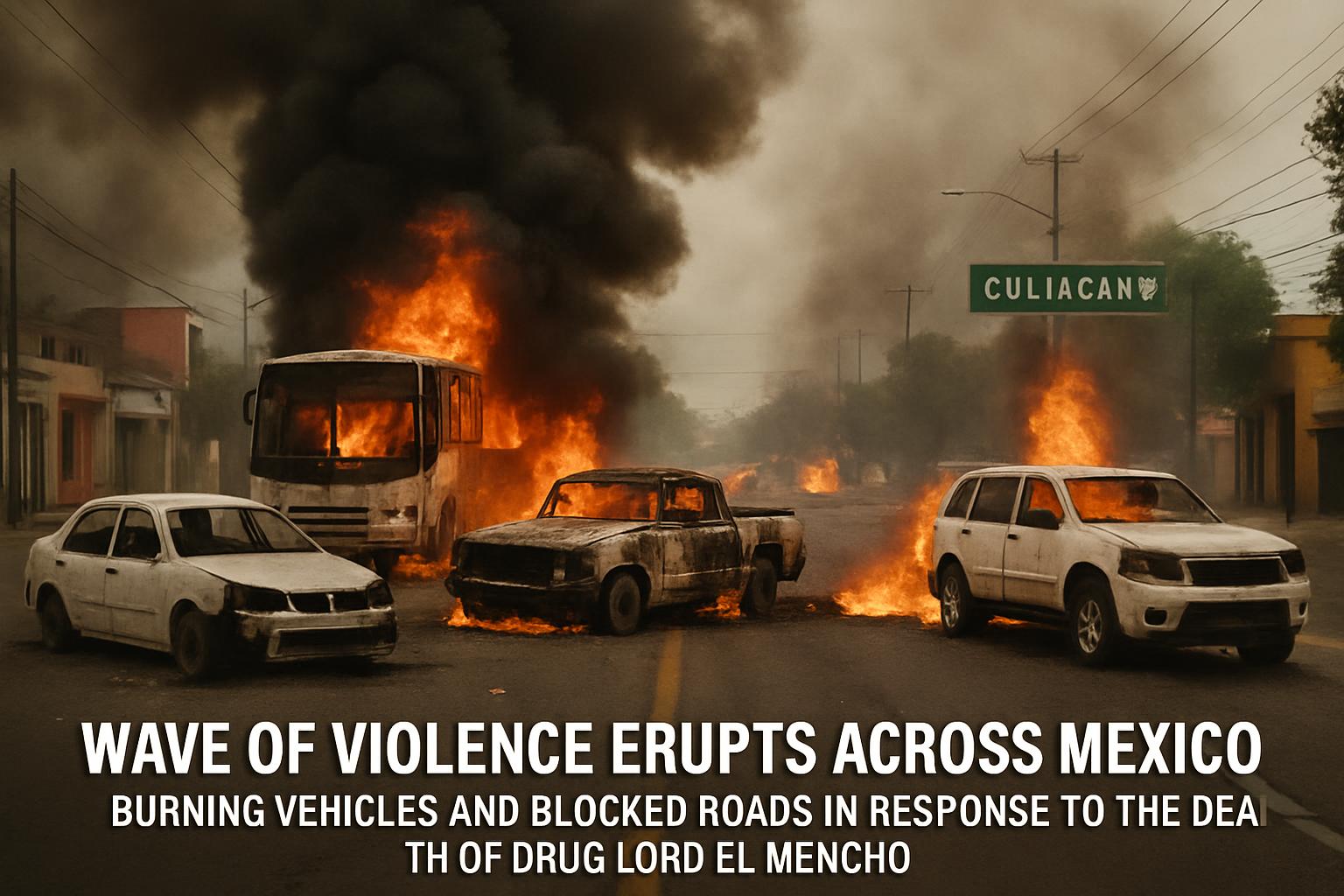
Violence Erupts Across Mexico Following Death of Drug Lord El Mencho
Mexico Rejects US Military Intervention Amid Trump's Directive Targeting Drug Cartels
In This Article
HIGHLIGHTS
- President Trump reportedly signed a directive allowing military action against Latin American drug cartels, designated as terrorist organizations.
- Mexican President Claudia Sheinbaum firmly rejected any US military presence in Mexico, emphasizing cooperation without invasion.
- The directive could lead to unprecedented US military operations on foreign soil, raising concerns about sovereignty and international relations.
- US Secretary of State Marco Rubio supports treating cartels as terrorist entities to enhance military and intelligence operations.
- Recent US-Mexico collaboration has reportedly reduced fentanyl trafficking and illegal border crossings.
In a significant development in US-Mexico relations, Mexican President Claudia Sheinbaum has categorically dismissed the possibility of US military intervention in Mexico following reports of a secret directive by President Donald Trump. The directive, reportedly signed by Trump, authorizes the Pentagon to use military force against Latin American drug cartels, which have been designated as terrorist organizations by his administration.
US-Mexico Relations Under Scrutiny
President Sheinbaum, addressing concerns of a potential invasion, stated unequivocally, "The United States is not going to come to Mexico with their military." She emphasized that while cooperation and collaboration with the US continue, any form of military incursion is "absolutely off the table." The Mexican government was informed about the executive order but assured that it did not involve military participation on Mexican soil.
Escalating Measures Against Cartels
The directive, first reported by The New York Times, provides a legal basis for potential military operations against cartels both at sea and on foreign soil. US Secretary of State Marco Rubio highlighted the need to treat these organizations as armed terrorist groups, not merely drug dealers, to leverage military and intelligence resources effectively. This move aligns with Trump's broader strategy to combat drug trafficking, particularly the flow of fentanyl into the US.
Impact on Drug Trafficking and Border Security
Recent collaborative efforts between the US and Mexico have reportedly led to a significant decrease in fentanyl trafficking and illegal border crossings. US Ambassador to Mexico Ronald Johnson praised the joint efforts, noting that cartels are "going bankrupt," enhancing safety in both nations. However, the potential for unilateral military action raises concerns about sovereignty and the implications of such an unprecedented escalation in tactics.
WHAT THIS MIGHT MEAN
The directive signed by President Trump could mark a turning point in US foreign policy, particularly in Latin America. If implemented, it may strain diplomatic relations with Mexico and other Latin American countries, potentially leading to broader geopolitical tensions. Experts suggest that while the directive aims to curb drug trafficking, it could also provoke backlash from nations wary of US military presence on their soil. As the situation unfolds, the international community will closely monitor the implications for regional stability and US-Mexico relations.
Related Articles
Cuba Faces Widespread Blackout Amid Deepening Fuel Crisis
El Mencho's Death Sparks Violent Unrest Across Mexico
UK Faces Dilemmas Amid Iran Conflict and China Spying Allegations
Senate Blocks Resolution to Limit Trump's Military Actions in Iran
Spain's Sánchez Stands Firm Against Trump's Trade Threat Over Iran Stance
Violence Erupts Across Mexico Following Death of Drug Lord El Mencho