
Mikie Sherrill Secures New Jersey Governorship in Pivotal Election
In This Article
HIGHLIGHTS
- Democrat Mikie Sherrill won the New Jersey governor race, defeating Republican Jack Ciattarelli.
- The election serves as a bellwether for the 2026 midterm elections and a referendum on Donald Trump's influence.
- Sherrill, a former federal prosecutor and Navy pilot, emphasized tax incentives and utility rate freezes in her campaign.
- Ciattarelli focused on lowering taxes and was endorsed by Trump, but faced backlash over past stances on same-sex marriage.
- The election was marred by bomb threats at polling stations, which Sherrill condemned as attempts to undermine democracy.
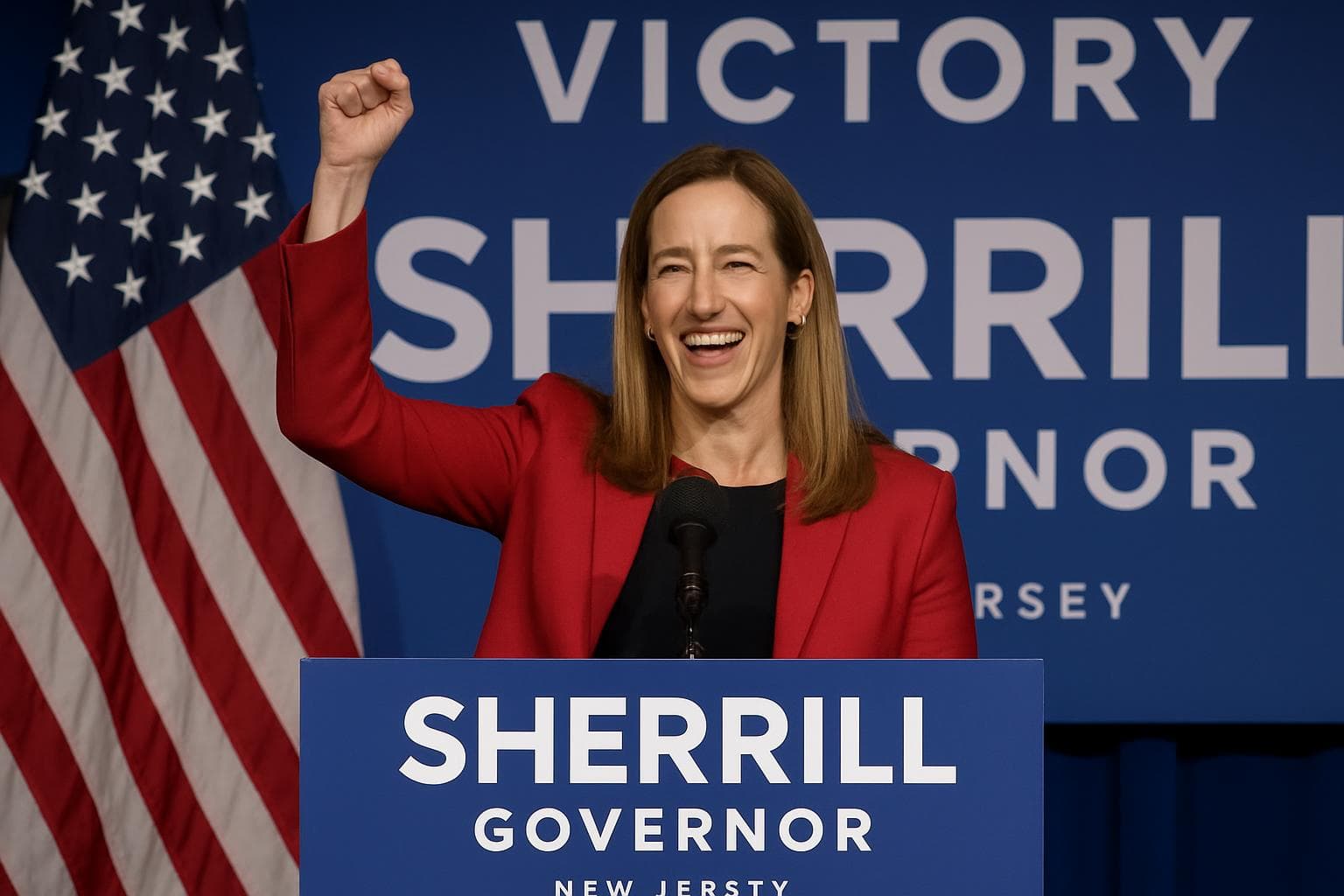
Democrat Mikie Sherrill has emerged victorious in the New Jersey governor race, defeating Republican contender Jack Ciattarelli in a closely watched contest. The election, which took place on November 4, has been seen as a critical indicator for the upcoming 2026 midterm elections and a measure of former President Donald Trump's continued influence in American politics.
Sherrill, a 53-year-old congresswoman and former Navy helicopter pilot, will succeed fellow Democrat Phil Murphy as the 57th governor of New Jersey. Her victory was confirmed by the Associated Press just two hours after polls closed. At her victory rally in East Brunswick, Sherrill addressed her supporters, emphasizing her commitment to good governance. "Good government doesn’t just manage problems, it solves them," she declared.
The race drew national attention, not only for its potential implications for the midterms but also as a reflection of the Democratic Party's resilience in the face of Trump's return to the political arena. Sherrill's campaign focused on tax incentives for housing developments and a freeze on utility rate hikes, contrasting with Ciattarelli's platform of lowering personal and corporate taxes.
Ciattarelli, a former state legislator, had previously run for governor in 2017 and was endorsed by Trump in this election cycle. Despite his focus on affordability, his campaign was overshadowed by controversies, including leaked military records of Sherrill and his past opposition to same-sex marriage, which he did not fully distance himself from.
The election day was not without drama, as bomb threats temporarily closed polling stations, prompting a police response. Sherrill condemned these threats as attempts to intimidate voters and undermine the democratic process. "There's no place in politics for nonsense like this," Ciattarelli remarked, echoing the sentiment.
WHAT THIS MIGHT MEAN
Sherrill's victory in New Jersey could signal a shift in voter sentiment ahead of the 2026 midterm elections, potentially bolstering Democratic efforts to regain control of Congress. Her win also highlights the challenges Republicans may face in balancing traditional conservative values with the evolving political landscape shaped by Trump's influence.
As governor, Sherrill will likely focus on implementing her campaign promises, particularly around economic issues like housing and utility costs, which were central to her platform. Her leadership may also set a precedent for other Democratic candidates seeking to navigate the complexities of a post-Trump political environment.
Looking ahead, the Democratic Party may use Sherrill's success as a blueprint for future campaigns, emphasizing moderate policies that appeal to a broad spectrum of voters. Meanwhile, Republicans will need to reassess their strategies, particularly in states like New Jersey, where Trump's endorsement may not carry the same weight as it once did.
Related Articles
Congress Subpoenas Attorney General Bondi in Epstein Investigation

James Talarico Secures Democratic Nomination in Texas Senate Race Amidst Republican Runoff
Senate Blocks Resolution to Limit Trump's Military Actions in Iran

Tech Giants Pledge to Cover AI Data Center Energy Costs Amid Rising Electricity Concerns

Cuba Faces Widespread Blackout Amid Deepening Fuel Crisis

UK Faces Dilemmas Amid Iran Conflict and China Spying Allegations
Mikie Sherrill Secures New Jersey Governorship in Pivotal Election
In This Article
 Alex Carter| Published
 HIGHLIGHTS
- Democrat Mikie Sherrill won the New Jersey governor race, defeating Republican Jack Ciattarelli.
- The election serves as a bellwether for the 2026 midterm elections and a referendum on Donald Trump's influence.
- Sherrill, a former federal prosecutor and Navy pilot, emphasized tax incentives and utility rate freezes in her campaign.
- Ciattarelli focused on lowering taxes and was endorsed by Trump, but faced backlash over past stances on same-sex marriage.
- The election was marred by bomb threats at polling stations, which Sherrill condemned as attempts to undermine democracy.
Democrat Mikie Sherrill has emerged victorious in the New Jersey governor race, defeating Republican contender Jack Ciattarelli in a closely watched contest. The election, which took place on November 4, has been seen as a critical indicator for the upcoming 2026 midterm elections and a measure of former President Donald Trump's continued influence in American politics.
Sherrill, a 53-year-old congresswoman and former Navy helicopter pilot, will succeed fellow Democrat Phil Murphy as the 57th governor of New Jersey. Her victory was confirmed by the Associated Press just two hours after polls closed. At her victory rally in East Brunswick, Sherrill addressed her supporters, emphasizing her commitment to good governance. "Good government doesn’t just manage problems, it solves them," she declared.
The race drew national attention, not only for its potential implications for the midterms but also as a reflection of the Democratic Party's resilience in the face of Trump's return to the political arena. Sherrill's campaign focused on tax incentives for housing developments and a freeze on utility rate hikes, contrasting with Ciattarelli's platform of lowering personal and corporate taxes.
Ciattarelli, a former state legislator, had previously run for governor in 2017 and was endorsed by Trump in this election cycle. Despite his focus on affordability, his campaign was overshadowed by controversies, including leaked military records of Sherrill and his past opposition to same-sex marriage, which he did not fully distance himself from.
The election day was not without drama, as bomb threats temporarily closed polling stations, prompting a police response. Sherrill condemned these threats as attempts to intimidate voters and undermine the democratic process. "There's no place in politics for nonsense like this," Ciattarelli remarked, echoing the sentiment.
WHAT THIS MIGHT MEAN
Sherrill's victory in New Jersey could signal a shift in voter sentiment ahead of the 2026 midterm elections, potentially bolstering Democratic efforts to regain control of Congress. Her win also highlights the challenges Republicans may face in balancing traditional conservative values with the evolving political landscape shaped by Trump's influence.
As governor, Sherrill will likely focus on implementing her campaign promises, particularly around economic issues like housing and utility costs, which were central to her platform. Her leadership may also set a precedent for other Democratic candidates seeking to navigate the complexities of a post-Trump political environment.
Looking ahead, the Democratic Party may use Sherrill's success as a blueprint for future campaigns, emphasizing moderate policies that appeal to a broad spectrum of voters. Meanwhile, Republicans will need to reassess their strategies, particularly in states like New Jersey, where Trump's endorsement may not carry the same weight as it once did.
Related Articles
Congress Subpoenas Attorney General Bondi in Epstein Investigation
James Talarico Secures Democratic Nomination in Texas Senate Race Amidst Republican Runoff
Senate Blocks Resolution to Limit Trump's Military Actions in Iran
Tech Giants Pledge to Cover AI Data Center Energy Costs Amid Rising Electricity Concerns
Cuba Faces Widespread Blackout Amid Deepening Fuel Crisis
UK Faces Dilemmas Amid Iran Conflict and China Spying Allegations