
Minneapolis ICE Shooting Sparks Protests Amid Rising Tensions
In This Article
HIGHLIGHTS
- An ICE officer shot a man in the leg in Minneapolis, sparking protests amid ongoing tensions following a previous fatal shooting by federal agents.
- The Department of Homeland Security stated the man was pursued for being illegally in the U.S. from Venezuela and allegedly attacked the officer.
- Minneapolis Mayor Jacob Frey criticized ICE's actions, calling them "chaotic," while protests against federal immigration enforcement continue.
- The Trump administration has deployed thousands of federal agents to Minnesota, describing it as the largest operation in DHS history.
- Legal actions have been initiated by Minnesota officials against the federal government, citing constitutional violations and excessive force.
A recent incident involving an Immigration and Customs Enforcement (ICE) officer shooting a man in the leg has intensified tensions in Minneapolis, a city already on edge following the fatal shooting of Renee Nicole Good by federal agents last week. The latest shooting occurred during an enforcement operation in north Minneapolis, where federal officers pursued a man from Venezuela, who they claimed was illegally residing in the United States.
According to the Department of Homeland Security (DHS), the man was involved in a car chase before an altercation ensued, leading to the officer firing shots in self-defense. The man, who sustained non-life-threatening injuries, was hospitalized, along with the ICE officer who was also injured during the incident. Minneapolis officials confirmed the shooting and urged the public to remain calm, while also demanding the immediate withdrawal of ICE from the city.
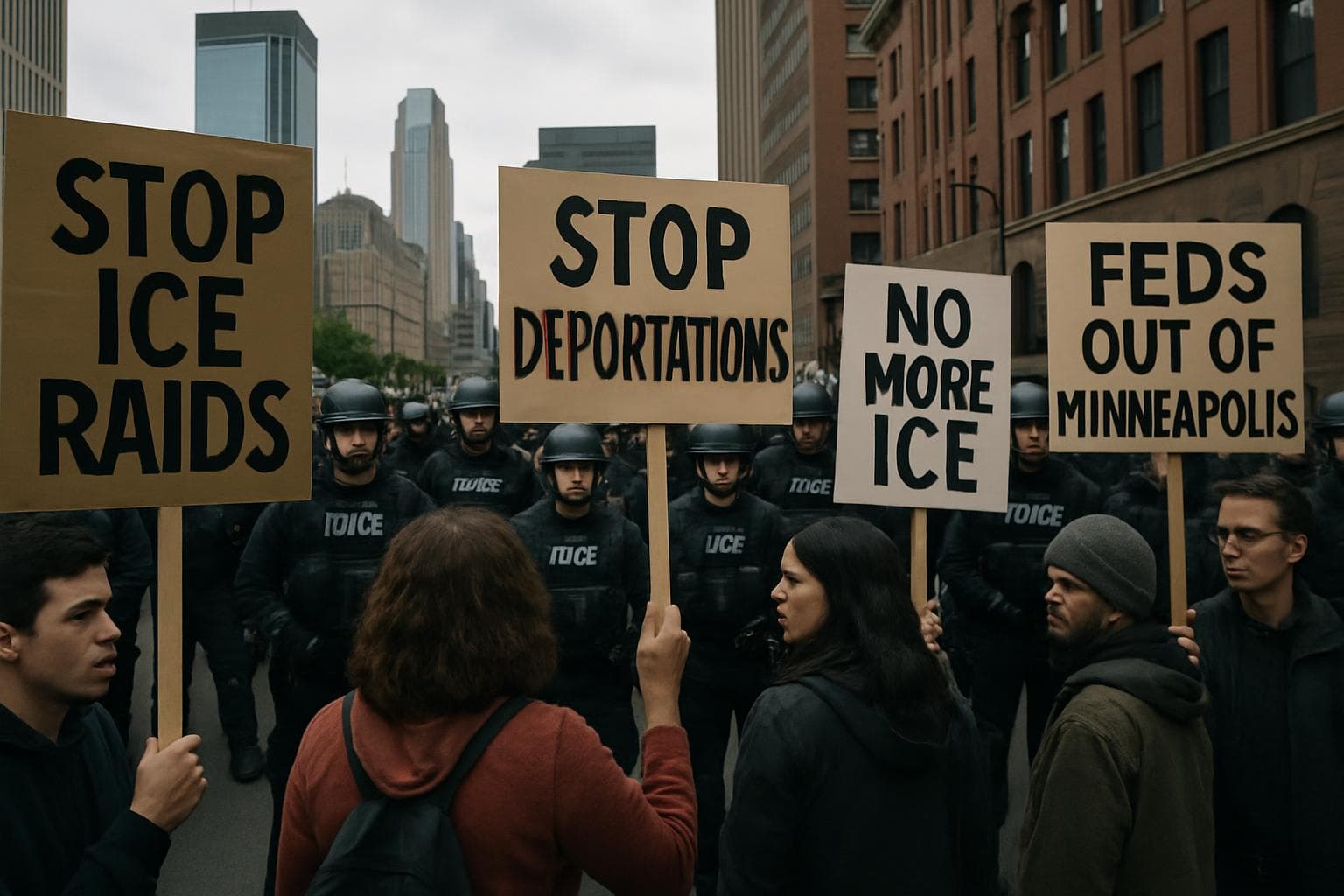
The incident has sparked protests, with hundreds gathering at the scene to express their outrage over the federal immigration enforcement tactics. Minneapolis Mayor Jacob Frey condemned the actions of ICE, describing them as "disgusting and intolerable," and urged protesters to avoid escalating the situation further. "We cannot counter Donald Trump’s chaos with more chaos," Frey stated, emphasizing the need for peaceful demonstrations.
The Trump administration has significantly increased the presence of federal agents in Minnesota, deploying approximately 3,000 officers as part of what they describe as the largest operation in the Department of Homeland Security's history. This move has been met with legal challenges from Minnesota and Minneapolis officials, who have filed lawsuits against the federal government, accusing it of constitutional violations and excessive force.
The protests have been marked by clashes between demonstrators and federal agents, with reports of teargas and other crowd control measures being used. The situation remains tense as community leaders and local officials continue to call for accountability and an end to what they describe as a "federal invasion" of the state.
WHAT THIS MIGHT MEAN
The ongoing tensions in Minneapolis could lead to further legal and political ramifications as local officials continue to challenge the federal government's immigration policies. The lawsuits filed by Minnesota and Minneapolis may set a precedent for other states opposing federal immigration enforcement tactics. Additionally, the increased presence of federal agents could escalate tensions, potentially leading to more protests and confrontations. Experts suggest that resolving these issues will require dialogue between federal and local authorities to address the concerns of the community and ensure the protection of constitutional rights.
Related Articles
Senate Blocks Resolution to Limit Trump's Military Actions in Iran
Spain's Sánchez Stands Firm Against Trump's Trade Threat Over Iran Stance
US-Iran Tensions Escalate Amid Renewed Nuclear Talks and Protests

Greenland Politely Declines Trump's Hospital Ship Offer Amid Healthcare Debate
Congress Subpoenas Attorney General Bondi in Epstein Investigation
Cuba Faces Widespread Blackout Amid Deepening Fuel Crisis
Minneapolis ICE Shooting Sparks Protests Amid Rising Tensions
In This Article
 Ethan Brooks| Published
 HIGHLIGHTS
- An ICE officer shot a man in the leg in Minneapolis, sparking protests amid ongoing tensions following a previous fatal shooting by federal agents.
- The Department of Homeland Security stated the man was pursued for being illegally in the U.S. from Venezuela and allegedly attacked the officer.
- Minneapolis Mayor Jacob Frey criticized ICE's actions, calling them "chaotic," while protests against federal immigration enforcement continue.
- The Trump administration has deployed thousands of federal agents to Minnesota, describing it as the largest operation in DHS history.
- Legal actions have been initiated by Minnesota officials against the federal government, citing constitutional violations and excessive force.
A recent incident involving an Immigration and Customs Enforcement (ICE) officer shooting a man in the leg has intensified tensions in Minneapolis, a city already on edge following the fatal shooting of Renee Nicole Good by federal agents last week. The latest shooting occurred during an enforcement operation in north Minneapolis, where federal officers pursued a man from Venezuela, who they claimed was illegally residing in the United States.
According to the Department of Homeland Security (DHS), the man was involved in a car chase before an altercation ensued, leading to the officer firing shots in self-defense. The man, who sustained non-life-threatening injuries, was hospitalized, along with the ICE officer who was also injured during the incident. Minneapolis officials confirmed the shooting and urged the public to remain calm, while also demanding the immediate withdrawal of ICE from the city.
The incident has sparked protests, with hundreds gathering at the scene to express their outrage over the federal immigration enforcement tactics. Minneapolis Mayor Jacob Frey condemned the actions of ICE, describing them as "disgusting and intolerable," and urged protesters to avoid escalating the situation further. "We cannot counter Donald Trump’s chaos with more chaos," Frey stated, emphasizing the need for peaceful demonstrations.
The Trump administration has significantly increased the presence of federal agents in Minnesota, deploying approximately 3,000 officers as part of what they describe as the largest operation in the Department of Homeland Security's history. This move has been met with legal challenges from Minnesota and Minneapolis officials, who have filed lawsuits against the federal government, accusing it of constitutional violations and excessive force.
The protests have been marked by clashes between demonstrators and federal agents, with reports of teargas and other crowd control measures being used. The situation remains tense as community leaders and local officials continue to call for accountability and an end to what they describe as a "federal invasion" of the state.
WHAT THIS MIGHT MEAN
The ongoing tensions in Minneapolis could lead to further legal and political ramifications as local officials continue to challenge the federal government's immigration policies. The lawsuits filed by Minnesota and Minneapolis may set a precedent for other states opposing federal immigration enforcement tactics. Additionally, the increased presence of federal agents could escalate tensions, potentially leading to more protests and confrontations. Experts suggest that resolving these issues will require dialogue between federal and local authorities to address the concerns of the community and ensure the protection of constitutional rights.
Related Articles
Senate Blocks Resolution to Limit Trump's Military Actions in Iran
Spain's Sánchez Stands Firm Against Trump's Trade Threat Over Iran Stance
US-Iran Tensions Escalate Amid Renewed Nuclear Talks and Protests
Greenland Politely Declines Trump's Hospital Ship Offer Amid Healthcare Debate
Congress Subpoenas Attorney General Bondi in Epstein Investigation
Cuba Faces Widespread Blackout Amid Deepening Fuel Crisis