
Tensions Rise in Minnesota as Protests Against ICE Intensify
In This Article
HIGHLIGHTS
- The US Justice Department is investigating protesters who disrupted a Minnesota church service, accusing them of civil rights violations.
- Protests erupted after ICE officer Jonathan Ross fatally shot Renee Good in Minneapolis on January 7, intensifying anti-ICE sentiment.
- The Pentagon has placed 1,500 soldiers on standby for potential deployment to Minnesota amid escalating protests.
- President Trump has threatened to invoke the Insurrection Act to deploy military forces if state officials do not control the protests.
- Minneapolis Mayor Jacob Frey criticized the potential military deployment, arguing it would worsen tensions.
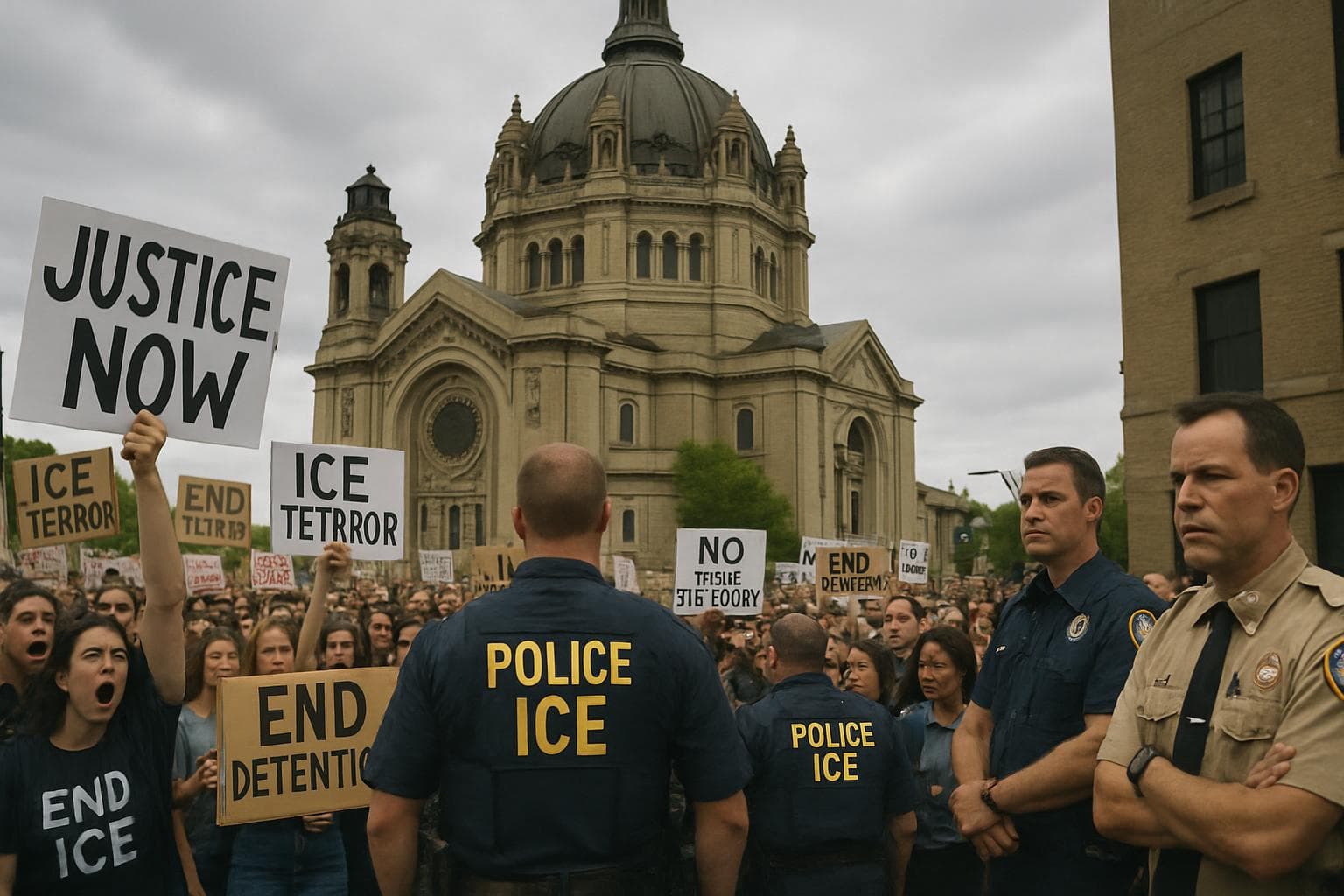
The US Justice Department has launched an investigation into a group of protesters who disrupted a church service in Minnesota, accusing them of civil rights violations. The protest, which took place at Cities Church in St. Paul, was sparked by the fatal shooting of Renee Good by ICE officer Jonathan Ross on January 7. Demonstrators chanted "ICE out" and "Justice for Renee Good," targeting Pastor David Easterwood, who they claim is affiliated with Immigration and Customs Enforcement (ICE).
Protests and Legal Actions
The protests in Minnesota have been part of a broader backlash against President Donald Trump's immigration policies. Thousands of ICE agents have been deployed to the state as part of a significant crackdown on undocumented immigrants. The demonstrations have led to clashes with federal agents, resulting in over 3,000 arrests in Minneapolis. A federal judge recently issued an order limiting the crowd control tactics that ICE agents can use against peaceful protesters.
Military Preparedness and Political Reactions
In response to the escalating tensions, the Pentagon has placed 1,500 soldiers on standby for potential deployment to Minnesota. President Trump has threatened to invoke the Insurrection Act, which would allow the use of military forces to perform law enforcement duties. This move has been met with criticism from local officials, including Minneapolis Mayor Jacob Frey, who argued that military intervention would exacerbate the situation.
Community Impact and Reactions
The protests have highlighted the deep divisions within the community, with some residents supporting the crackdown on immigration and others vehemently opposing it. The killing of Renee Good has become a rallying point for activists, who are demanding accountability and justice. Meanwhile, ICE operations continue to target immigrant communities, further fueling tensions.
WHAT THIS MIGHT MEAN
As the situation in Minnesota unfolds, the potential deployment of military forces could significantly impact the dynamics of the protests. If President Trump invokes the Insurrection Act, it may lead to increased confrontations between protesters and federal agents, potentially escalating violence. Legal experts suggest that the Justice Department's investigation into the church protest could set a precedent for how civil rights violations are handled in similar situations. Politically, the events in Minnesota could influence public opinion on immigration policies and affect upcoming elections, as both sides of the debate mobilize their supporters.
Related Articles
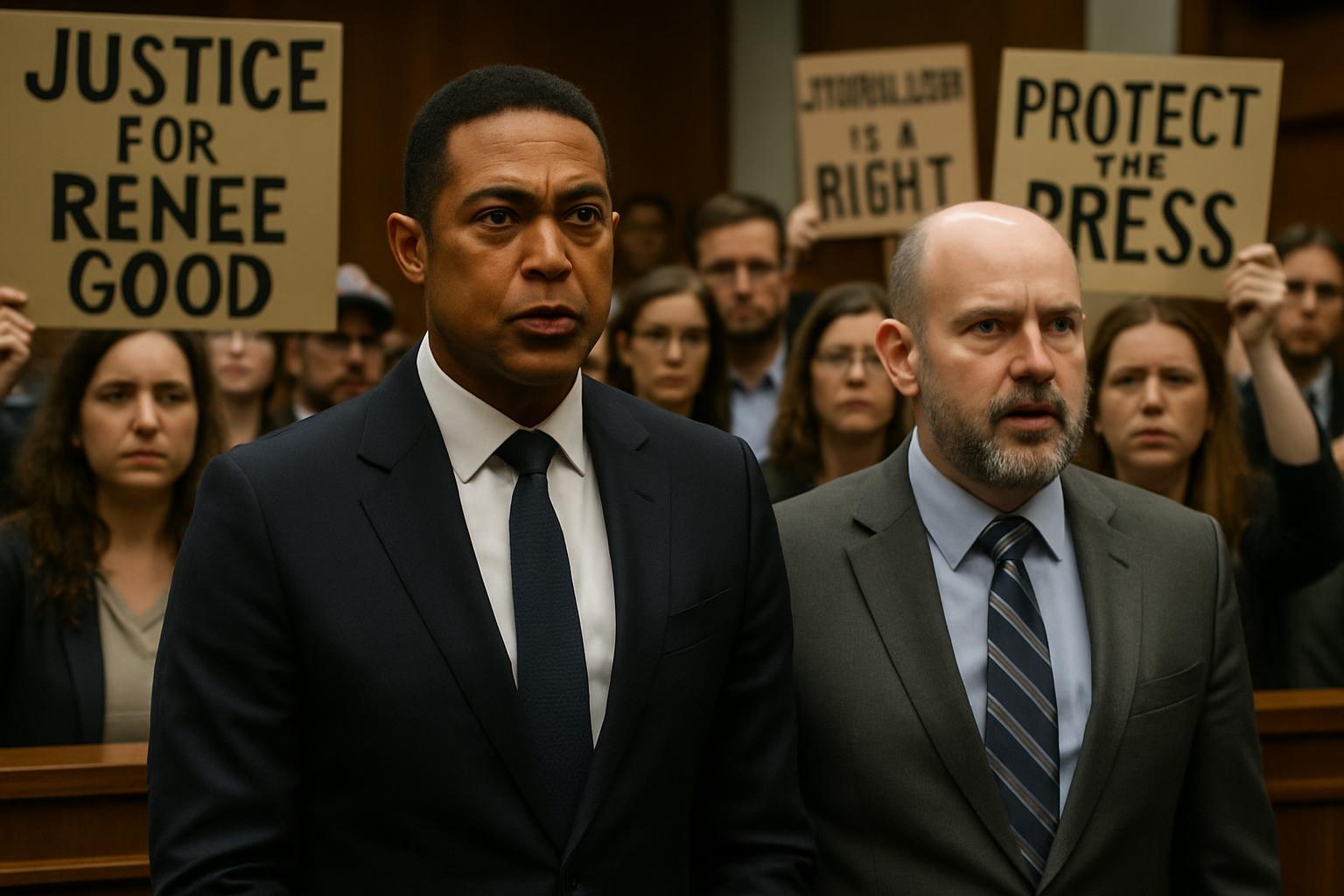
Don Lemon Pleads Not Guilty in Minnesota Church Protest Case
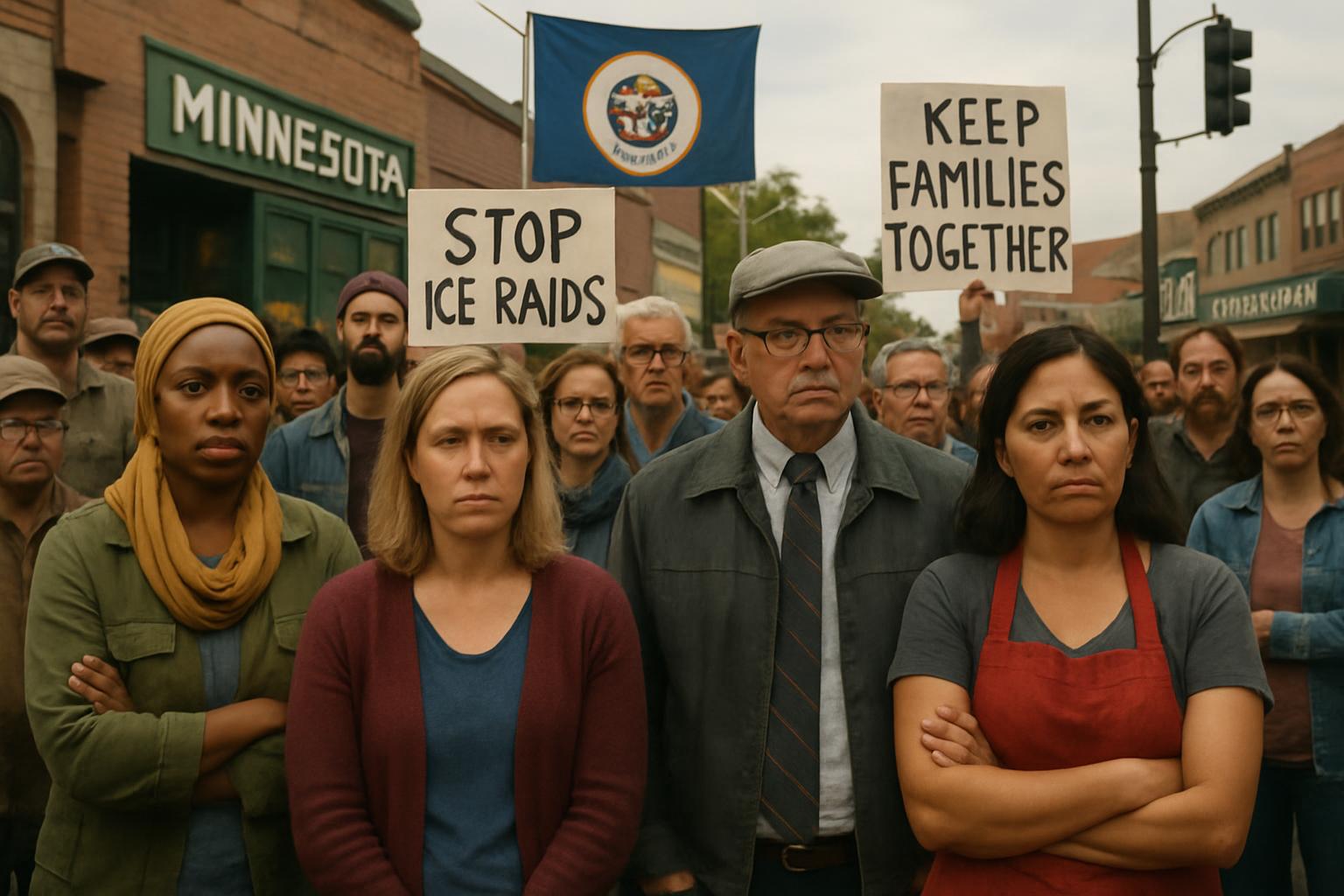
Trump Administration Ends Controversial Immigration Enforcement Surge in Minnesota
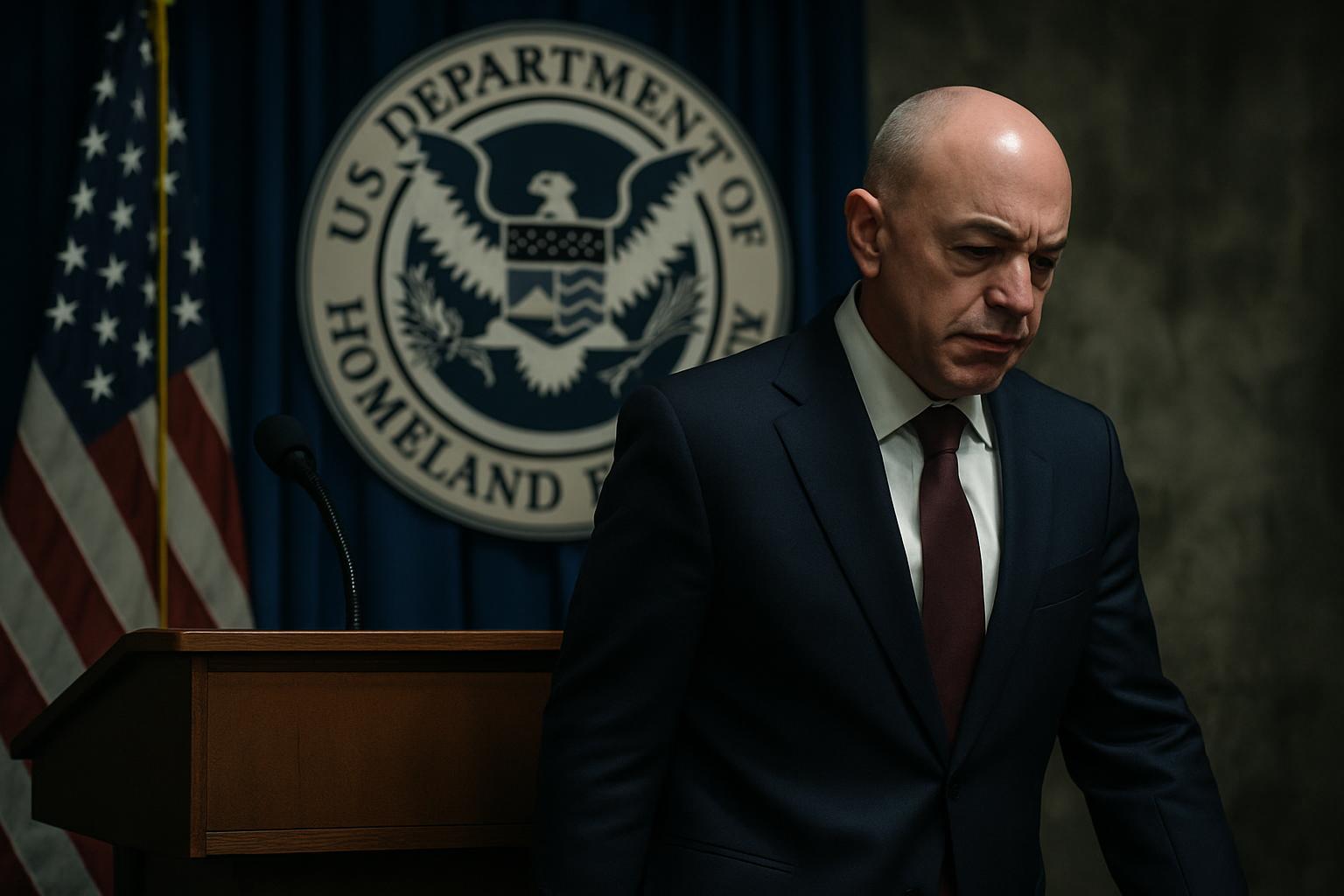
DHS Spokesperson Tricia McLaughlin to Depart Amidst Immigration Policy Controversy

US and Israel Intensify Military Campaign as Iran's Capabilities Dwindle
Trump to Direct Release of Pentagon UFO Files Amid Renewed Interest
US Military Strikes on Alleged Drug Boats Raise Legal Concerns
Tensions Rise in Minnesota as Protests Against ICE Intensify
In This Article
 Ethan Brooks| Published
 HIGHLIGHTS
- The US Justice Department is investigating protesters who disrupted a Minnesota church service, accusing them of civil rights violations.
- Protests erupted after ICE officer Jonathan Ross fatally shot Renee Good in Minneapolis on January 7, intensifying anti-ICE sentiment.
- The Pentagon has placed 1,500 soldiers on standby for potential deployment to Minnesota amid escalating protests.
- President Trump has threatened to invoke the Insurrection Act to deploy military forces if state officials do not control the protests.
- Minneapolis Mayor Jacob Frey criticized the potential military deployment, arguing it would worsen tensions.
The US Justice Department has launched an investigation into a group of protesters who disrupted a church service in Minnesota, accusing them of civil rights violations. The protest, which took place at Cities Church in St. Paul, was sparked by the fatal shooting of Renee Good by ICE officer Jonathan Ross on January 7. Demonstrators chanted "ICE out" and "Justice for Renee Good," targeting Pastor David Easterwood, who they claim is affiliated with Immigration and Customs Enforcement (ICE).
Protests and Legal Actions
The protests in Minnesota have been part of a broader backlash against President Donald Trump's immigration policies. Thousands of ICE agents have been deployed to the state as part of a significant crackdown on undocumented immigrants. The demonstrations have led to clashes with federal agents, resulting in over 3,000 arrests in Minneapolis. A federal judge recently issued an order limiting the crowd control tactics that ICE agents can use against peaceful protesters.
Military Preparedness and Political Reactions
In response to the escalating tensions, the Pentagon has placed 1,500 soldiers on standby for potential deployment to Minnesota. President Trump has threatened to invoke the Insurrection Act, which would allow the use of military forces to perform law enforcement duties. This move has been met with criticism from local officials, including Minneapolis Mayor Jacob Frey, who argued that military intervention would exacerbate the situation.
Community Impact and Reactions
The protests have highlighted the deep divisions within the community, with some residents supporting the crackdown on immigration and others vehemently opposing it. The killing of Renee Good has become a rallying point for activists, who are demanding accountability and justice. Meanwhile, ICE operations continue to target immigrant communities, further fueling tensions.
WHAT THIS MIGHT MEAN
As the situation in Minnesota unfolds, the potential deployment of military forces could significantly impact the dynamics of the protests. If President Trump invokes the Insurrection Act, it may lead to increased confrontations between protesters and federal agents, potentially escalating violence. Legal experts suggest that the Justice Department's investigation into the church protest could set a precedent for how civil rights violations are handled in similar situations. Politically, the events in Minnesota could influence public opinion on immigration policies and affect upcoming elections, as both sides of the debate mobilize their supporters.
Related Articles
Don Lemon Pleads Not Guilty in Minnesota Church Protest Case
Trump Administration Ends Controversial Immigration Enforcement Surge in Minnesota
DHS Spokesperson Tricia McLaughlin to Depart Amidst Immigration Policy Controversy
US and Israel Intensify Military Campaign as Iran's Capabilities Dwindle
Trump to Direct Release of Pentagon UFO Files Amid Renewed Interest
US Military Strikes on Alleged Drug Boats Raise Legal Concerns