
Motability Scheme to Drop Premium Cars in Favor of British-Built Vehicles
In This Article
HIGHLIGHTS
- The Motability scheme will no longer offer premium vehicles like BMW and Mercedes to disabled drivers, aiming to lease more British-built cars by 2035.
- Chancellor Rachel Reeves plans to cut £300m in tax breaks for the scheme, potentially increasing costs for disabled users.
- The scheme currently supports 860,000 disabled people, with 50,000 opting for premium cars by paying extra.
- The removal of premium brands is part of a broader strategy to focus on affordable, reliable vehicles that meet disabled people's needs.
- The changes could boost the UK car industry, with a target of 150,000 British-built vehicles leased annually by 2035.
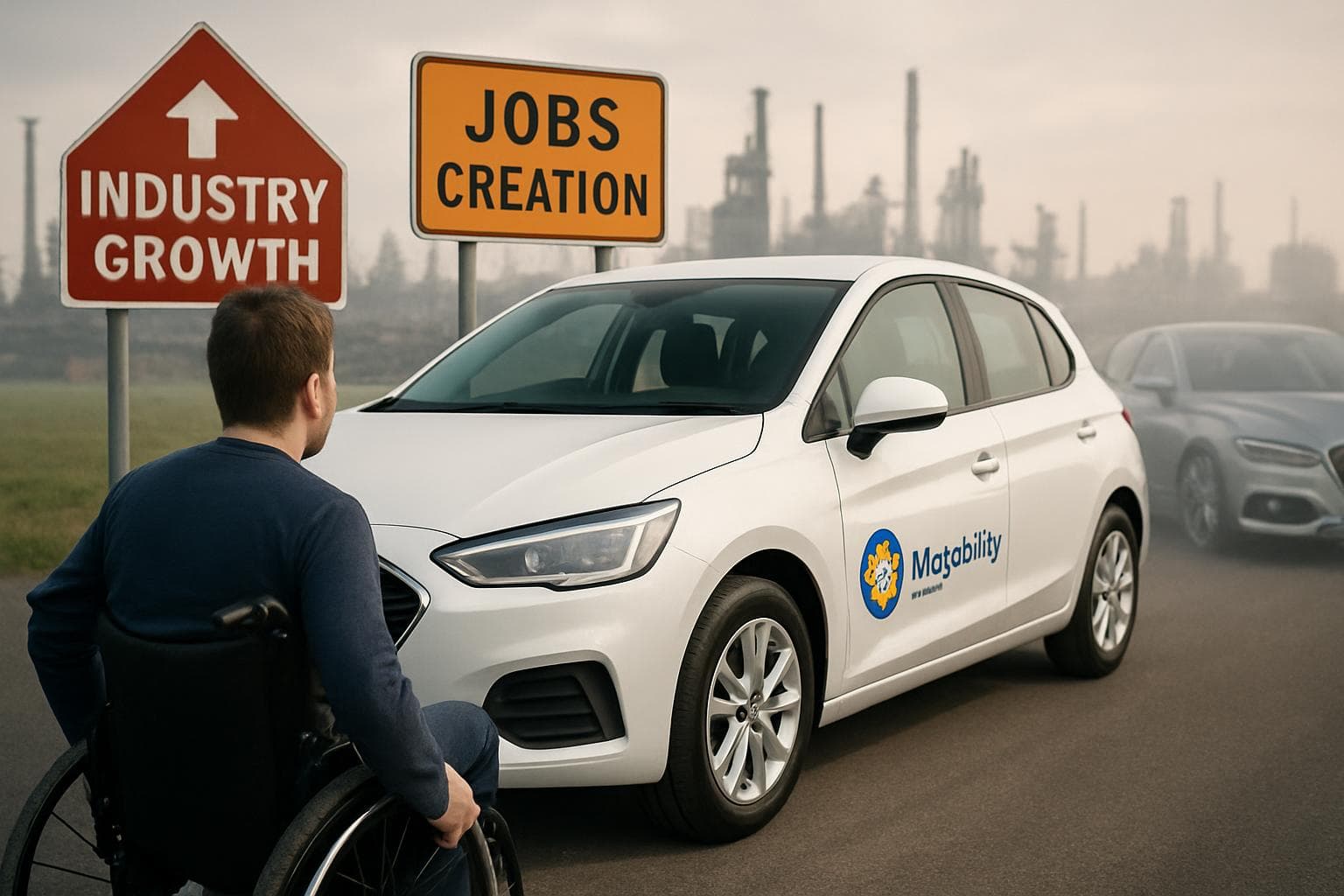
The Motability scheme, a vital support system for disabled drivers in the UK, is undergoing significant changes as it phases out premium vehicles like BMW and Mercedes. This move aligns with a new ambition to lease more British-built cars, aiming for half of its fleet to be sourced domestically by 2035.
Focus on Affordability and Accessibility
The decision to remove high-end brands from the scheme comes amid growing demand, with the number of Motability users rising to 860,000. These changes are intended to ensure that the vehicles offered are affordable, reliable, and meet the specific needs of disabled drivers. Motability Operations, the company managing the scheme, emphasized that the focus will be on vehicles that provide value and purpose.
Economic and Political Implications
Chancellor Rachel Reeves has expressed support for the shift towards British manufacturing, highlighting the potential to create thousands of skilled jobs. However, she is also expected to announce the removal of £300m in tax breaks for the scheme, a move that could raise costs for users. The Motability scheme allows disabled individuals to lease cars using their Personal Independence Payment (PIP), with some opting to pay extra for premium models.
Impact on the UK Car Industry
The transition to British-built vehicles could significantly benefit the UK car industry, which has faced challenges in recent years. The scheme's target of leasing 150,000 British-made cars annually by 2035 represents a substantial increase from the current 22,000. This shift could provide a much-needed boost to domestic manufacturers like Nissan and Toyota, as well as potentially incentivize BMW to produce electric models in the UK.
Voices from the Community
The removal of premium brands has sparked debate among users and advocates. Farah Black, a disabled woman who leases a BMW through the scheme, expressed her disappointment, stating, "We should all have a choice... why can I not have a choice and drive what I want?" Disability Rights UK has also raised concerns about the potential financial impact on disabled individuals if tax exemptions are reduced.
WHAT THIS MIGHT MEAN
The changes to the Motability scheme could have far-reaching implications for both disabled drivers and the UK car industry. If the shift towards British-built vehicles is successful, it could revitalize domestic manufacturing and create new job opportunities. However, the removal of tax breaks may increase costs for users, potentially leading to pushback from disability advocates and political figures. As the government navigates these changes, it will need to balance economic goals with the needs of the disabled community to ensure the scheme remains a lifeline for those it serves.
Related Articles

Middle East Conflict Drives UK Energy Prices to New Highs

UK Achieves Record Budget Surplus Amid Calls for Fiscal Policy Reform
UK Inflation Drops to 3% in January, Sparking Interest Rate Cut Speculation

Breakthrough Drug Offers Hope for Children with Severe Epilepsy

Trump Raises Import Tariffs to 15% After Supreme Court Setback

Arrest of Andrew Mountbatten-Windsor Captured in Iconic Photograph
Motability Scheme to Drop Premium Cars in Favor of British-Built Vehicles
In This Article
 Daniel Rivera| Published
 HIGHLIGHTS
- The Motability scheme will no longer offer premium vehicles like BMW and Mercedes to disabled drivers, aiming to lease more British-built cars by 2035.
- Chancellor Rachel Reeves plans to cut £300m in tax breaks for the scheme, potentially increasing costs for disabled users.
- The scheme currently supports 860,000 disabled people, with 50,000 opting for premium cars by paying extra.
- The removal of premium brands is part of a broader strategy to focus on affordable, reliable vehicles that meet disabled people's needs.
- The changes could boost the UK car industry, with a target of 150,000 British-built vehicles leased annually by 2035.
The Motability scheme, a vital support system for disabled drivers in the UK, is undergoing significant changes as it phases out premium vehicles like BMW and Mercedes. This move aligns with a new ambition to lease more British-built cars, aiming for half of its fleet to be sourced domestically by 2035.
Focus on Affordability and Accessibility
The decision to remove high-end brands from the scheme comes amid growing demand, with the number of Motability users rising to 860,000. These changes are intended to ensure that the vehicles offered are affordable, reliable, and meet the specific needs of disabled drivers. Motability Operations, the company managing the scheme, emphasized that the focus will be on vehicles that provide value and purpose.
Economic and Political Implications
Chancellor Rachel Reeves has expressed support for the shift towards British manufacturing, highlighting the potential to create thousands of skilled jobs. However, she is also expected to announce the removal of £300m in tax breaks for the scheme, a move that could raise costs for users. The Motability scheme allows disabled individuals to lease cars using their Personal Independence Payment (PIP), with some opting to pay extra for premium models.
Impact on the UK Car Industry
The transition to British-built vehicles could significantly benefit the UK car industry, which has faced challenges in recent years. The scheme's target of leasing 150,000 British-made cars annually by 2035 represents a substantial increase from the current 22,000. This shift could provide a much-needed boost to domestic manufacturers like Nissan and Toyota, as well as potentially incentivize BMW to produce electric models in the UK.
Voices from the Community
The removal of premium brands has sparked debate among users and advocates. Farah Black, a disabled woman who leases a BMW through the scheme, expressed her disappointment, stating, "We should all have a choice... why can I not have a choice and drive what I want?" Disability Rights UK has also raised concerns about the potential financial impact on disabled individuals if tax exemptions are reduced.
WHAT THIS MIGHT MEAN
The changes to the Motability scheme could have far-reaching implications for both disabled drivers and the UK car industry. If the shift towards British-built vehicles is successful, it could revitalize domestic manufacturing and create new job opportunities. However, the removal of tax breaks may increase costs for users, potentially leading to pushback from disability advocates and political figures. As the government navigates these changes, it will need to balance economic goals with the needs of the disabled community to ensure the scheme remains a lifeline for those it serves.
Related Articles
Middle East Conflict Drives UK Energy Prices to New Highs
UK Achieves Record Budget Surplus Amid Calls for Fiscal Policy Reform
UK Inflation Drops to 3% in January, Sparking Interest Rate Cut Speculation
Breakthrough Drug Offers Hope for Children with Severe Epilepsy
Trump Raises Import Tariffs to 15% After Supreme Court Setback
Arrest of Andrew Mountbatten-Windsor Captured in Iconic Photograph