
Rising Costs of Mounjaro Spark Concerns Over Black Market Alternatives
In This Article
HIGHLIGHTS
- Eli Lilly announced a 170% price increase for the weight loss drug Mounjaro in the UK, effective from September.
- The price hike raises the cost of a month's supply of the highest dose from £122 to £330, affecting private patients.
- NHS patients remain unaffected due to a pre-negotiated discounted rate for Mounjaro prescriptions.
- Concerns arise over potential shifts to the black market as patients struggle with affordability.
- Personal stories highlight the drug's impact on weight management and lifestyle changes.
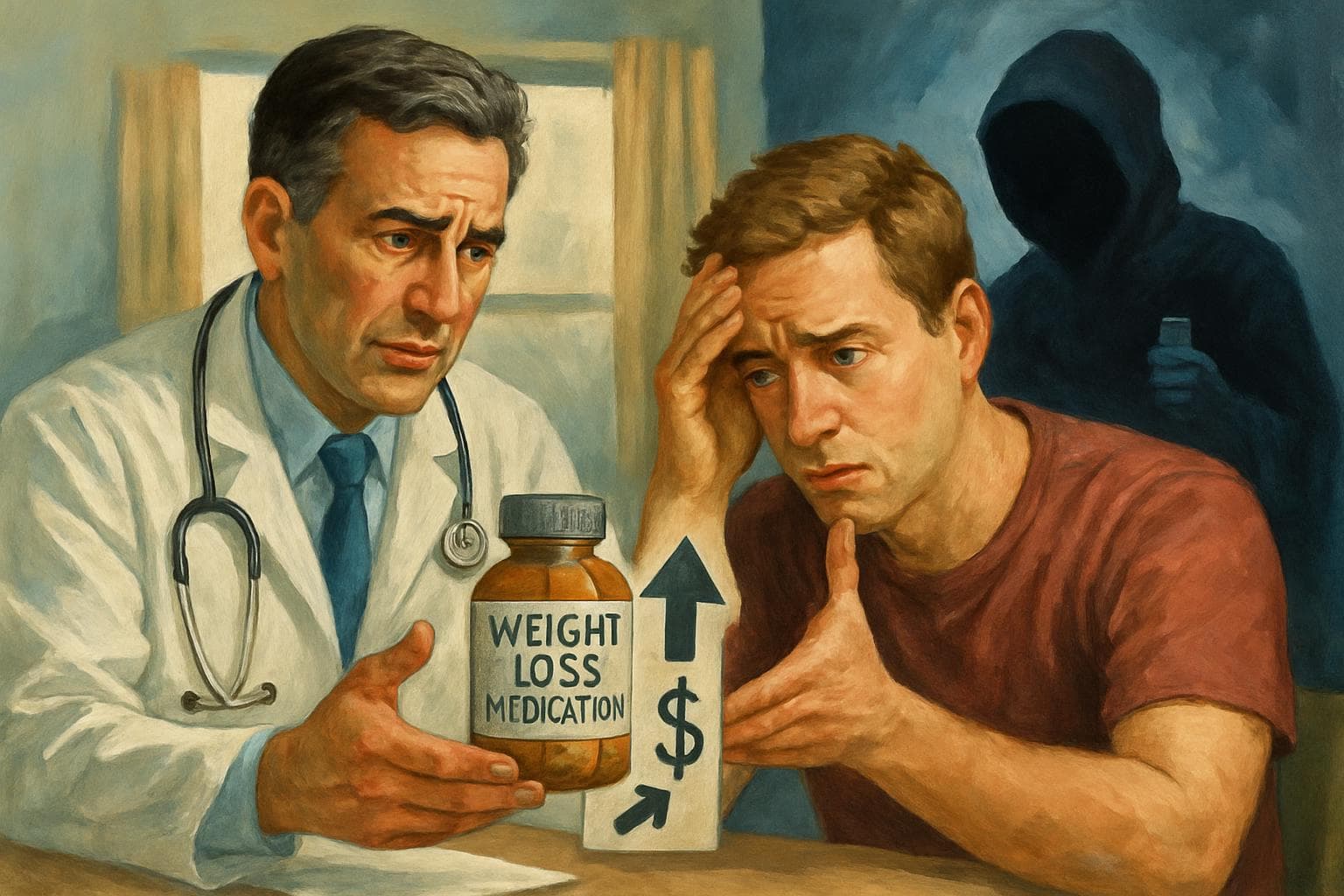
The recent announcement by Eli Lilly to increase the price of its weight loss drug Mounjaro by 170% in the UK has stirred significant concern among patients and healthcare professionals. The price adjustment, effective from September, will see the cost of a month's supply of the highest dose rise from £122 to £330, impacting those who purchase the drug privately.
Impact on Private Patients
Dr. Liz Donald, a Shropshire-based GP specializing in weight loss, expressed worries about the financial strain this price hike will impose on her patients. "Many are concerned they simply can't afford the price increases," she noted, adding that this could drive some individuals to seek black market alternatives. The manufacturer, Eli Lilly, justified the increase by stating it aims to align UK prices with those in Europe and ensure fair contributions to the cost of innovation.
NHS Patients Unaffected
While private patients face steep price hikes, those receiving Mounjaro through the NHS will not be affected, thanks to a previously negotiated discounted rate. The drug, administered via weekly injections, helps users feel full, thereby reducing food intake and supporting weight loss efforts.
Personal Stories of Transformation
The price increase has sparked anxiety among users like Ad, a 37-year-old father from Telford, who has experienced significant weight loss since starting Mounjaro. "I was a binge eater, but since starting the medication, I've lost two stone and haven't touched chocolate," he shared. His partner, Nicola, observed a noticeable improvement in his energy levels and interaction with their children. However, the looming price rise poses a financial dilemma for the family, as they balance childcare costs and other expenses.
WHAT THIS MIGHT MEAN
The substantial price increase of Mounjaro could lead to several potential outcomes. Patients unable to afford the drug may turn to the black market, raising concerns about the safety and regulation of such alternatives. Healthcare professionals might see an increase in demand for consultations on alternative weight management strategies or medications. Politically, the price hike could reignite debates over drug pricing and accessibility in the UK, prompting calls for regulatory intervention to ensure essential medications remain affordable for all.
Related Articles

UK Government to Reform Asylum Seeker Support and Employment Policies
Persistent Safety Concerns in Nottingham Maternity Services Amidst Calls for Systemic Reform

UK Faces Dilemmas Amid Iran Conflict and China Spying Allegations
UK Reinforces Military Presence in Cyprus Amid Middle East Tensions

UK-Iran Tensions: Starmer Defends Cautious Approach Amid Trump Criticism
Diplomatic Tensions Rise as Trump Criticizes Starmer's Iran Policy
Rising Costs of Mounjaro Spark Concerns Over Black Market Alternatives
In This Article
 Ethan Brooks| Published
 HIGHLIGHTS
- Eli Lilly announced a 170% price increase for the weight loss drug Mounjaro in the UK, effective from September.
- The price hike raises the cost of a month's supply of the highest dose from £122 to £330, affecting private patients.
- NHS patients remain unaffected due to a pre-negotiated discounted rate for Mounjaro prescriptions.
- Concerns arise over potential shifts to the black market as patients struggle with affordability.
- Personal stories highlight the drug's impact on weight management and lifestyle changes.
The recent announcement by Eli Lilly to increase the price of its weight loss drug Mounjaro by 170% in the UK has stirred significant concern among patients and healthcare professionals. The price adjustment, effective from September, will see the cost of a month's supply of the highest dose rise from £122 to £330, impacting those who purchase the drug privately.
Impact on Private Patients
Dr. Liz Donald, a Shropshire-based GP specializing in weight loss, expressed worries about the financial strain this price hike will impose on her patients. "Many are concerned they simply can't afford the price increases," she noted, adding that this could drive some individuals to seek black market alternatives. The manufacturer, Eli Lilly, justified the increase by stating it aims to align UK prices with those in Europe and ensure fair contributions to the cost of innovation.
NHS Patients Unaffected
While private patients face steep price hikes, those receiving Mounjaro through the NHS will not be affected, thanks to a previously negotiated discounted rate. The drug, administered via weekly injections, helps users feel full, thereby reducing food intake and supporting weight loss efforts.
Personal Stories of Transformation
The price increase has sparked anxiety among users like Ad, a 37-year-old father from Telford, who has experienced significant weight loss since starting Mounjaro. "I was a binge eater, but since starting the medication, I've lost two stone and haven't touched chocolate," he shared. His partner, Nicola, observed a noticeable improvement in his energy levels and interaction with their children. However, the looming price rise poses a financial dilemma for the family, as they balance childcare costs and other expenses.
WHAT THIS MIGHT MEAN
The substantial price increase of Mounjaro could lead to several potential outcomes. Patients unable to afford the drug may turn to the black market, raising concerns about the safety and regulation of such alternatives. Healthcare professionals might see an increase in demand for consultations on alternative weight management strategies or medications. Politically, the price hike could reignite debates over drug pricing and accessibility in the UK, prompting calls for regulatory intervention to ensure essential medications remain affordable for all.
Related Articles
UK Government to Reform Asylum Seeker Support and Employment Policies
Persistent Safety Concerns in Nottingham Maternity Services Amidst Calls for Systemic Reform
UK Faces Dilemmas Amid Iran Conflict and China Spying Allegations
UK Reinforces Military Presence in Cyprus Amid Middle East Tensions
UK-Iran Tensions: Starmer Defends Cautious Approach Amid Trump Criticism
Diplomatic Tensions Rise as Trump Criticizes Starmer's Iran Policy