
Myanmar Faces Genocide Allegations at UN's Top Court

In This Article
HIGHLIGHTS
- The International Court of Justice (ICJ) is hearing a landmark case accusing Myanmar of genocide against the Rohingya, brought by The Gambia in 2019.
- Over 700,000 Rohingya fled to Bangladesh following military crackdowns in 2016 and 2017, with allegations of mass murder and rape.
- The Gambia's foreign minister, Dawda Jallow, emphasized the case's focus on real human suffering, not just legal theory.
- Myanmar denies the genocide allegations, claiming military actions targeted insurgents, and will present its defense later this month.
- The ICJ's decision, expected in months or years, could influence international responses to human rights violations.
The International Court of Justice (ICJ) has commenced hearings on a pivotal case accusing Myanmar of genocide against the Rohingya Muslim minority. Initiated by The Gambia in 2019, the case alleges that Myanmar's military engaged in systematic violence aimed at eradicating the Rohingya population.
Background of the Case
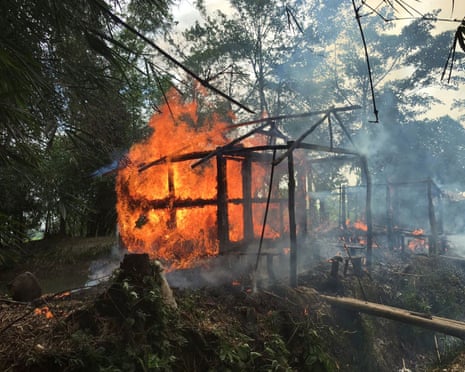
The proceedings focus on military operations in 2016 and 2017, which forced over 700,000 Rohingya to flee to neighboring Bangladesh. The Gambia's foreign minister, Dawda Jallow, presented the case, highlighting "credible reports of the most brutal and vicious violations" against the Rohingya, including mass murder, rape, and the destruction of villages. Jallow stressed that the case is about "real people, real stories, and a real group of human beings."
Myanmar's Defense and International Implications
Myanmar has consistently denied the allegations, asserting that its military actions were directed at insurgent threats rather than civilians. The country will have the opportunity to present its defense later this month. Despite the ICJ's inability to prosecute individuals, its rulings carry significant weight with international bodies, potentially influencing global responses to human rights violations.
Personal Accounts and Broader Context
Survivors like Monaira, who witnessed horrific violence and fled to Bangladesh, have traveled to The Hague to attend the hearings. "We demand justice," she stated, underscoring the community's hope for accountability. The case marks the first time in over a decade that the ICJ has heard a genocide case at this level, setting a potential precedent for future allegations.
The hearings come amid ongoing turmoil in Myanmar, where the military's 2021 coup ousted civilian leader Aung San Suu Kyi, who previously defended the military's actions. Her detention has further complicated the country's political landscape.
WHAT THIS MIGHT MEAN
The ICJ's decision, expected to take months or even years, could have far-reaching implications for international law and human rights enforcement. A ruling against Myanmar might pressure the international community to impose sanctions or take other actions to hold the military accountable. Conversely, a decision in Myanmar's favor could embolden other regimes accused of human rights violations. Experts suggest that the case could also influence how future allegations of genocide are assessed, potentially affecting global diplomatic and legal strategies.
Images from the Web
Related Articles
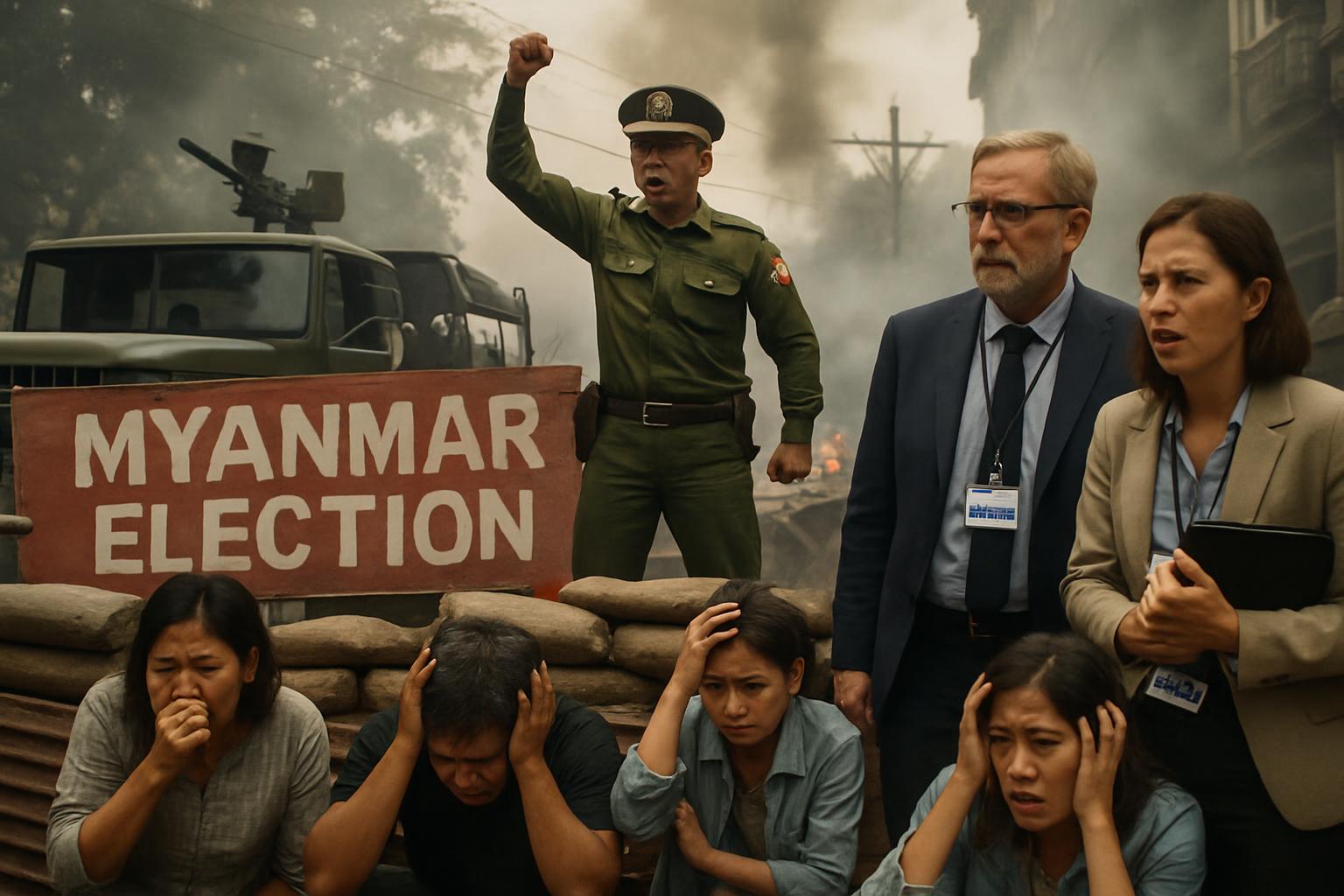
Myanmar's Controversial Election: Military-Backed Party Claims Victory Amidst Violence and Criticism
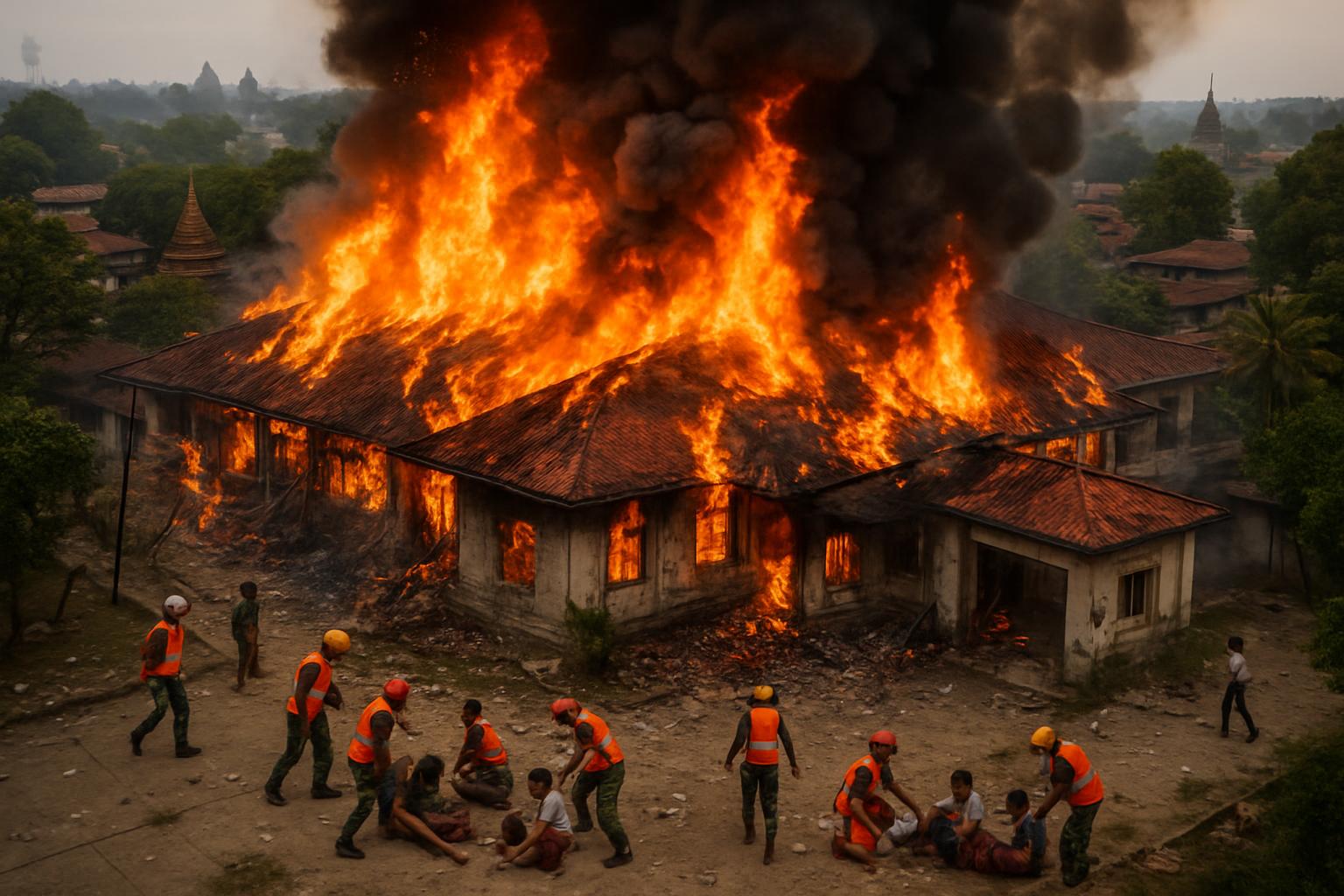
Deadly Airstrike on Myanmar Hospital Sparks International Outcry
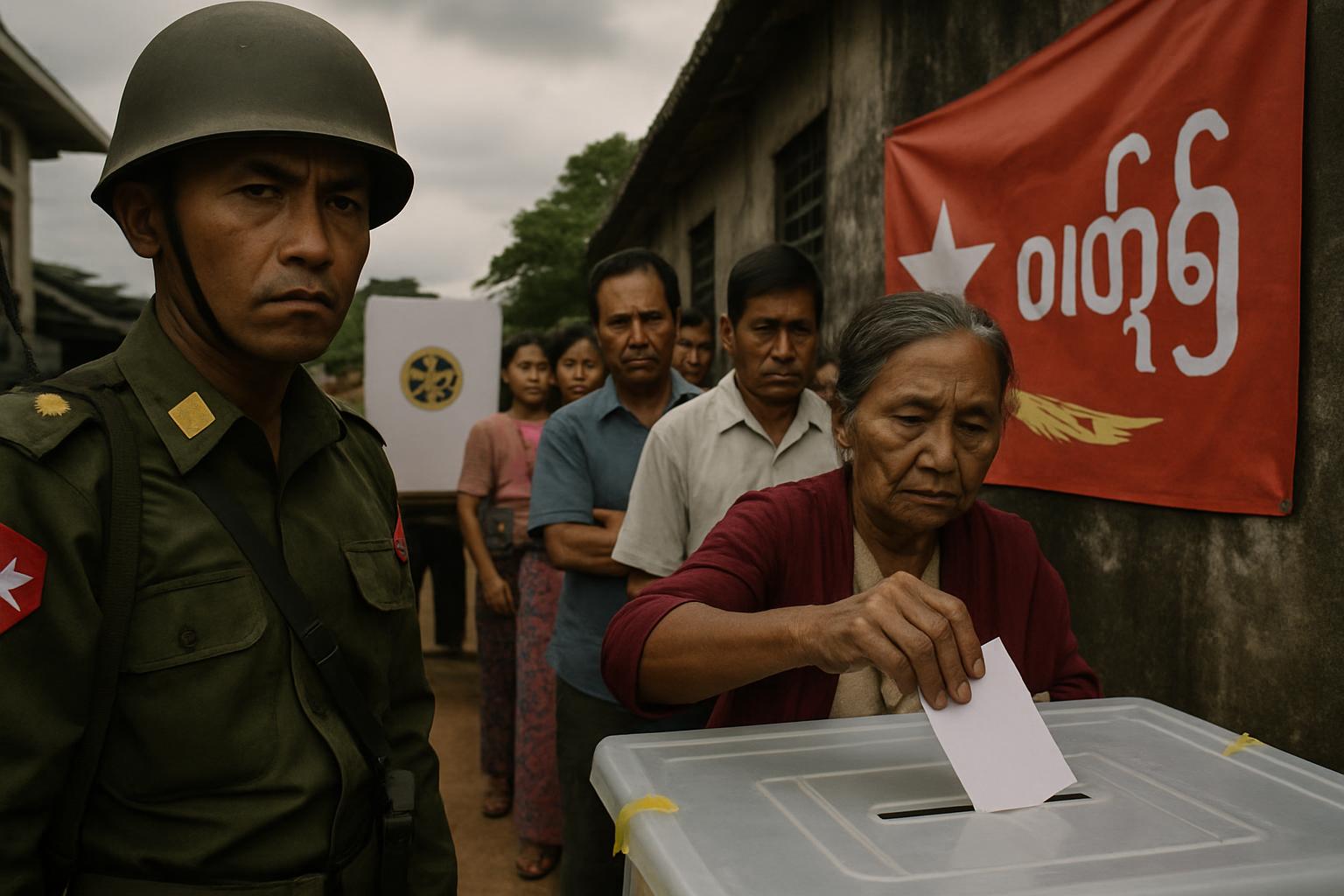
Myanmar's Controversial Election: Military-Backed Party Set for Victory Amidst Criticism

Trump Criticizes UK’s Chagos Islands Deal Amid Greenland Acquisition Ambitions
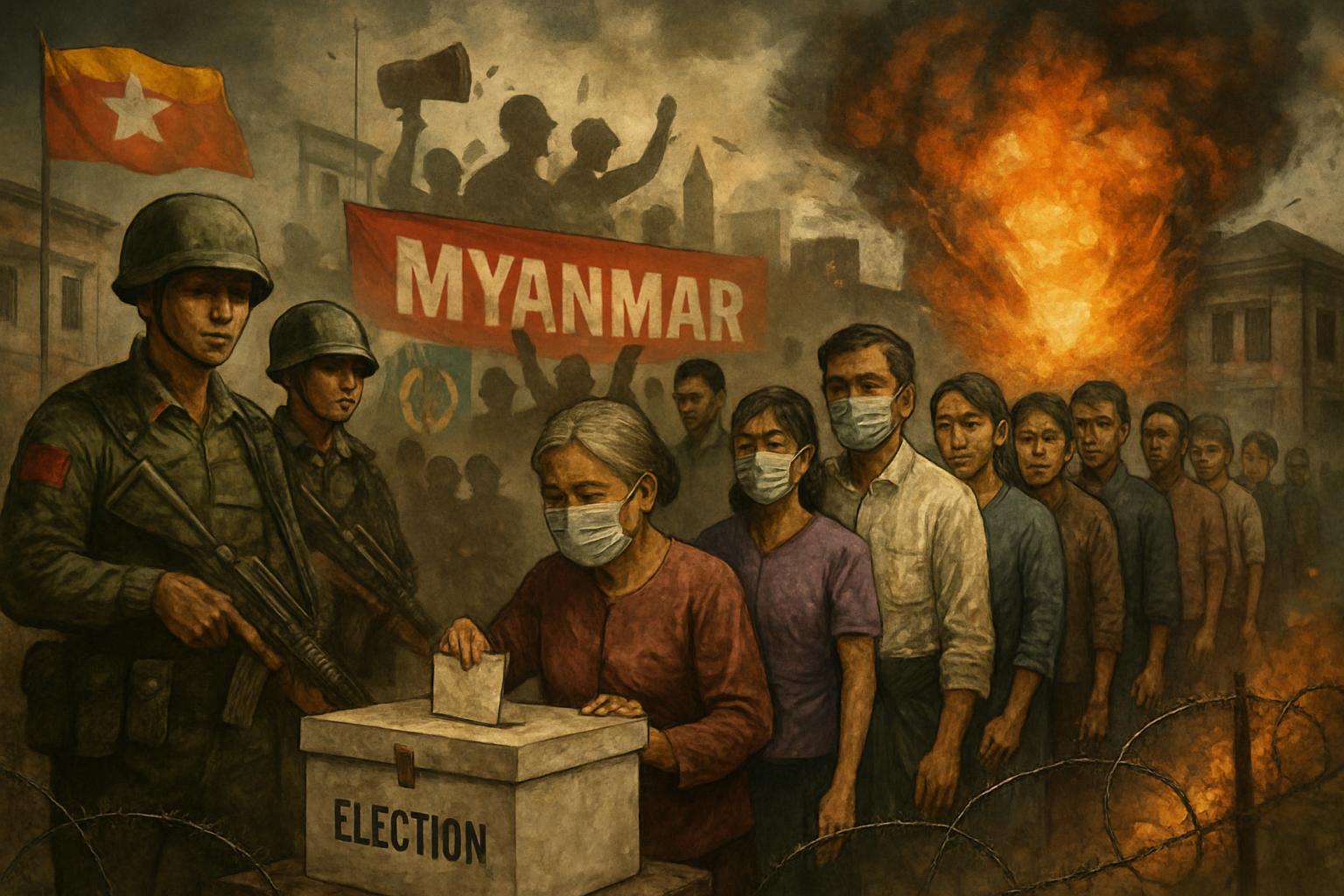
Myanmar's Controversial Elections Amidst Civil Unrest and International Criticism
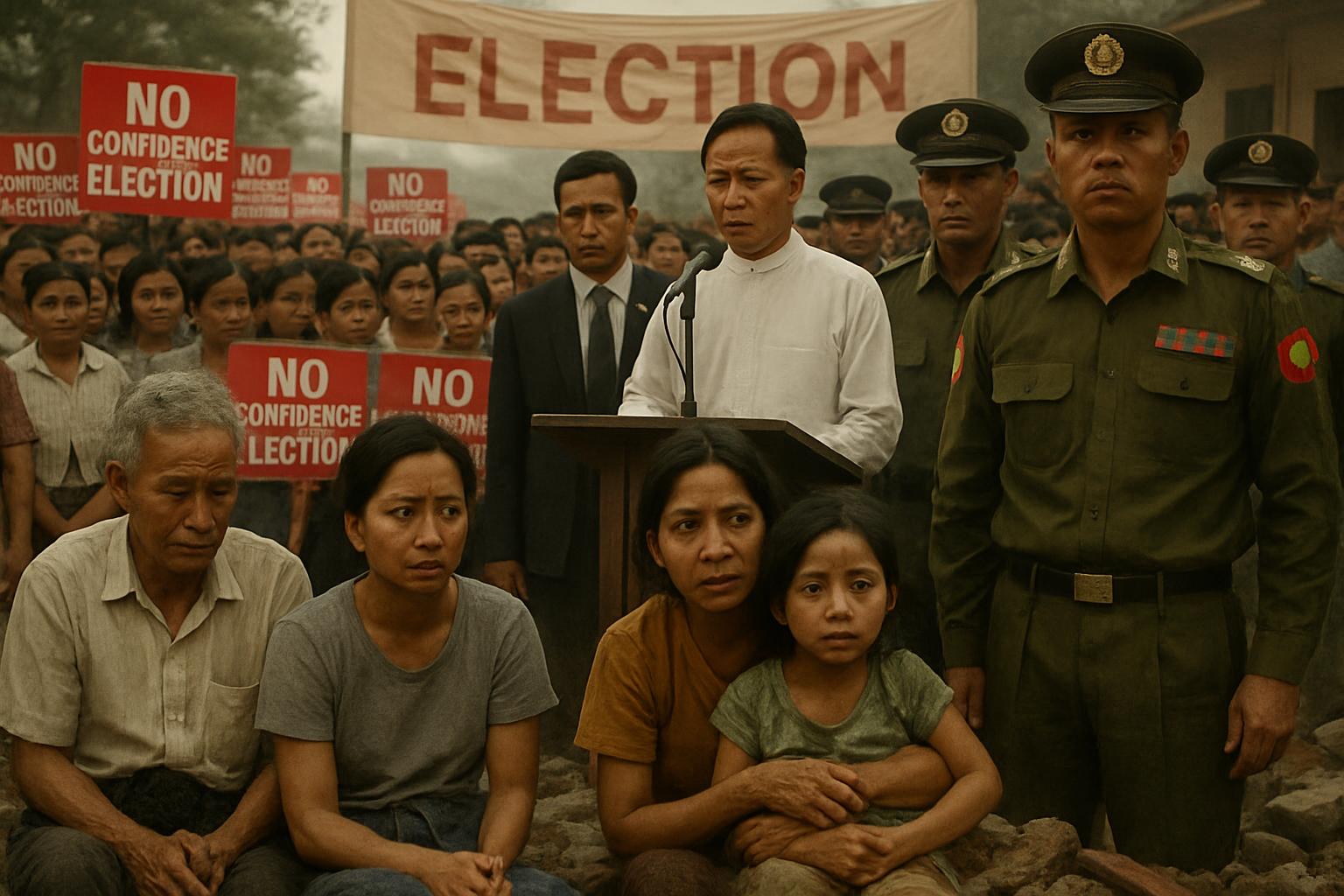
Myanmar's Controversial Elections: A Bid for Legitimacy Amidst Turmoil
Myanmar Faces Genocide Allegations at UN's Top Court
In This Article
 Ethan Brooks| Published
 HIGHLIGHTS
- The International Court of Justice (ICJ) is hearing a landmark case accusing Myanmar of genocide against the Rohingya, brought by The Gambia in 2019.
- Over 700,000 Rohingya fled to Bangladesh following military crackdowns in 2016 and 2017, with allegations of mass murder and rape.
- The Gambia's foreign minister, Dawda Jallow, emphasized the case's focus on real human suffering, not just legal theory.
- Myanmar denies the genocide allegations, claiming military actions targeted insurgents, and will present its defense later this month.
- The ICJ's decision, expected in months or years, could influence international responses to human rights violations.
The International Court of Justice (ICJ) has commenced hearings on a pivotal case accusing Myanmar of genocide against the Rohingya Muslim minority. Initiated by The Gambia in 2019, the case alleges that Myanmar's military engaged in systematic violence aimed at eradicating the Rohingya population.
Background of the Case
The proceedings focus on military operations in 2016 and 2017, which forced over 700,000 Rohingya to flee to neighboring Bangladesh. The Gambia's foreign minister, Dawda Jallow, presented the case, highlighting "credible reports of the most brutal and vicious violations" against the Rohingya, including mass murder, rape, and the destruction of villages. Jallow stressed that the case is about "real people, real stories, and a real group of human beings."
Myanmar's Defense and International Implications
Myanmar has consistently denied the allegations, asserting that its military actions were directed at insurgent threats rather than civilians. The country will have the opportunity to present its defense later this month. Despite the ICJ's inability to prosecute individuals, its rulings carry significant weight with international bodies, potentially influencing global responses to human rights violations.
Personal Accounts and Broader Context
Survivors like Monaira, who witnessed horrific violence and fled to Bangladesh, have traveled to The Hague to attend the hearings. "We demand justice," she stated, underscoring the community's hope for accountability. The case marks the first time in over a decade that the ICJ has heard a genocide case at this level, setting a potential precedent for future allegations.
The hearings come amid ongoing turmoil in Myanmar, where the military's 2021 coup ousted civilian leader Aung San Suu Kyi, who previously defended the military's actions. Her detention has further complicated the country's political landscape.
WHAT THIS MIGHT MEAN
The ICJ's decision, expected to take months or even years, could have far-reaching implications for international law and human rights enforcement. A ruling against Myanmar might pressure the international community to impose sanctions or take other actions to hold the military accountable. Conversely, a decision in Myanmar's favor could embolden other regimes accused of human rights violations. Experts suggest that the case could also influence how future allegations of genocide are assessed, potentially affecting global diplomatic and legal strategies.
Images from the Web
Related Articles
Myanmar's Controversial Election: Military-Backed Party Claims Victory Amidst Violence and Criticism
Deadly Airstrike on Myanmar Hospital Sparks International Outcry
Myanmar's Controversial Election: Military-Backed Party Set for Victory Amidst Criticism
Trump Criticizes UK’s Chagos Islands Deal Amid Greenland Acquisition Ambitions
Myanmar's Controversial Elections Amidst Civil Unrest and International Criticism
Myanmar's Controversial Elections: A Bid for Legitimacy Amidst Turmoil