
Nobel Laureate Narges Mohammadi Arrested Amidst Rising Tensions in Iran
In This Article
HIGHLIGHTS
- Nobel Peace Prize laureate Narges Mohammadi was arrested by Iranian security forces at a memorial in Mashhad.
- Mohammadi was previously on temporary medical leave from Evin prison, where she was serving multiple sentences.
- The arrest occurred during a memorial for lawyer Khosrow Alikordi, whose death is considered suspicious by activists.
- Iranian authorities have not commented on Mohammadi's detention, raising concerns about her safety and whereabouts.
- Mohammadi's arrest is seen as part of a broader crackdown on dissent and human rights activism in Iran.
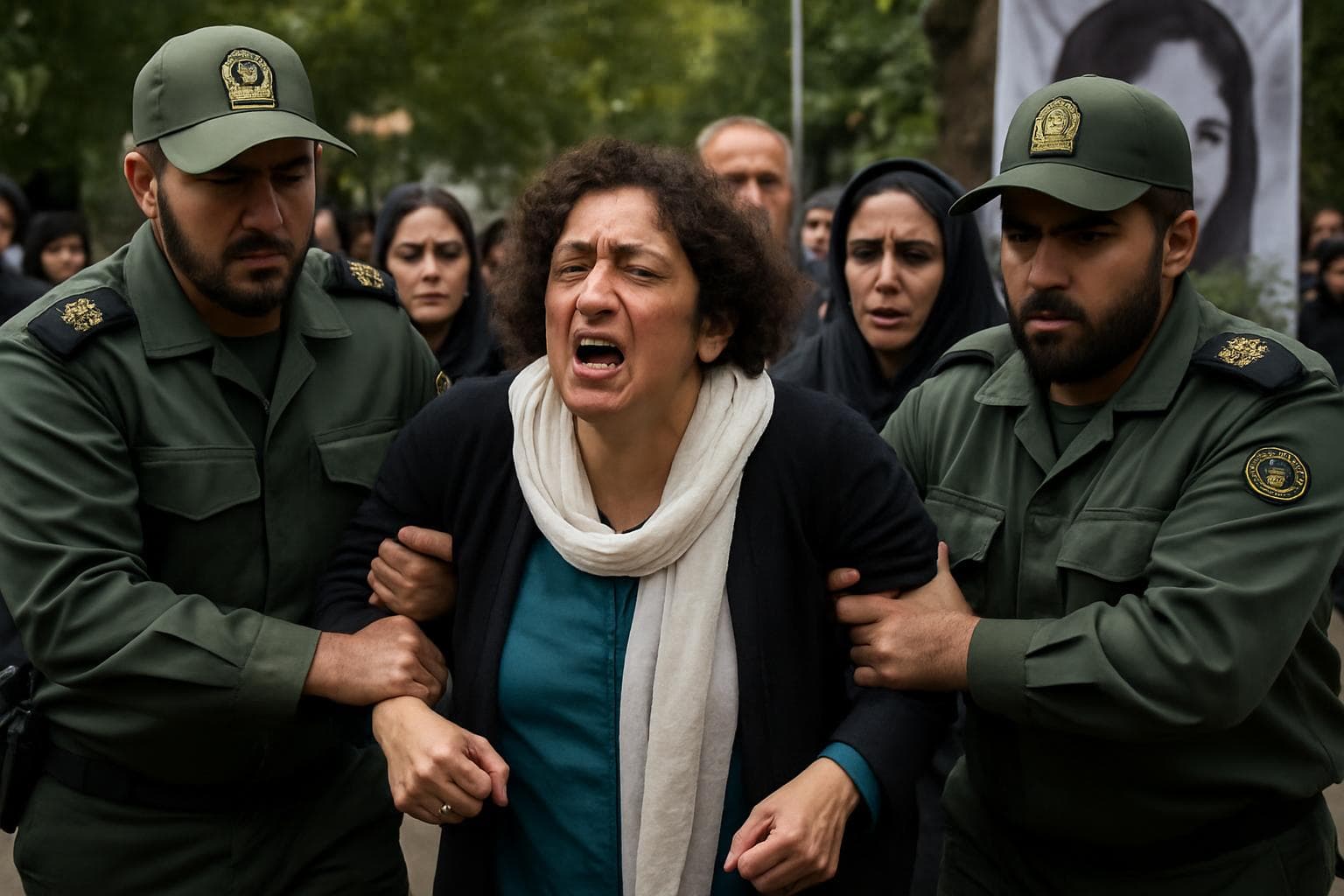
In a move that has drawn international condemnation, Iranian security forces have detained Nobel Peace Prize winner Narges Mohammadi, a prominent women's rights activist, during a memorial ceremony in Mashhad. The arrest, confirmed by her foundation, has sparked fears for her safety and highlighted the ongoing repression of human rights activists in Iran.
Arrest at a Memorial Ceremony
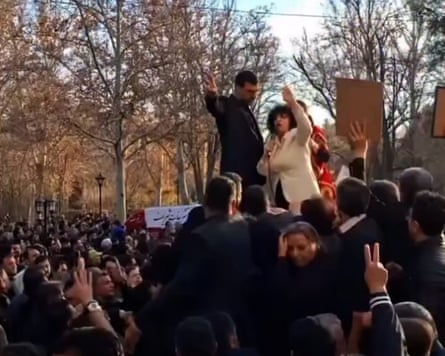
Mohammadi, 53, was taken into custody while attending a memorial for Khosrow Alikordi, a human rights lawyer whose recent death has been shrouded in controversy. The circumstances of Alikordi's death have prompted calls for an independent investigation, with activists suspecting foul play. During the memorial, Mohammadi and other attendees reportedly chanted slogans critical of the Iranian regime, leading to their arrest.
A History of Activism and Repression
Known for her tireless advocacy against female oppression and for promoting human rights in Iran, Mohammadi was awarded the Nobel Peace Prize in 2023. She had been on temporary medical leave from Tehran's notorious Evin prison, where she was serving multiple sentences. Her foundation reports that she has been arrested 13 times and sentenced to over 36 years in prison and 154 lashes throughout her activism career.
International Outcry and Concerns
The Nobel Committee has expressed deep concern over Mohammadi's arrest, urging Iranian authorities to clarify her whereabouts and ensure her safety. Her husband, Taghi Rahmani, described the arrest as a targeted attack on democracy and freedom of expression. The incident has intensified fears among her family and supporters, who worry about her health and the broader implications for human rights in Iran.
Escalating Crackdown on Dissent
Mohammadi's arrest is part of a broader pattern of repression in Iran, where authorities have intensified their crackdown on dissent. Her recent writings and public statements have criticized the Iranian regime's control over personal and public life, highlighting issues such as surveillance, censorship, and arbitrary arrests. Despite warnings from regime agents, Mohammadi has remained defiant, continuing her advocacy for democracy and human rights.
WHAT THIS MIGHT MEAN
The arrest of Narges Mohammadi could further strain Iran's relations with the international community, particularly as human rights organizations and foreign governments call for her immediate release. If the Iranian authorities continue their crackdown on activists, it may lead to increased domestic unrest and international sanctions. Experts suggest that Mohammadi's detention could galvanize further protests within Iran, as her case symbolizes the broader struggle for freedom of expression and human rights in the country. As the situation unfolds, the global community will be closely monitoring Iran's actions and the potential implications for regional stability.
Images from the Web
Related Articles
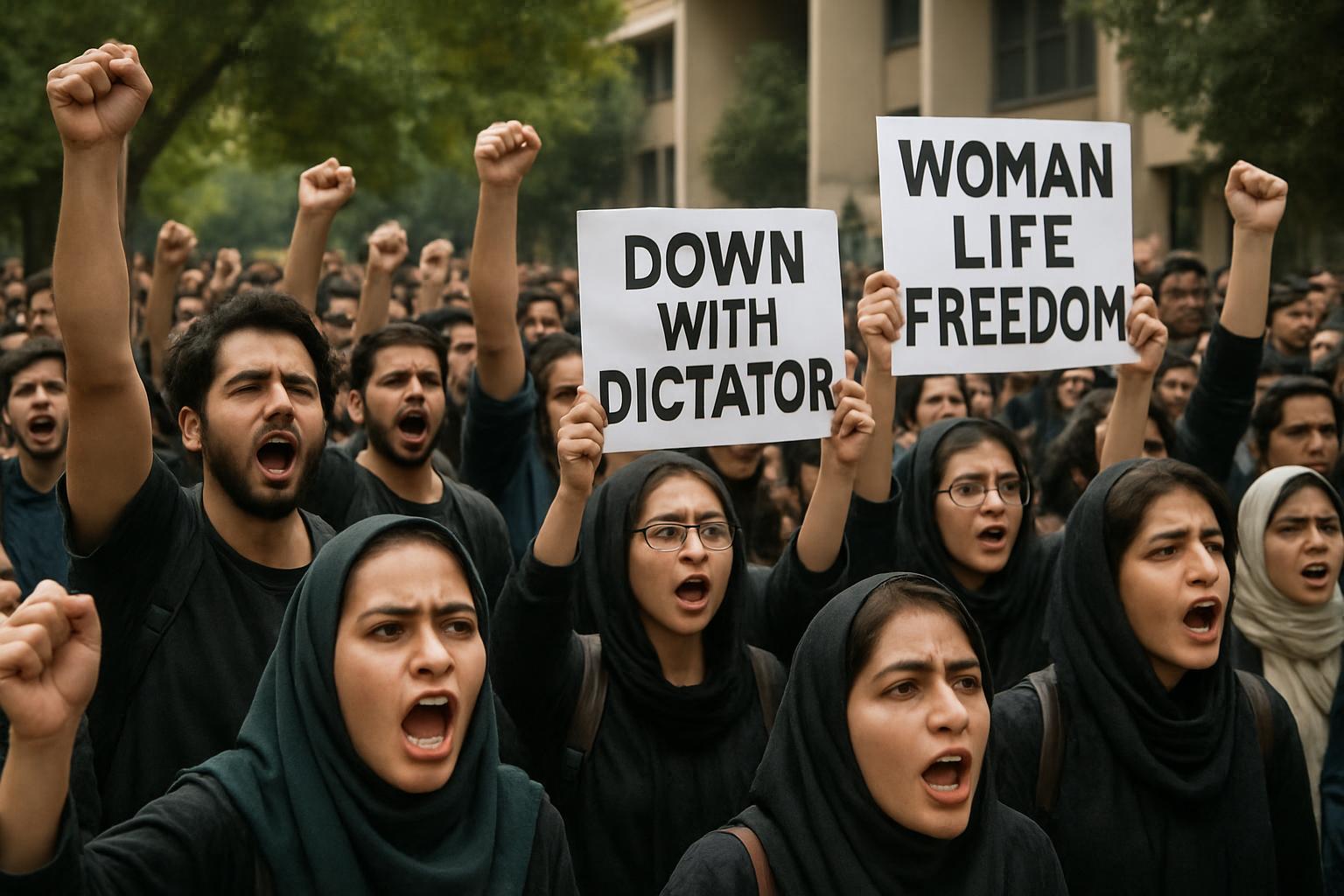
Iranian Students Lead Major Protests Amid Rising US-Iran Tensions

US-Iran Tensions Escalate Amid Renewed Nuclear Talks and Protests
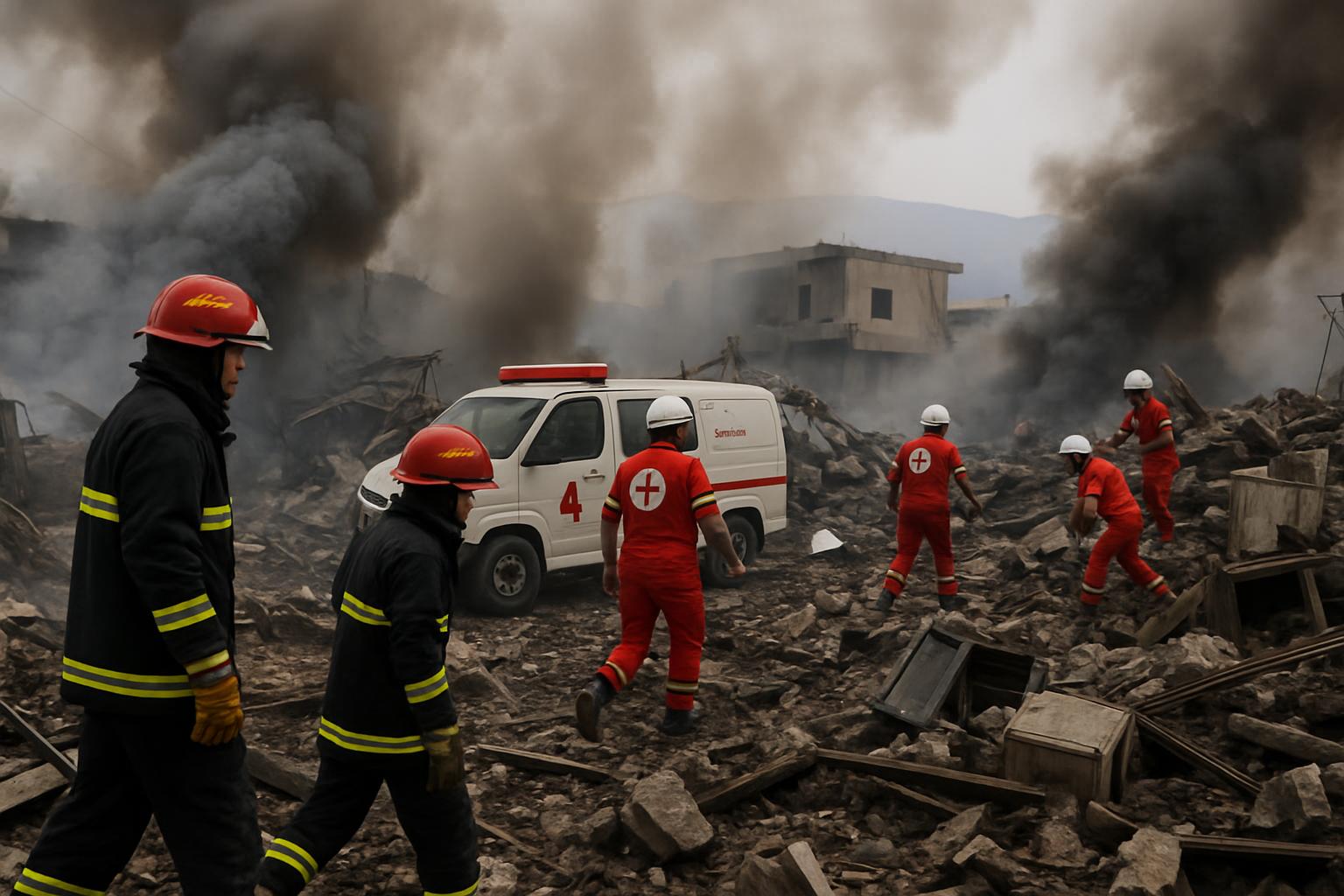
Israeli Airstrikes in Lebanon's Bekaa Valley Leave 10 Dead Amid Rising Tensions

Middle East Conflict Drives UK Energy Prices to New Highs

US and Israel Intensify Military Campaign as Iran's Capabilities Dwindle

UK Reinforces Military Presence in Cyprus Amid Middle East Tensions
Nobel Laureate Narges Mohammadi Arrested Amidst Rising Tensions in Iran
In This Article
 James Okoro| Published
 HIGHLIGHTS
- Nobel Peace Prize laureate Narges Mohammadi was arrested by Iranian security forces at a memorial in Mashhad.
- Mohammadi was previously on temporary medical leave from Evin prison, where she was serving multiple sentences.
- The arrest occurred during a memorial for lawyer Khosrow Alikordi, whose death is considered suspicious by activists.
- Iranian authorities have not commented on Mohammadi's detention, raising concerns about her safety and whereabouts.
- Mohammadi's arrest is seen as part of a broader crackdown on dissent and human rights activism in Iran.
In a move that has drawn international condemnation, Iranian security forces have detained Nobel Peace Prize winner Narges Mohammadi, a prominent women's rights activist, during a memorial ceremony in Mashhad. The arrest, confirmed by her foundation, has sparked fears for her safety and highlighted the ongoing repression of human rights activists in Iran.
Arrest at a Memorial Ceremony
Mohammadi, 53, was taken into custody while attending a memorial for Khosrow Alikordi, a human rights lawyer whose recent death has been shrouded in controversy. The circumstances of Alikordi's death have prompted calls for an independent investigation, with activists suspecting foul play. During the memorial, Mohammadi and other attendees reportedly chanted slogans critical of the Iranian regime, leading to their arrest.
A History of Activism and Repression
Known for her tireless advocacy against female oppression and for promoting human rights in Iran, Mohammadi was awarded the Nobel Peace Prize in 2023. She had been on temporary medical leave from Tehran's notorious Evin prison, where she was serving multiple sentences. Her foundation reports that she has been arrested 13 times and sentenced to over 36 years in prison and 154 lashes throughout her activism career.
International Outcry and Concerns
The Nobel Committee has expressed deep concern over Mohammadi's arrest, urging Iranian authorities to clarify her whereabouts and ensure her safety. Her husband, Taghi Rahmani, described the arrest as a targeted attack on democracy and freedom of expression. The incident has intensified fears among her family and supporters, who worry about her health and the broader implications for human rights in Iran.
Escalating Crackdown on Dissent
Mohammadi's arrest is part of a broader pattern of repression in Iran, where authorities have intensified their crackdown on dissent. Her recent writings and public statements have criticized the Iranian regime's control over personal and public life, highlighting issues such as surveillance, censorship, and arbitrary arrests. Despite warnings from regime agents, Mohammadi has remained defiant, continuing her advocacy for democracy and human rights.
WHAT THIS MIGHT MEAN
The arrest of Narges Mohammadi could further strain Iran's relations with the international community, particularly as human rights organizations and foreign governments call for her immediate release. If the Iranian authorities continue their crackdown on activists, it may lead to increased domestic unrest and international sanctions. Experts suggest that Mohammadi's detention could galvanize further protests within Iran, as her case symbolizes the broader struggle for freedom of expression and human rights in the country. As the situation unfolds, the global community will be closely monitoring Iran's actions and the potential implications for regional stability.
Images from the Web
Related Articles
Iranian Students Lead Major Protests Amid Rising US-Iran Tensions
US-Iran Tensions Escalate Amid Renewed Nuclear Talks and Protests
Israeli Airstrikes in Lebanon's Bekaa Valley Leave 10 Dead Amid Rising Tensions
Middle East Conflict Drives UK Energy Prices to New Highs
US and Israel Intensify Military Campaign as Iran's Capabilities Dwindle
UK Reinforces Military Presence in Cyprus Amid Middle East Tensions