
NATO Commits to Increased Defence Spending Amid Rising Security Threats
In This Article
HIGHLIGHTS
- NATO leaders agreed to increase defence spending to 5% of GDP by 2035, addressing security threats from Russia and terrorism.
- The decision was made during a summit in The Hague, with US President Trump emphasizing the need for equitable burden-sharing among member states.
- Secretary General Mark Rutte highlighted the importance of the alliance's collective security guarantee, particularly in light of Russia's actions in Ukraine.
- Spain and Slovakia expressed concerns over the spending target, but ultimately agreed to the plan.
- Trump praised NATO's commitment to increased spending, linking it to enhanced security and stability in the Euro-Atlantic region.
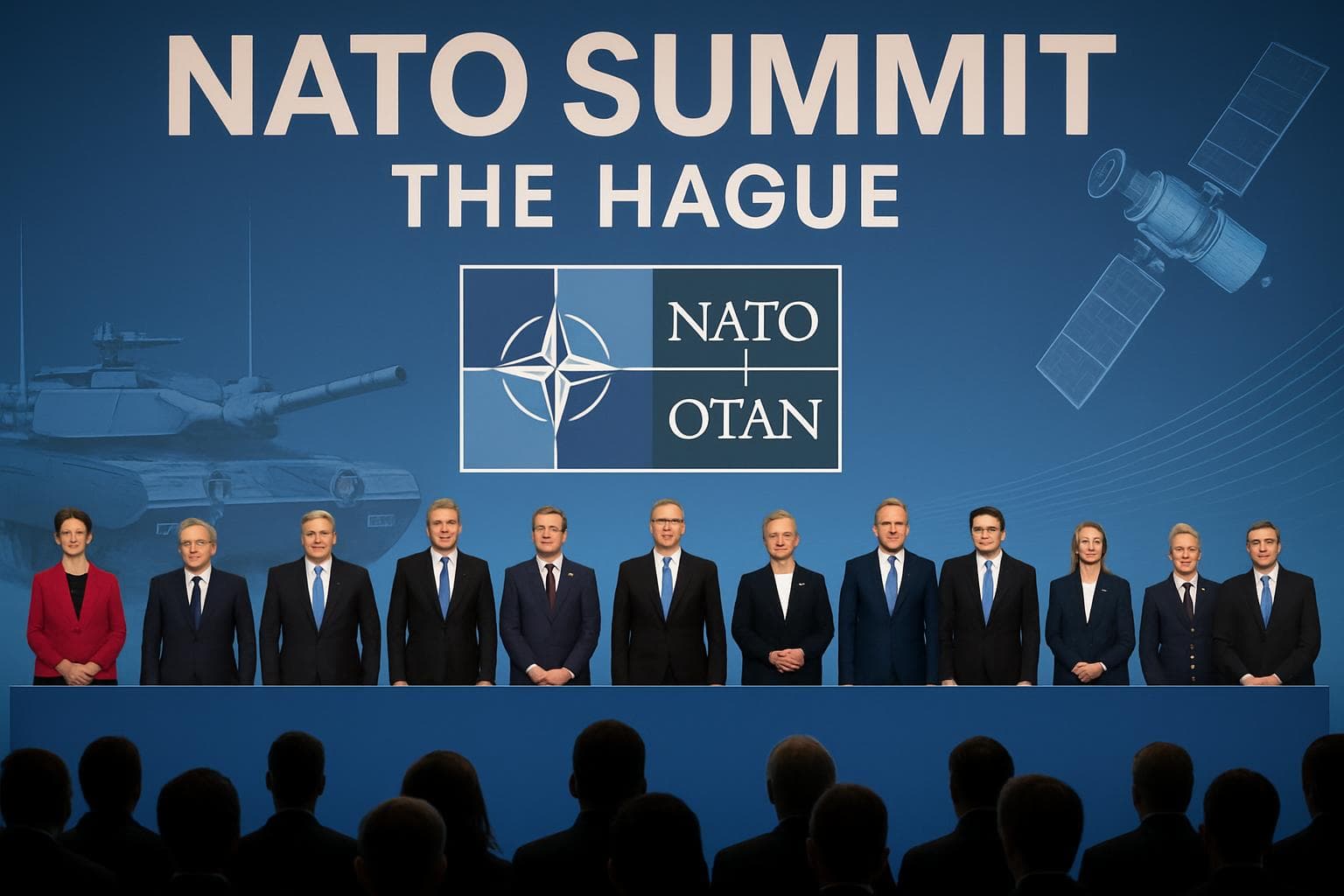
In a decisive move to bolster collective security, NATO leaders have agreed to increase defence spending to 5% of their countries' GDP by 2035. The decision, made during a summit in The Hague, comes amid growing concerns over security threats from Russia and persistent terrorism challenges.
Historic Summit in The Hague
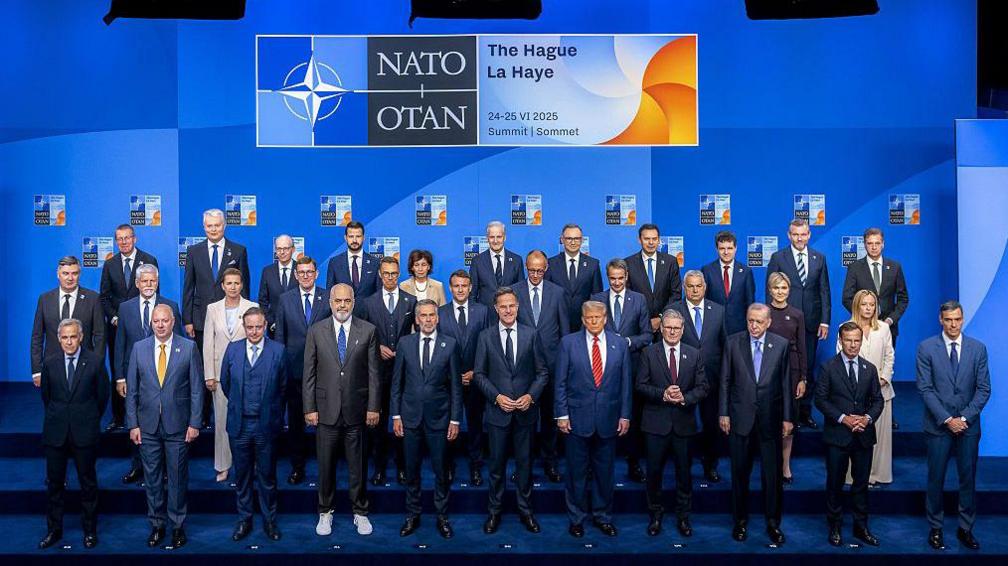
The summit, described by several leaders as historic, saw NATO members unite in their commitment to address "profound security threats," particularly the long-term threat posed by Russia. Secretary General Mark Rutte emphasized the alliance's "ironclad commitment" to collective defence, underscoring the mutual security guarantee that an attack on one member is an attack on all.
Equitable Burden-Sharing
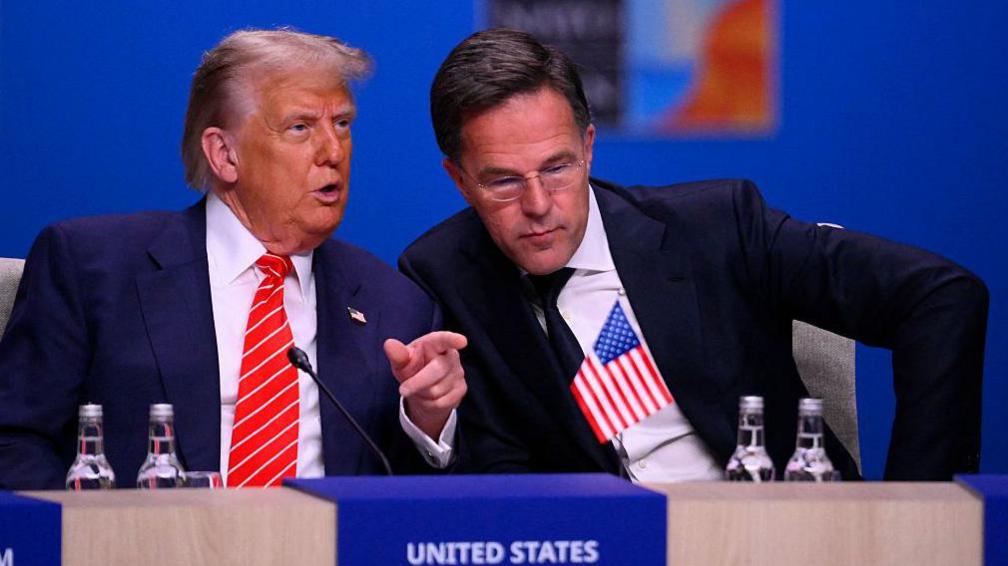
US President Donald Trump, who has long advocated for increased defence spending by NATO allies, hailed the agreement as a "great victory." He stressed the importance of equitable burden-sharing, noting that the United States had previously shouldered a disproportionate share of the defence burden. "We will be equalized shortly, and that's the way it has to be," Trump stated.
Diverse Member Reactions
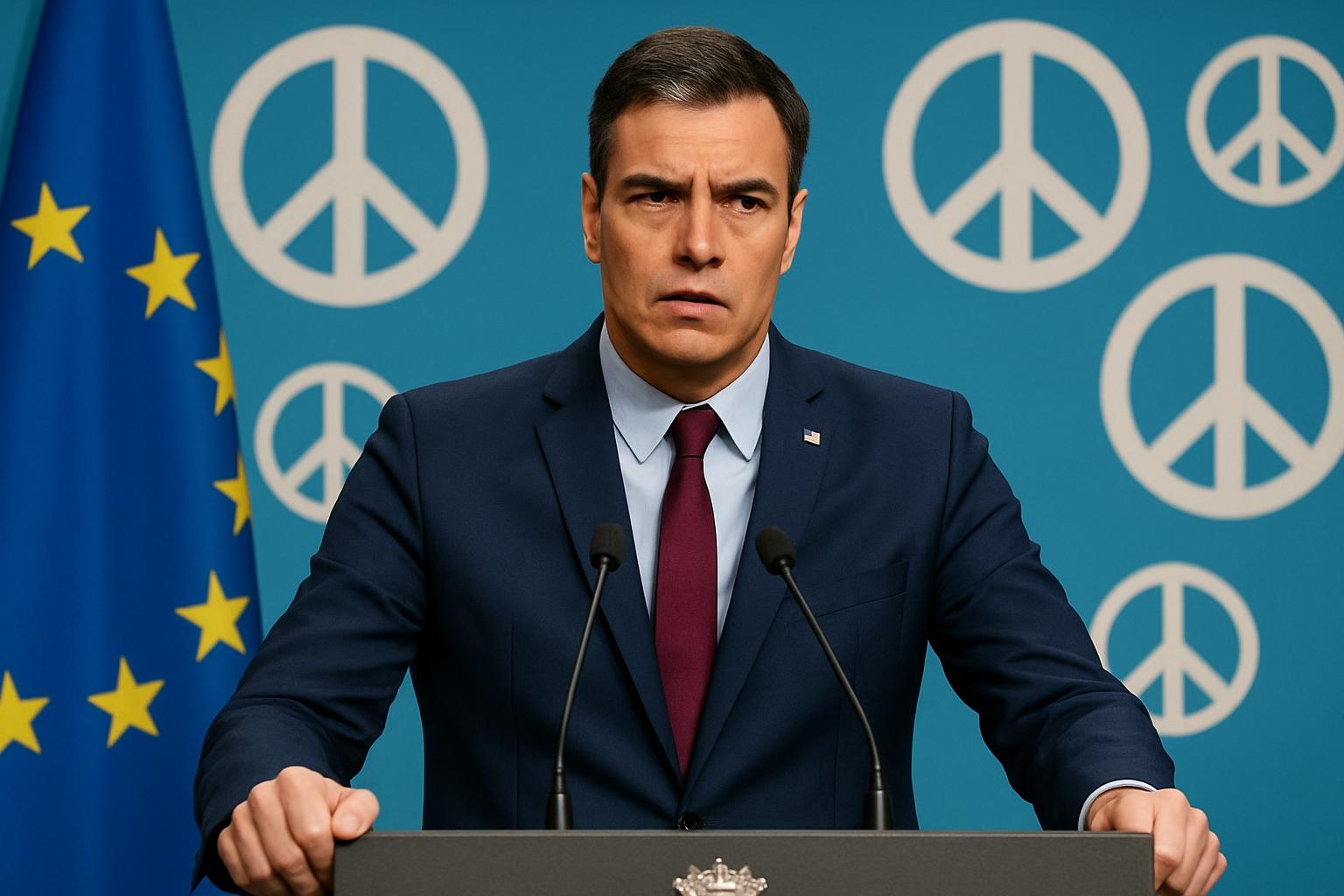
While the agreement was broadly welcomed, some member states, including Spain and Slovakia, expressed reservations. Spain's Economy Minister Carlos Cuerpo described the 5% target as an "enormous effort," while Prime Minister Pedro Sánchez maintained that Spain's current spending level was sufficient. Despite these concerns, both countries ultimately supported the plan.
Focus on Security Investments
The increased spending will not only cover core military expenses but also extend to broader security-related investments, including cybersecurity and intelligence. Rutte highlighted the need for NATO members to deliver on their commitments, especially in light of Russia's ongoing aggression in Ukraine.
WHAT THIS MIGHT MEAN
The decision to increase defence spending marks a significant shift in NATO's strategic priorities, potentially leading to enhanced military capabilities and infrastructure across member states. However, the financial implications may strain national budgets, particularly in countries with existing economic challenges. As NATO implements these changes, the alliance's unity and resolve will be tested, especially in maintaining a balanced approach to security and economic stability.
The increased focus on cybersecurity and intelligence investments could also lead to advancements in technology and information sharing among member states, strengthening NATO's overall security posture. As geopolitical tensions continue to evolve, the alliance's ability to adapt and respond to emerging threats will be crucial in maintaining peace and stability in the Euro-Atlantic region.
Images from the Web
Related Articles
Spain's Sánchez Stands Firm Against Trump's Trade Threat Over Iran Stance
Russian LNG Tanker Sinks in Mediterranean Amid Accusations of Ukrainian Drone Attack
Senate Blocks Resolution to Limit Trump's Military Actions in Iran
UK-Iran Tensions: Starmer Defends Cautious Approach Amid Trump Criticism
Iran Postpones Khamenei Funeral Amid Escalating US-Israeli Strikes
Congress Subpoenas Attorney General Bondi in Epstein Investigation
NATO Commits to Increased Defence Spending Amid Rising Security Threats
In This Article
 Ethan Brooks| Published
 HIGHLIGHTS
- NATO leaders agreed to increase defence spending to 5% of GDP by 2035, addressing security threats from Russia and terrorism.
- The decision was made during a summit in The Hague, with US President Trump emphasizing the need for equitable burden-sharing among member states.
- Secretary General Mark Rutte highlighted the importance of the alliance's collective security guarantee, particularly in light of Russia's actions in Ukraine.
- Spain and Slovakia expressed concerns over the spending target, but ultimately agreed to the plan.
- Trump praised NATO's commitment to increased spending, linking it to enhanced security and stability in the Euro-Atlantic region.
In a decisive move to bolster collective security, NATO leaders have agreed to increase defence spending to 5% of their countries' GDP by 2035. The decision, made during a summit in The Hague, comes amid growing concerns over security threats from Russia and persistent terrorism challenges.
Historic Summit in The Hague
The summit, described by several leaders as historic, saw NATO members unite in their commitment to address "profound security threats," particularly the long-term threat posed by Russia. Secretary General Mark Rutte emphasized the alliance's "ironclad commitment" to collective defence, underscoring the mutual security guarantee that an attack on one member is an attack on all.
Equitable Burden-Sharing
US President Donald Trump, who has long advocated for increased defence spending by NATO allies, hailed the agreement as a "great victory." He stressed the importance of equitable burden-sharing, noting that the United States had previously shouldered a disproportionate share of the defence burden. "We will be equalized shortly, and that's the way it has to be," Trump stated.
Diverse Member Reactions
While the agreement was broadly welcomed, some member states, including Spain and Slovakia, expressed reservations. Spain's Economy Minister Carlos Cuerpo described the 5% target as an "enormous effort," while Prime Minister Pedro Sánchez maintained that Spain's current spending level was sufficient. Despite these concerns, both countries ultimately supported the plan.
Focus on Security Investments
The increased spending will not only cover core military expenses but also extend to broader security-related investments, including cybersecurity and intelligence. Rutte highlighted the need for NATO members to deliver on their commitments, especially in light of Russia's ongoing aggression in Ukraine.
WHAT THIS MIGHT MEAN
The decision to increase defence spending marks a significant shift in NATO's strategic priorities, potentially leading to enhanced military capabilities and infrastructure across member states. However, the financial implications may strain national budgets, particularly in countries with existing economic challenges. As NATO implements these changes, the alliance's unity and resolve will be tested, especially in maintaining a balanced approach to security and economic stability.
The increased focus on cybersecurity and intelligence investments could also lead to advancements in technology and information sharing among member states, strengthening NATO's overall security posture. As geopolitical tensions continue to evolve, the alliance's ability to adapt and respond to emerging threats will be crucial in maintaining peace and stability in the Euro-Atlantic region.
Images from the Web
Related Articles
Spain's Sánchez Stands Firm Against Trump's Trade Threat Over Iran Stance
Russian LNG Tanker Sinks in Mediterranean Amid Accusations of Ukrainian Drone Attack
Senate Blocks Resolution to Limit Trump's Military Actions in Iran
UK-Iran Tensions: Starmer Defends Cautious Approach Amid Trump Criticism
Iran Postpones Khamenei Funeral Amid Escalating US-Israeli Strikes
Congress Subpoenas Attorney General Bondi in Epstein Investigation