
Netanyahu and Trump Discuss Potential Gaza Ceasefire Amid Renewed Middle East Tensions
In This Article
HIGHLIGHTS
- Israeli Prime Minister Benjamin Netanyahu is in Washington to discuss a potential Gaza ceasefire with US President Donald Trump.
- Indirect talks between Israel and Hamas are ongoing in Qatar, focusing on a 60-day ceasefire and hostage release.
- Trump has expressed optimism about reaching a Gaza deal, emphasizing the importance of a comprehensive agreement.
- Netanyahu's political position is strengthened by recent military actions against Iran, potentially aiding ceasefire negotiations.
- Palestinians and families of Israeli hostages express cautious optimism, fearing the temporary nature of proposed ceasefires.
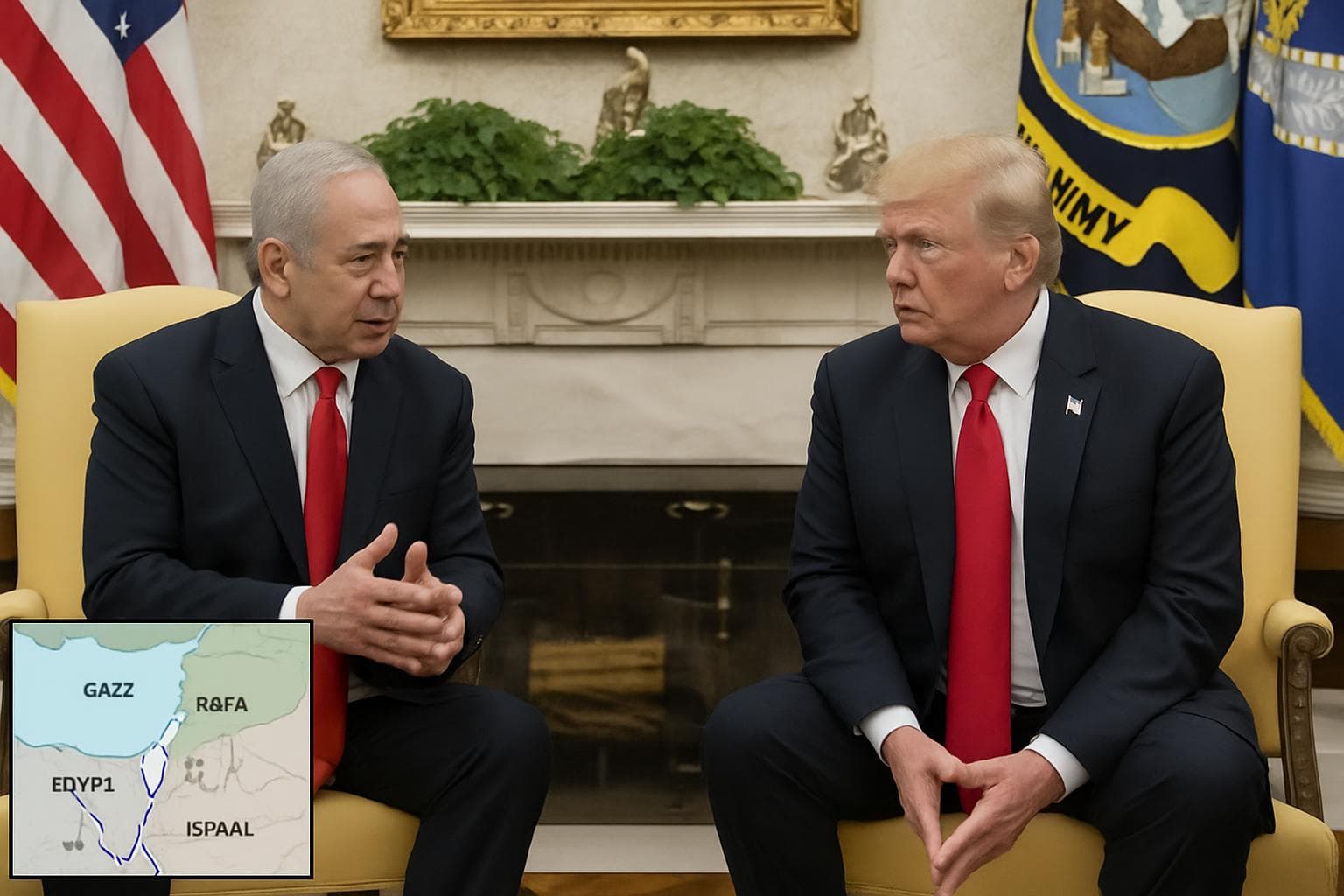
Israeli Prime Minister Benjamin Netanyahu is visiting Washington to meet with US President Donald Trump, aiming to broker a ceasefire in the ongoing Gaza conflict. This visit comes after 21 months of hostilities, with both leaders expressing hope for a resolution. Trump, who has been vocal about his desire to end the conflict, stated, "We'll have a deal this week," underscoring the urgency of the situation.
Ceasefire Negotiations in Qatar
Indirect negotiations between Israel and Hamas have resumed in Qatar, focusing on a US-sponsored proposal for a 60-day ceasefire and the release of hostages. Despite the ongoing talks, significant differences remain, casting uncertainty over the potential agreement. Palestinians living under dire conditions in Gaza express skepticism, fearing the temporary nature of the ceasefire. Nabil Abu Dayah, a displaced resident, voiced his concerns, saying, "I'm afraid that after 60 days the war would restart again."
Political Dynamics and Military Actions
Netanyahu's visit to the White House marks his third since Trump's return to power. The Israeli leader's political standing has been bolstered by recent military actions against Iran, which have garnered public support. This strengthened position may provide Netanyahu with the diplomatic leverage needed to negotiate a ceasefire without alienating his right-wing coalition partners.
Hostage Release and Humanitarian Concerns
The proposed ceasefire includes a framework for hostage release, a critical issue for many Israelis. Large rallies have been held, urging the government to secure the return of approximately 50 hostages from Gaza. Ilay David, whose brother is among the captives, emphasized the urgency of the situation, stating, "This is the time to save lives."
International and Regional Implications
The potential ceasefire comes amid heightened tensions in the Middle East, with recent Israeli military actions targeting Iranian nuclear sites. The discussions in Washington also involve postwar conditions, including the management of aid distribution in Gaza. Israel's ambassador to the UN, Danny Damon, reiterated Israel's lack of interest in maintaining a presence in Gaza, emphasizing the need for international involvement in rebuilding efforts.
WHAT THIS MIGHT MEAN
Should a ceasefire be agreed upon, it could mark a significant step towards stabilizing the region, albeit temporarily. However, the success of such an agreement hinges on addressing underlying issues, including the humanitarian crisis in Gaza and the broader Israel-Palestine conflict. Experts suggest that a comprehensive peace deal would require significant concessions from both sides, as well as sustained international involvement.
Politically, Netanyahu's ability to navigate the demands of his coalition while engaging in peace talks will be crucial. Failure to secure a lasting agreement could lead to renewed hostilities, further complicating the geopolitical landscape. Meanwhile, Trump's involvement in the negotiations underscores the US's continued influence in Middle Eastern affairs, with potential implications for future diplomatic engagements in the region.
Related Articles
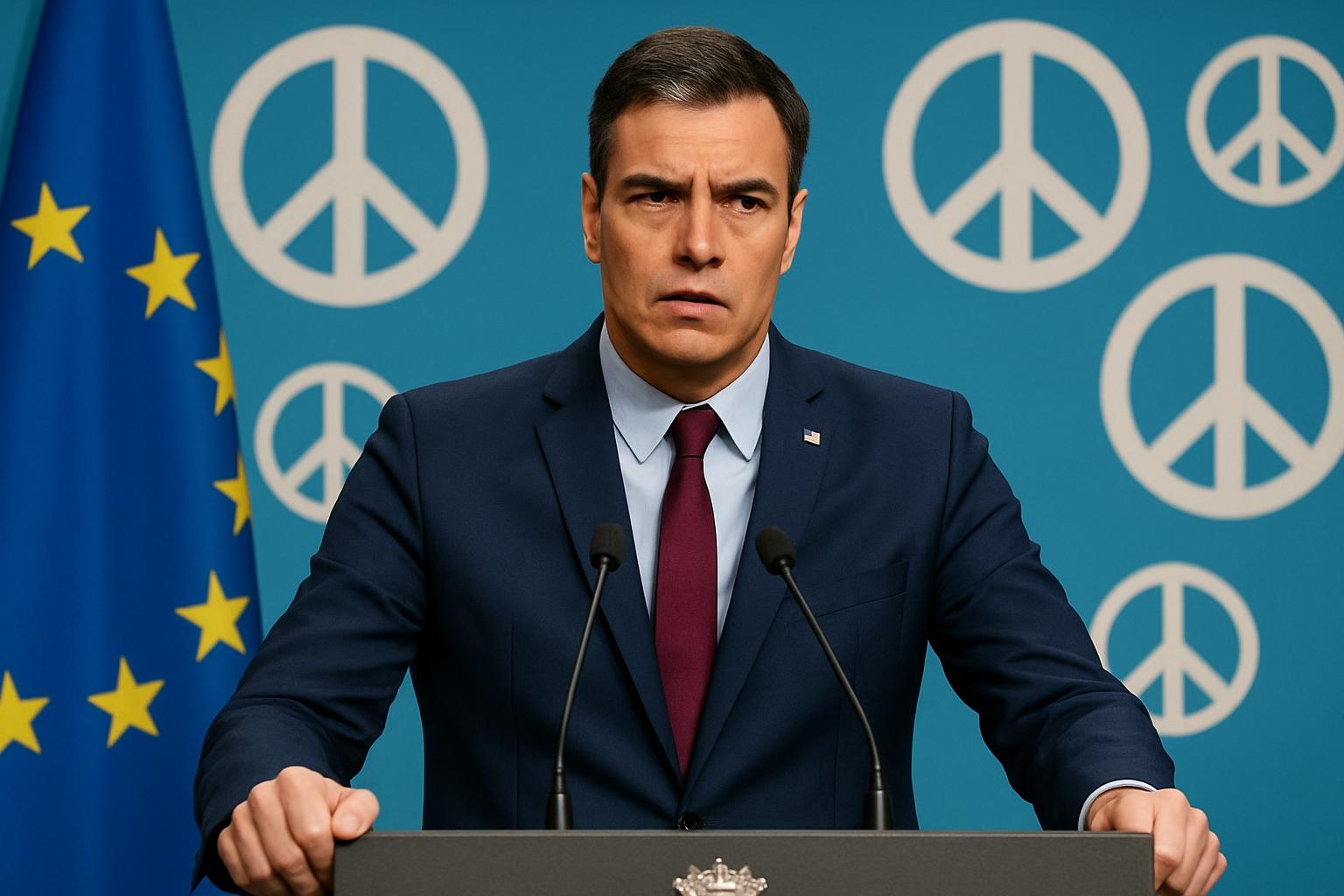
Spain's Sánchez Stands Firm Against Trump's Trade Threat Over Iran Stance

Tech Giants Pledge to Cover AI Data Center Energy Costs Amid Rising Electricity Concerns

Middle East Conflict Drives UK Energy Prices to New Highs

UK Faces Dilemmas Amid Iran Conflict and China Spying Allegations

US and Israel Intensify Military Campaign as Iran's Capabilities Dwindle

Intensified US-Israel Strikes on Iran Spark Global Outcry
Netanyahu and Trump Discuss Potential Gaza Ceasefire Amid Renewed Middle East Tensions
In This Article
 James Okoro| Published
 HIGHLIGHTS
- Israeli Prime Minister Benjamin Netanyahu is in Washington to discuss a potential Gaza ceasefire with US President Donald Trump.
- Indirect talks between Israel and Hamas are ongoing in Qatar, focusing on a 60-day ceasefire and hostage release.
- Trump has expressed optimism about reaching a Gaza deal, emphasizing the importance of a comprehensive agreement.
- Netanyahu's political position is strengthened by recent military actions against Iran, potentially aiding ceasefire negotiations.
- Palestinians and families of Israeli hostages express cautious optimism, fearing the temporary nature of proposed ceasefires.
Israeli Prime Minister Benjamin Netanyahu is visiting Washington to meet with US President Donald Trump, aiming to broker a ceasefire in the ongoing Gaza conflict. This visit comes after 21 months of hostilities, with both leaders expressing hope for a resolution. Trump, who has been vocal about his desire to end the conflict, stated, "We'll have a deal this week," underscoring the urgency of the situation.
Ceasefire Negotiations in Qatar
Indirect negotiations between Israel and Hamas have resumed in Qatar, focusing on a US-sponsored proposal for a 60-day ceasefire and the release of hostages. Despite the ongoing talks, significant differences remain, casting uncertainty over the potential agreement. Palestinians living under dire conditions in Gaza express skepticism, fearing the temporary nature of the ceasefire. Nabil Abu Dayah, a displaced resident, voiced his concerns, saying, "I'm afraid that after 60 days the war would restart again."
Political Dynamics and Military Actions
Netanyahu's visit to the White House marks his third since Trump's return to power. The Israeli leader's political standing has been bolstered by recent military actions against Iran, which have garnered public support. This strengthened position may provide Netanyahu with the diplomatic leverage needed to negotiate a ceasefire without alienating his right-wing coalition partners.
Hostage Release and Humanitarian Concerns
The proposed ceasefire includes a framework for hostage release, a critical issue for many Israelis. Large rallies have been held, urging the government to secure the return of approximately 50 hostages from Gaza. Ilay David, whose brother is among the captives, emphasized the urgency of the situation, stating, "This is the time to save lives."
International and Regional Implications
The potential ceasefire comes amid heightened tensions in the Middle East, with recent Israeli military actions targeting Iranian nuclear sites. The discussions in Washington also involve postwar conditions, including the management of aid distribution in Gaza. Israel's ambassador to the UN, Danny Damon, reiterated Israel's lack of interest in maintaining a presence in Gaza, emphasizing the need for international involvement in rebuilding efforts.
WHAT THIS MIGHT MEAN
Should a ceasefire be agreed upon, it could mark a significant step towards stabilizing the region, albeit temporarily. However, the success of such an agreement hinges on addressing underlying issues, including the humanitarian crisis in Gaza and the broader Israel-Palestine conflict. Experts suggest that a comprehensive peace deal would require significant concessions from both sides, as well as sustained international involvement.
Politically, Netanyahu's ability to navigate the demands of his coalition while engaging in peace talks will be crucial. Failure to secure a lasting agreement could lead to renewed hostilities, further complicating the geopolitical landscape. Meanwhile, Trump's involvement in the negotiations underscores the US's continued influence in Middle Eastern affairs, with potential implications for future diplomatic engagements in the region.
Related Articles
Spain's Sánchez Stands Firm Against Trump's Trade Threat Over Iran Stance
Tech Giants Pledge to Cover AI Data Center Energy Costs Amid Rising Electricity Concerns
Middle East Conflict Drives UK Energy Prices to New Highs
UK Faces Dilemmas Amid Iran Conflict and China Spying Allegations
US and Israel Intensify Military Campaign as Iran's Capabilities Dwindle
Intensified US-Israel Strikes on Iran Spark Global Outcry