
Netanyahu's Gaza Reoccupation Plan Faces Global Backlash Amid Humanitarian Crisis

In This Article
HIGHLIGHTS
- Israeli Prime Minister Benjamin Netanyahu is reportedly considering a full reoccupation of Gaza, sparking international concern.
- UN Assistant Secretary General Miroslav Jenča warned that expanding military operations could have "catastrophic consequences" for Palestinians and hostages.
- The Israeli security cabinet meeting to discuss the plan has been postponed amid internal and international opposition.
- Humanitarian conditions in Gaza are dire, with reports of famine and severe restrictions on aid.
- The international community, including the UN and European nations, is urging a ceasefire and warning of further isolation for Israel.
Israeli Prime Minister Benjamin Netanyahu's proposal to fully reoccupy the Gaza Strip has ignited a firestorm of international criticism and internal dissent. The plan, which aims to defeat Hamas by taking complete control of the territory, has been met with warnings of dire humanitarian consequences and potential geopolitical fallout.
Mounting International Concerns
UN Assistant Secretary General Miroslav Jenča addressed the UN Security Council, cautioning that expanding Israel's military operations in Gaza could lead to "catastrophic consequences" for millions of Palestinians and further endanger Israeli hostages. Jenča emphasized the need for a ceasefire and the immediate release of hostages, highlighting the severe humanitarian crisis unfolding in Gaza.
The international community, including China and several European nations, has expressed grave concerns over the proposed military escalation. China's deputy UN representative, Geng Shuang, urged Israel to halt such "dangerous actions" and called for a ceasefire, while European countries have threatened to recognize a Palestinian state if the conflict continues.
Internal Divisions and Delayed Decisions
Within Israel, the plan has sparked significant debate. The Israeli security cabinet meeting, initially set to discuss Netanyahu's proposal, has been postponed due to rising tensions over its feasibility. Senior military officials and former commanders have voiced opposition, warning that the plan could further isolate Israel internationally and complicate the hostage situation.
Despite Netanyahu's push for reoccupation, polls indicate that a majority of Israelis favor a ceasefire to secure the release of hostages. Families of those held by Hamas fear that further military action could jeopardize their loved ones' safety.
Humanitarian Crisis Deepens
The humanitarian situation in Gaza remains dire, with reports of famine and severe restrictions on aid. UN agencies have documented widespread malnutrition and starvation, exacerbated by ongoing Israeli military operations. The blockade has left Gaza's population of over two million people in desperate need of food and medical supplies.
As the conflict continues, the international community is calling for urgent action to address the humanitarian crisis and prevent further loss of life. The British government has announced plans to evacuate critically ill children from Gaza for treatment in the UK, highlighting the severity of the situation.
WHAT THIS MIGHT MEAN
The potential reoccupation of Gaza by Israel could have far-reaching implications, both regionally and globally. If Netanyahu proceeds with the plan, Israel may face increased international isolation and potential sanctions. The humanitarian crisis in Gaza could worsen, leading to further loss of life and displacement.
Diplomatically, the move could strain Israel's relations with key allies and prompt a reevaluation of foreign policy strategies. The international community's response, particularly from influential nations and organizations, will be crucial in shaping the outcome of this conflict.
Ultimately, the situation underscores the urgent need for a sustainable resolution to the Israeli-Palestinian conflict, one that addresses both security concerns and humanitarian needs.
Related Articles

UK Faces Dilemmas Amid Iran Conflict and China Spying Allegations

US and Israel Intensify Military Campaign as Iran's Capabilities Dwindle
Intensified US-Israel Strikes on Iran Spark Global Outcry
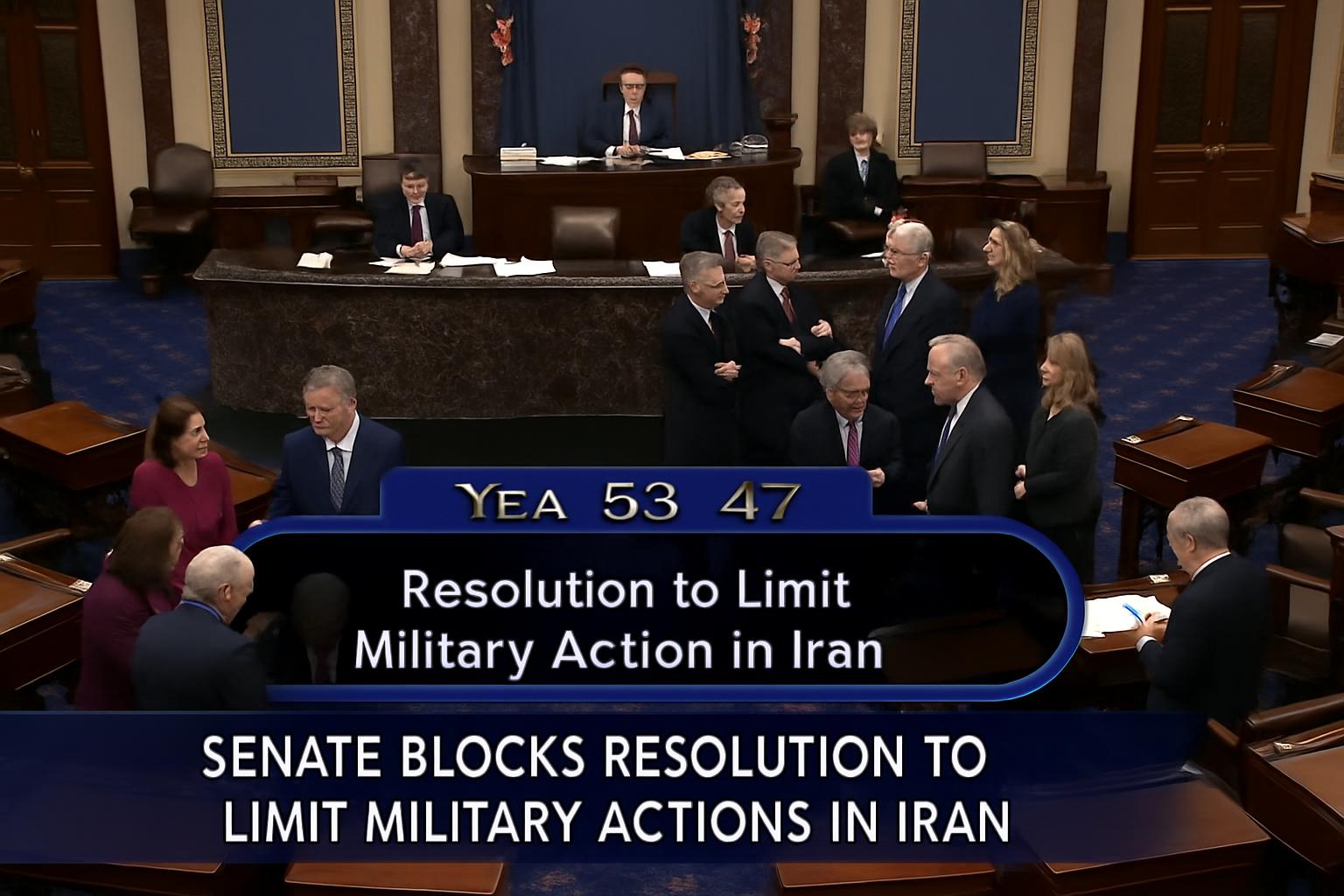
Senate Blocks Resolution to Limit Trump's Military Actions in Iran
Iran Postpones Khamenei Funeral Amid Escalating US-Israeli Strikes
Canada and Australia Forge Strategic Partnership Amid Global Uncertainty
Netanyahu's Gaza Reoccupation Plan Faces Global Backlash Amid Humanitarian Crisis
In This Article
 Ethan Brooks| Published
 HIGHLIGHTS
- Israeli Prime Minister Benjamin Netanyahu is reportedly considering a full reoccupation of Gaza, sparking international concern.
- UN Assistant Secretary General Miroslav Jenča warned that expanding military operations could have "catastrophic consequences" for Palestinians and hostages.
- The Israeli security cabinet meeting to discuss the plan has been postponed amid internal and international opposition.
- Humanitarian conditions in Gaza are dire, with reports of famine and severe restrictions on aid.
- The international community, including the UN and European nations, is urging a ceasefire and warning of further isolation for Israel.
Israeli Prime Minister Benjamin Netanyahu's proposal to fully reoccupy the Gaza Strip has ignited a firestorm of international criticism and internal dissent. The plan, which aims to defeat Hamas by taking complete control of the territory, has been met with warnings of dire humanitarian consequences and potential geopolitical fallout.
Mounting International Concerns
UN Assistant Secretary General Miroslav Jenča addressed the UN Security Council, cautioning that expanding Israel's military operations in Gaza could lead to "catastrophic consequences" for millions of Palestinians and further endanger Israeli hostages. Jenča emphasized the need for a ceasefire and the immediate release of hostages, highlighting the severe humanitarian crisis unfolding in Gaza.
The international community, including China and several European nations, has expressed grave concerns over the proposed military escalation. China's deputy UN representative, Geng Shuang, urged Israel to halt such "dangerous actions" and called for a ceasefire, while European countries have threatened to recognize a Palestinian state if the conflict continues.
Internal Divisions and Delayed Decisions
Within Israel, the plan has sparked significant debate. The Israeli security cabinet meeting, initially set to discuss Netanyahu's proposal, has been postponed due to rising tensions over its feasibility. Senior military officials and former commanders have voiced opposition, warning that the plan could further isolate Israel internationally and complicate the hostage situation.
Despite Netanyahu's push for reoccupation, polls indicate that a majority of Israelis favor a ceasefire to secure the release of hostages. Families of those held by Hamas fear that further military action could jeopardize their loved ones' safety.
Humanitarian Crisis Deepens
The humanitarian situation in Gaza remains dire, with reports of famine and severe restrictions on aid. UN agencies have documented widespread malnutrition and starvation, exacerbated by ongoing Israeli military operations. The blockade has left Gaza's population of over two million people in desperate need of food and medical supplies.
As the conflict continues, the international community is calling for urgent action to address the humanitarian crisis and prevent further loss of life. The British government has announced plans to evacuate critically ill children from Gaza for treatment in the UK, highlighting the severity of the situation.
WHAT THIS MIGHT MEAN
The potential reoccupation of Gaza by Israel could have far-reaching implications, both regionally and globally. If Netanyahu proceeds with the plan, Israel may face increased international isolation and potential sanctions. The humanitarian crisis in Gaza could worsen, leading to further loss of life and displacement.
Diplomatically, the move could strain Israel's relations with key allies and prompt a reevaluation of foreign policy strategies. The international community's response, particularly from influential nations and organizations, will be crucial in shaping the outcome of this conflict.
Ultimately, the situation underscores the urgent need for a sustainable resolution to the Israeli-Palestinian conflict, one that addresses both security concerns and humanitarian needs.
Related Articles
UK Faces Dilemmas Amid Iran Conflict and China Spying Allegations
US and Israel Intensify Military Campaign as Iran's Capabilities Dwindle
Intensified US-Israel Strikes on Iran Spark Global Outcry
Senate Blocks Resolution to Limit Trump's Military Actions in Iran
Iran Postpones Khamenei Funeral Amid Escalating US-Israeli Strikes
Canada and Australia Forge Strategic Partnership Amid Global Uncertainty