
Resident Doctors' Strike Threatens NHS Operations Amid Pay Dispute
In This Article
HIGHLIGHTS
- Resident doctors in England have commenced a five-day strike, marking their 14th industrial action since March 2023.
- The British Medical Association (BMA) rejected the government's latest offer, citing inadequate pay and job provisions.
- NHS leaders warn of significant disruptions to non-urgent services and potential delays in operations extending into 2026.
- Calls for independent mediation have been made to resolve the ongoing pay dispute between the BMA and the government.
- The strike coincides with a surge in flu cases, exacerbating pressure on hospital services.
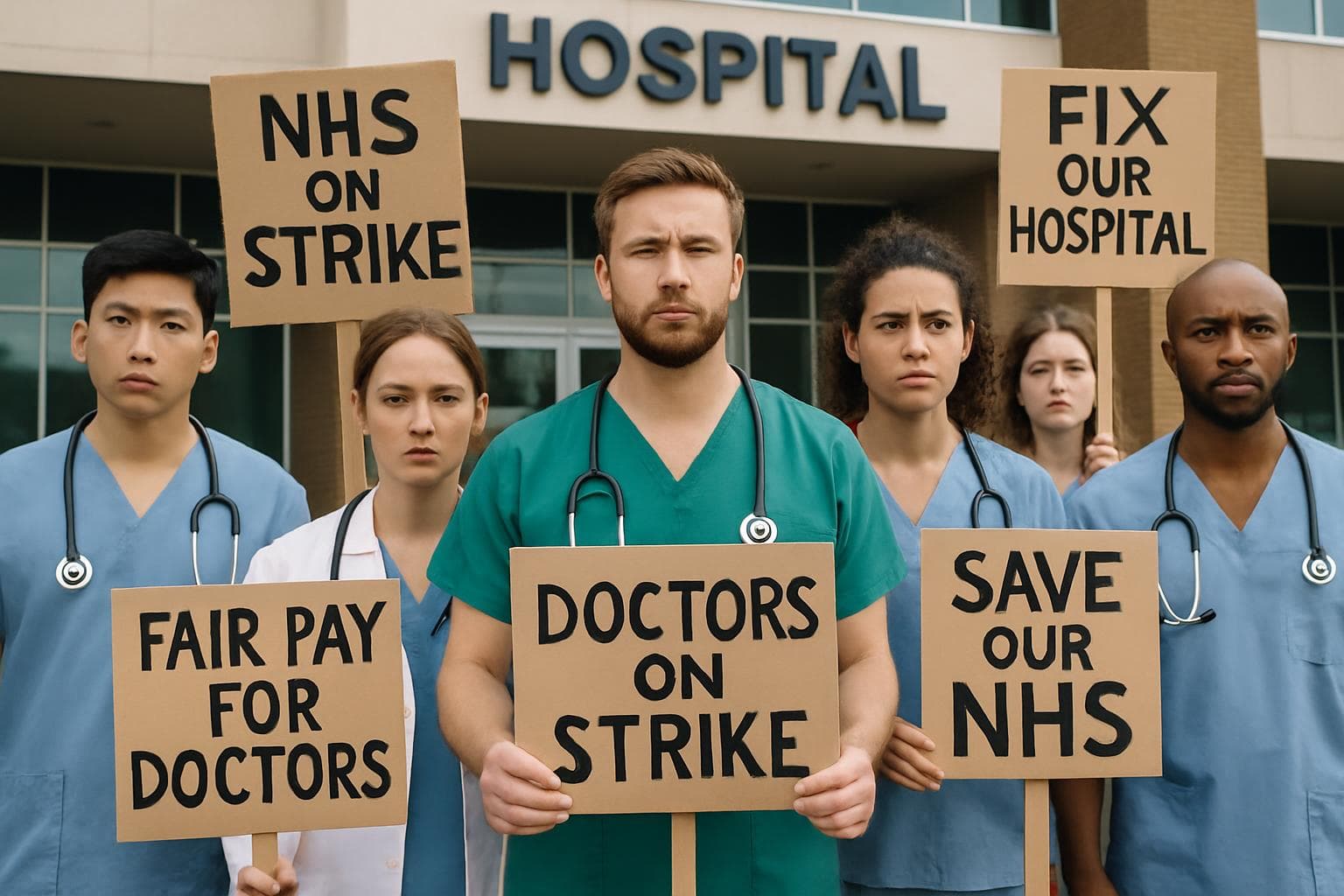
Resident doctors across England have embarked on a five-day strike, intensifying a long-standing dispute over pay and job conditions. This industrial action, the 14th since March 2023, follows the British Medical Association's (BMA) rejection of the government's latest offer, which failed to address pay increases for the current financial year.
Impact on NHS Services
The strike, which began at 7 am on Wednesday, is expected to severely disrupt non-urgent medical services. NHS England has warned that the ongoing industrial action could lead to the cancellation of operations and diagnostic tests, potentially delaying procedures into 2026. The timing of the strike, amid a surge in flu cases, has compounded the challenges faced by hospitals. "These strikes come at an immensely challenging time for the NHS," noted Prof Meghana Pandit, NHS England's national medical director.
Government and BMA at an Impasse
Despite last-minute talks between Health Secretary Wes Streeting and the BMA, no agreement was reached. The BMA, representing approximately 55,000 resident doctors, has criticized the government's offer for lacking a clear plan to address pay and job shortages. Dr. Jack Fletcher, chair of the BMA's resident doctors committee, emphasized the need for a long-term solution, stating, "It is well past the time for ministers to come up with a genuinely long-term plan."
Calls for Mediation
Amidst the escalating tensions, NHS leaders have urged both parties to consider independent mediation to resolve the dispute. Matthew Taylor, chief executive of the NHS Confederation, highlighted the detrimental impact on patients and the urgent need for common ground. "Independent mediation could support a more constructive dialogue," he suggested, warning that without resolution, industrial action could define the NHS landscape into 2026.
WHAT THIS MIGHT MEAN
The ongoing strike by resident doctors poses significant challenges for the NHS, with potential long-term implications for healthcare delivery. If the dispute remains unresolved, the NHS may face prolonged disruptions, affecting patient care and staff morale. Independent mediation could offer a viable path to resolution, fostering dialogue and potentially averting further strikes. However, without a comprehensive agreement addressing pay and job conditions, the risk of continued industrial action looms large, threatening to strain the NHS further amid ongoing healthcare demands.
Images from the Web

Related Articles
Prince William Calls for Action on UK Male Suicide Rates

Saharan Dust to Illuminate UK Skies with Vivid Sunrises and Sunsets

Government Announces £4 Billion Overhaul of SEND Support in England

UK Government Announces Major Overhaul of SEND System with £3.4 Billion Investment

Government Unveils Ambitious Plan to Halve Attainment Gap in England's Schools

UK Government's SEND Reforms: A Critical Turning Point for Special Education
Resident Doctors' Strike Threatens NHS Operations Amid Pay Dispute
In This Article
 Maya Singh| Published
 HIGHLIGHTS
- Resident doctors in England have commenced a five-day strike, marking their 14th industrial action since March 2023.
- The British Medical Association (BMA) rejected the government's latest offer, citing inadequate pay and job provisions.
- NHS leaders warn of significant disruptions to non-urgent services and potential delays in operations extending into 2026.
- Calls for independent mediation have been made to resolve the ongoing pay dispute between the BMA and the government.
- The strike coincides with a surge in flu cases, exacerbating pressure on hospital services.
Resident doctors across England have embarked on a five-day strike, intensifying a long-standing dispute over pay and job conditions. This industrial action, the 14th since March 2023, follows the British Medical Association's (BMA) rejection of the government's latest offer, which failed to address pay increases for the current financial year.
Impact on NHS Services
The strike, which began at 7 am on Wednesday, is expected to severely disrupt non-urgent medical services. NHS England has warned that the ongoing industrial action could lead to the cancellation of operations and diagnostic tests, potentially delaying procedures into 2026. The timing of the strike, amid a surge in flu cases, has compounded the challenges faced by hospitals. "These strikes come at an immensely challenging time for the NHS," noted Prof Meghana Pandit, NHS England's national medical director.
Government and BMA at an Impasse
Despite last-minute talks between Health Secretary Wes Streeting and the BMA, no agreement was reached. The BMA, representing approximately 55,000 resident doctors, has criticized the government's offer for lacking a clear plan to address pay and job shortages. Dr. Jack Fletcher, chair of the BMA's resident doctors committee, emphasized the need for a long-term solution, stating, "It is well past the time for ministers to come up with a genuinely long-term plan."
Calls for Mediation
Amidst the escalating tensions, NHS leaders have urged both parties to consider independent mediation to resolve the dispute. Matthew Taylor, chief executive of the NHS Confederation, highlighted the detrimental impact on patients and the urgent need for common ground. "Independent mediation could support a more constructive dialogue," he suggested, warning that without resolution, industrial action could define the NHS landscape into 2026.
WHAT THIS MIGHT MEAN
The ongoing strike by resident doctors poses significant challenges for the NHS, with potential long-term implications for healthcare delivery. If the dispute remains unresolved, the NHS may face prolonged disruptions, affecting patient care and staff morale. Independent mediation could offer a viable path to resolution, fostering dialogue and potentially averting further strikes. However, without a comprehensive agreement addressing pay and job conditions, the risk of continued industrial action looms large, threatening to strain the NHS further amid ongoing healthcare demands.
Images from the Web
Related Articles
Prince William Calls for Action on UK Male Suicide Rates
Saharan Dust to Illuminate UK Skies with Vivid Sunrises and Sunsets
Government Announces £4 Billion Overhaul of SEND Support in England
UK Government Announces Major Overhaul of SEND System with £3.4 Billion Investment
Government Unveils Ambitious Plan to Halve Attainment Gap in England's Schools
UK Government's SEND Reforms: A Critical Turning Point for Special Education