
NHS Strikes Persist as Resident Doctors Demand Pay Restoration and Training Opportunities
In This Article
HIGHLIGHTS
- Resident doctors in England are on their 13th strike over pay and training opportunities, affecting hospitals nationwide.
- The British Medical Association (BMA) argues that doctors' pay remains 20% lower than in 2008, despite recent increases.
- Health Secretary Wes Streeting has refused further pay negotiations, citing financial constraints and offering additional training places instead.
- The ongoing strikes have led to the cancellation of approximately 1.5 million outpatient appointments and surgeries.
- The NHS faces a significant staffing crisis, with 30,000 applicants for only 10,000 specialty training positions this year.
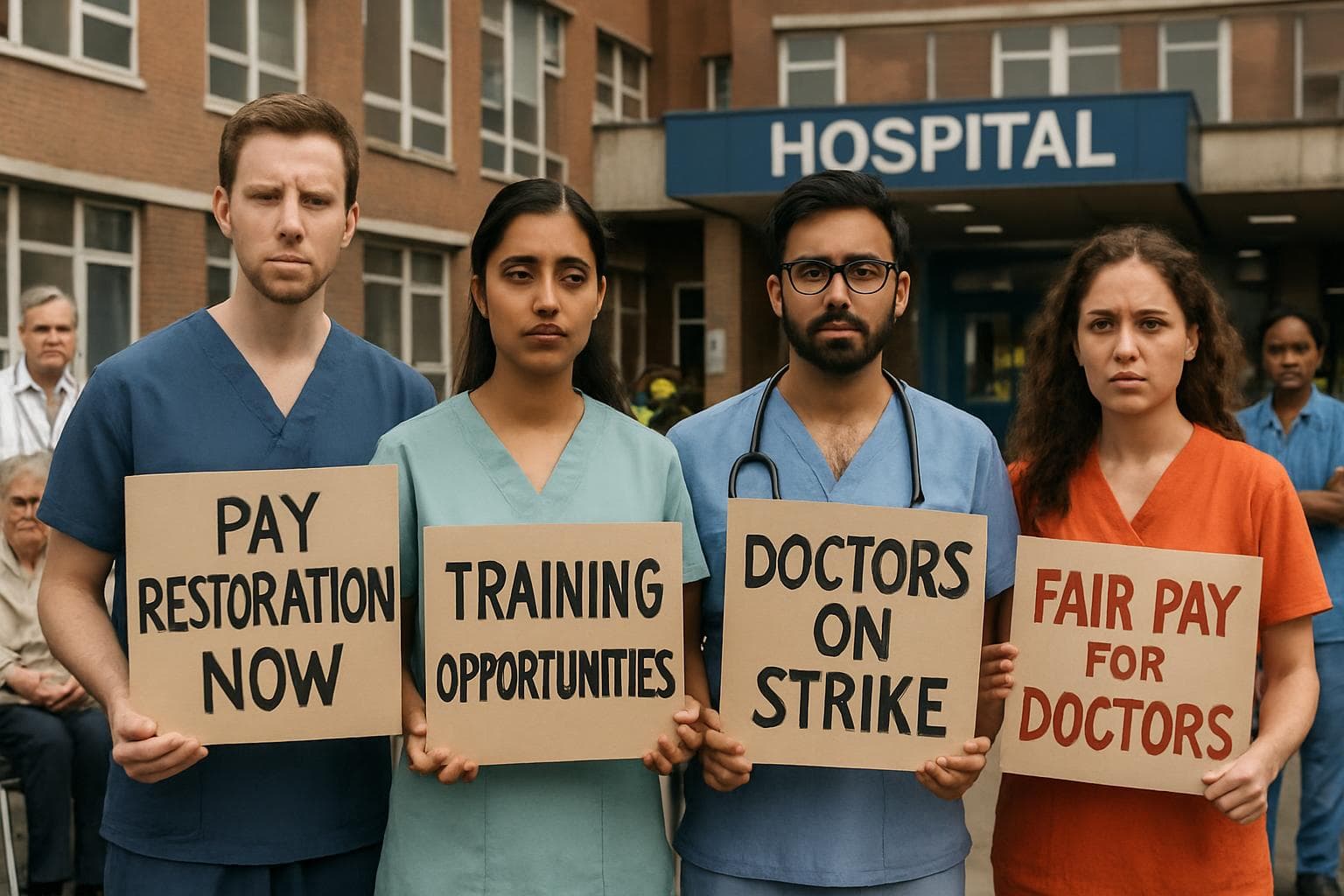
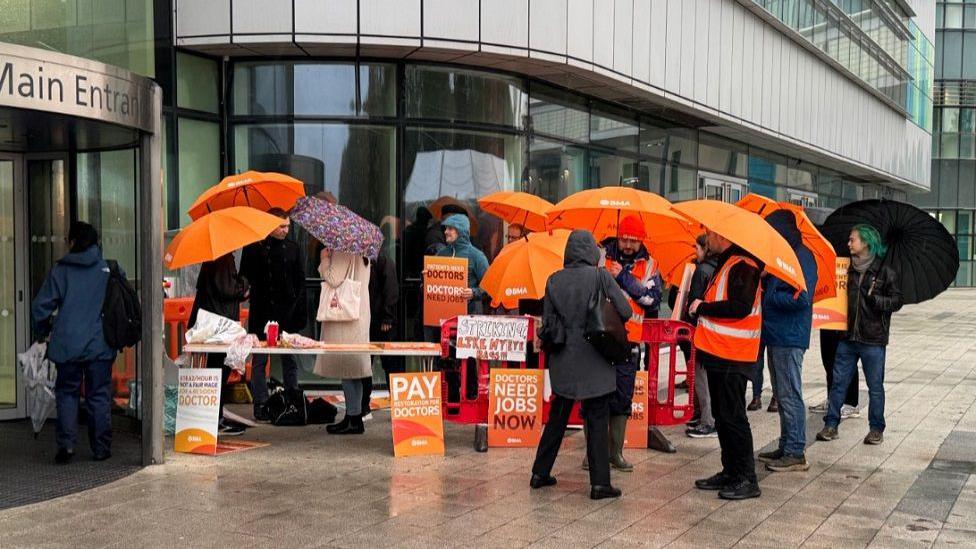
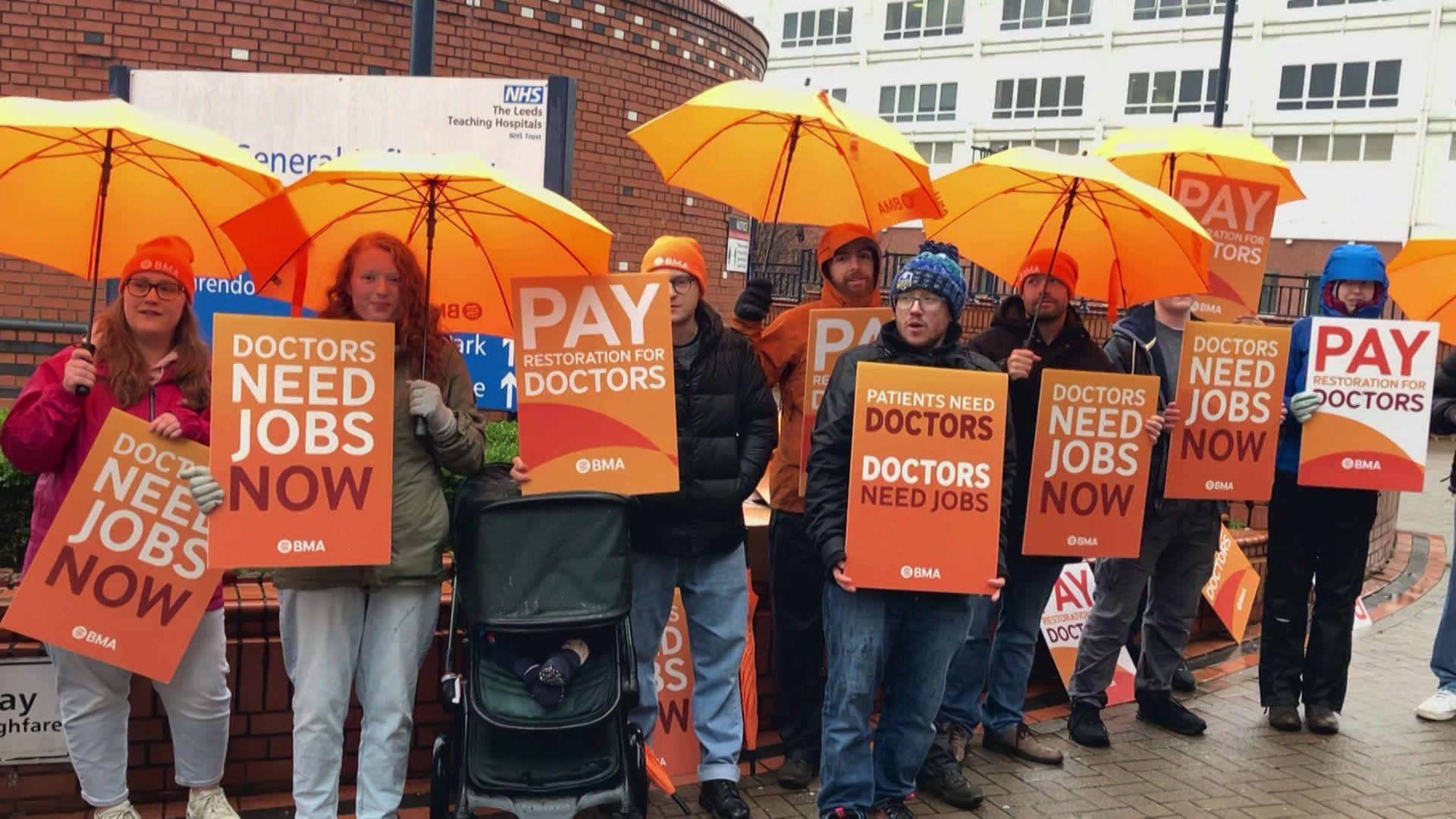
Resident doctors across England have embarked on their 13th strike, intensifying a long-standing dispute over pay and training opportunities. The British Medical Association (BMA) has spearheaded this industrial action, arguing that despite recent pay increases, doctors' salaries remain significantly lower than in 2008 when adjusted for inflation. The strike, which began on Friday, is set to continue until 7:00 AM on Wednesday.
The Root of the Dispute
The BMA's demand for full pay restoration has been a contentious issue since its annual conference in June 2022. The union initially sought a 35% salary increase for resident doctors, a group that includes newly qualified medics and those on the cusp of becoming consultants. Despite a 28.9% pay rise over the past three years, the BMA insists that a further 26% uplift is necessary to achieve their goal.
Government's Stance
Health Secretary Wes Streeting has remained firm in his refusal to negotiate further pay increases, citing financial constraints. "We cannot afford to go further on pay this year," Streeting stated during a visit to the Royal Orthopaedic Hospital in Birmingham. Instead, he has proposed increasing specialty training places by 1,000 and eliminating certain out-of-pocket expenses for doctors. However, the BMA has rejected these offers, arguing they do not adequately address the core issues.
Impact on Healthcare Services
The strikes have had a profound impact on the NHS, leading to the cancellation of approximately 1.5 million outpatient appointments and surgeries. Hospitals have been forced to navigate the challenges of maintaining patient care amidst staffing shortages and rising flu admissions. Dr. Poppy Brown, a resident doctor at Birmingham's Queen Elizabeth Hospital, expressed her frustration, stating, "It's very frustrating, it feels very insecure. I would like to progress in my career."
Public and Professional Sentiment
Public sentiment appears to be divided. While some patients express sympathy for the doctors' plight, others are frustrated by the disruption to healthcare services. Dr. Becky Lavelle, an obstetric registrar, noted that the public is generally supportive when informed about the erosion of doctors' pay and job security concerns.
WHAT THIS MIGHT MEAN
As the strikes continue, the NHS faces mounting pressure to address the underlying issues of pay and training shortages. The government's current stance suggests that a resolution may not be imminent, potentially leading to further industrial action. Experts warn that without significant changes, the NHS could face a worsening staffing crisis, exacerbating patient care delays. The BMA's persistence highlights the deep-seated frustrations within the medical community, and the outcome of this dispute could set a precedent for future negotiations in the healthcare sector.
Images from the Web
Related Articles

Birmingham's Proactive Approach to Measles Outbreak Offers Lessons for North London

UK Government to Reform Asylum Seeker Support and Employment Policies
Persistent Safety Concerns in Nottingham Maternity Services Amidst Calls for Systemic Reform
Nottingham Attacks Inquiry: Families Demand Accountability and Truth

Government Criticized for Mishandling Maccabi Tel Aviv Fan Ban

Government Announces £4 Billion Overhaul of SEND Support in England
NHS Strikes Persist as Resident Doctors Demand Pay Restoration and Training Opportunities
In This Article
 Ethan Brooks| Published
 HIGHLIGHTS
- Resident doctors in England are on their 13th strike over pay and training opportunities, affecting hospitals nationwide.
- The British Medical Association (BMA) argues that doctors' pay remains 20% lower than in 2008, despite recent increases.
- Health Secretary Wes Streeting has refused further pay negotiations, citing financial constraints and offering additional training places instead.
- The ongoing strikes have led to the cancellation of approximately 1.5 million outpatient appointments and surgeries.
- The NHS faces a significant staffing crisis, with 30,000 applicants for only 10,000 specialty training positions this year.
Resident doctors across England have embarked on their 13th strike, intensifying a long-standing dispute over pay and training opportunities. The British Medical Association (BMA) has spearheaded this industrial action, arguing that despite recent pay increases, doctors' salaries remain significantly lower than in 2008 when adjusted for inflation. The strike, which began on Friday, is set to continue until 7:00 AM on Wednesday.
The Root of the Dispute
The BMA's demand for full pay restoration has been a contentious issue since its annual conference in June 2022. The union initially sought a 35% salary increase for resident doctors, a group that includes newly qualified medics and those on the cusp of becoming consultants. Despite a 28.9% pay rise over the past three years, the BMA insists that a further 26% uplift is necessary to achieve their goal.
Government's Stance
Health Secretary Wes Streeting has remained firm in his refusal to negotiate further pay increases, citing financial constraints. "We cannot afford to go further on pay this year," Streeting stated during a visit to the Royal Orthopaedic Hospital in Birmingham. Instead, he has proposed increasing specialty training places by 1,000 and eliminating certain out-of-pocket expenses for doctors. However, the BMA has rejected these offers, arguing they do not adequately address the core issues.
Impact on Healthcare Services
The strikes have had a profound impact on the NHS, leading to the cancellation of approximately 1.5 million outpatient appointments and surgeries. Hospitals have been forced to navigate the challenges of maintaining patient care amidst staffing shortages and rising flu admissions. Dr. Poppy Brown, a resident doctor at Birmingham's Queen Elizabeth Hospital, expressed her frustration, stating, "It's very frustrating, it feels very insecure. I would like to progress in my career."
Public and Professional Sentiment
Public sentiment appears to be divided. While some patients express sympathy for the doctors' plight, others are frustrated by the disruption to healthcare services. Dr. Becky Lavelle, an obstetric registrar, noted that the public is generally supportive when informed about the erosion of doctors' pay and job security concerns.
WHAT THIS MIGHT MEAN
As the strikes continue, the NHS faces mounting pressure to address the underlying issues of pay and training shortages. The government's current stance suggests that a resolution may not be imminent, potentially leading to further industrial action. Experts warn that without significant changes, the NHS could face a worsening staffing crisis, exacerbating patient care delays. The BMA's persistence highlights the deep-seated frustrations within the medical community, and the outcome of this dispute could set a precedent for future negotiations in the healthcare sector.
Images from the Web
Related Articles
Birmingham's Proactive Approach to Measles Outbreak Offers Lessons for North London
UK Government to Reform Asylum Seeker Support and Employment Policies
Persistent Safety Concerns in Nottingham Maternity Services Amidst Calls for Systemic Reform
Nottingham Attacks Inquiry: Families Demand Accountability and Truth
Government Criticized for Mishandling Maccabi Tel Aviv Fan Ban
Government Announces £4 Billion Overhaul of SEND Support in England