
Nike Faces $1 Billion Tariff Hit Amid US-China Trade Tensions
In This Article
HIGHLIGHTS
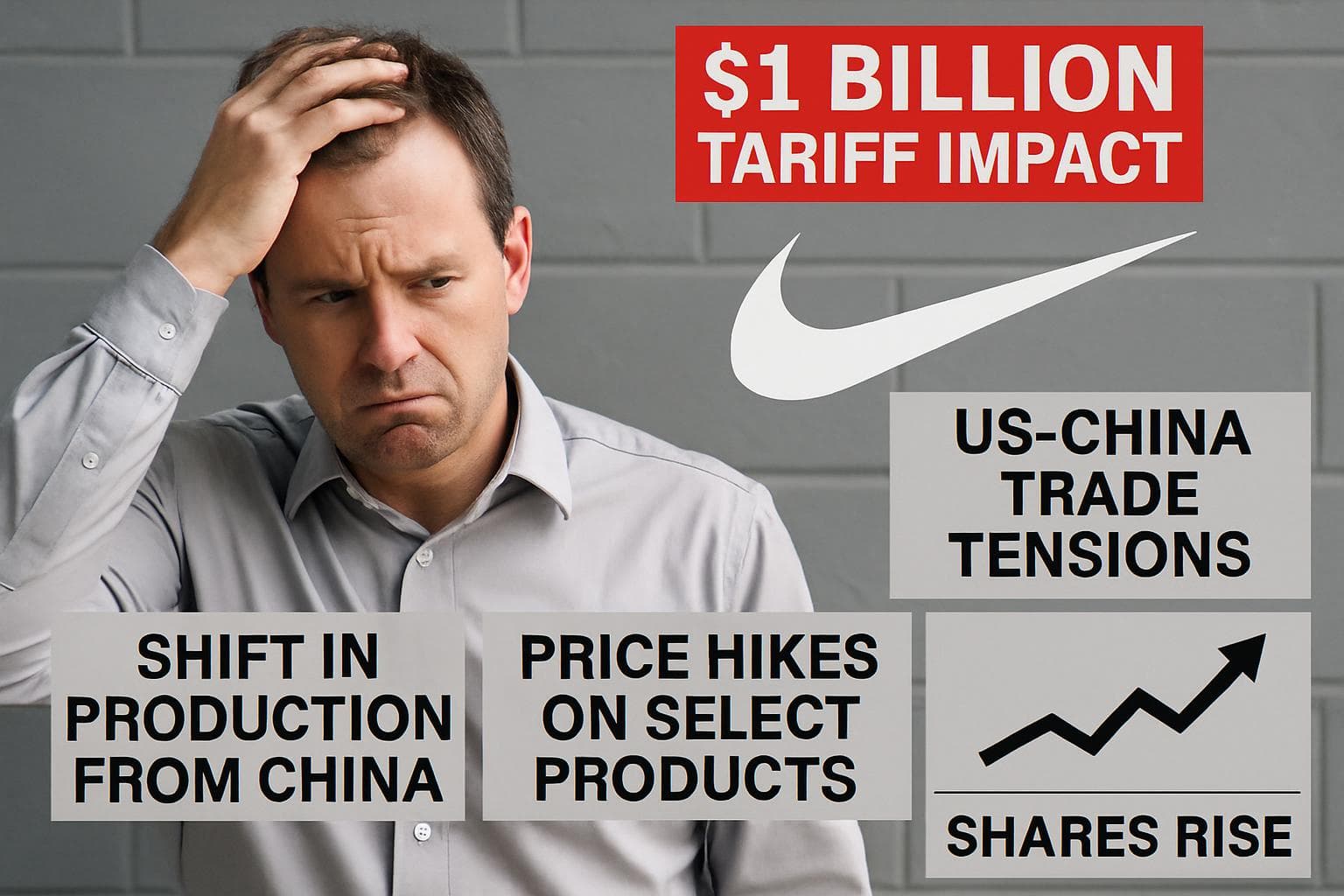
- Nike anticipates a $1 billion increase in costs due to US tariffs on Chinese imports, prompting a shift in production.
- The company plans to reduce its reliance on Chinese manufacturing from 16% to a single-digit percentage by 2026.
- Despite a 12% drop in quarterly revenue, Nike's shares rose over 10% in after-hours trading, signaling investor optimism.
- The US is nearing 10 trade deals following a rare earth agreement with China, amid ongoing tariff negotiations.
- The UK car industry has been severely impacted by US tariffs, with exports to the US halving in May.
Nike, the global sportswear giant, is bracing for a significant financial impact as US tariffs on Chinese imports are set to increase its costs by approximately $1 billion this year. The company has announced plans to mitigate these costs by reducing its production reliance on China, where 16% of its US-bound footwear is currently manufactured. By the end of 2026, Nike aims to cut this figure to a single-digit percentage.
Production Shift and Price Adjustments
In response to the tariffs, Nike is not only shifting production but also raising prices on select products in the US. This strategic move follows a similar announcement by Adidas, highlighting the broader challenges faced by the sportswear industry amid geopolitical volatility. Despite these hurdles, Nike reported a 12% drop in quarterly revenue, yet its shares surged over 10% in after-hours trading, reflecting investor confidence in the company's turnaround strategy.
US Trade Negotiations and Global Implications
The tariffs are part of a broader trade strategy by the US, which recently reached a rare earth agreement with China. This deal is one of nearly ten trade agreements the US is pursuing, as confirmed by President Donald Trump. However, the White House faces growing scrutiny as the 90-day tariff pause is set to expire on July 9, with Trump indicating that not all countries will receive favorable deals.
Impact on Global Industries
The repercussions of the US-China trade war extend beyond Nike. The UK car industry has experienced a dramatic decline, with exports to the US halving in May due to a 25% tariff imposed by the US administration. This has contributed to the lowest UK car production levels since 1949, excluding the pandemic-affected year of 2020. Similarly, China's industrial profits have suffered, with a 9.1% decline in May, attributed to reduced demand and falling prices.
WHAT THIS MIGHT MEAN
As the July 9 deadline for the tariff pause approaches, the outcome of US trade negotiations remains uncertain. If the US fails to secure favorable deals, industries reliant on international trade, like sportswear and automotive, may face further disruptions. Experts suggest that extending the deadline could provide more time for comprehensive agreements, potentially stabilizing affected markets. However, the geopolitical landscape remains volatile, and companies like Nike must continue to adapt to shifting trade policies to maintain their competitive edge.
Related Articles
Tech Giants Pledge to Cover AI Data Center Energy Costs Amid Rising Electricity Concerns
China Sets Lowest GDP Growth Target in Decades Amid Economic Challenges

UK Faces Dilemmas Amid Iran Conflict and China Spying Allegations

UK-Iran Tensions: Starmer Defends Cautious Approach Amid Trump Criticism
Canada and Australia Forge Strategic Partnership Amid Global Uncertainty
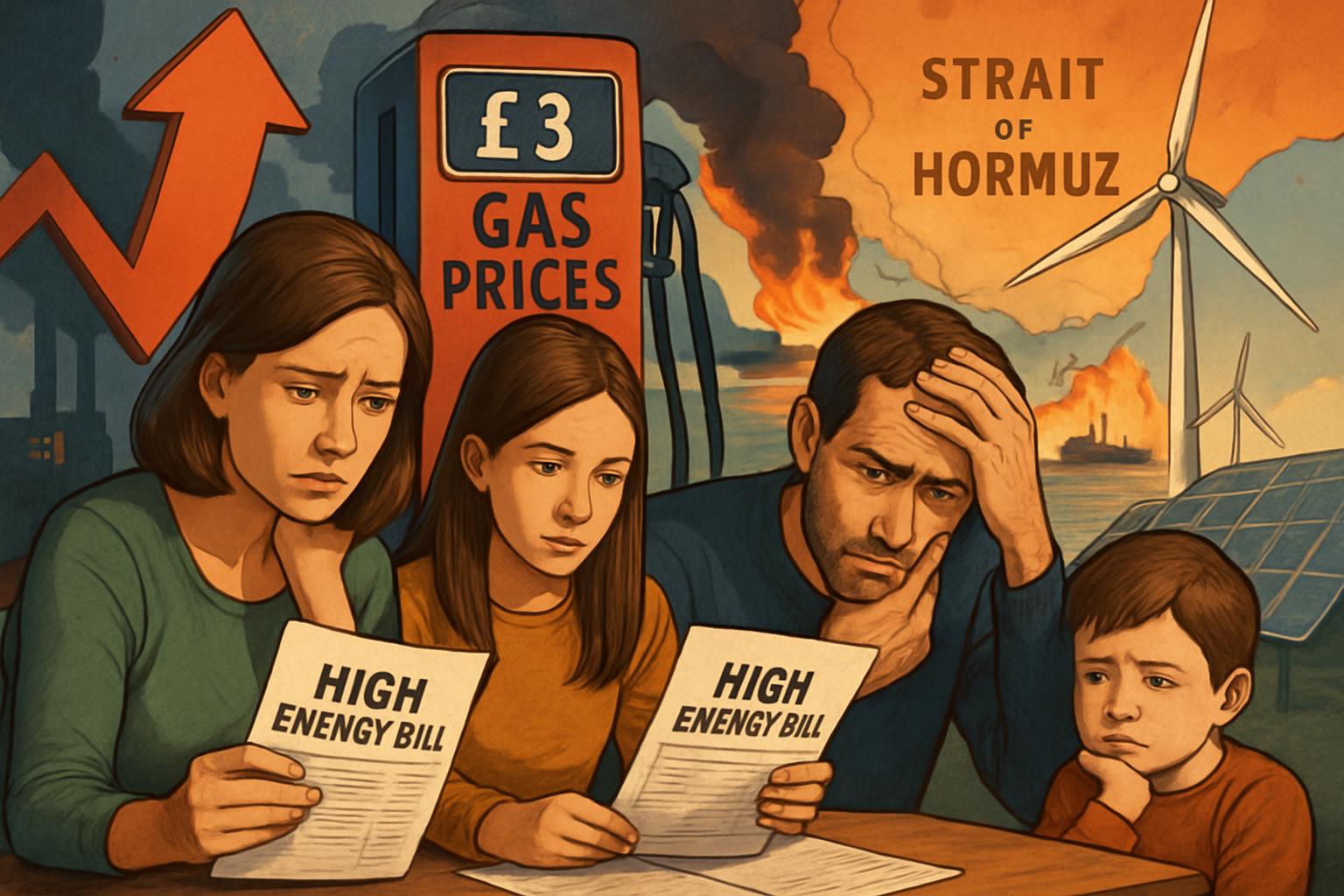
Middle East Conflict Drives UK Energy Prices to New Highs
Nike Faces $1 Billion Tariff Hit Amid US-China Trade Tensions
In This Article
 Daniel Rivera| Published
 HIGHLIGHTS
- Nike anticipates a $1 billion increase in costs due to US tariffs on Chinese imports, prompting a shift in production.
- The company plans to reduce its reliance on Chinese manufacturing from 16% to a single-digit percentage by 2026.
- Despite a 12% drop in quarterly revenue, Nike's shares rose over 10% in after-hours trading, signaling investor optimism.
- The US is nearing 10 trade deals following a rare earth agreement with China, amid ongoing tariff negotiations.
- The UK car industry has been severely impacted by US tariffs, with exports to the US halving in May.
Nike, the global sportswear giant, is bracing for a significant financial impact as US tariffs on Chinese imports are set to increase its costs by approximately $1 billion this year. The company has announced plans to mitigate these costs by reducing its production reliance on China, where 16% of its US-bound footwear is currently manufactured. By the end of 2026, Nike aims to cut this figure to a single-digit percentage.
Production Shift and Price Adjustments
In response to the tariffs, Nike is not only shifting production but also raising prices on select products in the US. This strategic move follows a similar announcement by Adidas, highlighting the broader challenges faced by the sportswear industry amid geopolitical volatility. Despite these hurdles, Nike reported a 12% drop in quarterly revenue, yet its shares surged over 10% in after-hours trading, reflecting investor confidence in the company's turnaround strategy.
US Trade Negotiations and Global Implications
The tariffs are part of a broader trade strategy by the US, which recently reached a rare earth agreement with China. This deal is one of nearly ten trade agreements the US is pursuing, as confirmed by President Donald Trump. However, the White House faces growing scrutiny as the 90-day tariff pause is set to expire on July 9, with Trump indicating that not all countries will receive favorable deals.
Impact on Global Industries
The repercussions of the US-China trade war extend beyond Nike. The UK car industry has experienced a dramatic decline, with exports to the US halving in May due to a 25% tariff imposed by the US administration. This has contributed to the lowest UK car production levels since 1949, excluding the pandemic-affected year of 2020. Similarly, China's industrial profits have suffered, with a 9.1% decline in May, attributed to reduced demand and falling prices.
WHAT THIS MIGHT MEAN
As the July 9 deadline for the tariff pause approaches, the outcome of US trade negotiations remains uncertain. If the US fails to secure favorable deals, industries reliant on international trade, like sportswear and automotive, may face further disruptions. Experts suggest that extending the deadline could provide more time for comprehensive agreements, potentially stabilizing affected markets. However, the geopolitical landscape remains volatile, and companies like Nike must continue to adapt to shifting trade policies to maintain their competitive edge.
Related Articles
Tech Giants Pledge to Cover AI Data Center Energy Costs Amid Rising Electricity Concerns
China Sets Lowest GDP Growth Target in Decades Amid Economic Challenges
UK Faces Dilemmas Amid Iran Conflict and China Spying Allegations
UK-Iran Tensions: Starmer Defends Cautious Approach Amid Trump Criticism
Canada and Australia Forge Strategic Partnership Amid Global Uncertainty
Middle East Conflict Drives UK Energy Prices to New Highs