
Noel Clarke Loses Libel Case Against Guardian Over Sexual Misconduct Allegations
In This Article
HIGHLIGHTS
- Noel Clarke lost a libel case against the Guardian, which published allegations of his sexual misconduct, upheld by the court as true and in the public interest.
- The high court found Clarke's claims of an unlawful conspiracy against him to be unfounded, with the judge deeming him an unreliable witness.
- Over 20 women testified against Clarke, detailing instances of bullying and sexual misconduct, which the court found credible.
- The ruling is seen as a victory for press freedom and investigative journalism, reinforcing the importance of reporting on sexual harassment.
- Women's groups hailed the judgment as a significant win for victims and a deterrent against using legal threats to silence allegations.
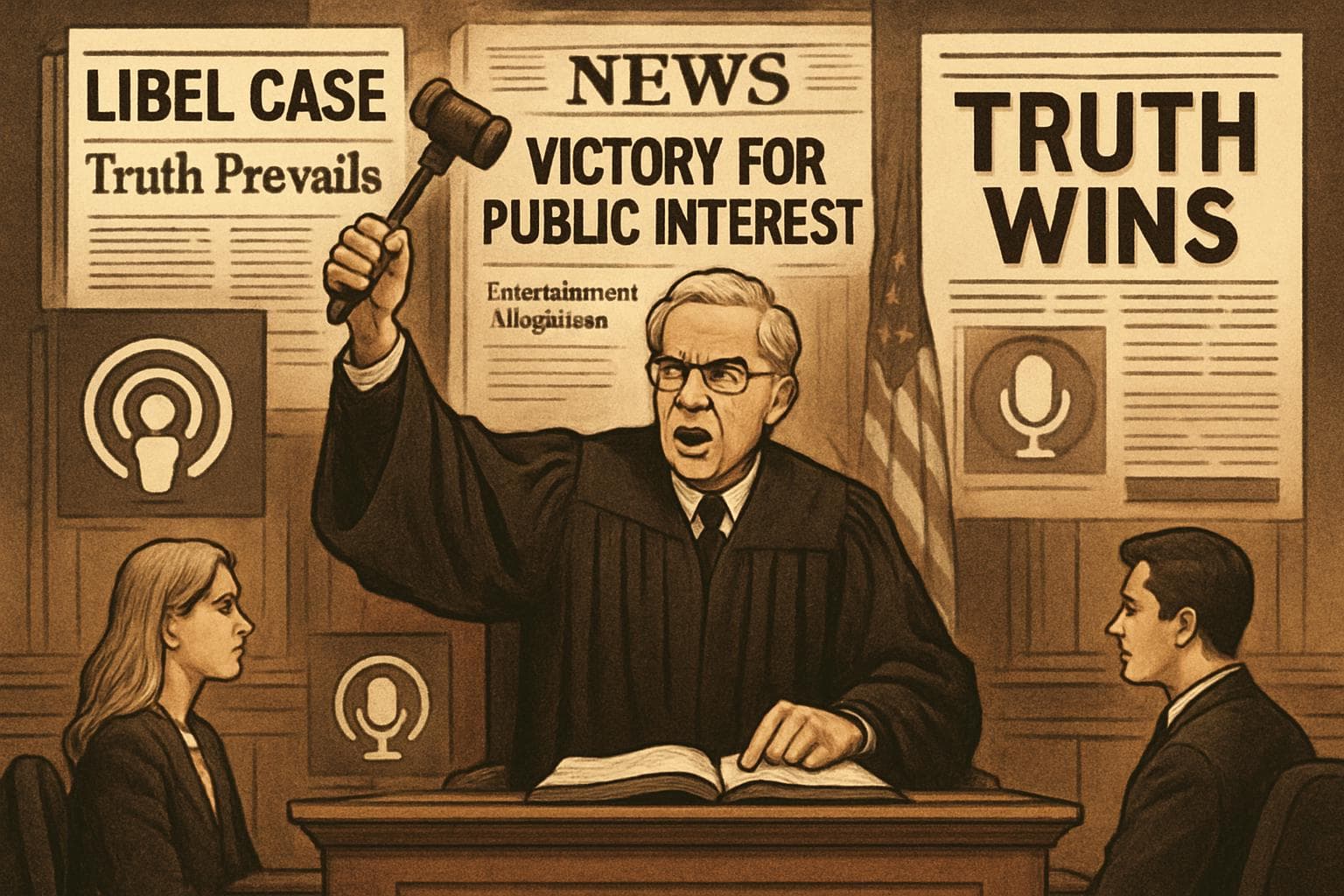
Actor Noel Clarke has lost a high-profile libel case against the Guardian, which published a series of articles in 2021 accusing him of sexual misconduct. The high court ruled on Friday that the Guardian's reporting was both true and in the public interest, marking a significant victory for investigative journalism.
Court Ruling and Allegations
The case centered on allegations made by more than 20 women who accused Clarke of using his influence in the film and TV industry to engage in inappropriate behavior. The Guardian's investigation, which included seven articles and a podcast, was defended on the grounds of truth and public interest. Mrs. Justice Steyn, presiding over the case, dismissed Clarke's claims of an unlawful conspiracy, stating that his assertions lacked a proper foundation. "There has been no conspiracy to lie," she concluded, emphasizing the credibility of the witnesses who testified against Clarke.
Clarke's Defense and Court's Findings
Clarke, known for his roles in "Doctor Who" and "Kidulthood," argued that he was the victim of a conspiracy and that the allegations were false. However, the court found him to be an unreliable witness, noting his tendency to admit only what was irrefutably proven by documents. The judge highlighted that the Guardian's reporting was a result of a thorough investigation, with editor-in-chief Katharine Viner affirming the public interest in exposing such misconduct.
Impact on Press Freedom and Women's Rights
The judgment has been celebrated by women's rights groups and advocates for press freedom. Harriet Wistrich, from the Centre for Women’s Justice, described the ruling as a blow to wealthy individuals who attempt to silence victims through legal means. Charlotte Proudman, a barrister and author, called it a landmark moment for survivors of sexual misconduct, emphasizing the role of journalism in holding perpetrators accountable.
Industry Reactions and Future Implications
The case has sparked discussions about the culture within the film and TV industries, with calls for systemic changes to protect women from similar abuses. Witnesses in the case expressed hope that the ruling would encourage others to speak out against misconduct without fear of retribution.
WHAT THIS MIGHT MEAN
The outcome of Noel Clarke's libel case against the Guardian could have far-reaching implications for both the entertainment industry and journalism. Legally, the ruling reinforces the importance of truth and public interest as defenses in libel cases, potentially encouraging more victims to come forward. Politically, it may prompt further scrutiny of how powerful figures in the industry are held accountable for their actions.
Experts suggest that the case could lead to increased efforts to create safer working environments in the film and TV sectors. This includes implementing more robust mechanisms for reporting and addressing misconduct. Additionally, the judgment may embolden journalists to pursue investigative reporting on sensitive issues, knowing that the courts can uphold their work when conducted responsibly and in the public interest.
Related Articles
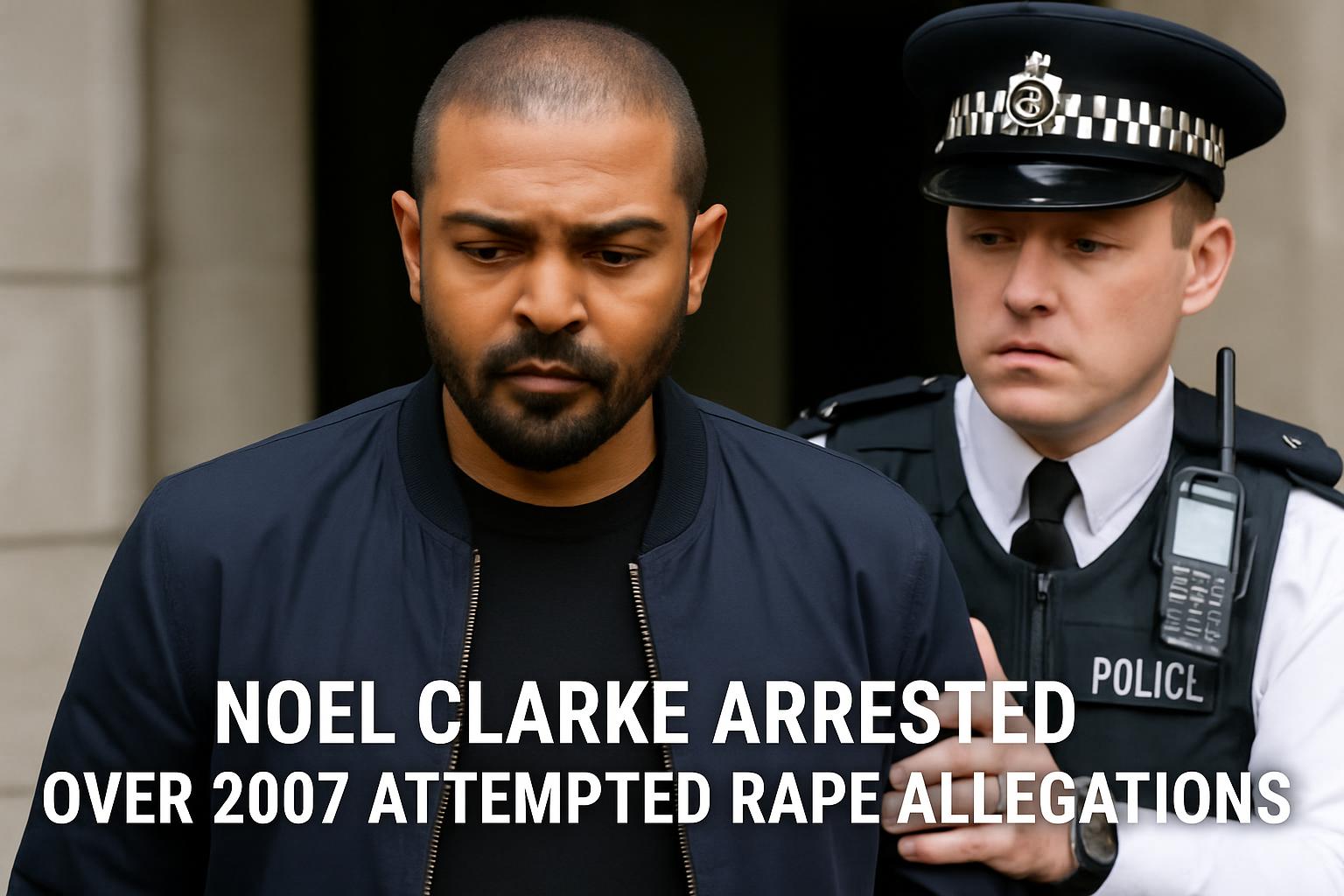
Noel Clarke Arrested Over 2007 Attempted Rape Allegation
Supreme Court Ruling Expands Compensation for Children Injured at Birth
Allegations of Unlawful Reporting Methods in Stephen Lawrence Case Denied by Ex-Daily Mail Reporter
High Court Ruling Delays Trial of Pro-Palestine Activists
Paul Dacre Denies "Preposterous" Hacking Allegations in High-Profile Privacy Case
US Investigator Admits to Privacy Breaches for UK Tabloids in High-Profile Legal Case
Noel Clarke Loses Libel Case Against Guardian Over Sexual Misconduct Allegations
In This Article
 Ethan Brooks| Published
 HIGHLIGHTS
- Noel Clarke lost a libel case against the Guardian, which published allegations of his sexual misconduct, upheld by the court as true and in the public interest.
- The high court found Clarke's claims of an unlawful conspiracy against him to be unfounded, with the judge deeming him an unreliable witness.
- Over 20 women testified against Clarke, detailing instances of bullying and sexual misconduct, which the court found credible.
- The ruling is seen as a victory for press freedom and investigative journalism, reinforcing the importance of reporting on sexual harassment.
- Women's groups hailed the judgment as a significant win for victims and a deterrent against using legal threats to silence allegations.
Actor Noel Clarke has lost a high-profile libel case against the Guardian, which published a series of articles in 2021 accusing him of sexual misconduct. The high court ruled on Friday that the Guardian's reporting was both true and in the public interest, marking a significant victory for investigative journalism.
Court Ruling and Allegations
The case centered on allegations made by more than 20 women who accused Clarke of using his influence in the film and TV industry to engage in inappropriate behavior. The Guardian's investigation, which included seven articles and a podcast, was defended on the grounds of truth and public interest. Mrs. Justice Steyn, presiding over the case, dismissed Clarke's claims of an unlawful conspiracy, stating that his assertions lacked a proper foundation. "There has been no conspiracy to lie," she concluded, emphasizing the credibility of the witnesses who testified against Clarke.
Clarke's Defense and Court's Findings
Clarke, known for his roles in "Doctor Who" and "Kidulthood," argued that he was the victim of a conspiracy and that the allegations were false. However, the court found him to be an unreliable witness, noting his tendency to admit only what was irrefutably proven by documents. The judge highlighted that the Guardian's reporting was a result of a thorough investigation, with editor-in-chief Katharine Viner affirming the public interest in exposing such misconduct.
Impact on Press Freedom and Women's Rights
The judgment has been celebrated by women's rights groups and advocates for press freedom. Harriet Wistrich, from the Centre for Women’s Justice, described the ruling as a blow to wealthy individuals who attempt to silence victims through legal means. Charlotte Proudman, a barrister and author, called it a landmark moment for survivors of sexual misconduct, emphasizing the role of journalism in holding perpetrators accountable.
Industry Reactions and Future Implications
The case has sparked discussions about the culture within the film and TV industries, with calls for systemic changes to protect women from similar abuses. Witnesses in the case expressed hope that the ruling would encourage others to speak out against misconduct without fear of retribution.
WHAT THIS MIGHT MEAN
The outcome of Noel Clarke's libel case against the Guardian could have far-reaching implications for both the entertainment industry and journalism. Legally, the ruling reinforces the importance of truth and public interest as defenses in libel cases, potentially encouraging more victims to come forward. Politically, it may prompt further scrutiny of how powerful figures in the industry are held accountable for their actions.
Experts suggest that the case could lead to increased efforts to create safer working environments in the film and TV sectors. This includes implementing more robust mechanisms for reporting and addressing misconduct. Additionally, the judgment may embolden journalists to pursue investigative reporting on sensitive issues, knowing that the courts can uphold their work when conducted responsibly and in the public interest.
Related Articles
Noel Clarke Arrested Over 2007 Attempted Rape Allegation
Supreme Court Ruling Expands Compensation for Children Injured at Birth
Allegations of Unlawful Reporting Methods in Stephen Lawrence Case Denied by Ex-Daily Mail Reporter
High Court Ruling Delays Trial of Pro-Palestine Activists
Paul Dacre Denies "Preposterous" Hacking Allegations in High-Profile Privacy Case
US Investigator Admits to Privacy Breaches for UK Tabloids in High-Profile Legal Case