
North Korea Pledges Unconditional Support to Russia Amid Intensified Ukraine Conflict

In This Article
HIGHLIGHTS
- North Korean leader Kim Jong Un has pledged "unconditional support" for Russia in its war against Ukraine, as reported by state media.
- Kim's meeting with Russian Foreign Minister Sergei Lavrov in North Korea emphasized deepening military and political ties between the two nations.
- Western officials estimate that North Korea has sent around 11,000 troops to support Russia's efforts in Ukraine over the past year.
- Russia has intensified its aerial strikes on Ukraine, launching hundreds of drones and missiles, resulting in multiple casualties.
- Concerns are rising about potential technology transfers from Russia to North Korea that could enhance North Korea's nuclear capabilities.
North Korea's leader, Kim Jong Un, has reiterated his unwavering support for Russia in its ongoing conflict with Ukraine, according to state media reports. During a meeting with Russian Foreign Minister Sergei Lavrov, Kim expressed his readiness to back all measures taken by Russia to address what he described as the "root cause of the Ukrainian crisis." This meeting, held in an atmosphere of "warm comradely trust," underscores the strengthening military and political ties between Pyongyang and Moscow.
Deepening Military Ties
The discussions between Kim and Lavrov come as North Korea reportedly continues to bolster Russia's military efforts. Western officials believe that approximately 11,000 North Korean troops have been deployed to Russia over the past year to aid in the conflict against Ukraine. This military support is part of a broader agreement signed by Kim and Russian President Vladimir Putin in June last year, pledging mutual assistance in the face of aggression.
Russia's Escalating Aerial Assaults
Meanwhile, Russia has ramped up its aerial attacks on Ukraine, launching hundreds of drones and missiles in recent days. Ukrainian President Volodymyr Zelenskyy reported that these strikes have resulted in at least six fatalities and numerous injuries. The Ukrainian air force claims to have intercepted a significant number of these attacks, including Iranian-made Shahed drones.
Concerns Over Technology Transfers
The burgeoning alliance between Russia and North Korea has raised alarms in the United States and South Korea. There are fears that Russia might transfer sensitive technologies to North Korea, potentially advancing its nuclear and missile programs. Lavrov, however, defended North Korea's pursuit of nuclear capabilities, attributing it to the work of its own scientists and understanding the motivations behind it.
WHAT THIS MIGHT MEAN
The deepening relationship between North Korea and Russia could have significant geopolitical implications. As Russia continues its military campaign in Ukraine, North Korea's support may embolden Moscow, potentially prolonging the conflict. Additionally, any transfer of military technology from Russia to North Korea could escalate tensions in the region, particularly with South Korea and the United States. Experts suggest that international diplomatic efforts may need to intensify to address these evolving alliances and prevent further destabilization.
Related Articles
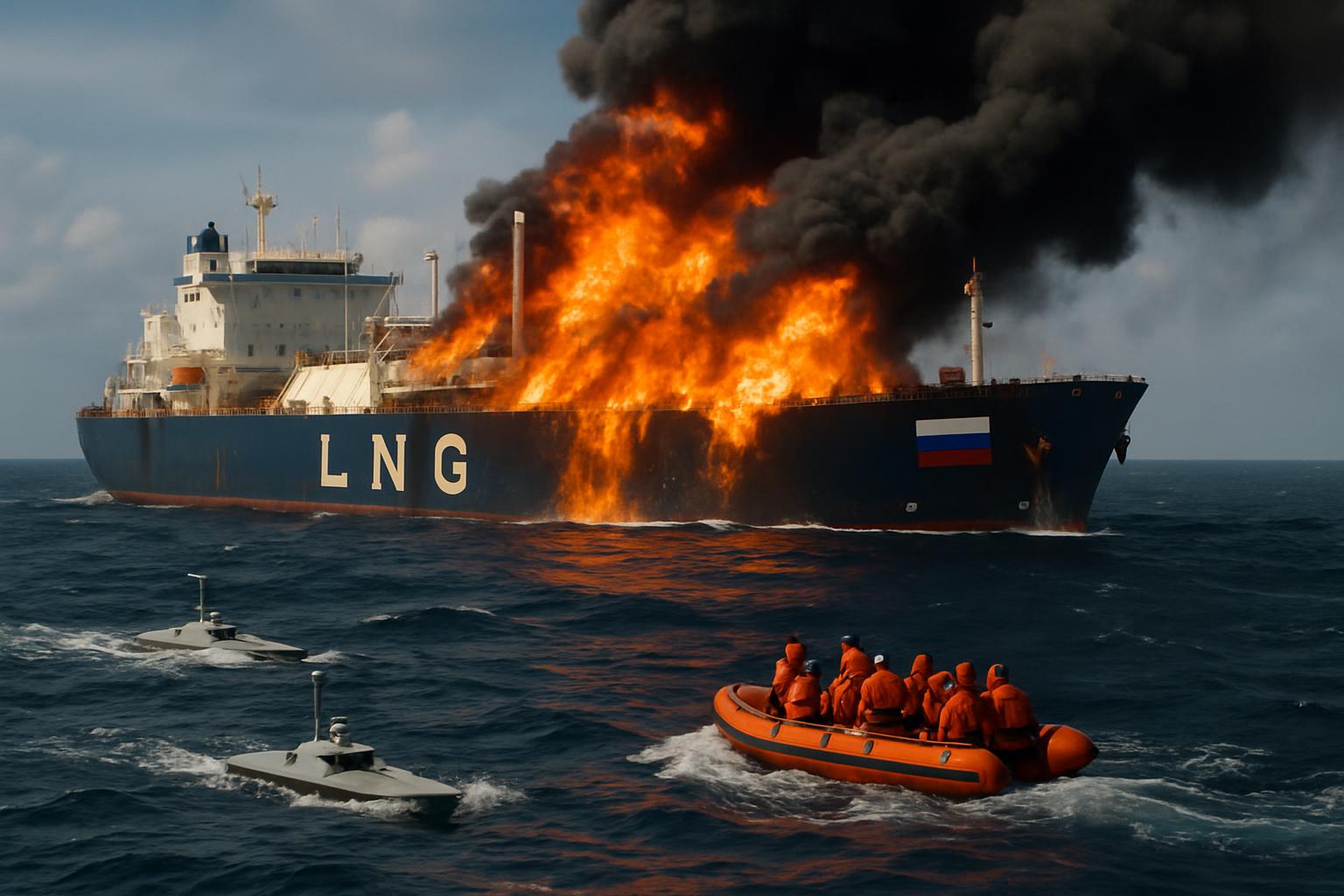
Russian LNG Tanker Sinks in Mediterranean Amid Accusations of Ukrainian Drone Attack
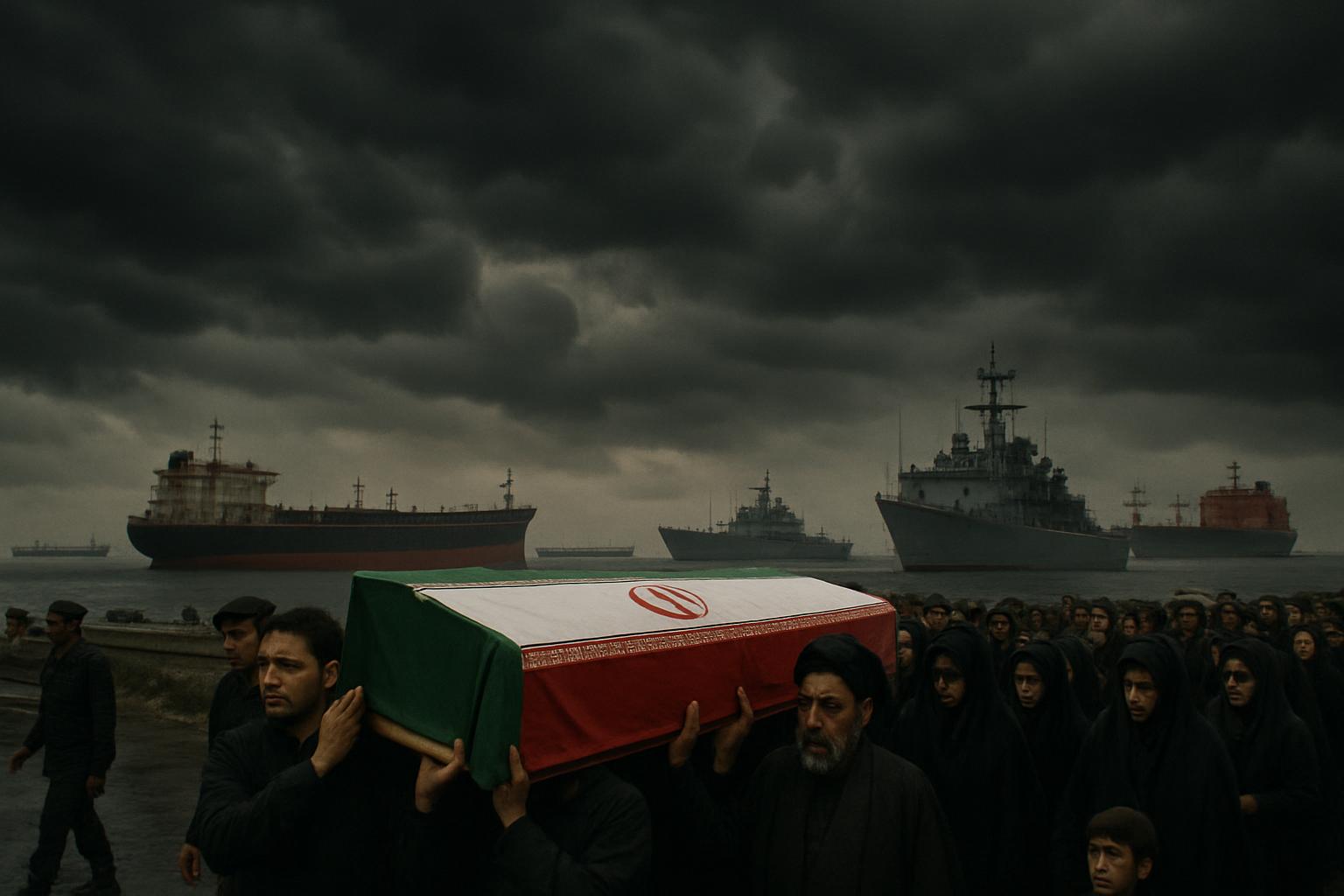
Iran Postpones Khamenei Funeral Amid Escalating US-Israeli Strikes
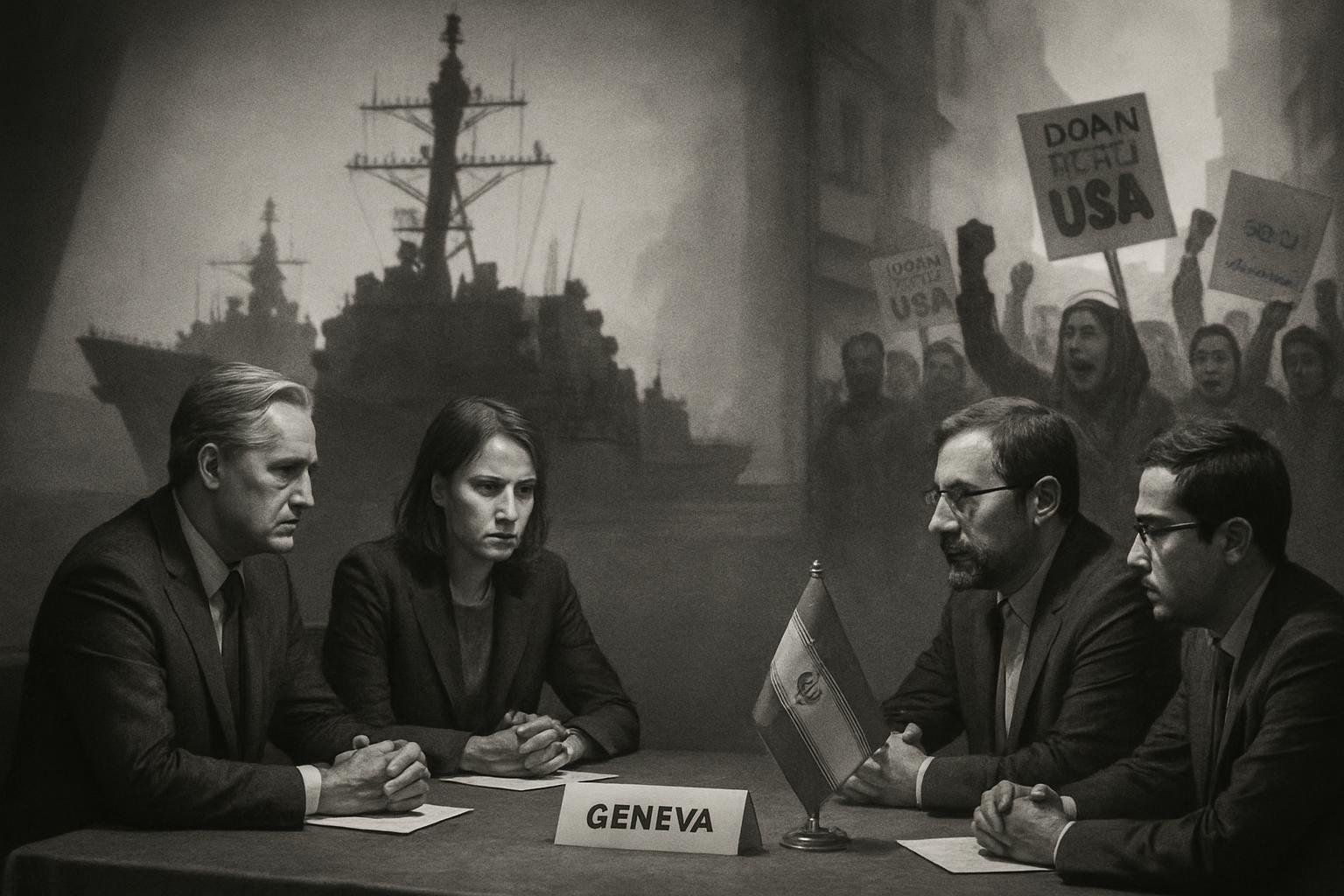
US-Iran Tensions Escalate Amid Renewed Nuclear Talks and Protests
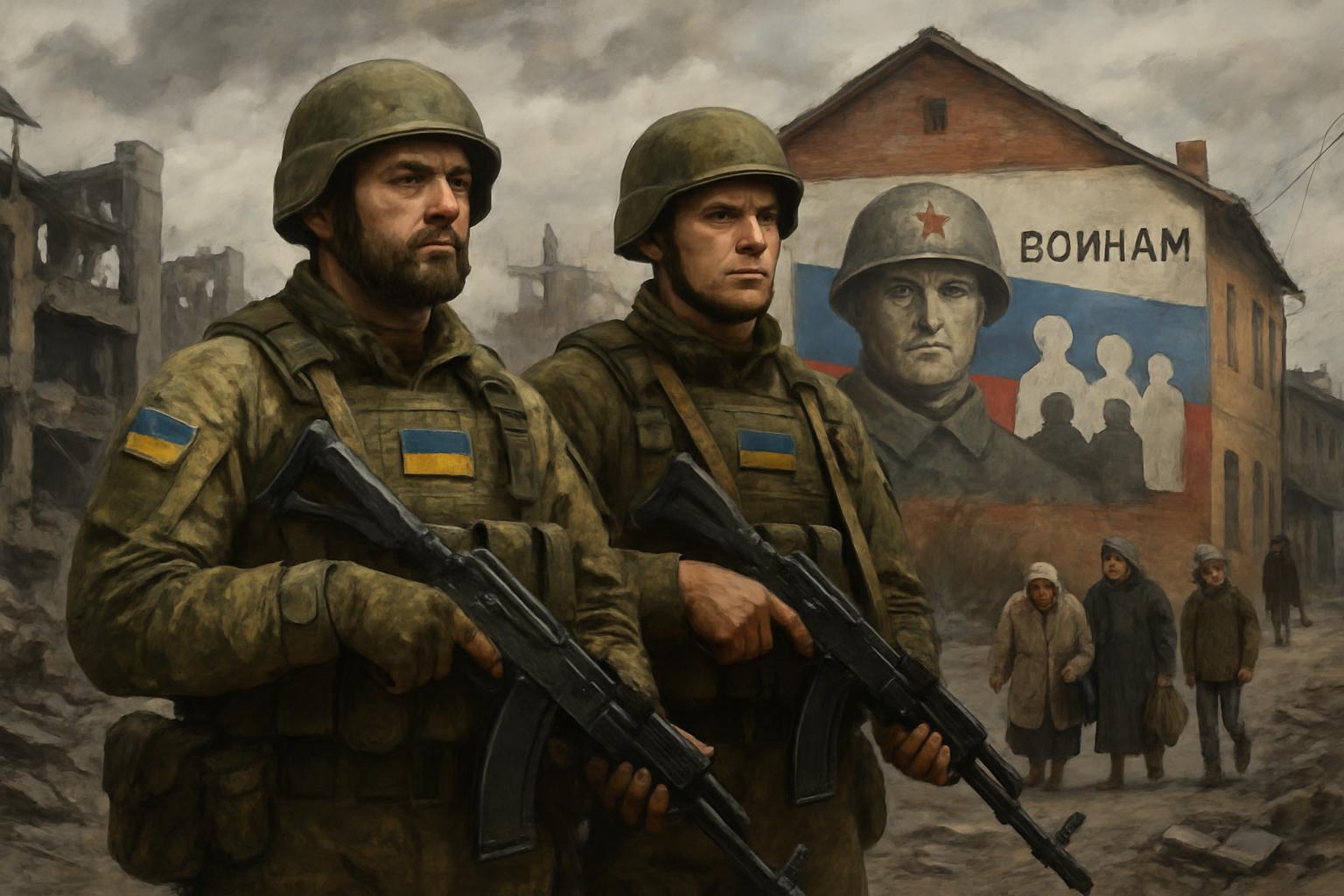
Russia-Ukraine Conflict: Four Years of Unyielding Struggle and Human Resilience
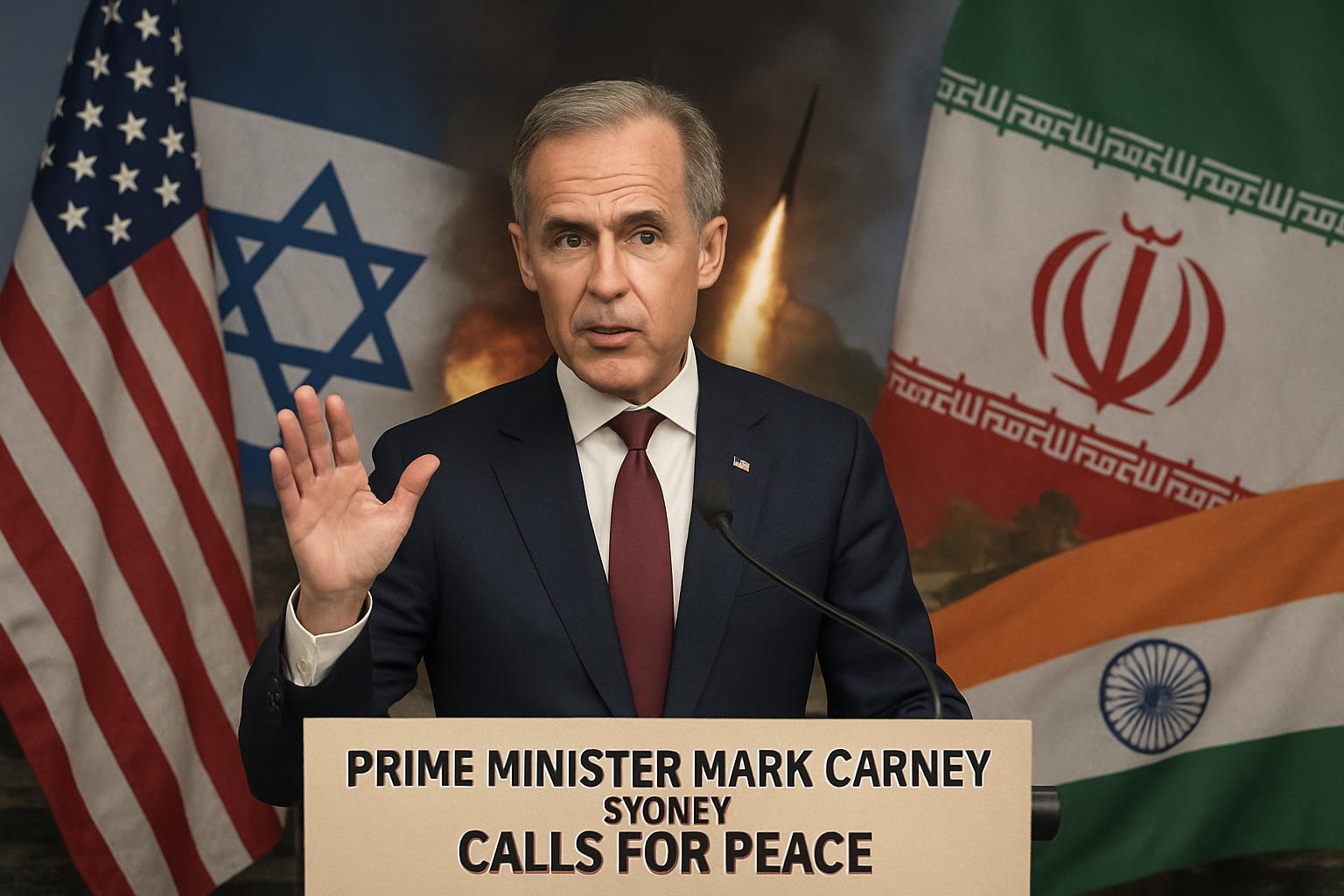
Canada Calls for De-escalation Amid US-Israel Strikes on Iran
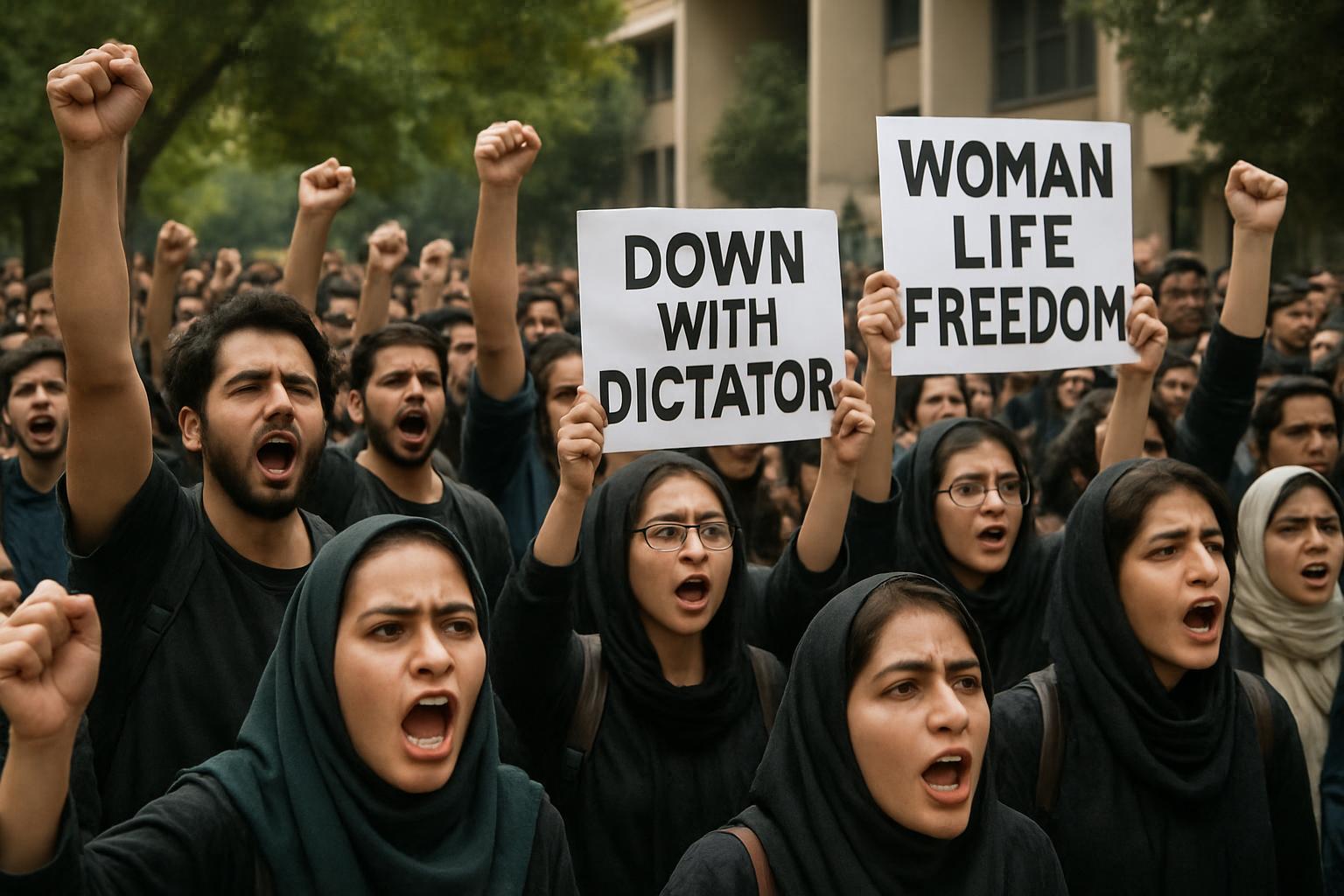
Iranian Students Lead Major Protests Amid Rising US-Iran Tensions
North Korea Pledges Unconditional Support to Russia Amid Intensified Ukraine Conflict
In This Article
 Ethan Brooks| Published
 HIGHLIGHTS
- North Korean leader Kim Jong Un has pledged "unconditional support" for Russia in its war against Ukraine, as reported by state media.
- Kim's meeting with Russian Foreign Minister Sergei Lavrov in North Korea emphasized deepening military and political ties between the two nations.
- Western officials estimate that North Korea has sent around 11,000 troops to support Russia's efforts in Ukraine over the past year.
- Russia has intensified its aerial strikes on Ukraine, launching hundreds of drones and missiles, resulting in multiple casualties.
- Concerns are rising about potential technology transfers from Russia to North Korea that could enhance North Korea's nuclear capabilities.
North Korea's leader, Kim Jong Un, has reiterated his unwavering support for Russia in its ongoing conflict with Ukraine, according to state media reports. During a meeting with Russian Foreign Minister Sergei Lavrov, Kim expressed his readiness to back all measures taken by Russia to address what he described as the "root cause of the Ukrainian crisis." This meeting, held in an atmosphere of "warm comradely trust," underscores the strengthening military and political ties between Pyongyang and Moscow.
Deepening Military Ties
The discussions between Kim and Lavrov come as North Korea reportedly continues to bolster Russia's military efforts. Western officials believe that approximately 11,000 North Korean troops have been deployed to Russia over the past year to aid in the conflict against Ukraine. This military support is part of a broader agreement signed by Kim and Russian President Vladimir Putin in June last year, pledging mutual assistance in the face of aggression.
Russia's Escalating Aerial Assaults
Meanwhile, Russia has ramped up its aerial attacks on Ukraine, launching hundreds of drones and missiles in recent days. Ukrainian President Volodymyr Zelenskyy reported that these strikes have resulted in at least six fatalities and numerous injuries. The Ukrainian air force claims to have intercepted a significant number of these attacks, including Iranian-made Shahed drones.
Concerns Over Technology Transfers
The burgeoning alliance between Russia and North Korea has raised alarms in the United States and South Korea. There are fears that Russia might transfer sensitive technologies to North Korea, potentially advancing its nuclear and missile programs. Lavrov, however, defended North Korea's pursuit of nuclear capabilities, attributing it to the work of its own scientists and understanding the motivations behind it.
WHAT THIS MIGHT MEAN
The deepening relationship between North Korea and Russia could have significant geopolitical implications. As Russia continues its military campaign in Ukraine, North Korea's support may embolden Moscow, potentially prolonging the conflict. Additionally, any transfer of military technology from Russia to North Korea could escalate tensions in the region, particularly with South Korea and the United States. Experts suggest that international diplomatic efforts may need to intensify to address these evolving alliances and prevent further destabilization.
Related Articles
Russian LNG Tanker Sinks in Mediterranean Amid Accusations of Ukrainian Drone Attack
Iran Postpones Khamenei Funeral Amid Escalating US-Israeli Strikes
US-Iran Tensions Escalate Amid Renewed Nuclear Talks and Protests
Russia-Ukraine Conflict: Four Years of Unyielding Struggle and Human Resilience
Canada Calls for De-escalation Amid US-Israel Strikes on Iran
Iranian Students Lead Major Protests Amid Rising US-Iran Tensions