
Spectacular Northern Lights Illuminate Skies Across the Globe Amid Solar Storm
In This Article
HIGHLIGHTS
- The Northern Lights, or Aurora Borealis, were visible across the UK, US, and parts of Australia and New Zealand due to increased solar activity.
- The phenomenon is caused by solar particles interacting with Earth's atmosphere, with recent displays linked to Coronal Mass Ejections (CMEs).
- The UK Met Office and NOAA forecasted continued auroral activity, although cloud cover may affect visibility.
- A "cannibal" solar storm, where one CME overtakes another, intensified the auroral displays, reaching G4 geomagnetic storm conditions.
- In the US, the geomagnetic storm postponed NASA's Mars-bound spacecraft launch due to potential effects on the mission.
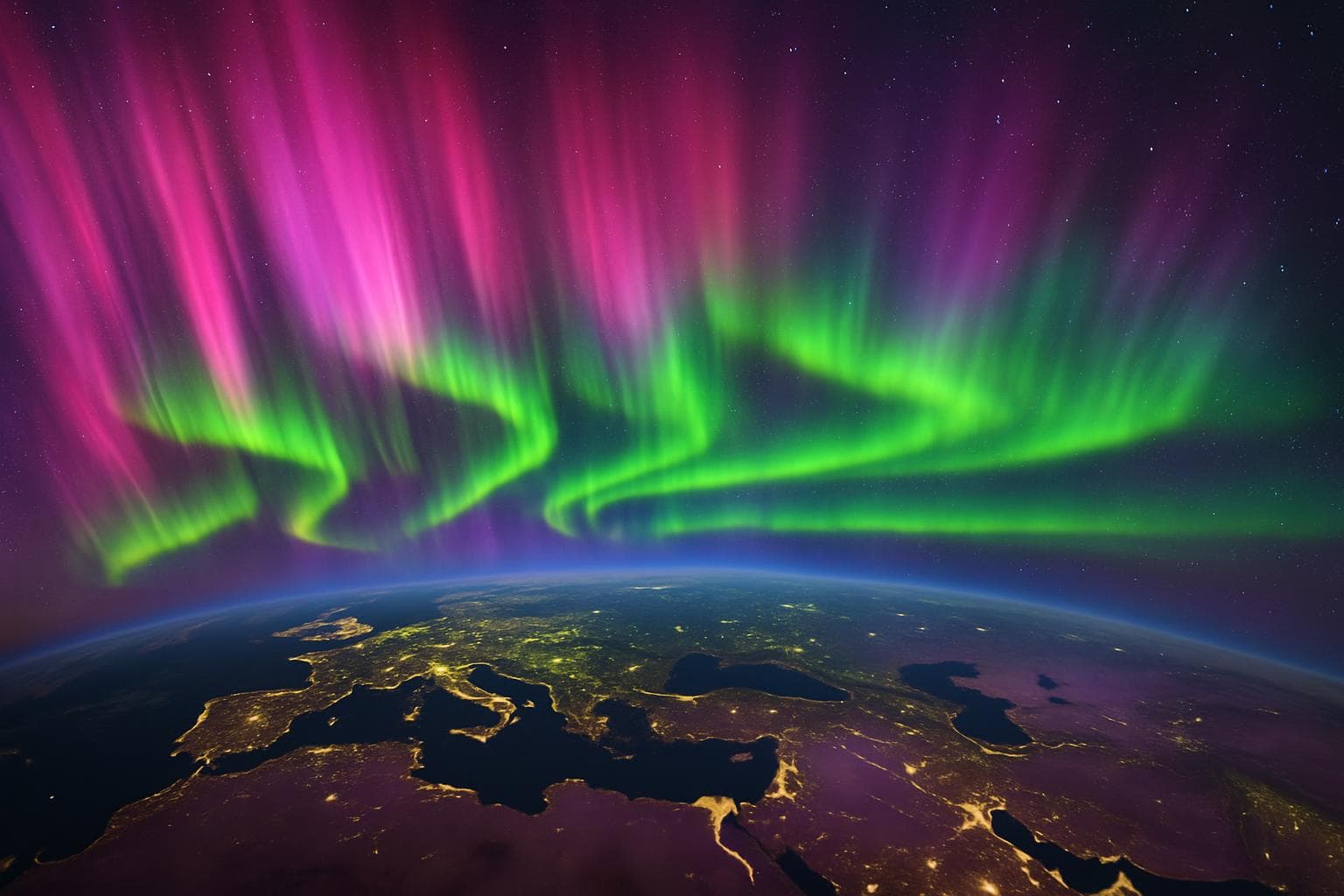
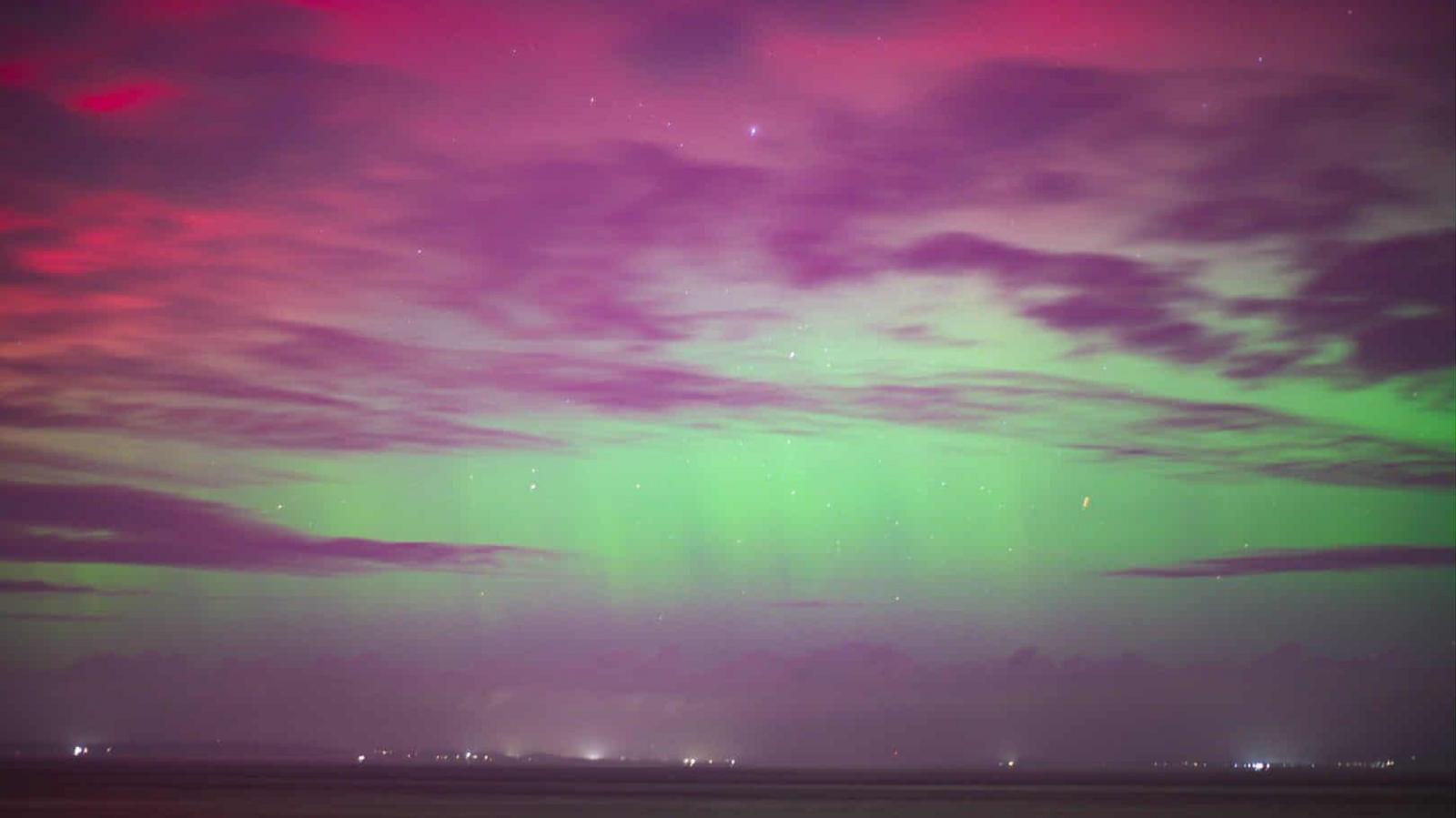
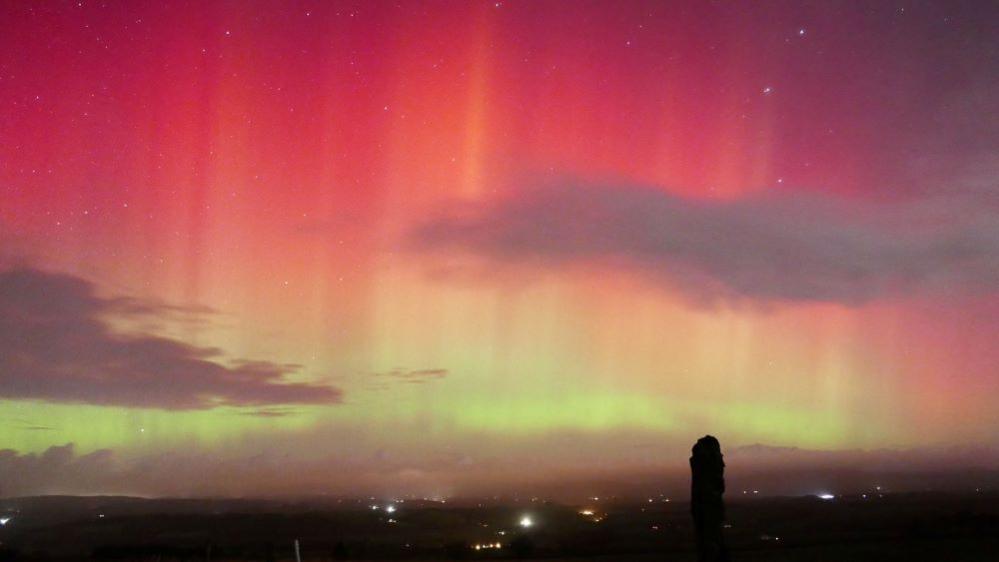
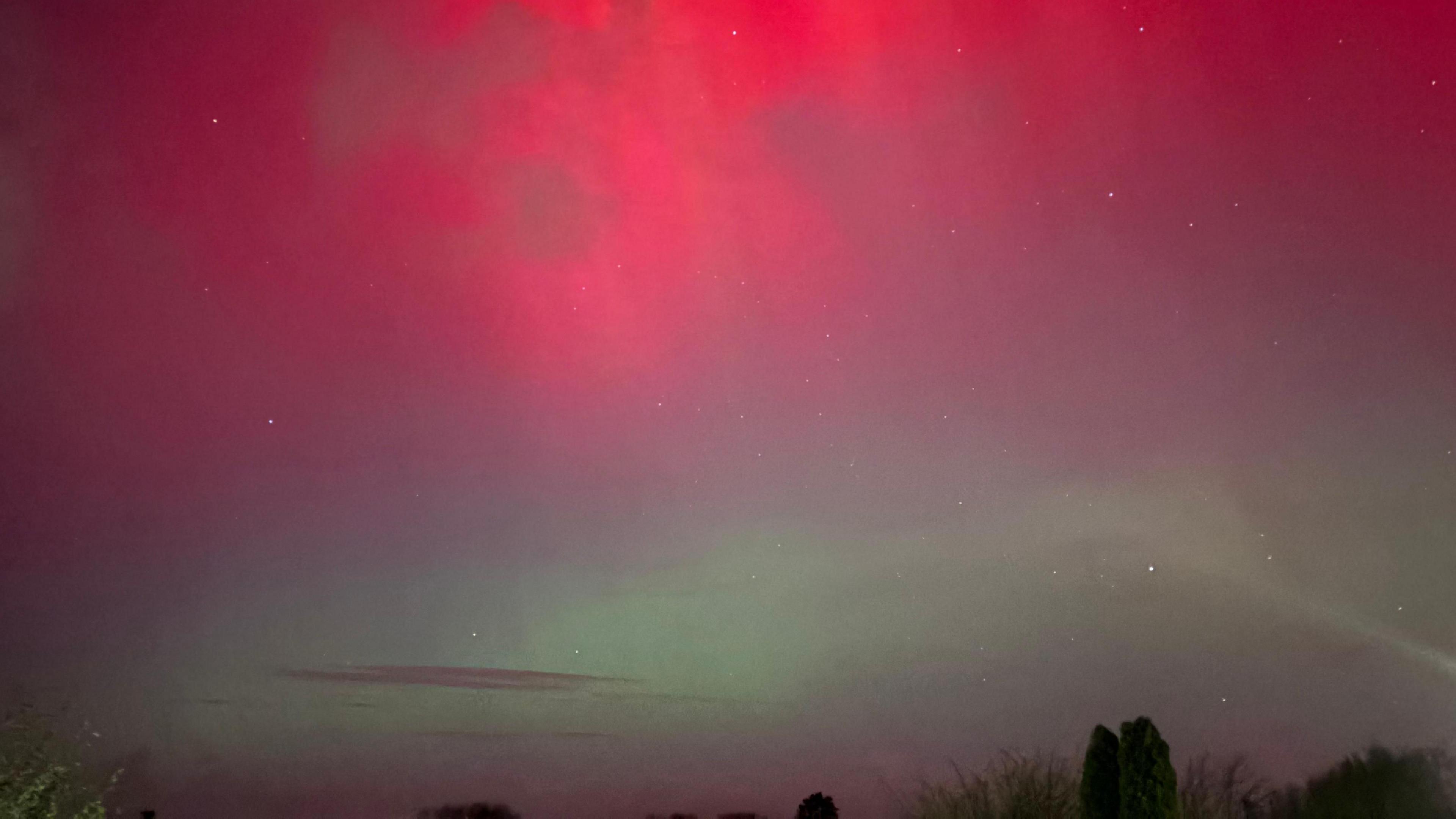
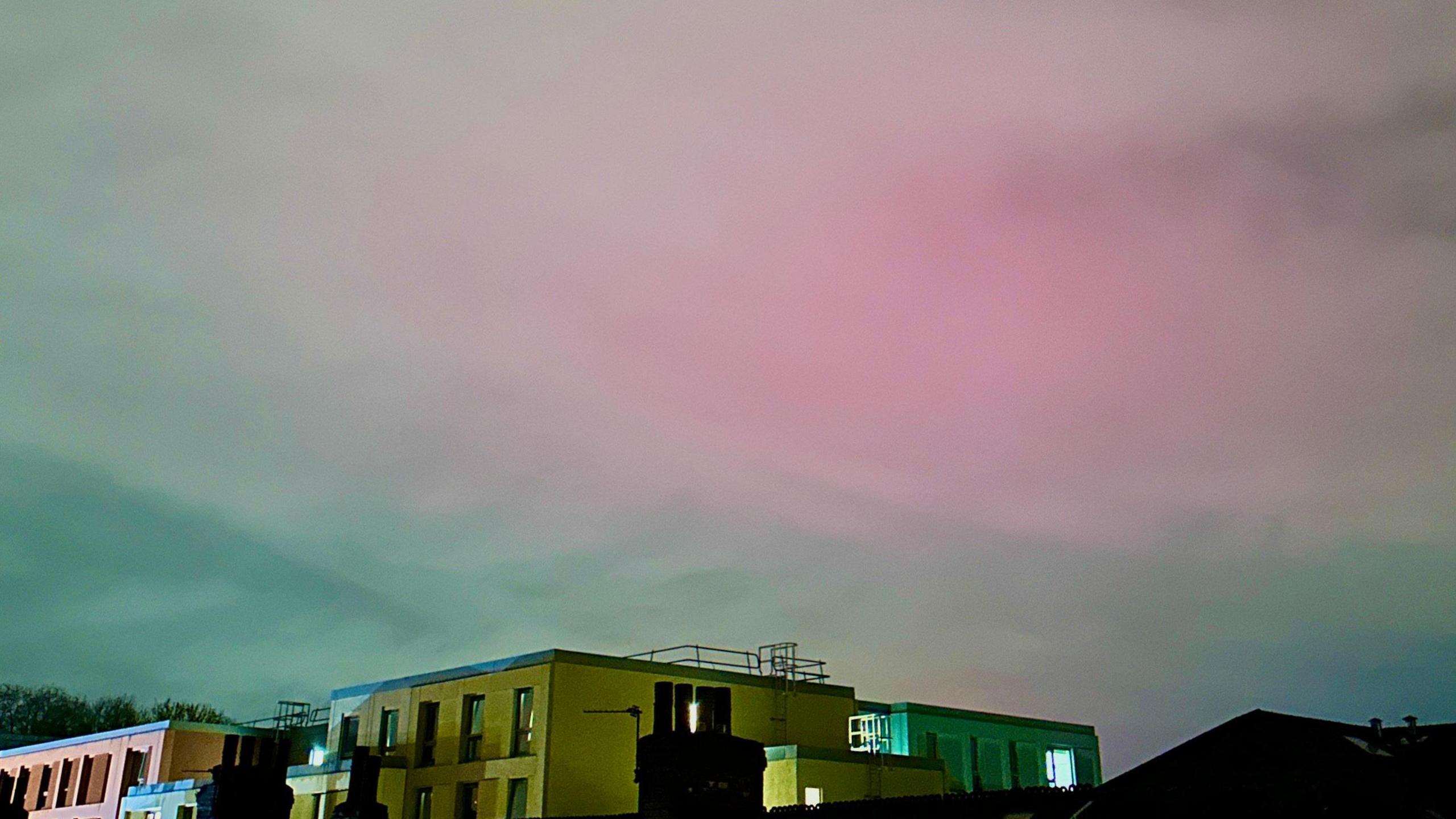
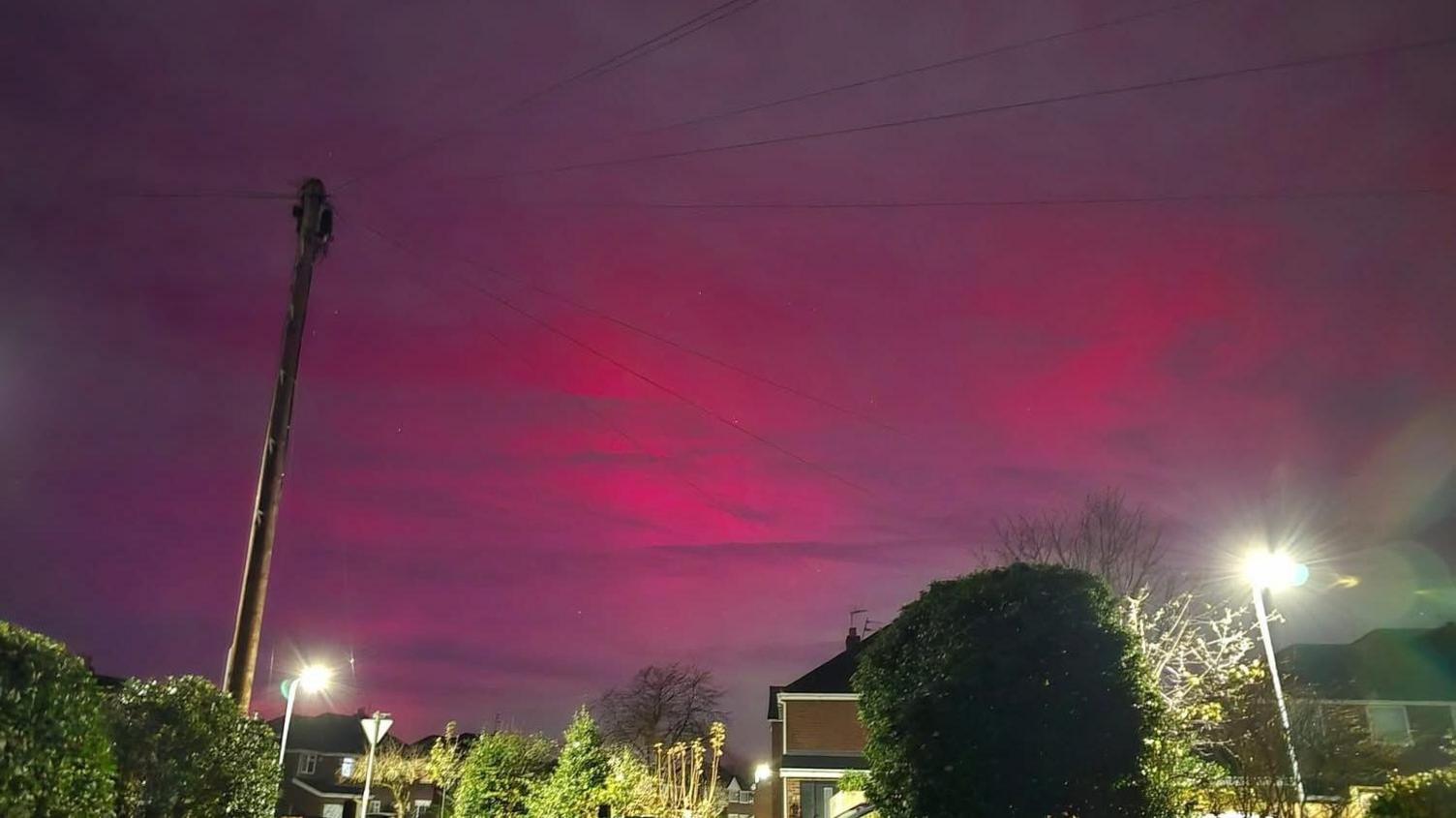
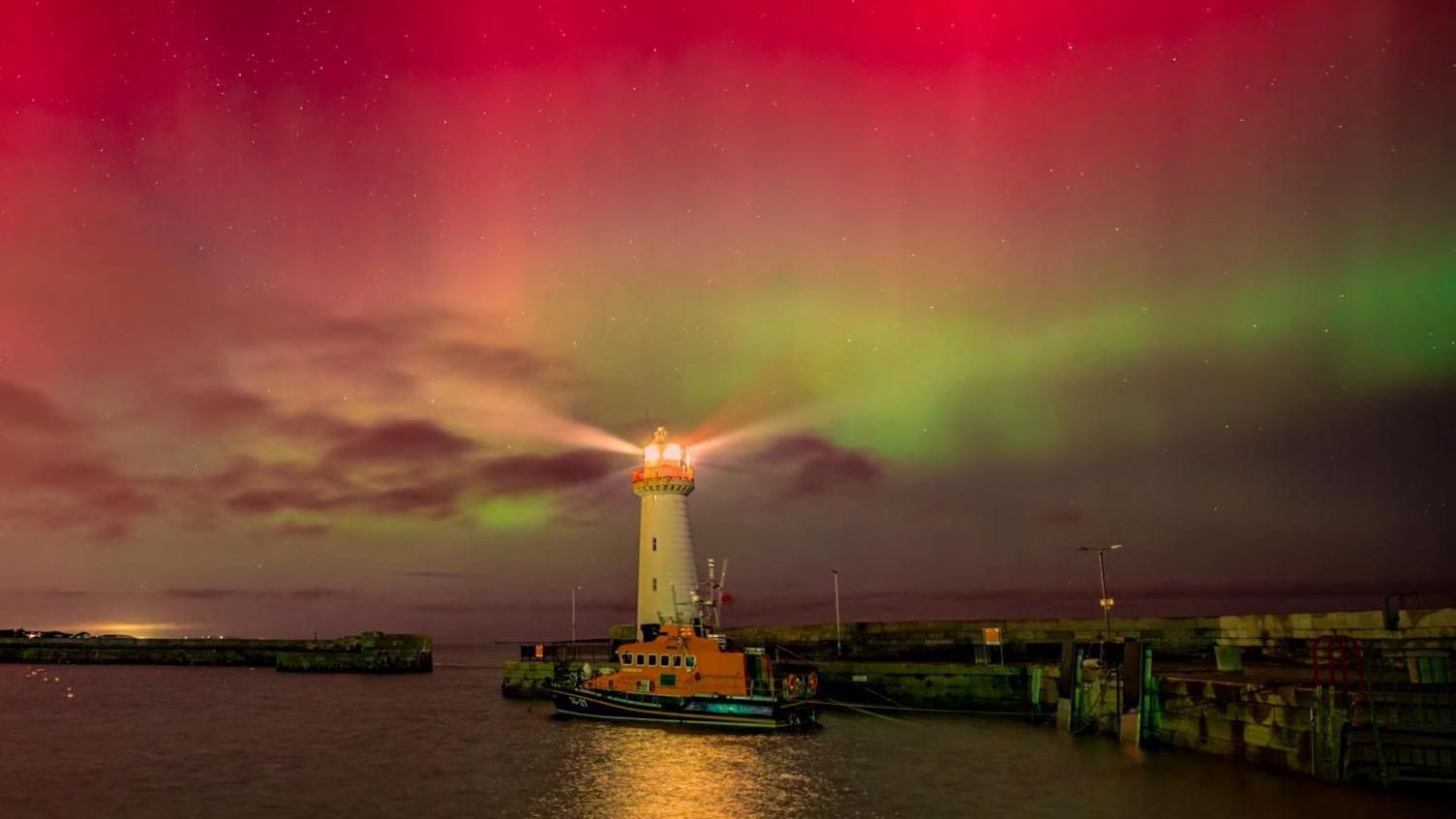
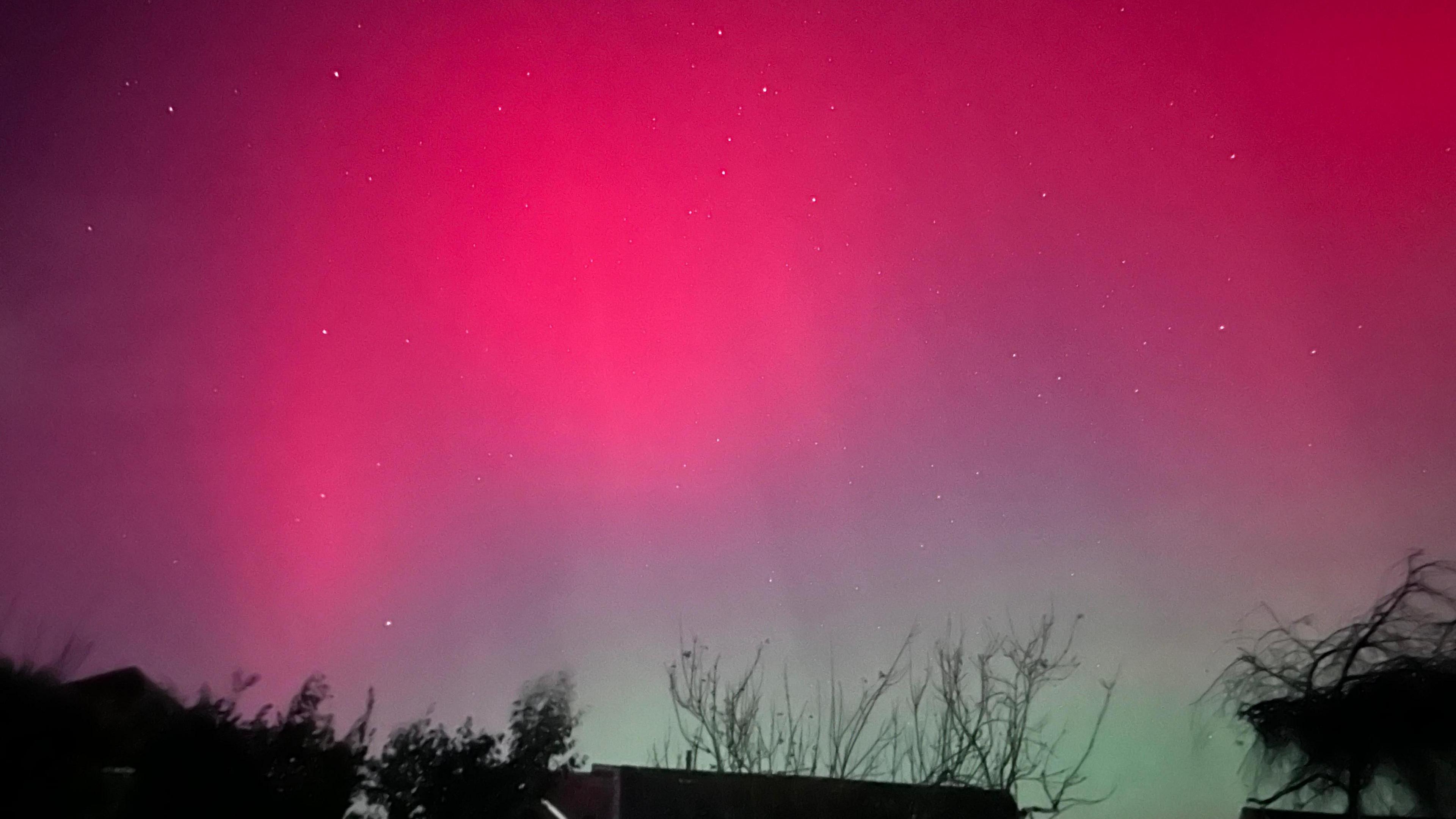
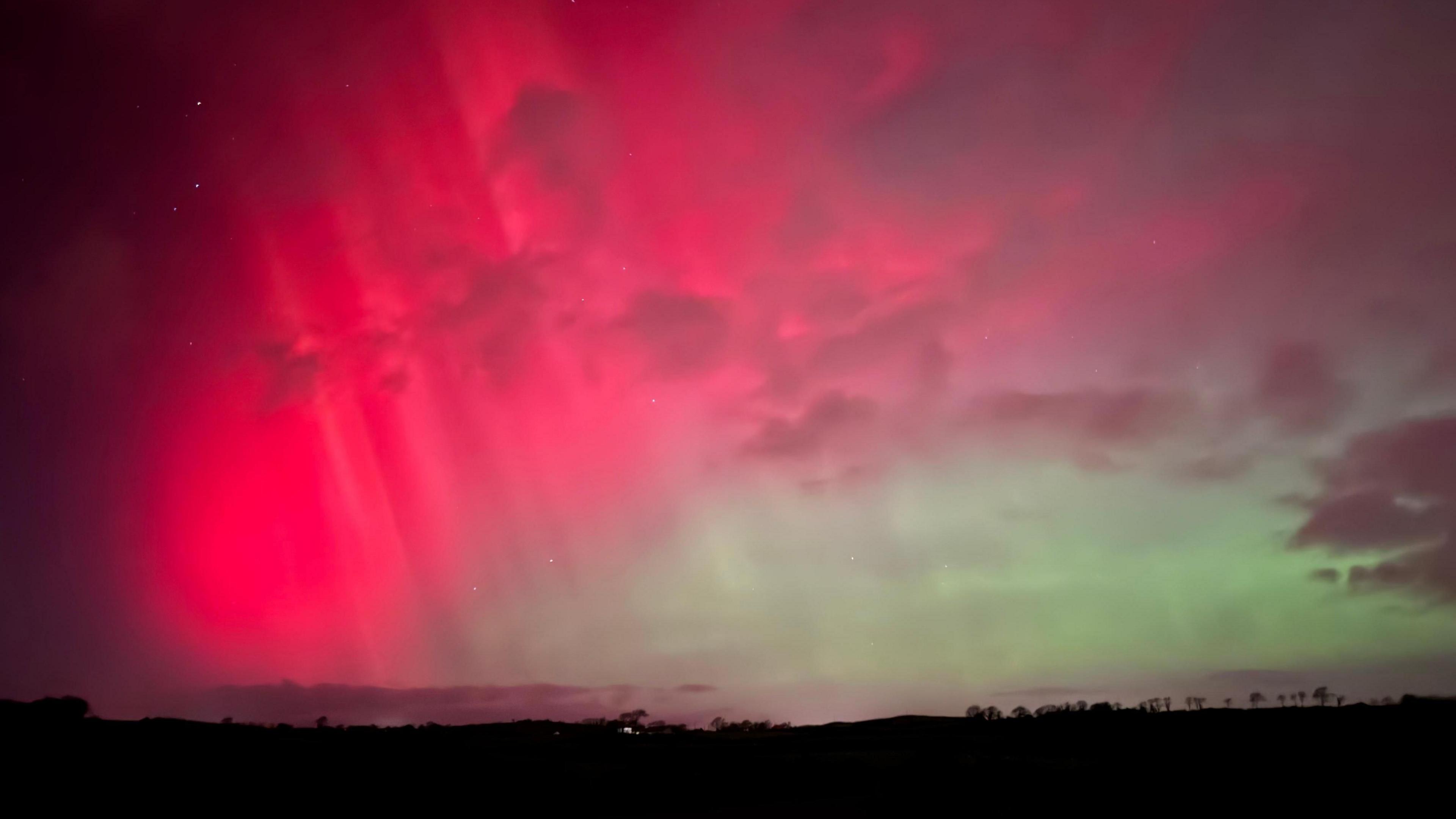
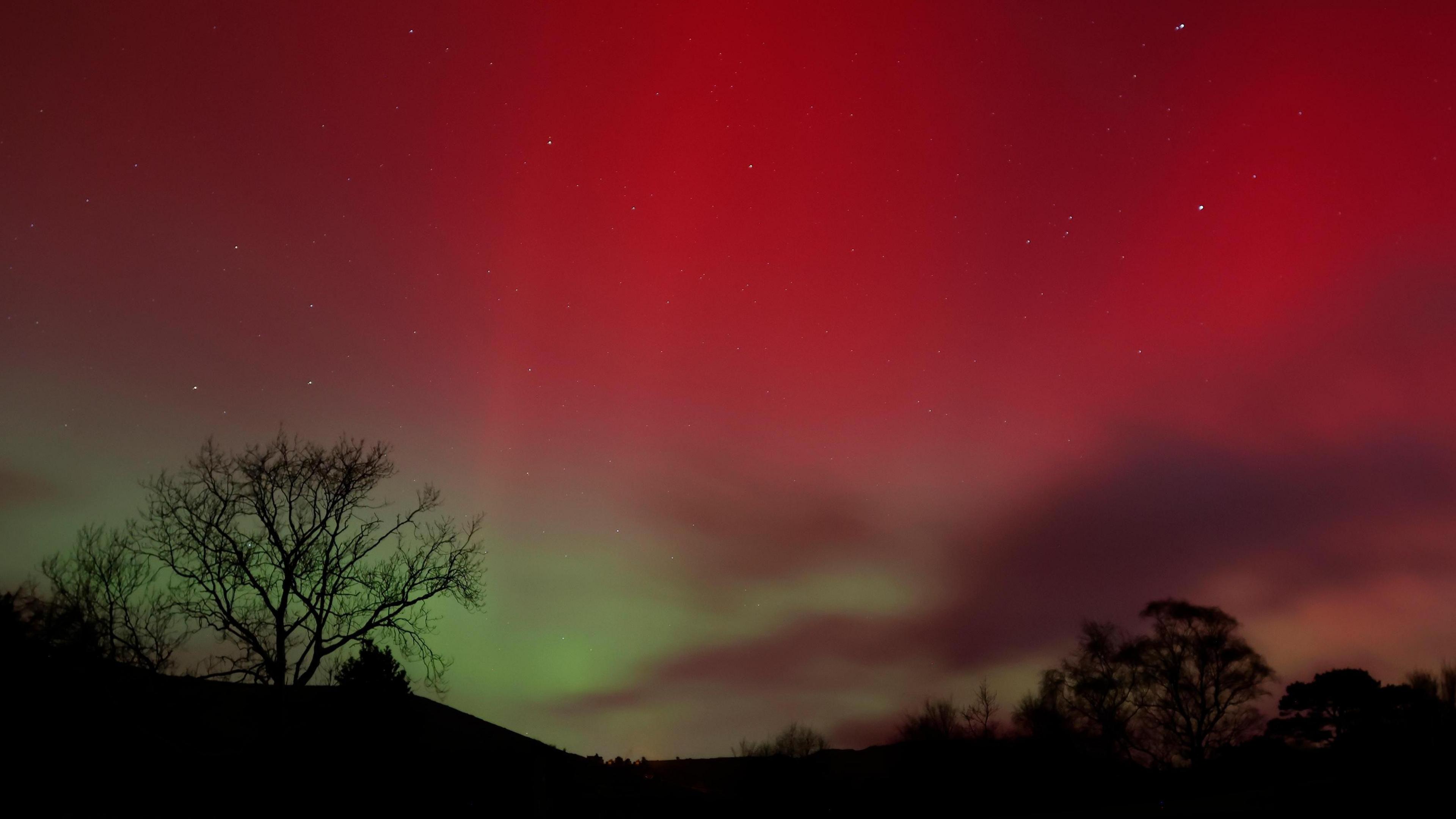
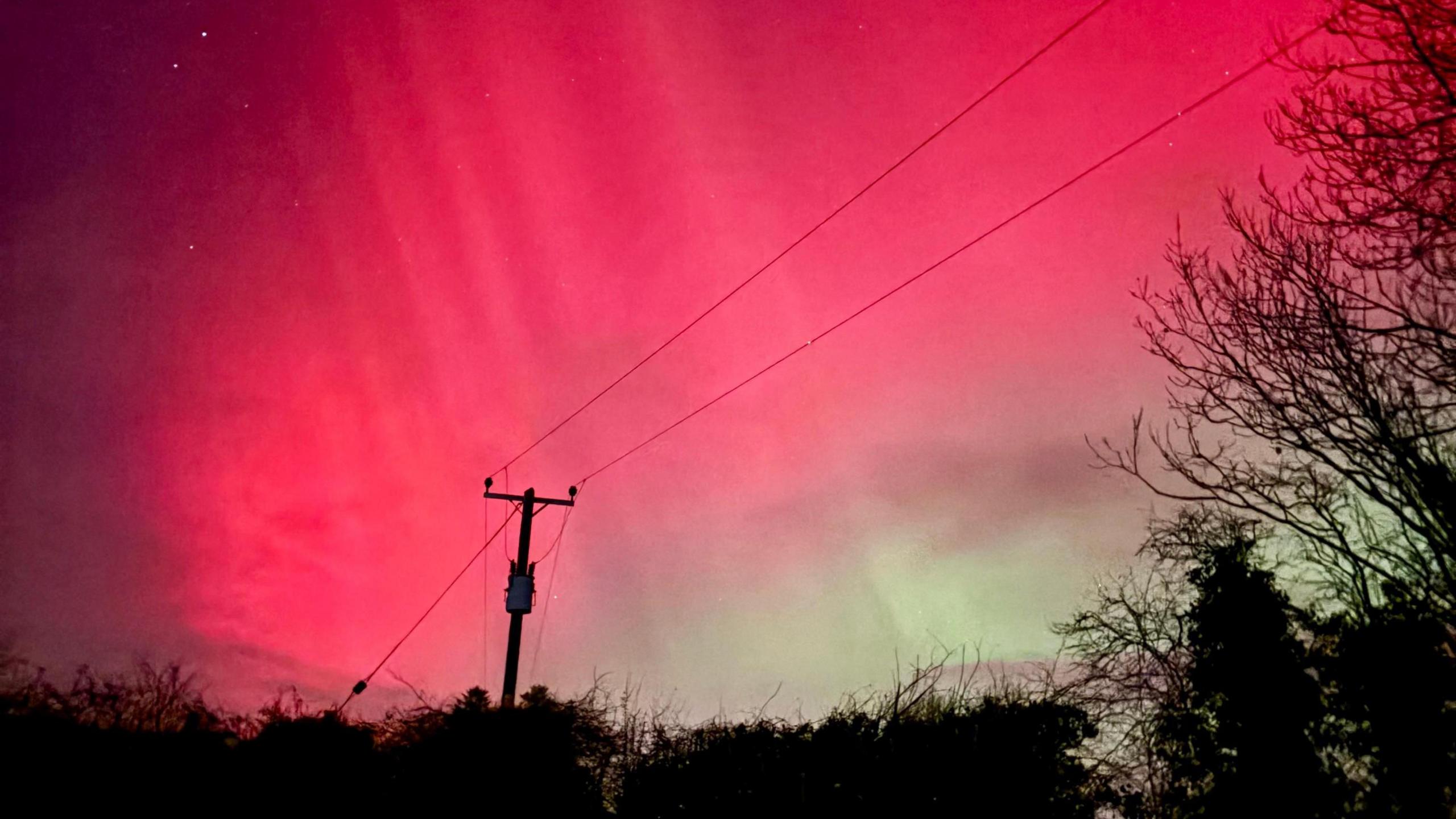
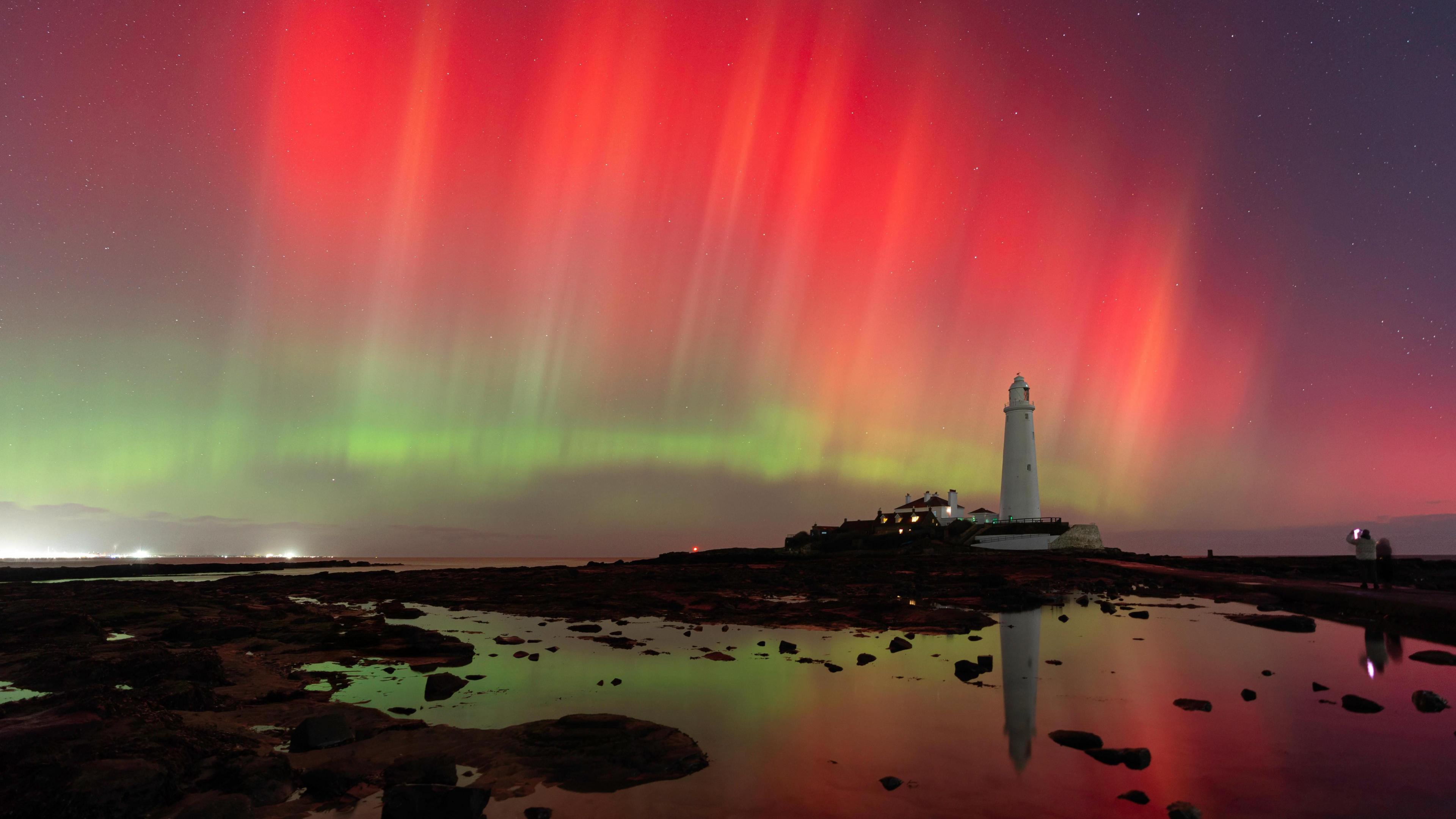
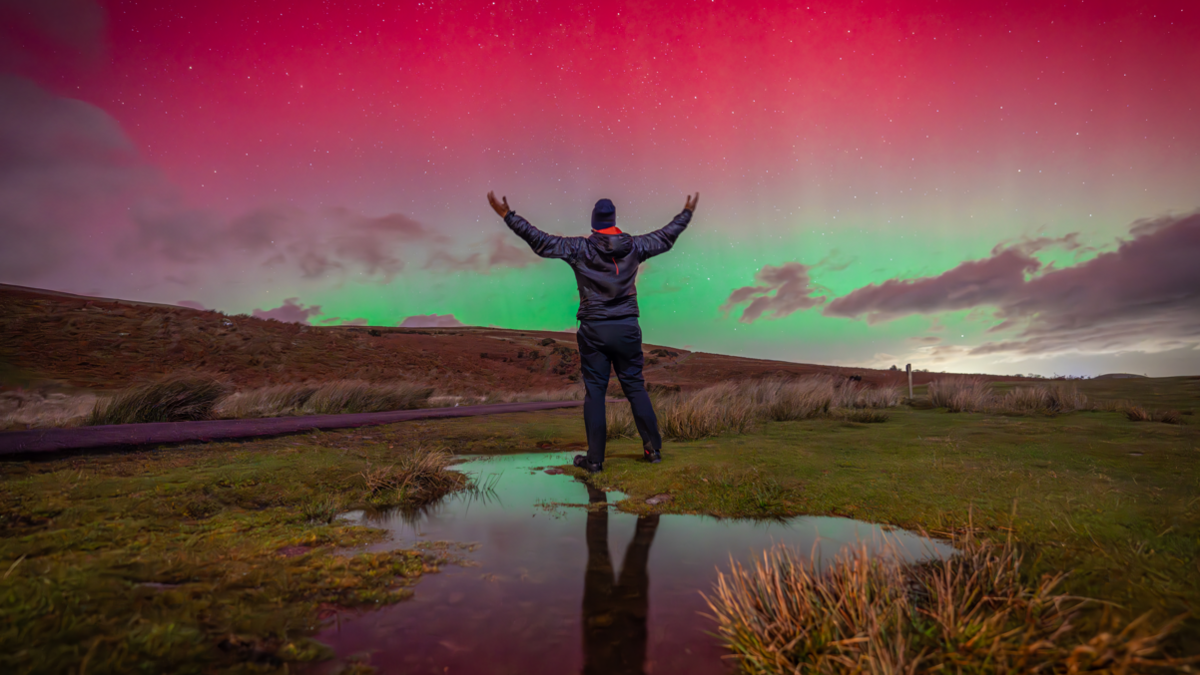
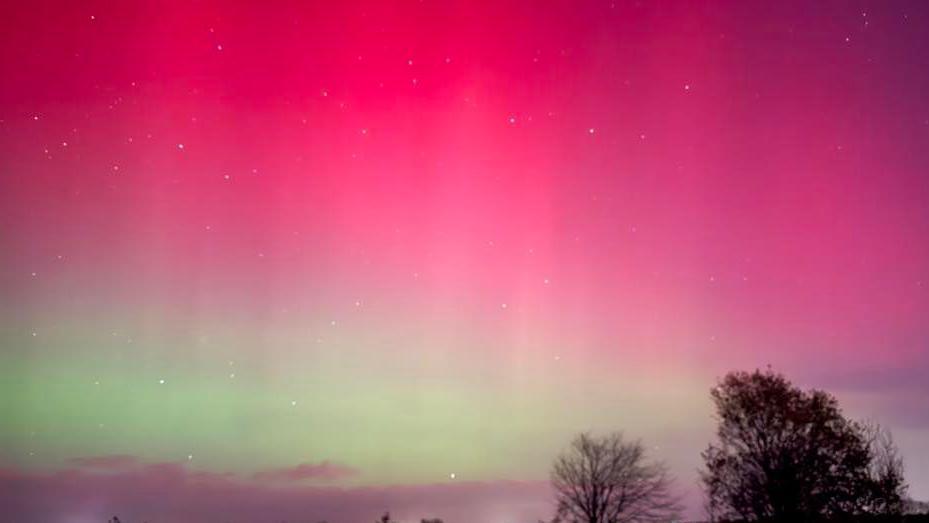
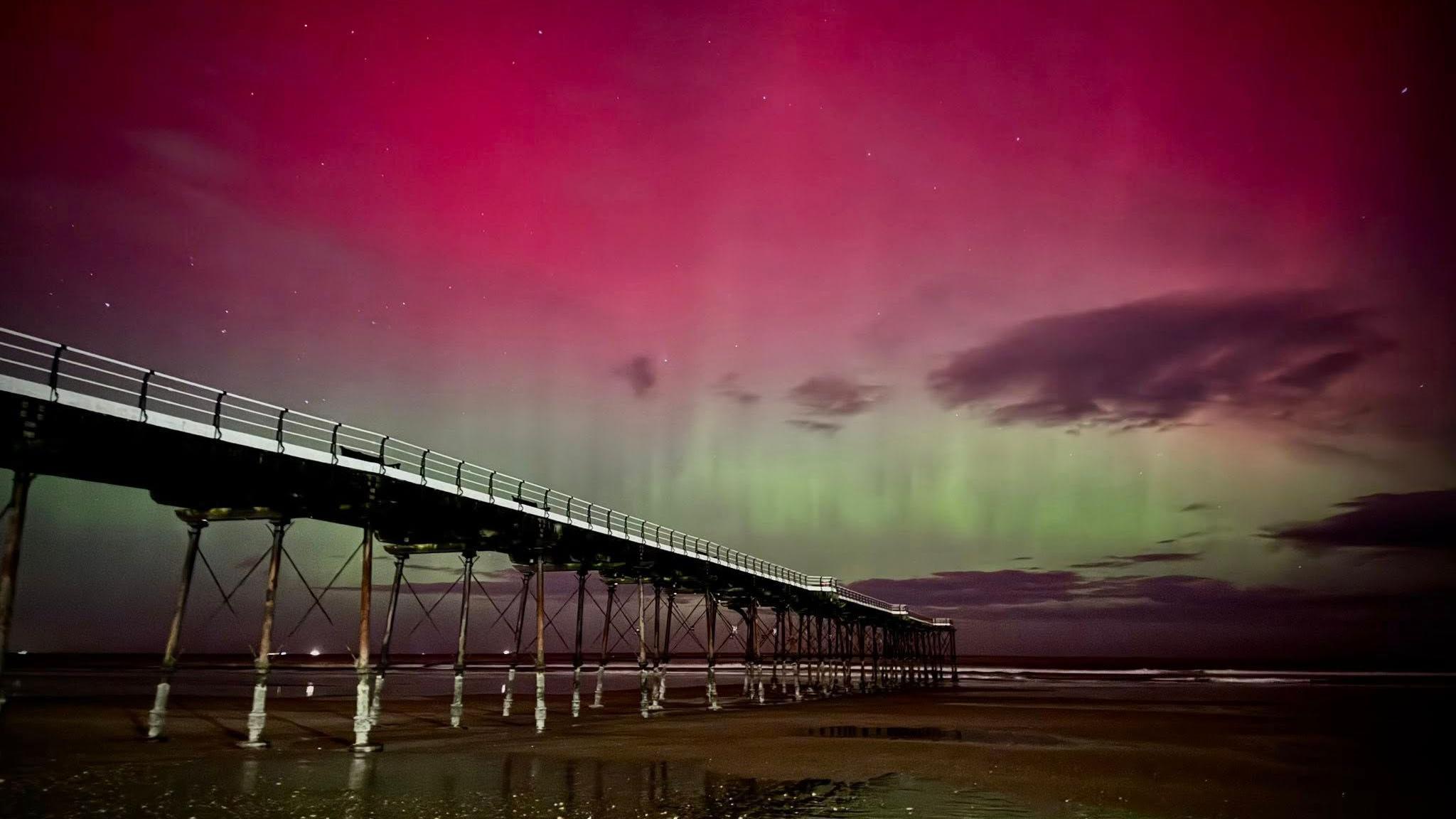
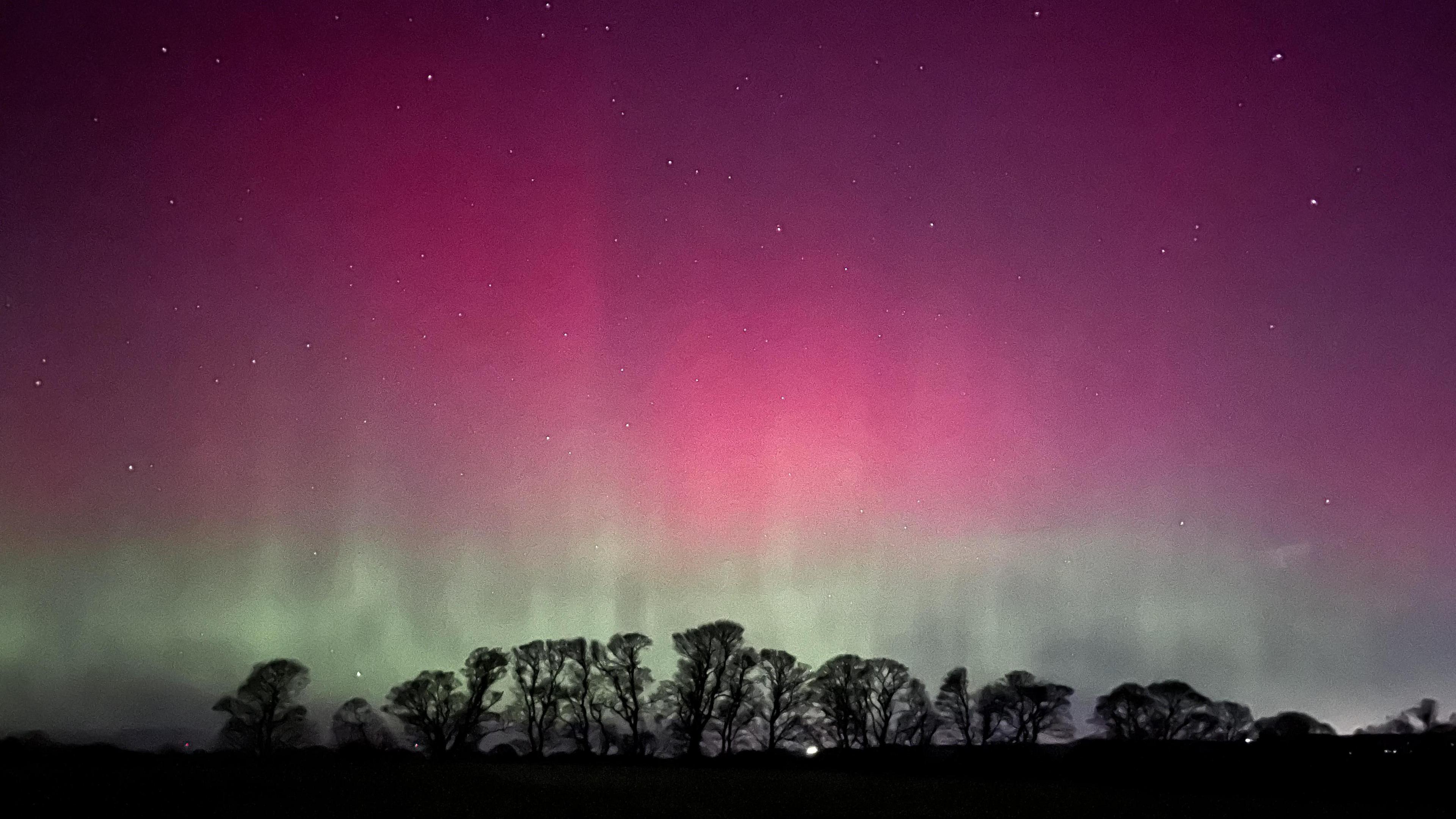
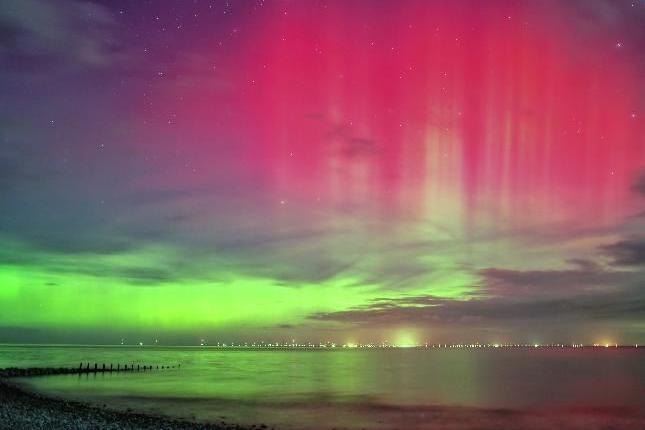
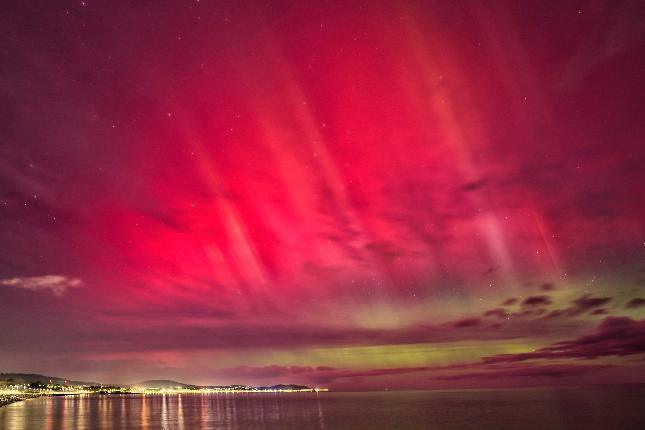
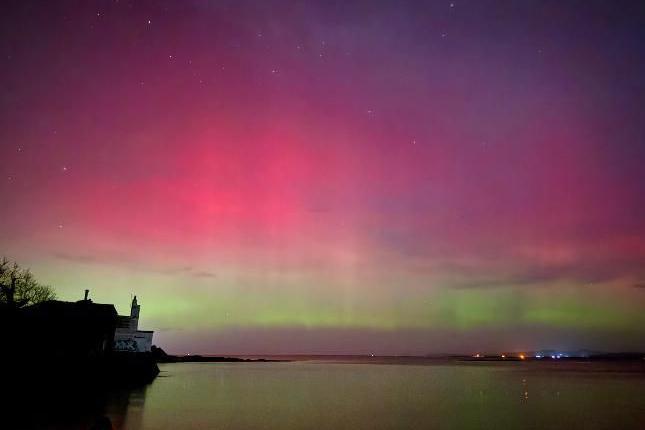
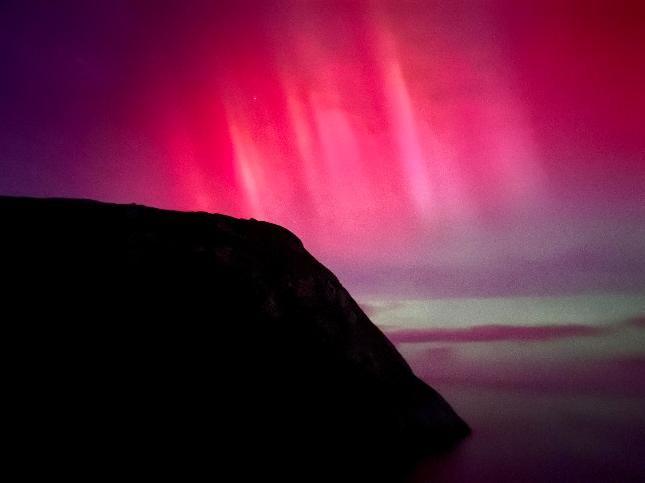
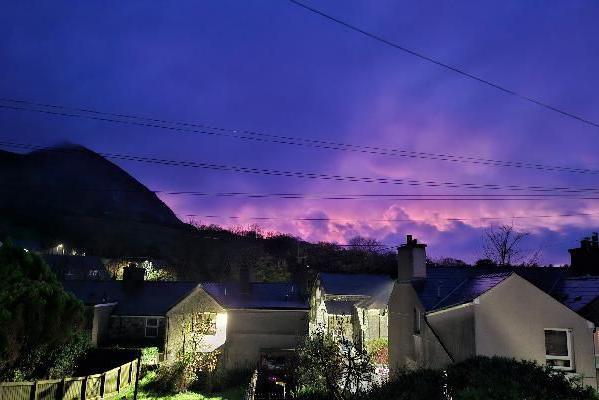
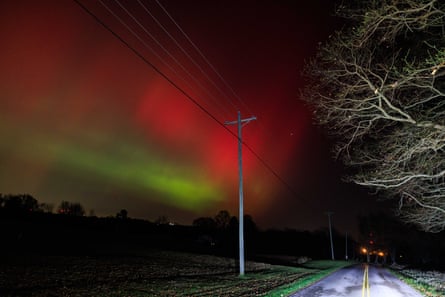
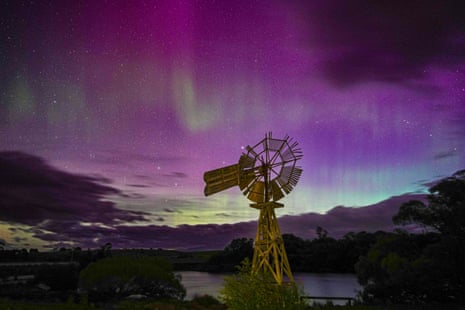
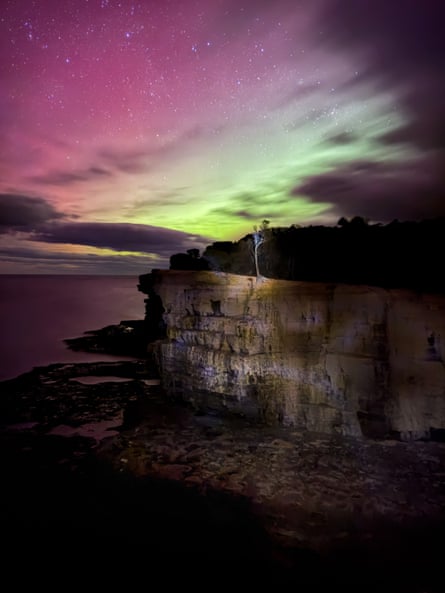
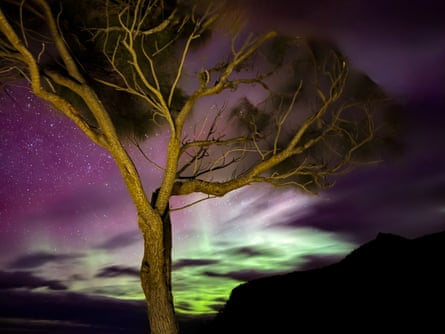
The Northern Lights, or Aurora Borealis, have recently captivated skywatchers across the UK, US, and parts of Australia and New Zealand, as a result of heightened solar activity. This stunning natural phenomenon, characterized by vibrant displays of pink, green, and purple hues, occurs when charged solar particles collide with gases in Earth's upper atmosphere.
Solar Activity and Geomagnetic Storms
The recent auroral displays are linked to a series of Coronal Mass Ejections (CMEs) from the Sun, which have been particularly active. The UK Met Office and the National Oceanic and Atmospheric Administration (NOAA) have both issued forecasts predicting continued auroral activity, although cloud cover may obscure views in some regions. In the UK, the best chances to witness the Northern Lights are in the northern half, with clear skies offering optimal viewing conditions.
Global Spectacle
Across the US, the aurora was visible in over a dozen states, from New York to California, as a powerful geomagnetic storm lit up the skies. NOAA's Space Weather Prediction Center reported G4 geomagnetic storm conditions, the second-highest on their scale, due to the fast-moving CMEs. Forecaster Shawn Dahl noted that the solar activity was stronger than anticipated, with a third CME expected to enhance the auroral displays further.
Impact of the "Cannibal" Solar Storm
In Australia and New Zealand, the aurora australis was visible, with the Bureau of Meteorology reporting similar G4 conditions. This was attributed to a "cannibal" solar storm, where one CME overtakes another, intensifying the geomagnetic effects. The British Geological Survey recorded the largest induced geoelectric field in the UK since 2012, highlighting the storm's impact.
Implications for Space Missions
The geomagnetic storm's intensity also affected space missions, with NASA postponing the launch of two Mars-bound spacecraft due to potential risks from the elevated solar activity. Blue Origin, responsible for the launch vehicle, confirmed the delay until conditions improve.
WHAT THIS MIGHT MEAN
As solar activity continues, the potential for further auroral displays remains high, offering more opportunities for skywatchers to witness this natural spectacle. However, the increased geomagnetic activity poses risks to technological infrastructure, including power grids and satellite operations. Experts emphasize the importance of monitoring space weather to mitigate these risks. Additionally, the postponement of NASA's mission underscores the need for adaptive planning in space exploration, as solar storms can significantly impact launch schedules and spacecraft safety.
Images from the Web
Related Articles

Canada and Australia Forge Strategic Partnership Amid Global Uncertainty
Saharan Dust to Illuminate UK Skies with Vivid Sunrises and Sunsets

Middle East Conflict Drives UK Energy Prices to New Highs

UK Reinforces Military Presence in Cyprus Amid Middle East Tensions

UK-Iran Tensions: Starmer Defends Cautious Approach Amid Trump Criticism

Diplomatic Tensions Rise as Trump Criticizes Starmer's Iran Policy
Spectacular Northern Lights Illuminate Skies Across the Globe Amid Solar Storm
In This Article
 Leila Hassan| Published
 HIGHLIGHTS
- The Northern Lights, or Aurora Borealis, were visible across the UK, US, and parts of Australia and New Zealand due to increased solar activity.
- The phenomenon is caused by solar particles interacting with Earth's atmosphere, with recent displays linked to Coronal Mass Ejections (CMEs).
- The UK Met Office and NOAA forecasted continued auroral activity, although cloud cover may affect visibility.
- A "cannibal" solar storm, where one CME overtakes another, intensified the auroral displays, reaching G4 geomagnetic storm conditions.
- In the US, the geomagnetic storm postponed NASA's Mars-bound spacecraft launch due to potential effects on the mission.
The Northern Lights, or Aurora Borealis, have recently captivated skywatchers across the UK, US, and parts of Australia and New Zealand, as a result of heightened solar activity. This stunning natural phenomenon, characterized by vibrant displays of pink, green, and purple hues, occurs when charged solar particles collide with gases in Earth's upper atmosphere.
Solar Activity and Geomagnetic Storms
The recent auroral displays are linked to a series of Coronal Mass Ejections (CMEs) from the Sun, which have been particularly active. The UK Met Office and the National Oceanic and Atmospheric Administration (NOAA) have both issued forecasts predicting continued auroral activity, although cloud cover may obscure views in some regions. In the UK, the best chances to witness the Northern Lights are in the northern half, with clear skies offering optimal viewing conditions.
Global Spectacle
Across the US, the aurora was visible in over a dozen states, from New York to California, as a powerful geomagnetic storm lit up the skies. NOAA's Space Weather Prediction Center reported G4 geomagnetic storm conditions, the second-highest on their scale, due to the fast-moving CMEs. Forecaster Shawn Dahl noted that the solar activity was stronger than anticipated, with a third CME expected to enhance the auroral displays further.
Impact of the "Cannibal" Solar Storm
In Australia and New Zealand, the aurora australis was visible, with the Bureau of Meteorology reporting similar G4 conditions. This was attributed to a "cannibal" solar storm, where one CME overtakes another, intensifying the geomagnetic effects. The British Geological Survey recorded the largest induced geoelectric field in the UK since 2012, highlighting the storm's impact.
Implications for Space Missions
The geomagnetic storm's intensity also affected space missions, with NASA postponing the launch of two Mars-bound spacecraft due to potential risks from the elevated solar activity. Blue Origin, responsible for the launch vehicle, confirmed the delay until conditions improve.
WHAT THIS MIGHT MEAN
As solar activity continues, the potential for further auroral displays remains high, offering more opportunities for skywatchers to witness this natural spectacle. However, the increased geomagnetic activity poses risks to technological infrastructure, including power grids and satellite operations. Experts emphasize the importance of monitoring space weather to mitigate these risks. Additionally, the postponement of NASA's mission underscores the need for adaptive planning in space exploration, as solar storms can significantly impact launch schedules and spacecraft safety.
Images from the Web
Related Articles
Canada and Australia Forge Strategic Partnership Amid Global Uncertainty
Saharan Dust to Illuminate UK Skies with Vivid Sunrises and Sunsets
Middle East Conflict Drives UK Energy Prices to New Highs
UK Reinforces Military Presence in Cyprus Amid Middle East Tensions
UK-Iran Tensions: Starmer Defends Cautious Approach Amid Trump Criticism
Diplomatic Tensions Rise as Trump Criticizes Starmer's Iran Policy