
Resignation of OBR Chief Sparks Concerns Over Fiscal Independence
In This Article
HIGHLIGHTS
- Richard Hughes resigned as head of the Office for Budget Responsibility (OBR) following the premature release of budget information.
- The resignation has sparked a search for a credible successor, amid concerns over the OBR's independence and its relationship with the UK Treasury.
- Rachel Reeves faces pressure to appoint a respected economist to maintain market confidence and uphold the OBR's credibility.
- The OBR's role in scoring government policies has been contentious, with debates over its impact on pro-growth initiatives.
- The OBR's independence is crucial, as highlighted by Bank of England Governor Andrew Bailey, who emphasized the importance of its unbiased economic forecasts.
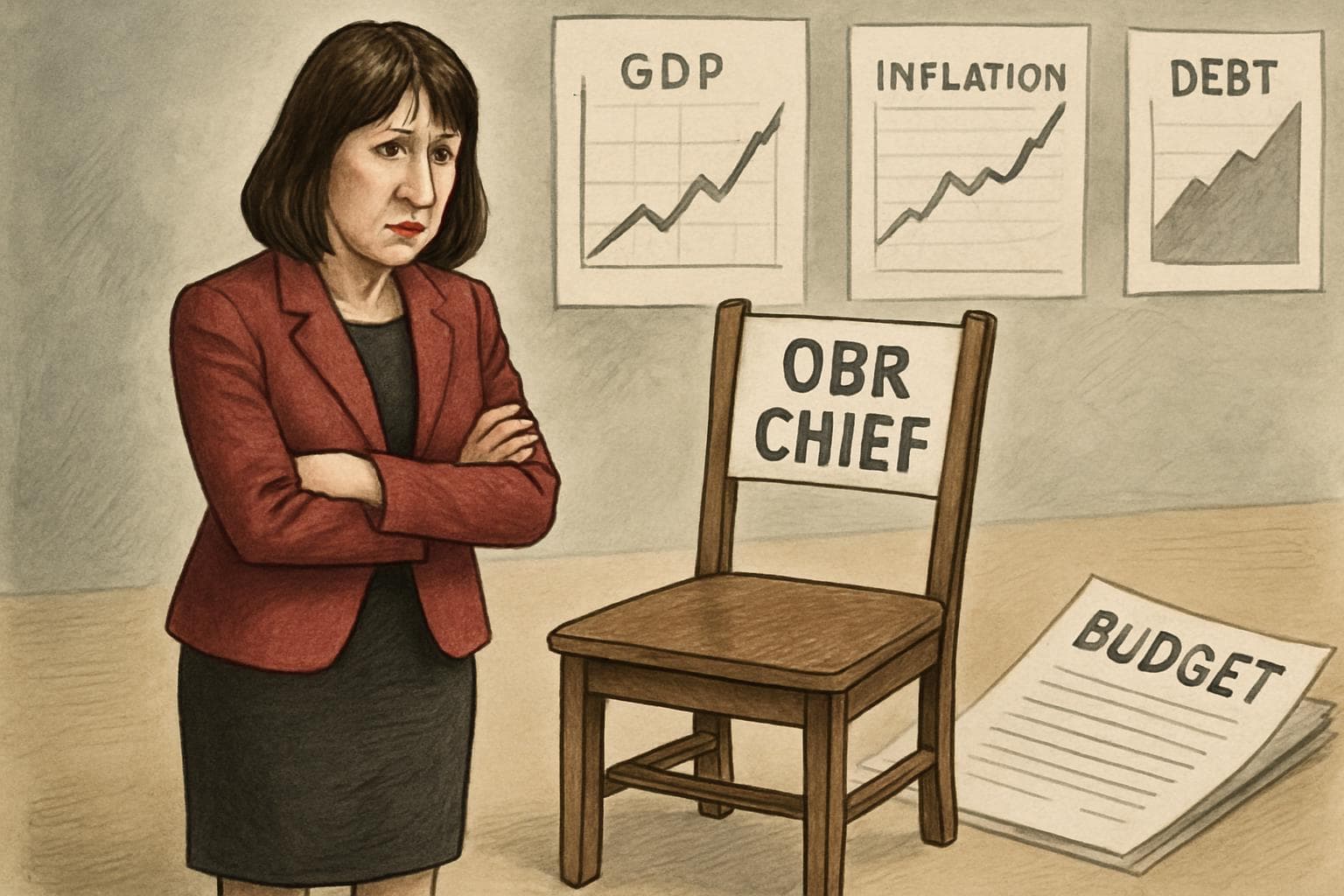
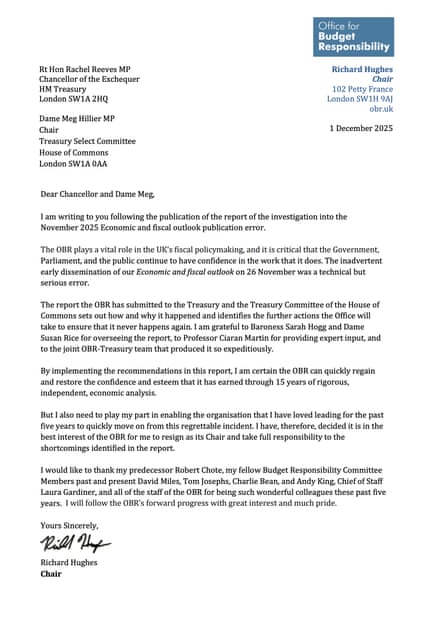
The unexpected resignation of Richard Hughes as head of the Office for Budget Responsibility (OBR) has ignited a debate over the future of the UK's fiscal watchdog and its independence. Hughes stepped down following the early release of budget information, a move that has left Chancellor Rachel Reeves with the challenging task of finding a suitable replacement.
The Search for a Successor
The departure of Hughes, a staunch advocate for the OBR's independence, has prompted a search for a credible economist to lead the organization. The OBR plays a critical role in assessing the UK's economic forecasts and fiscal policies, and any perceived political interference could undermine market confidence and potentially increase government borrowing costs. Reeves is under pressure to ensure that the new appointee maintains the OBR's reputation for impartiality.
Tensions Over Policy Scoring
Hughes's tenure was marked by tensions over the OBR's refusal to score certain government policies, particularly those labeled as "pro-growth." The watchdog's decision not to credit policies unless they significantly impacted the economy has been a point of contention. Rachel Reeves, in particular, has expressed frustration over the OBR's stance, arguing for the inclusion of initiatives like the "youth experience scheme" in its assessments.
Upholding Independence
The importance of the OBR's independence was underscored by Bank of England Governor Andrew Bailey, who stressed the need to remember the principles behind its establishment. The OBR's role in providing unbiased economic forecasts is seen as vital for maintaining fiscal credibility. Jonathan Portes, a former government adviser, echoed these sentiments, suggesting that Hughes's resignation could negatively impact the UK's fiscal governance.
WHAT THIS MIGHT MEAN
The resignation of Richard Hughes presents both challenges and opportunities for the UK government. The appointment of a new OBR chief will be closely scrutinized by markets and political observers alike. A credible successor could help restore confidence in the OBR's independence, while any perceived political influence could lead to increased borrowing costs and diminished fiscal credibility.
In the coming months, Rachel Reeves will need to navigate these complexities carefully. The OBR's role in shaping economic policy remains crucial, and its ability to provide independent assessments will be key to maintaining the UK's financial stability. As the search for a new leader continues, the government must balance political pressures with the need to uphold the integrity of its fiscal watchdog.
Images from the Web
Related Articles
UK Achieves Record Budget Surplus Amid Calls for Fiscal Policy Reform

Middle East Conflict Drives UK Energy Prices to New Highs
UK Inflation Drops to 3% in January, Sparking Interest Rate Cut Speculation

Breakthrough Drug Offers Hope for Children with Severe Epilepsy
Trump Raises Import Tariffs to 15% After Supreme Court Setback

Arrest of Andrew Mountbatten-Windsor Captured in Iconic Photograph
Resignation of OBR Chief Sparks Concerns Over Fiscal Independence
In This Article
 Daniel Rivera| Published
 HIGHLIGHTS
- Richard Hughes resigned as head of the Office for Budget Responsibility (OBR) following the premature release of budget information.
- The resignation has sparked a search for a credible successor, amid concerns over the OBR's independence and its relationship with the UK Treasury.
- Rachel Reeves faces pressure to appoint a respected economist to maintain market confidence and uphold the OBR's credibility.
- The OBR's role in scoring government policies has been contentious, with debates over its impact on pro-growth initiatives.
- The OBR's independence is crucial, as highlighted by Bank of England Governor Andrew Bailey, who emphasized the importance of its unbiased economic forecasts.
The unexpected resignation of Richard Hughes as head of the Office for Budget Responsibility (OBR) has ignited a debate over the future of the UK's fiscal watchdog and its independence. Hughes stepped down following the early release of budget information, a move that has left Chancellor Rachel Reeves with the challenging task of finding a suitable replacement.
The Search for a Successor
The departure of Hughes, a staunch advocate for the OBR's independence, has prompted a search for a credible economist to lead the organization. The OBR plays a critical role in assessing the UK's economic forecasts and fiscal policies, and any perceived political interference could undermine market confidence and potentially increase government borrowing costs. Reeves is under pressure to ensure that the new appointee maintains the OBR's reputation for impartiality.
Tensions Over Policy Scoring
Hughes's tenure was marked by tensions over the OBR's refusal to score certain government policies, particularly those labeled as "pro-growth." The watchdog's decision not to credit policies unless they significantly impacted the economy has been a point of contention. Rachel Reeves, in particular, has expressed frustration over the OBR's stance, arguing for the inclusion of initiatives like the "youth experience scheme" in its assessments.
Upholding Independence
The importance of the OBR's independence was underscored by Bank of England Governor Andrew Bailey, who stressed the need to remember the principles behind its establishment. The OBR's role in providing unbiased economic forecasts is seen as vital for maintaining fiscal credibility. Jonathan Portes, a former government adviser, echoed these sentiments, suggesting that Hughes's resignation could negatively impact the UK's fiscal governance.
WHAT THIS MIGHT MEAN
The resignation of Richard Hughes presents both challenges and opportunities for the UK government. The appointment of a new OBR chief will be closely scrutinized by markets and political observers alike. A credible successor could help restore confidence in the OBR's independence, while any perceived political influence could lead to increased borrowing costs and diminished fiscal credibility.
In the coming months, Rachel Reeves will need to navigate these complexities carefully. The OBR's role in shaping economic policy remains crucial, and its ability to provide independent assessments will be key to maintaining the UK's financial stability. As the search for a new leader continues, the government must balance political pressures with the need to uphold the integrity of its fiscal watchdog.
Images from the Web
Related Articles
UK Achieves Record Budget Surplus Amid Calls for Fiscal Policy Reform
Middle East Conflict Drives UK Energy Prices to New Highs
UK Inflation Drops to 3% in January, Sparking Interest Rate Cut Speculation
Breakthrough Drug Offers Hope for Children with Severe Epilepsy
Trump Raises Import Tariffs to 15% After Supreme Court Setback
Arrest of Andrew Mountbatten-Windsor Captured in Iconic Photograph