
Oil Prices Fluctuate Amid Israel-Iran Ceasefire Uncertainty
In This Article
HIGHLIGHTS
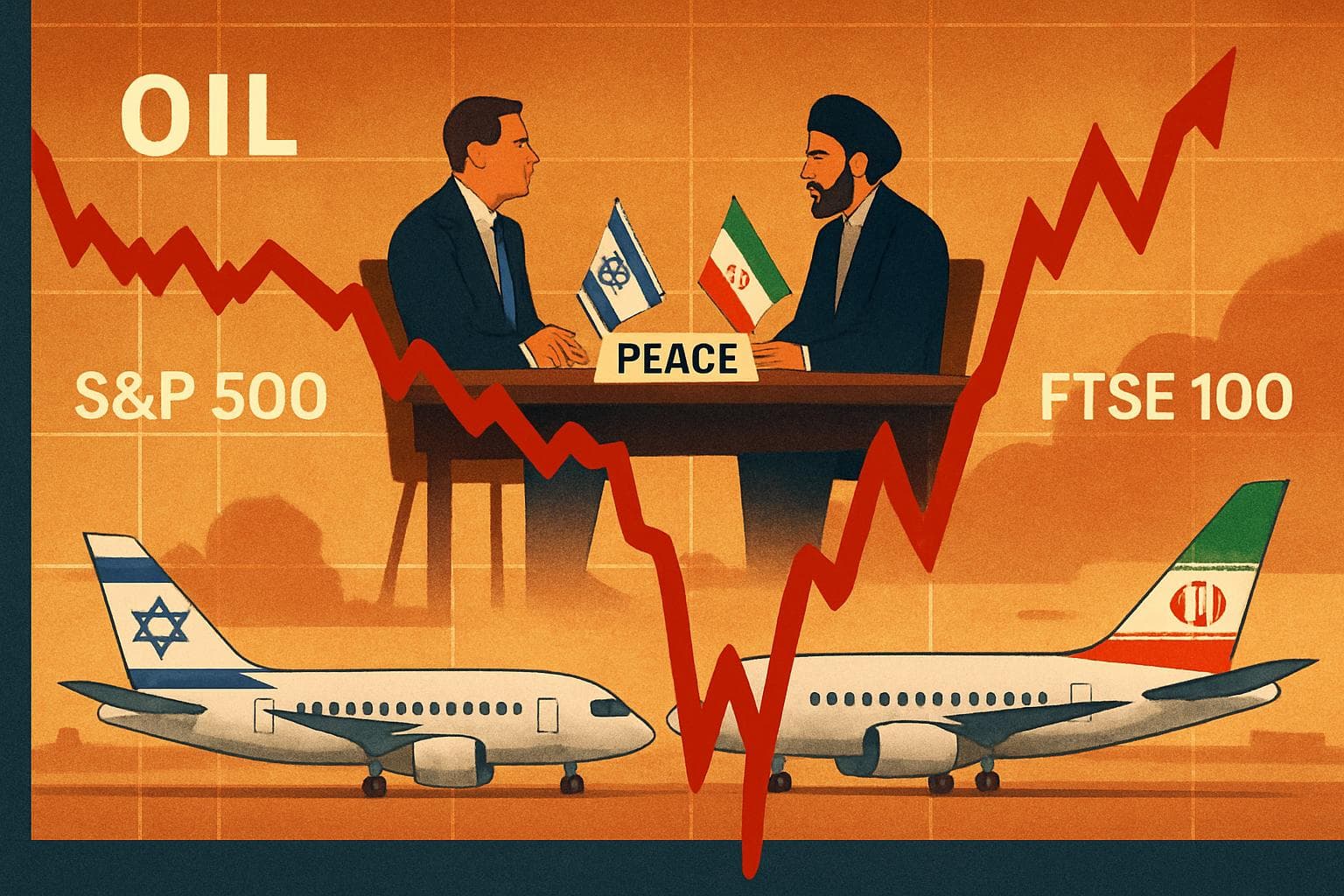
- Oil prices dropped by 5% after Israel and Iran agreed to a ceasefire, with Brent crude falling below $67 a barrel.
- The ceasefire announcement led to a rise in global stock markets, with significant gains in the US, UK, and European indices.
- Concerns remain over the ceasefire's stability, as both Israel and Iran have accused each other of violations.
- The Strait of Hormuz remains a critical point for global oil trade, with potential disruptions affecting energy prices worldwide.
- Airline stocks rose on ceasefire news, but some flights to the Middle East remain suspended due to safety concerns.
Oil prices experienced a significant drop on Tuesday following the announcement of a ceasefire between Israel and Iran, a development that has injected volatility into the global energy market. Brent crude, the international benchmark, fell by 5% to below $67 a barrel, though it later regained some ground, trading at $69.38 by the end of the day.
Ceasefire Announcement and Market Reactions
The ceasefire, declared by US President Donald Trump, was initially met with skepticism as both Israel and Iran accused each other of violations. Despite these tensions, global stock markets reacted positively. The S&P 500, Dow Jones Industrial Average, and Nasdaq all rose by over 1%, while Europe's FTSE 100 and Germany's Dax also saw gains. In Asia, Japan's Nikkei and Hong Kong's Hang Seng indices climbed as well.
Impact on Oil and Energy Prices
The conflict had previously driven oil prices to as high as $81 a barrel, raising concerns about increased costs for consumers and businesses. The Strait of Hormuz, a vital passage for global oil shipments, remains a focal point, with any potential blockade by Iran posing a threat to energy supplies. Priyanka Sachdeva, a senior market analyst at Phillip Nova, noted that the ceasefire's adherence would be crucial in stabilizing oil prices.
Airline Industry and Travel Stocks
The ceasefire news also buoyed airline and travel stocks, with companies like Air France KLM and British Airways owner IAG seeing increases between 2% and 10%. However, safety concerns persist, leading to the suspension of some flights to the Middle East. British Airways has halted flights to Doha until June 25, while Wizz Air has canceled flights to and from the UAE until June 30.
WHAT THIS MIGHT MEAN
The future of oil prices and global markets hinges on the durability of the Israel-Iran ceasefire. Should the truce hold, it could lead to a stabilization of energy prices and a return to normalcy in the global oil trade. However, any further escalations or breaches could reignite volatility, affecting not only energy costs but also broader economic conditions. Experts suggest closely monitoring the situation, as the geopolitical dynamics in the Middle East continue to play a pivotal role in shaping global economic trends.
Related Articles
Middle East Conflict Drives UK Energy Prices to New Highs

UK Faces Dilemmas Amid Iran Conflict and China Spying Allegations
Iran Postpones Khamenei Funeral Amid Escalating US-Israeli Strikes

US and Israel Intensify Military Campaign as Iran's Capabilities Dwindle
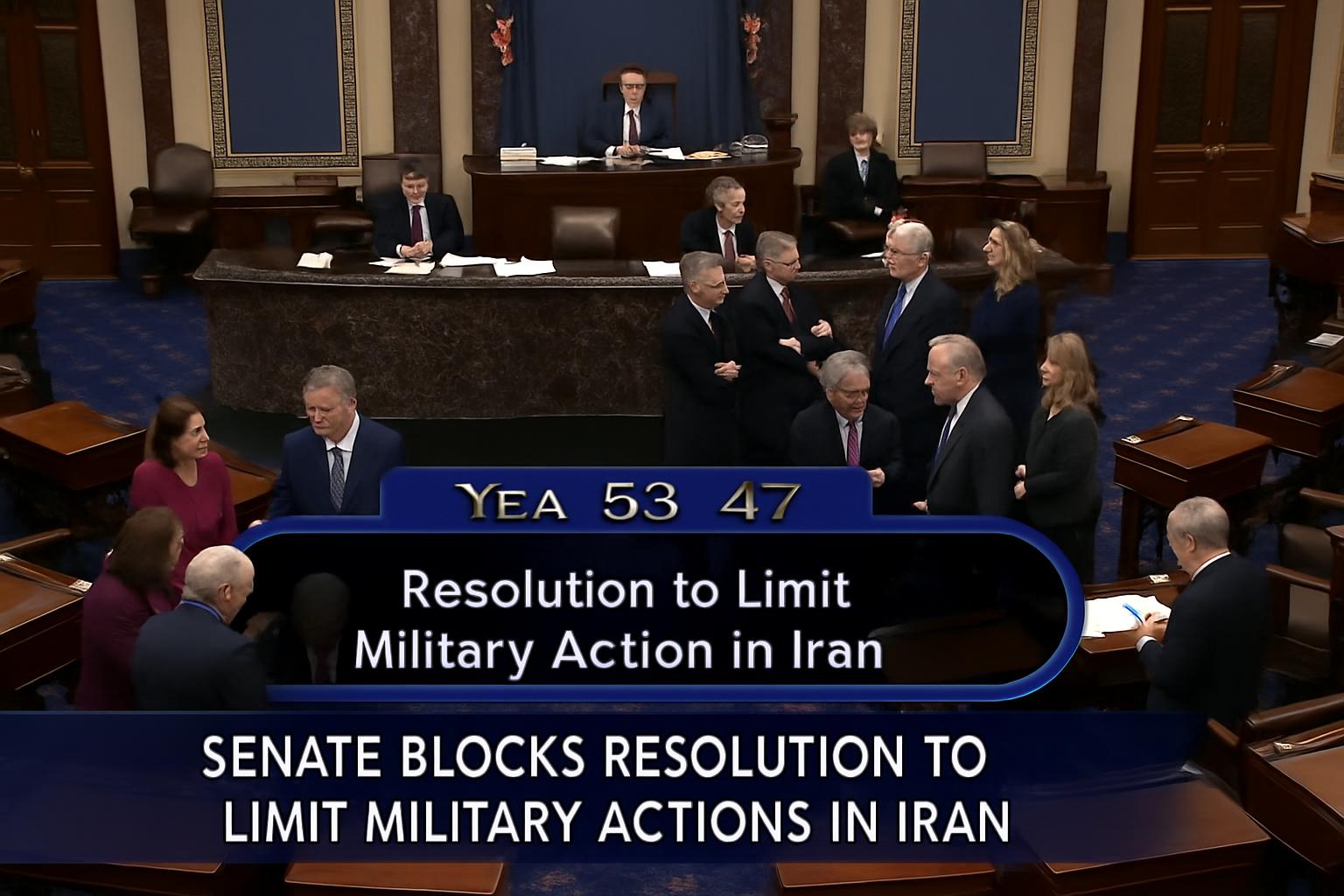
Senate Blocks Resolution to Limit Trump's Military Actions in Iran

Cuba Faces Widespread Blackout Amid Deepening Fuel Crisis
Oil Prices Fluctuate Amid Israel-Iran Ceasefire Uncertainty
In This Article
 James Okoro| Published
 HIGHLIGHTS
- Oil prices dropped by 5% after Israel and Iran agreed to a ceasefire, with Brent crude falling below $67 a barrel.
- The ceasefire announcement led to a rise in global stock markets, with significant gains in the US, UK, and European indices.
- Concerns remain over the ceasefire's stability, as both Israel and Iran have accused each other of violations.
- The Strait of Hormuz remains a critical point for global oil trade, with potential disruptions affecting energy prices worldwide.
- Airline stocks rose on ceasefire news, but some flights to the Middle East remain suspended due to safety concerns.
Oil prices experienced a significant drop on Tuesday following the announcement of a ceasefire between Israel and Iran, a development that has injected volatility into the global energy market. Brent crude, the international benchmark, fell by 5% to below $67 a barrel, though it later regained some ground, trading at $69.38 by the end of the day.
Ceasefire Announcement and Market Reactions
The ceasefire, declared by US President Donald Trump, was initially met with skepticism as both Israel and Iran accused each other of violations. Despite these tensions, global stock markets reacted positively. The S&P 500, Dow Jones Industrial Average, and Nasdaq all rose by over 1%, while Europe's FTSE 100 and Germany's Dax also saw gains. In Asia, Japan's Nikkei and Hong Kong's Hang Seng indices climbed as well.
Impact on Oil and Energy Prices
The conflict had previously driven oil prices to as high as $81 a barrel, raising concerns about increased costs for consumers and businesses. The Strait of Hormuz, a vital passage for global oil shipments, remains a focal point, with any potential blockade by Iran posing a threat to energy supplies. Priyanka Sachdeva, a senior market analyst at Phillip Nova, noted that the ceasefire's adherence would be crucial in stabilizing oil prices.
Airline Industry and Travel Stocks
The ceasefire news also buoyed airline and travel stocks, with companies like Air France KLM and British Airways owner IAG seeing increases between 2% and 10%. However, safety concerns persist, leading to the suspension of some flights to the Middle East. British Airways has halted flights to Doha until June 25, while Wizz Air has canceled flights to and from the UAE until June 30.
WHAT THIS MIGHT MEAN
The future of oil prices and global markets hinges on the durability of the Israel-Iran ceasefire. Should the truce hold, it could lead to a stabilization of energy prices and a return to normalcy in the global oil trade. However, any further escalations or breaches could reignite volatility, affecting not only energy costs but also broader economic conditions. Experts suggest closely monitoring the situation, as the geopolitical dynamics in the Middle East continue to play a pivotal role in shaping global economic trends.
Related Articles
Middle East Conflict Drives UK Energy Prices to New Highs
UK Faces Dilemmas Amid Iran Conflict and China Spying Allegations
Iran Postpones Khamenei Funeral Amid Escalating US-Israeli Strikes
US and Israel Intensify Military Campaign as Iran's Capabilities Dwindle
Senate Blocks Resolution to Limit Trump's Military Actions in Iran
Cuba Faces Widespread Blackout Amid Deepening Fuel Crisis