
Orbán Secures US Sanctions Exemption Amid Strategic Energy Deals
In This Article
HIGHLIGHTS
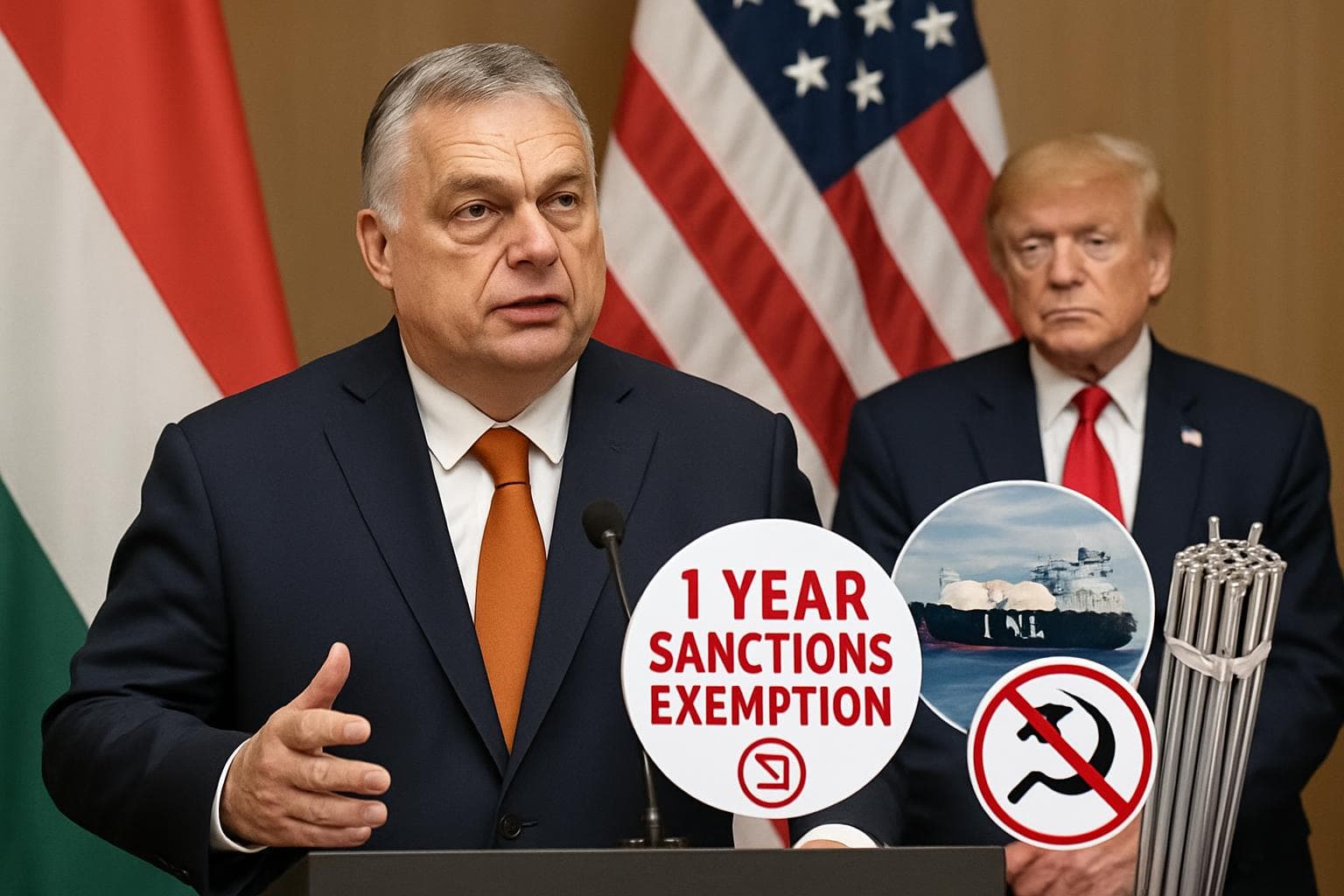
- Viktor Orbán secured a temporary exemption from US sanctions on Russian oil, gas, and nuclear supplies, aiding Hungary's energy needs.
- The US-Hungary deal includes Hungary purchasing $600 million worth of LNG from the US and nuclear fuel rods for $114 million.
- Orbán's visit to Washington highlighted his alignment with Trump, emphasizing Hungary's unique stance as a "modern Christian government."
- Hungary's energy company MOL is adapting refineries to process non-Russian crude, challenging Orbán's claim of dependency on Russian oil.
- The meeting underscored Hungary's strained relations with the EU over energy sanctions and its strategic pivot towards the US.
Hungarian Prime Minister Viktor Orbán's recent visit to Washington has yielded significant outcomes, including a temporary exemption from US sanctions on Russian oil, gas, and nuclear supplies. This development comes as Hungary grapples with energy challenges and seeks to bolster its strategic ties with the United States.
Energy Exemption and Strategic Deals
During his visit, Orbán achieved a key victory by securing a one-year exemption from US sanctions, allowing Hungary to continue importing Russian energy supplies. This exemption is crucial for Hungary, especially as it faces a challenging winter with potential spikes in utility bills. Orbán emphasized that without this relief, household energy costs could have tripled by December.
In exchange, Hungary has agreed to purchase $600 million worth of liquefied natural gas (LNG) from the US and nuclear fuel rods valued at $114 million for its Paks 1 nuclear power station. These deals signify a strategic pivot towards the US, as Hungary navigates its energy policy amidst European Union pressures to reduce dependency on Russian resources.
Political Dynamics and Diplomatic Flattery
The meeting also underscored Orbán's political alignment with former US President Donald Trump. Orbán, known for his illiberal policies, positioned Hungary as a "modern Christian government," contrasting it with what he described as liberal European administrations. This rhetoric resonated with Trump's base, highlighting a shared ideological stance.
Orbán's visit was marked by moments of diplomatic flattery, as he sought to strengthen ties with Trump and his administration. The Hungarian leader's interactions were designed to showcase a harmonious relationship, with Trump reciprocating by praising Orbán's leadership and Hungary's strategic importance.
Challenges and Adaptations in Energy Policy
Despite the exemption, Hungary's energy company MOL is actively upgrading its refineries to process non-Russian crude, challenging Orbán's narrative of dependency on Russian oil. The company announced that 80% of its oil needs could be met through imports via the Adria pipeline from Croatia, albeit with higher logistical costs.
This adaptation reflects Hungary's broader strategy to diversify its energy sources, even as it navigates tensions with the EU over energy sanctions. Hungary and Slovakia have collectively paid Russia $13 billion for oil since the full-scale invasion of Ukraine in 2022, highlighting the financial stakes involved.
WHAT THIS MIGHT MEAN
The temporary exemption from US sanctions provides Hungary with a crucial buffer as it prepares for the winter months. However, the one-year timeframe suggests that Hungary will need to continue diversifying its energy sources to mitigate future risks. The strategic energy deals with the US could pave the way for a more robust bilateral relationship, potentially influencing Hungary's foreign policy orientation.
Politically, Orbán's alignment with Trump and the MAGA movement may further strain Hungary's relations with the European Union, particularly as the EU seeks to tighten energy sanctions against Russia. This dynamic could lead to increased diplomatic tensions, with Hungary balancing its commitments to both the EU and its newfound US partnership.
As Hungary navigates these complex geopolitical landscapes, its energy policy and international alliances will remain critical factors in shaping its future economic and political trajectory.
Related Articles
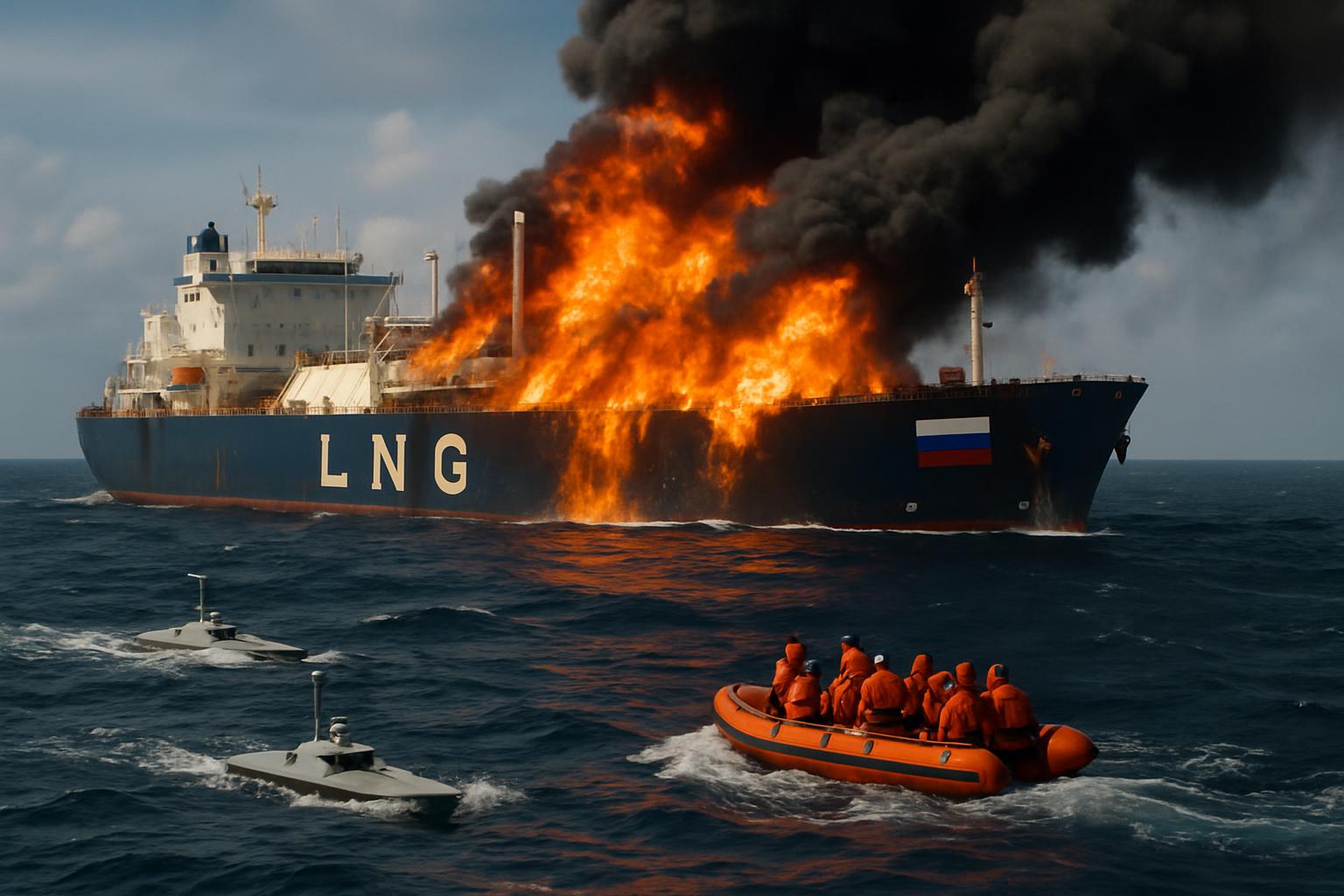
Russian LNG Tanker Sinks in Mediterranean Amid Accusations of Ukrainian Drone Attack
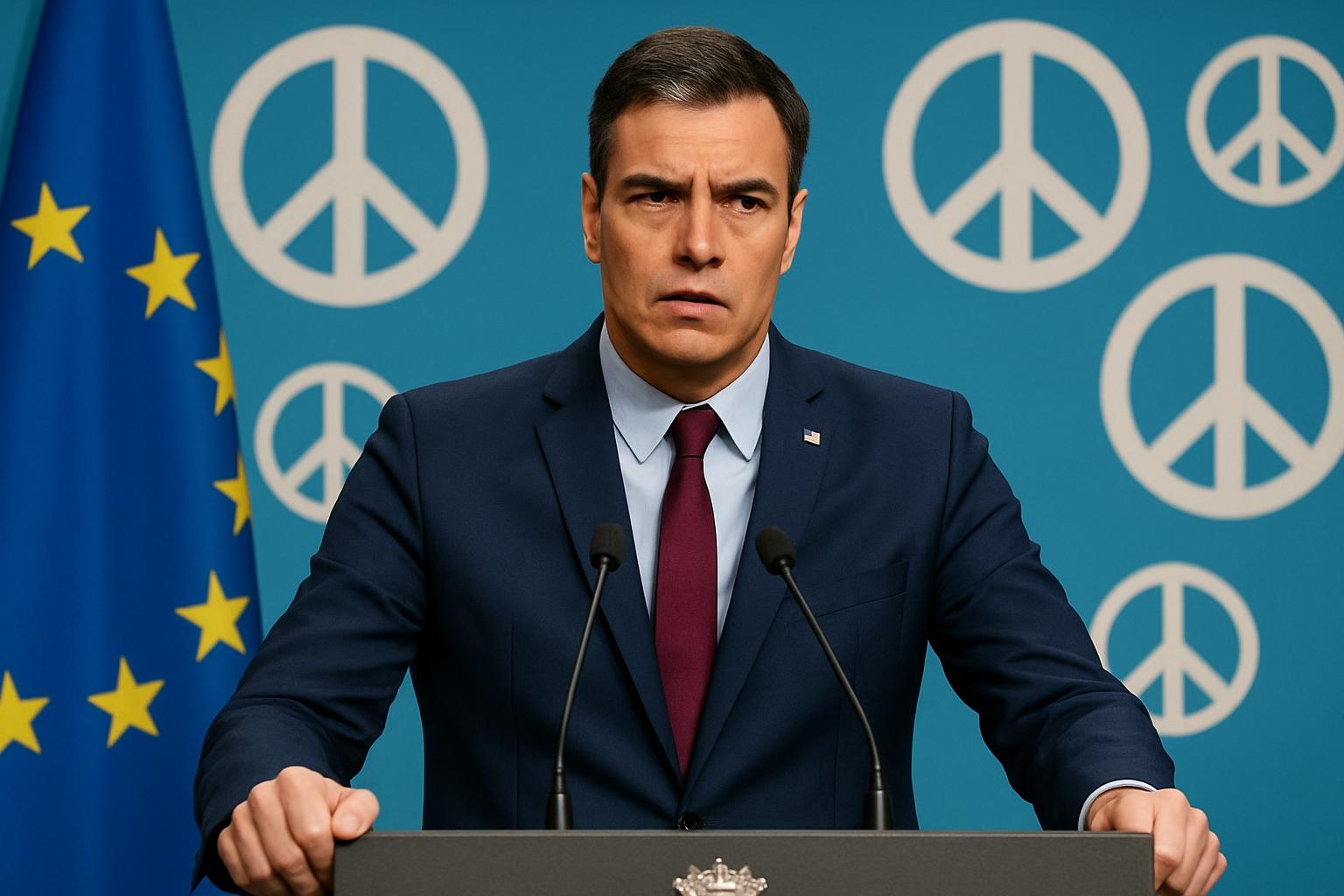
Spain's Sánchez Stands Firm Against Trump's Trade Threat Over Iran Stance

Senate Blocks Resolution to Limit Trump's Military Actions in Iran

Iran Postpones Khamenei Funeral Amid Escalating US-Israeli Strikes

Congress Subpoenas Attorney General Bondi in Epstein Investigation
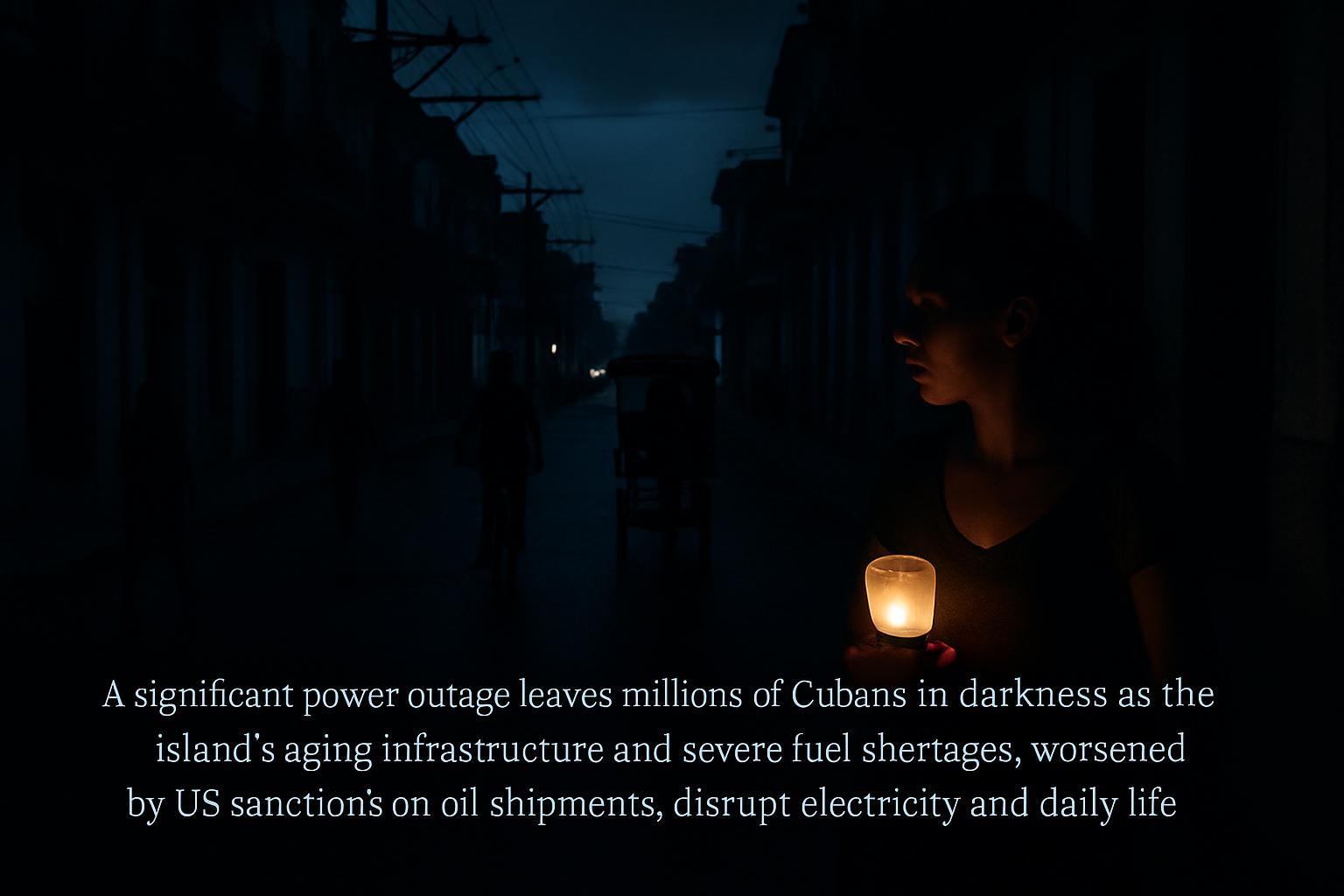
Cuba Faces Widespread Blackout Amid Deepening Fuel Crisis
Orbán Secures US Sanctions Exemption Amid Strategic Energy Deals
In This Article
 Ethan Brooks| Published
 HIGHLIGHTS
- Viktor Orbán secured a temporary exemption from US sanctions on Russian oil, gas, and nuclear supplies, aiding Hungary's energy needs.
- The US-Hungary deal includes Hungary purchasing $600 million worth of LNG from the US and nuclear fuel rods for $114 million.
- Orbán's visit to Washington highlighted his alignment with Trump, emphasizing Hungary's unique stance as a "modern Christian government."
- Hungary's energy company MOL is adapting refineries to process non-Russian crude, challenging Orbán's claim of dependency on Russian oil.
- The meeting underscored Hungary's strained relations with the EU over energy sanctions and its strategic pivot towards the US.
Hungarian Prime Minister Viktor Orbán's recent visit to Washington has yielded significant outcomes, including a temporary exemption from US sanctions on Russian oil, gas, and nuclear supplies. This development comes as Hungary grapples with energy challenges and seeks to bolster its strategic ties with the United States.
Energy Exemption and Strategic Deals
During his visit, Orbán achieved a key victory by securing a one-year exemption from US sanctions, allowing Hungary to continue importing Russian energy supplies. This exemption is crucial for Hungary, especially as it faces a challenging winter with potential spikes in utility bills. Orbán emphasized that without this relief, household energy costs could have tripled by December.
In exchange, Hungary has agreed to purchase $600 million worth of liquefied natural gas (LNG) from the US and nuclear fuel rods valued at $114 million for its Paks 1 nuclear power station. These deals signify a strategic pivot towards the US, as Hungary navigates its energy policy amidst European Union pressures to reduce dependency on Russian resources.
Political Dynamics and Diplomatic Flattery
The meeting also underscored Orbán's political alignment with former US President Donald Trump. Orbán, known for his illiberal policies, positioned Hungary as a "modern Christian government," contrasting it with what he described as liberal European administrations. This rhetoric resonated with Trump's base, highlighting a shared ideological stance.
Orbán's visit was marked by moments of diplomatic flattery, as he sought to strengthen ties with Trump and his administration. The Hungarian leader's interactions were designed to showcase a harmonious relationship, with Trump reciprocating by praising Orbán's leadership and Hungary's strategic importance.
Challenges and Adaptations in Energy Policy
Despite the exemption, Hungary's energy company MOL is actively upgrading its refineries to process non-Russian crude, challenging Orbán's narrative of dependency on Russian oil. The company announced that 80% of its oil needs could be met through imports via the Adria pipeline from Croatia, albeit with higher logistical costs.
This adaptation reflects Hungary's broader strategy to diversify its energy sources, even as it navigates tensions with the EU over energy sanctions. Hungary and Slovakia have collectively paid Russia $13 billion for oil since the full-scale invasion of Ukraine in 2022, highlighting the financial stakes involved.
WHAT THIS MIGHT MEAN
The temporary exemption from US sanctions provides Hungary with a crucial buffer as it prepares for the winter months. However, the one-year timeframe suggests that Hungary will need to continue diversifying its energy sources to mitigate future risks. The strategic energy deals with the US could pave the way for a more robust bilateral relationship, potentially influencing Hungary's foreign policy orientation.
Politically, Orbán's alignment with Trump and the MAGA movement may further strain Hungary's relations with the European Union, particularly as the EU seeks to tighten energy sanctions against Russia. This dynamic could lead to increased diplomatic tensions, with Hungary balancing its commitments to both the EU and its newfound US partnership.
As Hungary navigates these complex geopolitical landscapes, its energy policy and international alliances will remain critical factors in shaping its future economic and political trajectory.
Related Articles
Russian LNG Tanker Sinks in Mediterranean Amid Accusations of Ukrainian Drone Attack
Spain's Sánchez Stands Firm Against Trump's Trade Threat Over Iran Stance
Senate Blocks Resolution to Limit Trump's Military Actions in Iran
Iran Postpones Khamenei Funeral Amid Escalating US-Israeli Strikes
Congress Subpoenas Attorney General Bondi in Epstein Investigation
Cuba Faces Widespread Blackout Amid Deepening Fuel Crisis