
Osaka's Water Infrastructure Boosted by Anonymous Gold Donation

In This Article
HIGHLIGHTS
- Osaka received a 21kg gold bar donation worth $3.6 million from an anonymous donor to fix its ageing water system.
- The donation aims to address the city's deteriorating water pipes, which have caused over 90 leaks in the past fiscal year.
- Mayor Hideyuki Yokoyama expressed gratitude for the donation, highlighting the significant investment needed for water infrastructure renewal.
- More than 20% of Japan's water pipes have exceeded their legal service life, raising safety concerns.
- A recent sinkhole incident in Saitama, linked to a damaged sewer, has intensified efforts to replace corroded pipes across Japan.
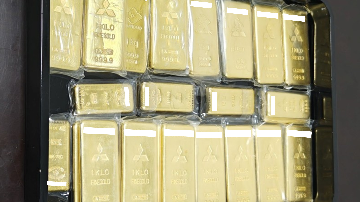
Osaka, Japan's third-largest city, has been the beneficiary of an extraordinary donation aimed at revitalizing its ageing water infrastructure. An anonymous donor has gifted the city 21 kilograms of gold bars, valued at approximately 560 million yen ($3.6 million), to address the pressing issue of deteriorating water pipes. This generous contribution was announced by Mayor Hideyuki Yokoyama during a press conference on Thursday.
A Timely Gift for a Pressing Issue
The city of Osaka, home to nearly three million residents, has been grappling with the challenges posed by its ageing water and sewage systems. In the fiscal year ending March 2025, the city recorded 92 instances of water pipe leaks, underscoring the urgent need for infrastructure renewal. "Tackling ageing water pipes requires a huge investment," Mayor Yokoyama stated, expressing his gratitude for the donation. The donor's previous contribution of 500,000 yen in cash further highlights their commitment to improving Osaka's waterworks.
Infrastructure Challenges Across Japan
Osaka's situation is not unique, as more than 20% of Japan's water pipes have surpassed their legal service life of 40 years. This has led to increased safety concerns, particularly following a tragic incident in Saitama Prefecture where a sinkhole, caused by a ruptured sewage pipe, claimed the life of a truck driver. Such events have prompted Japanese authorities to prioritize the replacement of corroded pipes, although budget constraints have hindered progress.
The Path Forward for Osaka
Eiji Kotani, an official from Osaka's waterworks bureau, emphasized the scale of the challenge, noting that the city needs to renew 160 miles (260 kilometers) of water pipes. The cost of replacing just a 1.2-mile segment is estimated at 500 million yen. The gold donation will be instrumental in advancing these efforts, ensuring that the city's infrastructure can meet the demands of its population.
WHAT THIS MIGHT MEAN
The anonymous donation to Osaka's waterworks could set a precedent for private contributions to public infrastructure projects in Japan. As cities across the country face similar challenges with ageing systems, this act of generosity may inspire other benefactors to step forward. However, the reliance on private donations highlights the need for sustainable funding solutions to address infrastructure renewal comprehensively.
In the political arena, this development may prompt discussions on increasing government investment in public infrastructure, especially in light of recent safety incidents. Experts suggest that a coordinated national strategy could be essential to ensure the long-term resilience of Japan's urban environments.
Images from the Web
Related Articles

US Supreme Court Ruling Sparks Trade Uncertainty in Asia and Beyond

Trump's New Tariff Strategy Sparks Global Trade Uncertainty
Japan Seizes Chinese Fishing Vessel Amid Rising Diplomatic Tensions
Japanese Stocks Surge as Takaichi Secures Historic Election Victory

Sanae Takaichi Secures Landslide Victory in Japan's Snap Election

Sanae Takaichi's Snap Election Gamble: Will Japan's First Female Prime Minister Secure a Landslide Victory?
Osaka's Water Infrastructure Boosted by Anonymous Gold Donation
In This Article
 Leila Hassan| Published
 HIGHLIGHTS
- Osaka received a 21kg gold bar donation worth $3.6 million from an anonymous donor to fix its ageing water system.
- The donation aims to address the city's deteriorating water pipes, which have caused over 90 leaks in the past fiscal year.
- Mayor Hideyuki Yokoyama expressed gratitude for the donation, highlighting the significant investment needed for water infrastructure renewal.
- More than 20% of Japan's water pipes have exceeded their legal service life, raising safety concerns.
- A recent sinkhole incident in Saitama, linked to a damaged sewer, has intensified efforts to replace corroded pipes across Japan.
Osaka, Japan's third-largest city, has been the beneficiary of an extraordinary donation aimed at revitalizing its ageing water infrastructure. An anonymous donor has gifted the city 21 kilograms of gold bars, valued at approximately 560 million yen ($3.6 million), to address the pressing issue of deteriorating water pipes. This generous contribution was announced by Mayor Hideyuki Yokoyama during a press conference on Thursday.
A Timely Gift for a Pressing Issue
The city of Osaka, home to nearly three million residents, has been grappling with the challenges posed by its ageing water and sewage systems. In the fiscal year ending March 2025, the city recorded 92 instances of water pipe leaks, underscoring the urgent need for infrastructure renewal. "Tackling ageing water pipes requires a huge investment," Mayor Yokoyama stated, expressing his gratitude for the donation. The donor's previous contribution of 500,000 yen in cash further highlights their commitment to improving Osaka's waterworks.
Infrastructure Challenges Across Japan
Osaka's situation is not unique, as more than 20% of Japan's water pipes have surpassed their legal service life of 40 years. This has led to increased safety concerns, particularly following a tragic incident in Saitama Prefecture where a sinkhole, caused by a ruptured sewage pipe, claimed the life of a truck driver. Such events have prompted Japanese authorities to prioritize the replacement of corroded pipes, although budget constraints have hindered progress.
The Path Forward for Osaka
Eiji Kotani, an official from Osaka's waterworks bureau, emphasized the scale of the challenge, noting that the city needs to renew 160 miles (260 kilometers) of water pipes. The cost of replacing just a 1.2-mile segment is estimated at 500 million yen. The gold donation will be instrumental in advancing these efforts, ensuring that the city's infrastructure can meet the demands of its population.
WHAT THIS MIGHT MEAN
The anonymous donation to Osaka's waterworks could set a precedent for private contributions to public infrastructure projects in Japan. As cities across the country face similar challenges with ageing systems, this act of generosity may inspire other benefactors to step forward. However, the reliance on private donations highlights the need for sustainable funding solutions to address infrastructure renewal comprehensively.
In the political arena, this development may prompt discussions on increasing government investment in public infrastructure, especially in light of recent safety incidents. Experts suggest that a coordinated national strategy could be essential to ensure the long-term resilience of Japan's urban environments.
Images from the Web
Related Articles
US Supreme Court Ruling Sparks Trade Uncertainty in Asia and Beyond
Trump's New Tariff Strategy Sparks Global Trade Uncertainty
Japan Seizes Chinese Fishing Vessel Amid Rising Diplomatic Tensions
Japanese Stocks Surge as Takaichi Secures Historic Election Victory
Sanae Takaichi Secures Landslide Victory in Japan's Snap Election
Sanae Takaichi's Snap Election Gamble: Will Japan's First Female Prime Minister Secure a Landslide Victory?