
Pakistan to Nominate Donald Trump for Nobel Peace Prize Amid Controversy
In This Article
HIGHLIGHTS
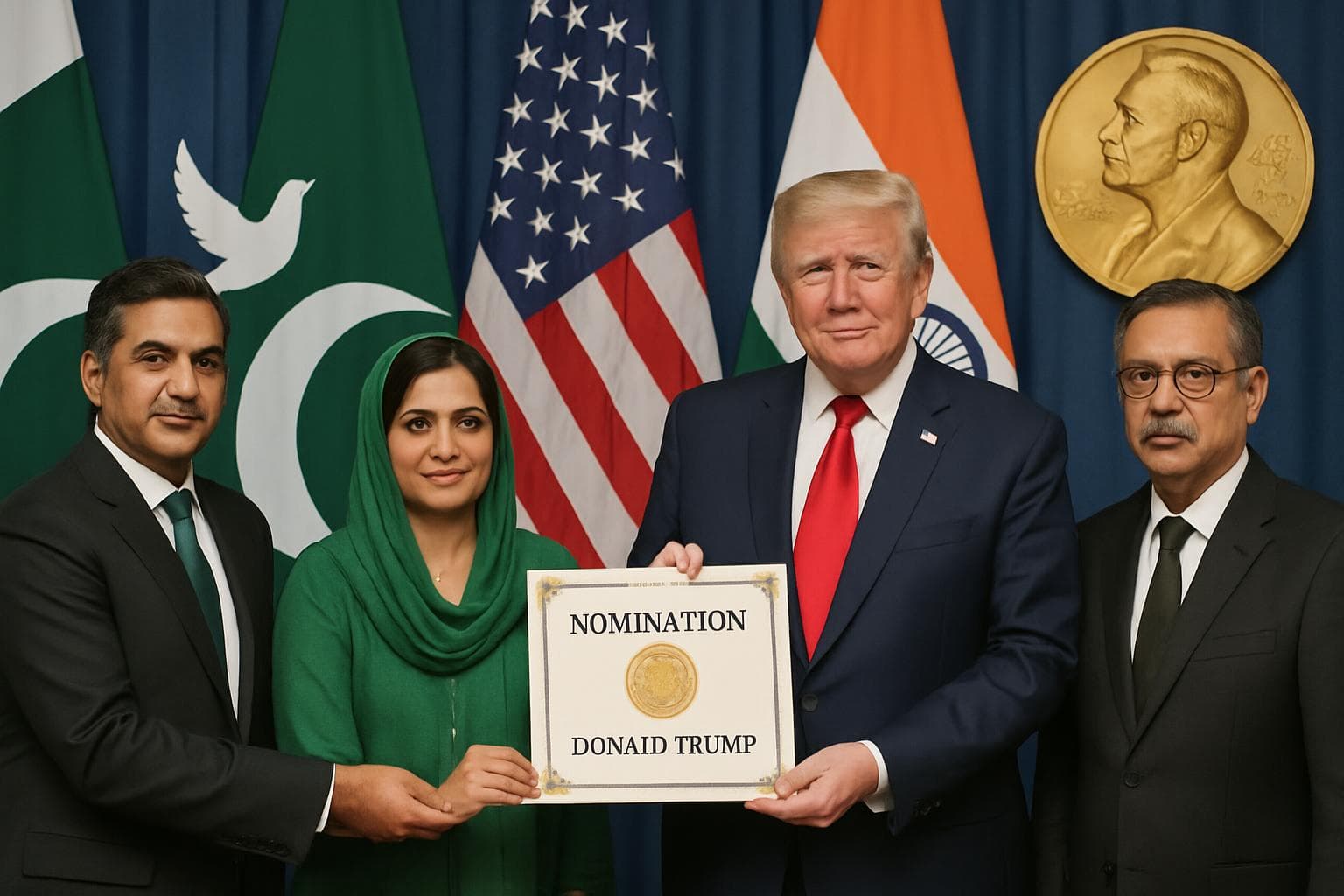
- Pakistan plans to nominate Donald Trump for the Nobel Peace Prize, citing his role in mediating a ceasefire between India and Pakistan.
- The US President announced a ceasefire in May, ending a four-day conflict between the nuclear-armed neighbors.
- India denies any third-party mediation, asserting the ceasefire was a bilateral military agreement.
- Trump's potential nomination has sparked mixed reactions in Pakistan, with some viewing it as a strategic move to bolster relations with the US.
- Trump has expressed skepticism about receiving the Nobel Peace Prize, despite claiming to have resolved multiple international conflicts.
Pakistan has announced its intention to nominate former US President Donald Trump for the Nobel Peace Prize, crediting him with playing a pivotal role in mediating a ceasefire between India and Pakistan earlier this year. The announcement, made on Saturday, highlights Trump's "strategic foresight and stellar statesmanship" in de-escalating tensions between the nuclear-armed neighbors, according to a statement from the Pakistani government.
In May, Trump made a surprise announcement of a ceasefire, which abruptly ended a four-day conflict between India and Pakistan. While Pakistan supports the narrative of US diplomatic intervention, India maintains that the ceasefire was a result of bilateral military discussions, denying any third-party mediation. Indian Prime Minister Narendra Modi reportedly made it clear to Trump that hostilities ceased only after Pakistan requested a ceasefire.
The move to nominate Trump has elicited varied responses within Pakistan. Mushahid Hussain, a former chair of the Senate Defence Committee, endorsed the nomination, stating, "Trump is good for Pakistan." However, others, like former ambassador Maleeha Lodhi, criticized the decision, citing Trump's controversial support for Israel's actions in Gaza and Iran.
Trump's own remarks on the matter reflect a mix of pride and skepticism. On social media, he listed various conflicts he claims to have resolved, including the India-Pakistan standoff and the Abraham Accords. Despite these claims, Trump expressed doubt about receiving the Nobel Peace Prize, stating, "No, I won’t get a Nobel Peace Prize no matter what I do."
The nomination comes amid warming relations between Pakistan and the US, marked by a recent meeting between Pakistan's army chief, Field Marshal Asim Munir, and Trump. This development has raised eyebrows in India, where concerns about the implications of closer US-Pakistan ties persist.
WHAT THIS MIGHT MEAN
The nomination of Donald Trump for the Nobel Peace Prize could have significant diplomatic implications. If successful, it may strengthen US-Pakistan relations, potentially altering the geopolitical dynamics in South Asia. However, India's firm stance against third-party mediation suggests that tensions could persist, particularly if the nomination is perceived as undermining India's sovereignty.
Experts suggest that the nomination could also impact Trump's political capital, both domestically and internationally. While it may bolster his reputation as a peacemaker among his supporters, critics may view it as an opportunistic move by Pakistan to curry favor with the US. As the Nobel Committee deliberates, the nomination serves as a reminder of the complex interplay between international diplomacy and domestic politics.
Related Articles
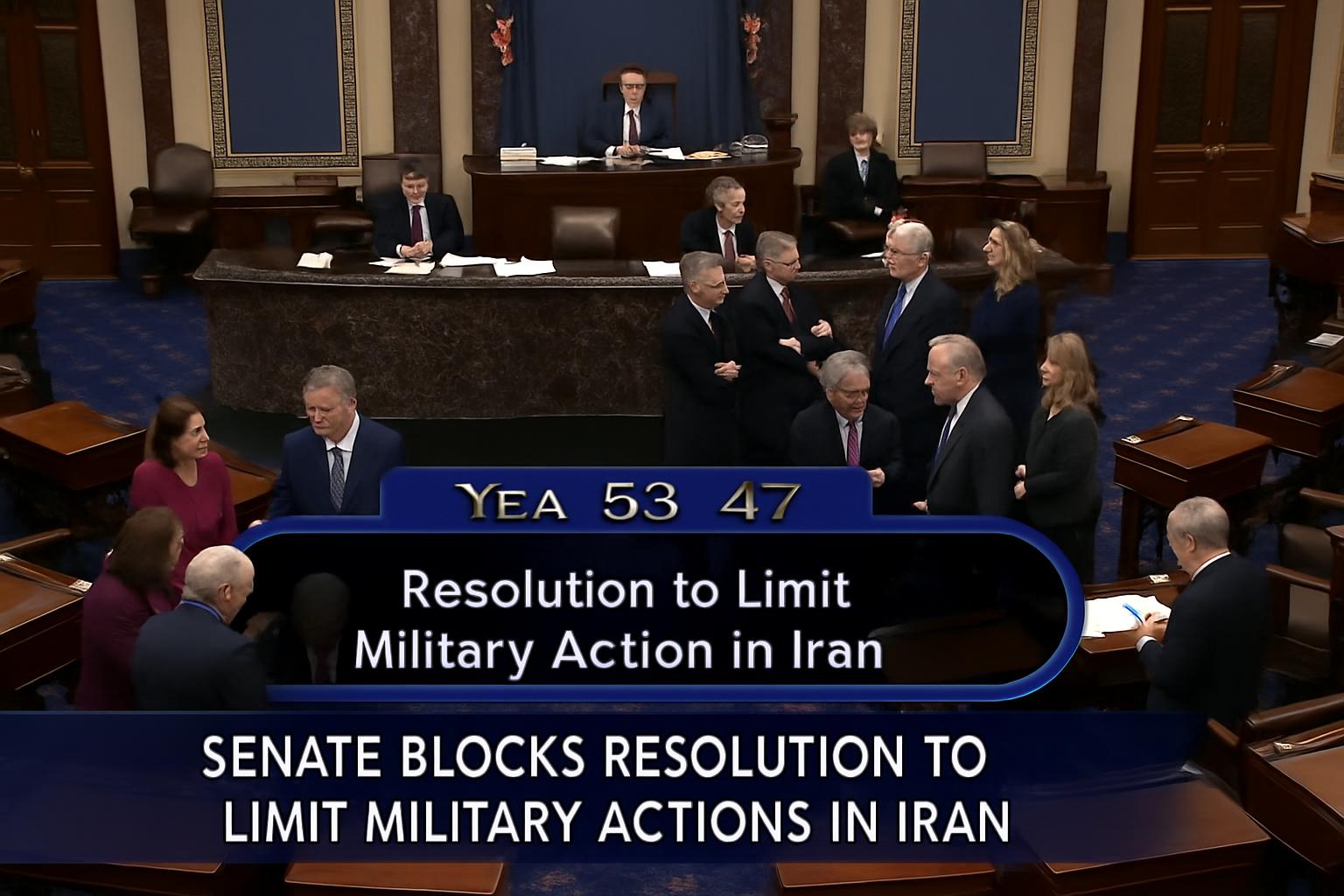
Senate Blocks Resolution to Limit Trump's Military Actions in Iran

UK Faces Dilemmas Amid Iran Conflict and China Spying Allegations

US and Israel Intensify Military Campaign as Iran's Capabilities Dwindle

Intensified US-Israel Strikes on Iran Spark Global Outcry
Spain's Sánchez Stands Firm Against Trump's Trade Threat Over Iran Stance
UK-Iran Tensions: Starmer Defends Cautious Approach Amid Trump Criticism
Pakistan to Nominate Donald Trump for Nobel Peace Prize Amid Controversy
In This Article
 Ethan Brooks| Published
 HIGHLIGHTS
- Pakistan plans to nominate Donald Trump for the Nobel Peace Prize, citing his role in mediating a ceasefire between India and Pakistan.
- The US President announced a ceasefire in May, ending a four-day conflict between the nuclear-armed neighbors.
- India denies any third-party mediation, asserting the ceasefire was a bilateral military agreement.
- Trump's potential nomination has sparked mixed reactions in Pakistan, with some viewing it as a strategic move to bolster relations with the US.
- Trump has expressed skepticism about receiving the Nobel Peace Prize, despite claiming to have resolved multiple international conflicts.
Pakistan has announced its intention to nominate former US President Donald Trump for the Nobel Peace Prize, crediting him with playing a pivotal role in mediating a ceasefire between India and Pakistan earlier this year. The announcement, made on Saturday, highlights Trump's "strategic foresight and stellar statesmanship" in de-escalating tensions between the nuclear-armed neighbors, according to a statement from the Pakistani government.
In May, Trump made a surprise announcement of a ceasefire, which abruptly ended a four-day conflict between India and Pakistan. While Pakistan supports the narrative of US diplomatic intervention, India maintains that the ceasefire was a result of bilateral military discussions, denying any third-party mediation. Indian Prime Minister Narendra Modi reportedly made it clear to Trump that hostilities ceased only after Pakistan requested a ceasefire.
The move to nominate Trump has elicited varied responses within Pakistan. Mushahid Hussain, a former chair of the Senate Defence Committee, endorsed the nomination, stating, "Trump is good for Pakistan." However, others, like former ambassador Maleeha Lodhi, criticized the decision, citing Trump's controversial support for Israel's actions in Gaza and Iran.
Trump's own remarks on the matter reflect a mix of pride and skepticism. On social media, he listed various conflicts he claims to have resolved, including the India-Pakistan standoff and the Abraham Accords. Despite these claims, Trump expressed doubt about receiving the Nobel Peace Prize, stating, "No, I won’t get a Nobel Peace Prize no matter what I do."
The nomination comes amid warming relations between Pakistan and the US, marked by a recent meeting between Pakistan's army chief, Field Marshal Asim Munir, and Trump. This development has raised eyebrows in India, where concerns about the implications of closer US-Pakistan ties persist.
WHAT THIS MIGHT MEAN
The nomination of Donald Trump for the Nobel Peace Prize could have significant diplomatic implications. If successful, it may strengthen US-Pakistan relations, potentially altering the geopolitical dynamics in South Asia. However, India's firm stance against third-party mediation suggests that tensions could persist, particularly if the nomination is perceived as undermining India's sovereignty.
Experts suggest that the nomination could also impact Trump's political capital, both domestically and internationally. While it may bolster his reputation as a peacemaker among his supporters, critics may view it as an opportunistic move by Pakistan to curry favor with the US. As the Nobel Committee deliberates, the nomination serves as a reminder of the complex interplay between international diplomacy and domestic politics.
Related Articles
Senate Blocks Resolution to Limit Trump's Military Actions in Iran
UK Faces Dilemmas Amid Iran Conflict and China Spying Allegations
US and Israel Intensify Military Campaign as Iran's Capabilities Dwindle
Intensified US-Israel Strikes on Iran Spark Global Outcry
Spain's Sánchez Stands Firm Against Trump's Trade Threat Over Iran Stance
UK-Iran Tensions: Starmer Defends Cautious Approach Amid Trump Criticism