
Pakistan's Monsoon Devastation: A Crisis of Climate and Governance
In This Article
HIGHLIGHTS
- Over 800 people have died in Pakistan due to monsoon rains since June, with Khyber Pakhtunkhwa being the worst-hit region.
- Flash floods and glacial lake outbursts have caused widespread destruction, displacing thousands and damaging infrastructure.
- The Pakistani government faces criticism for inadequate disaster management and allowing illegal construction in flood-prone areas.
- Climate change is exacerbating the frequency and intensity of monsoon rains, posing long-term challenges for Pakistan.
- Efforts to improve flood recovery and disaster management are underway, but significant obstacles remain.
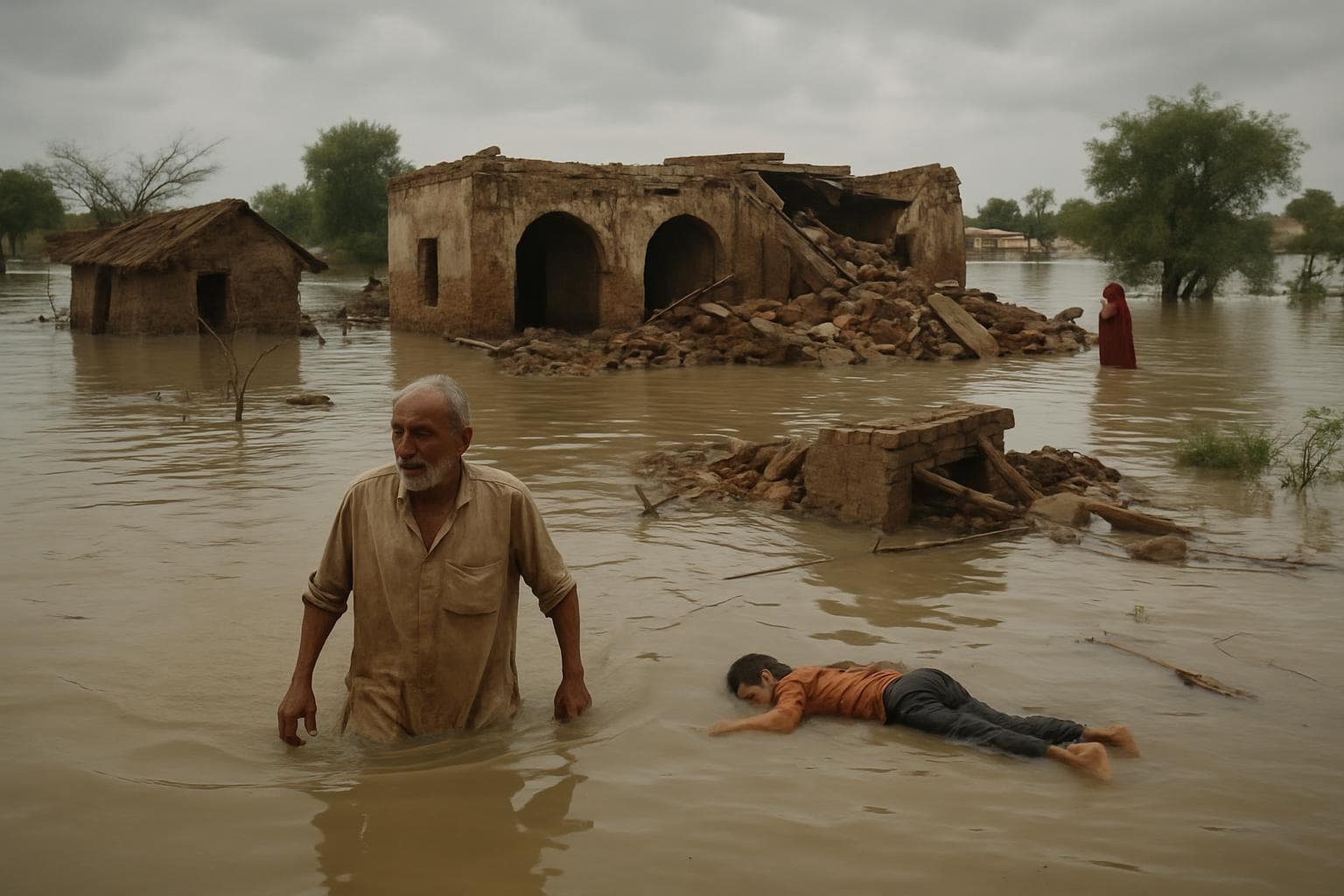
As Pakistan grapples with the aftermath of devastating monsoon rains, the toll on human life and infrastructure continues to mount. Since June, over 800 people have lost their lives, with the northern province of Khyber Pakhtunkhwa bearing the brunt of the disaster. The relentless rains have triggered flash floods and glacial lake outbursts, sweeping away homes, roads, and livelihoods.
Impact on Communities
In the village of Swabi, residents mourn the loss of two children, victims of a flash flood that obliterated several homes. "Why didn't the government warn us sooner?" lamented villagers, expressing anger over the lack of timely alerts and adequate rescue equipment. Despite the presence of emergency teams, logistical challenges have hampered relief efforts, leaving communities to fend for themselves.
A National Crisis
The Provincial Disaster Management Authority reports that Khyber Pakhtunkhwa has seen over 400 fatalities, with thousands of homes damaged. In Buner district alone, more than 200 people have perished. Prime Minister Shehbaz Sharif, during a visit to the area, described the situation as "Qayamat" or doomsday, urging the need for comprehensive flood preparedness policies.
Climate Change and Governance Challenges
Pakistan's vulnerability to climate change is starkly evident as monsoon rains intensify. Dr. Syed Faisal Saeed from the Pakistan Meteorological Department warns that these patterns will worsen in the coming decades. Despite contributing less than 1% to global greenhouse gas emissions, Pakistan faces severe consequences, a point of contention among its leaders.
Criticism has also been directed at the government for poor urban planning and allowing illegal construction in flood-prone areas. Residents in Swat have highlighted the issue, noting that even federal officials have been implicated in such practices. Climate Change Minister Musadik Malik has been tasked with developing strategies to mitigate future disasters, including improving drainage systems and halting unauthorized developments.
WHAT THIS MIGHT MEAN
As Pakistan confronts the immediate challenges of recovery, the long-term implications of climate change loom large. Experts suggest that without significant investment in infrastructure and disaster management, the country will continue to face catastrophic losses. The government's response, including policy reforms and international cooperation, will be crucial in building resilience against future monsoon seasons. However, overcoming bureaucratic inertia and ensuring accountability in governance remain significant hurdles. The global community's role in supporting Pakistan, both financially and technologically, could be pivotal in addressing these challenges.
Related Articles

Escalating Tensions: Suicide Bombing in Pakistan and Retaliatory Strikes in Afghanistan

Islamabad Suicide Bombing Kills 12 Amid Rising Tensions with Pakistan Taliban

Deadly Suicide Bombing at Islamabad Mosque Claims Over 30 Lives

Deadly Attacks in Balochistan Highlight Ongoing Insurgency

Sisters Tragically Drown at Eryri National Park's Watkin Path

Pakistan's Airstrikes on Afghanistan Escalate Cross-Border Tensions
Pakistan's Monsoon Devastation: A Crisis of Climate and Governance
In This Article
 Leila Hassan| Published
 HIGHLIGHTS
- Over 800 people have died in Pakistan due to monsoon rains since June, with Khyber Pakhtunkhwa being the worst-hit region.
- Flash floods and glacial lake outbursts have caused widespread destruction, displacing thousands and damaging infrastructure.
- The Pakistani government faces criticism for inadequate disaster management and allowing illegal construction in flood-prone areas.
- Climate change is exacerbating the frequency and intensity of monsoon rains, posing long-term challenges for Pakistan.
- Efforts to improve flood recovery and disaster management are underway, but significant obstacles remain.
As Pakistan grapples with the aftermath of devastating monsoon rains, the toll on human life and infrastructure continues to mount. Since June, over 800 people have lost their lives, with the northern province of Khyber Pakhtunkhwa bearing the brunt of the disaster. The relentless rains have triggered flash floods and glacial lake outbursts, sweeping away homes, roads, and livelihoods.
Impact on Communities
In the village of Swabi, residents mourn the loss of two children, victims of a flash flood that obliterated several homes. "Why didn't the government warn us sooner?" lamented villagers, expressing anger over the lack of timely alerts and adequate rescue equipment. Despite the presence of emergency teams, logistical challenges have hampered relief efforts, leaving communities to fend for themselves.
A National Crisis
The Provincial Disaster Management Authority reports that Khyber Pakhtunkhwa has seen over 400 fatalities, with thousands of homes damaged. In Buner district alone, more than 200 people have perished. Prime Minister Shehbaz Sharif, during a visit to the area, described the situation as "Qayamat" or doomsday, urging the need for comprehensive flood preparedness policies.
Climate Change and Governance Challenges
Pakistan's vulnerability to climate change is starkly evident as monsoon rains intensify. Dr. Syed Faisal Saeed from the Pakistan Meteorological Department warns that these patterns will worsen in the coming decades. Despite contributing less than 1% to global greenhouse gas emissions, Pakistan faces severe consequences, a point of contention among its leaders.
Criticism has also been directed at the government for poor urban planning and allowing illegal construction in flood-prone areas. Residents in Swat have highlighted the issue, noting that even federal officials have been implicated in such practices. Climate Change Minister Musadik Malik has been tasked with developing strategies to mitigate future disasters, including improving drainage systems and halting unauthorized developments.
WHAT THIS MIGHT MEAN
As Pakistan confronts the immediate challenges of recovery, the long-term implications of climate change loom large. Experts suggest that without significant investment in infrastructure and disaster management, the country will continue to face catastrophic losses. The government's response, including policy reforms and international cooperation, will be crucial in building resilience against future monsoon seasons. However, overcoming bureaucratic inertia and ensuring accountability in governance remain significant hurdles. The global community's role in supporting Pakistan, both financially and technologically, could be pivotal in addressing these challenges.
Related Articles
Escalating Tensions: Suicide Bombing in Pakistan and Retaliatory Strikes in Afghanistan
Islamabad Suicide Bombing Kills 12 Amid Rising Tensions with Pakistan Taliban
Deadly Suicide Bombing at Islamabad Mosque Claims Over 30 Lives
Deadly Attacks in Balochistan Highlight Ongoing Insurgency
Sisters Tragically Drown at Eryri National Park's Watkin Path
Pakistan's Airstrikes on Afghanistan Escalate Cross-Border Tensions