
Palestine Action Challenges Terrorism Ban in High Court
In This Article
HIGHLIGHTS
- Palestine Action, a group known for direct action protests, is challenging its ban as a terrorist organization in the High Court.
- Lawyers argue the ban is unprecedented and liken the group's actions to historical movements like the suffragettes.
- The ban, imposed by former Home Secretary Yvette Cooper, has led to over 2,100 arrests related to protests.
- Legal representatives claim the ban violates rights to freedom of expression and assembly under the European Convention on Human Rights.
- The outcome of the case could impact the legal status of thousands arrested for supporting Palestine Action.
Palestine Action, a group known for its direct action protests against UK defense firms, is contesting its classification as a terrorist organization in a High Court judicial review. The group, which has been likened to the suffragettes by its legal team, argues that the ban is a disproportionate response to their activities, which they claim are rooted in a long-standing tradition of civil disobedience.
Historical Comparisons and Legal Arguments
On the first day of the hearing, Raza Husain KC, representing Palestine Action's co-founder Huda Ammori, drew parallels between the group's actions and those of the suffragettes, suggesting that the latter would have faced similar proscription under current laws. Husain emphasized that the ban is unprecedented, noting that no other direct action group has been proscribed under terrorism legislation. The legal team argues that the ban infringes on rights to freedom of expression and assembly, as protected by the European Convention on Human Rights.
Government's Stance and Public Reaction
The ban, enacted by former Home Secretary Yvette Cooper, followed assessments that Palestine Action's activities caused significant damage to defense firms. Sir James Eadie KC, representing the current Home Secretary, contends that the ban effectively disrupted the group's escalating conduct without preventing protests supporting Palestinian causes. Despite this, the ban has resulted in over 2,100 arrests nationwide, primarily for individuals holding placards in support of Palestine Action.
Impact on Protest Rights
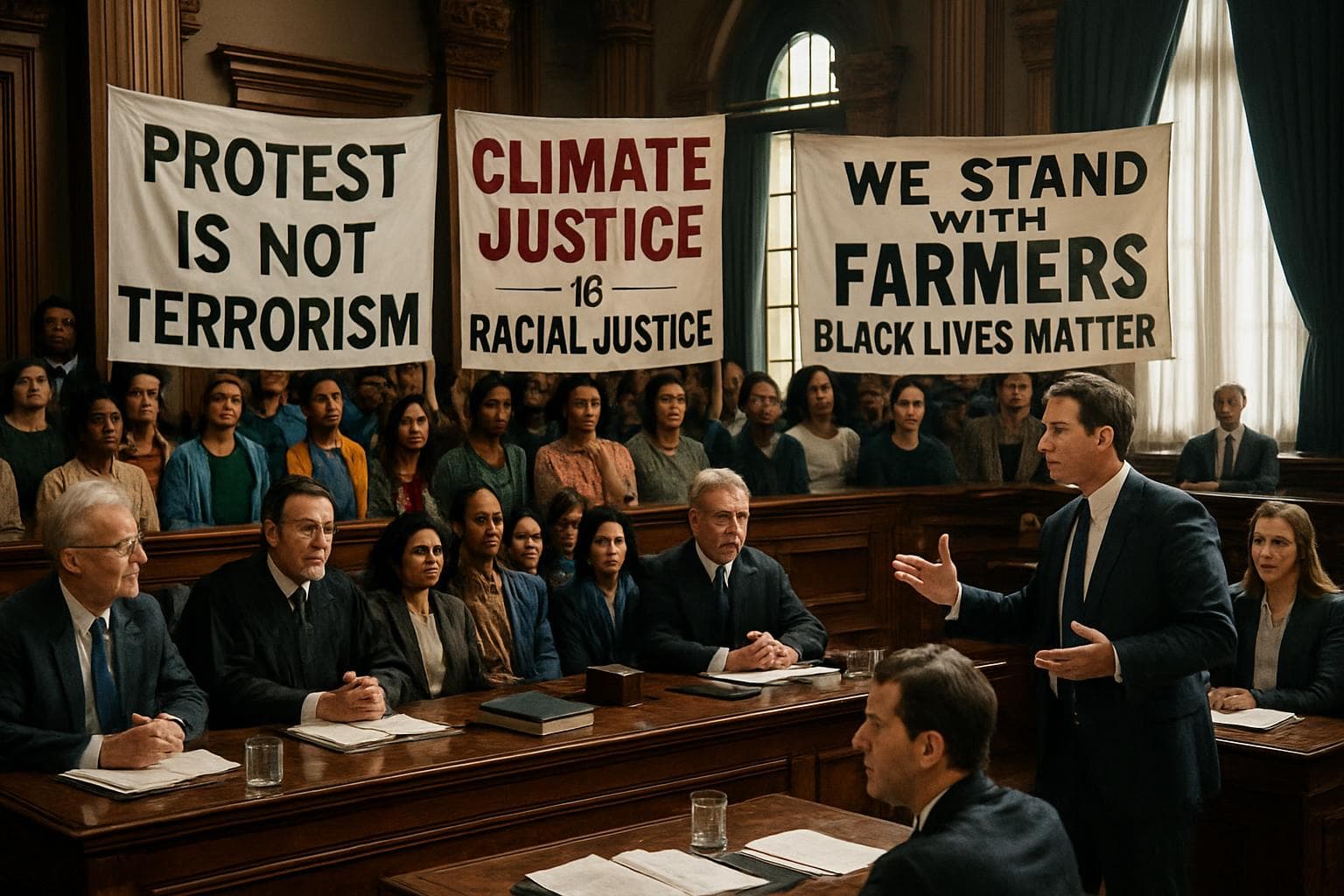
The case has drawn significant public attention, with around 200 people protesting outside the court. Many held signs stating, "I oppose genocide, I support Palestine Action," leading to several arrests. The legal challenge questions whether the ban's broad impact unjustly deters legitimate protest and whether the government adequately considered its proportionality.
WHAT THIS MIGHT MEAN
The High Court's decision on this case could set a significant precedent for how direct action groups are treated under UK terrorism laws. If the court rules in favor of Palestine Action, it may lead to a reassessment of the criteria used to classify organizations as terrorist entities, potentially affecting other protest groups. Conversely, if the ban is upheld, it could embolden the government to apply similar measures to other activist organizations, raising concerns about the balance between national security and civil liberties. Legal experts will be closely watching the outcome, as it may influence future interpretations of the European Convention on Human Rights in the context of protest and civil disobedience.
Related Articles
High Court Ruling Delays Trial of Pro-Palestine Activists
High Court Rules Palestine Action Ban Unlawful, Government to Appeal
UN Report: Sudan's El Fasher Siege Shows Genocide Hallmarks
British Couple's 10-Year Sentence in Iran Sparks Outcry
Supreme Court Ruling Expands Compensation for Children Injured at Birth
Allegations of Unlawful Reporting Methods in Stephen Lawrence Case Denied by Ex-Daily Mail Reporter
Palestine Action Challenges Terrorism Ban in High Court
In This Article
 Ethan Brooks| Published
 HIGHLIGHTS
- Palestine Action, a group known for direct action protests, is challenging its ban as a terrorist organization in the High Court.
- Lawyers argue the ban is unprecedented and liken the group's actions to historical movements like the suffragettes.
- The ban, imposed by former Home Secretary Yvette Cooper, has led to over 2,100 arrests related to protests.
- Legal representatives claim the ban violates rights to freedom of expression and assembly under the European Convention on Human Rights.
- The outcome of the case could impact the legal status of thousands arrested for supporting Palestine Action.
Palestine Action, a group known for its direct action protests against UK defense firms, is contesting its classification as a terrorist organization in a High Court judicial review. The group, which has been likened to the suffragettes by its legal team, argues that the ban is a disproportionate response to their activities, which they claim are rooted in a long-standing tradition of civil disobedience.
Historical Comparisons and Legal Arguments
On the first day of the hearing, Raza Husain KC, representing Palestine Action's co-founder Huda Ammori, drew parallels between the group's actions and those of the suffragettes, suggesting that the latter would have faced similar proscription under current laws. Husain emphasized that the ban is unprecedented, noting that no other direct action group has been proscribed under terrorism legislation. The legal team argues that the ban infringes on rights to freedom of expression and assembly, as protected by the European Convention on Human Rights.
Government's Stance and Public Reaction
The ban, enacted by former Home Secretary Yvette Cooper, followed assessments that Palestine Action's activities caused significant damage to defense firms. Sir James Eadie KC, representing the current Home Secretary, contends that the ban effectively disrupted the group's escalating conduct without preventing protests supporting Palestinian causes. Despite this, the ban has resulted in over 2,100 arrests nationwide, primarily for individuals holding placards in support of Palestine Action.
Impact on Protest Rights
The case has drawn significant public attention, with around 200 people protesting outside the court. Many held signs stating, "I oppose genocide, I support Palestine Action," leading to several arrests. The legal challenge questions whether the ban's broad impact unjustly deters legitimate protest and whether the government adequately considered its proportionality.
WHAT THIS MIGHT MEAN
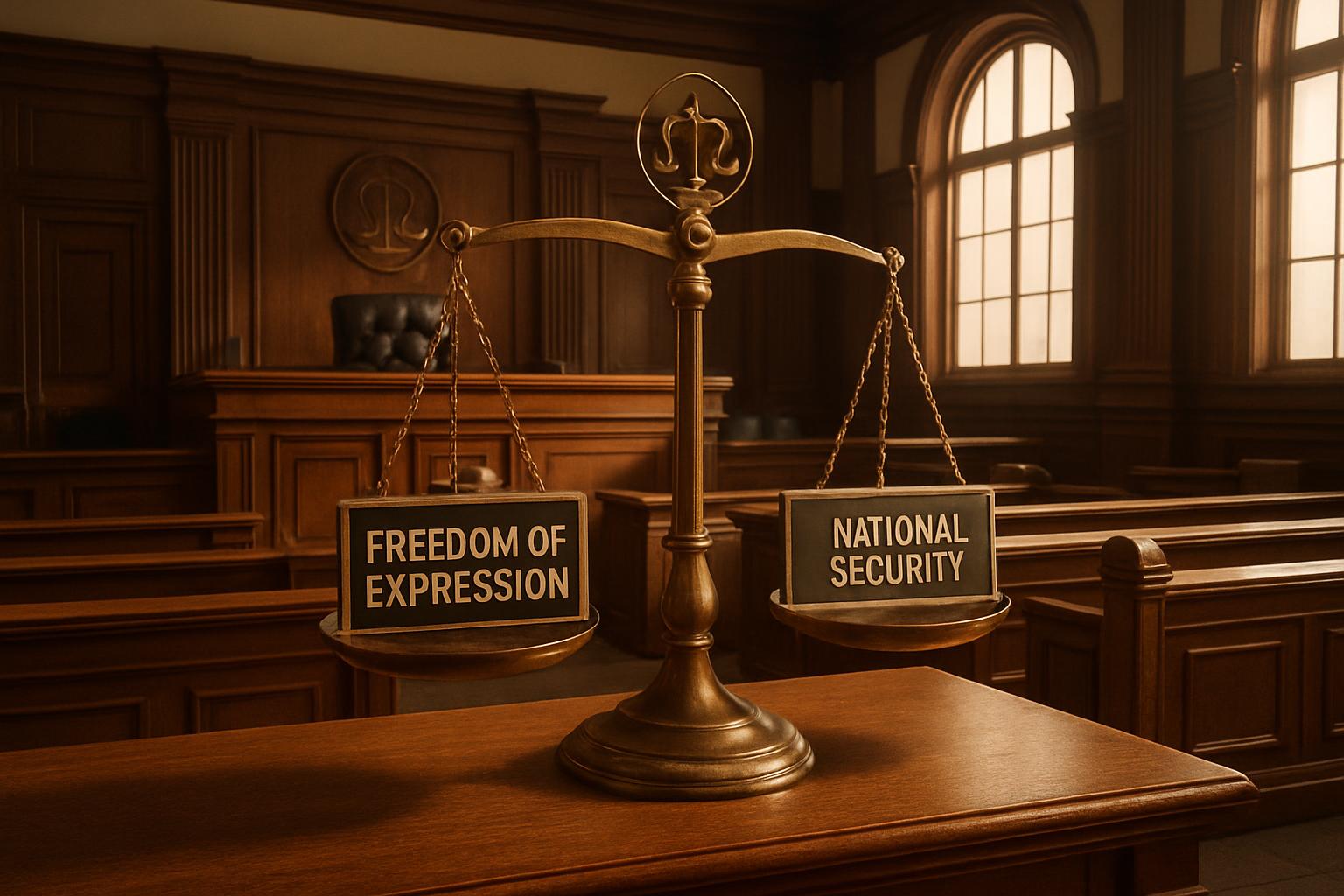
The High Court's decision on this case could set a significant precedent for how direct action groups are treated under UK terrorism laws. If the court rules in favor of Palestine Action, it may lead to a reassessment of the criteria used to classify organizations as terrorist entities, potentially affecting other protest groups. Conversely, if the ban is upheld, it could embolden the government to apply similar measures to other activist organizations, raising concerns about the balance between national security and civil liberties. Legal experts will be closely watching the outcome, as it may influence future interpretations of the European Convention on Human Rights in the context of protest and civil disobedience.
Related Articles
High Court Ruling Delays Trial of Pro-Palestine Activists
High Court Rules Palestine Action Ban Unlawful, Government to Appeal
UN Report: Sudan's El Fasher Siege Shows Genocide Hallmarks
British Couple's 10-Year Sentence in Iran Sparks Outcry
Supreme Court Ruling Expands Compensation for Children Injured at Birth
Allegations of Unlawful Reporting Methods in Stephen Lawrence Case Denied by Ex-Daily Mail Reporter