
Pentagon Limits Access to Video of Controversial Caribbean Boat Strike
In This Article
HIGHLIGHTS
- The Pentagon will not release the full video of a controversial September boat strike in the Caribbean, citing classification issues.
- The strike, part of a campaign against Venezuelan drug boats, has raised legal concerns and calls for transparency from lawmakers.
- Defence Secretary Pete Hegseth stated that only select congressional committees would view the unedited footage.
- Democrats have questioned the legality of the strikes and demanded public access to the video.
- The US military has conducted over 20 strikes in the Caribbean and Pacific, targeting alleged drug trafficking vessels.
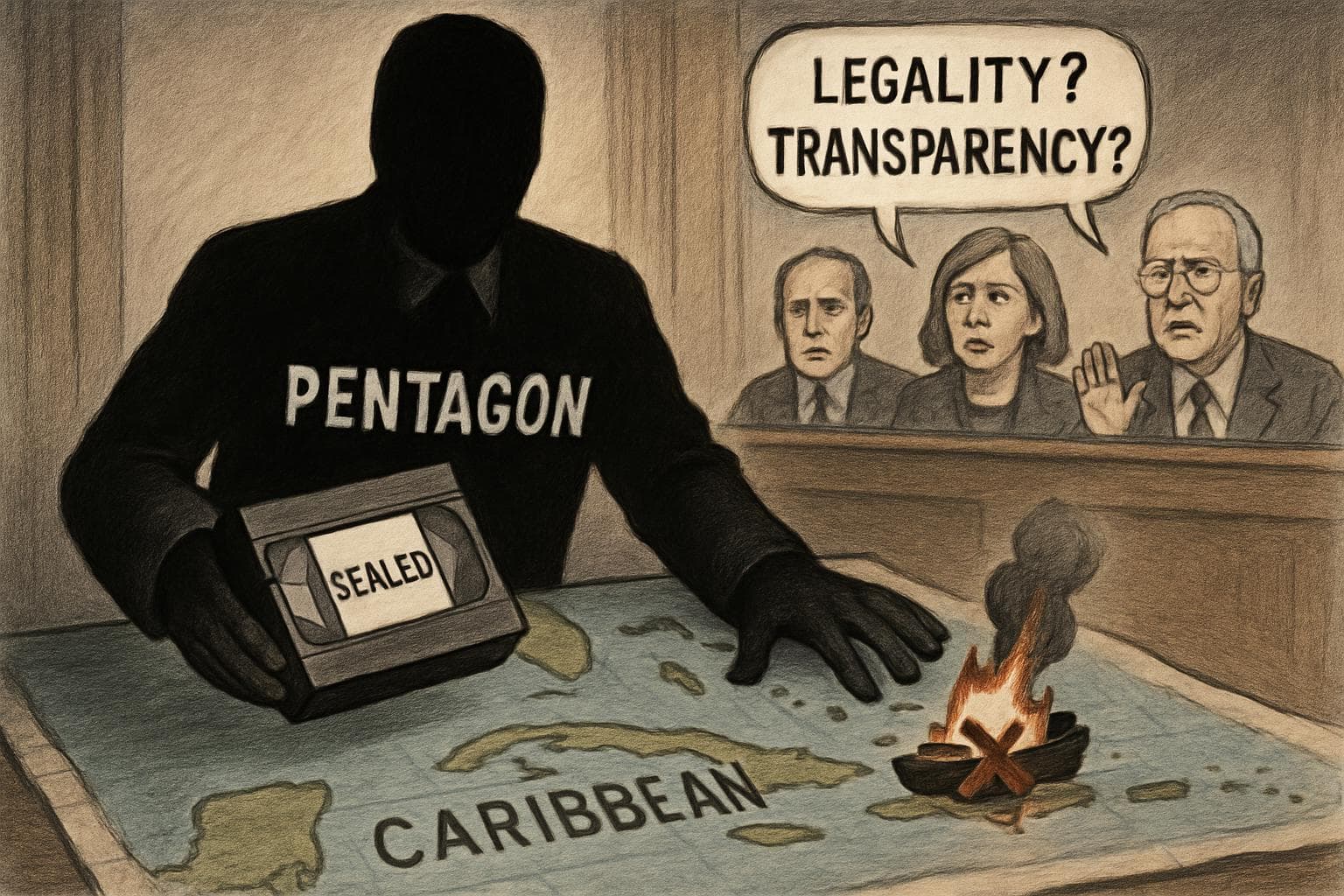
The Pentagon has decided against releasing the full video of a contentious September boat strike in the Caribbean, which resulted in the deaths of two individuals clinging to the wreckage of a burning vessel. Defence Secretary Pete Hegseth announced that only select congressional committees would be allowed to view the unedited footage, citing longstanding Department of Defense policies on classified material.
The strike, part of the Trump administration's broader campaign against alleged Venezuelan drug boats, has sparked significant controversy. Legal experts and Democratic lawmakers have raised concerns about the legality of the operation, with some suggesting that the attack may constitute a war crime. The campaign, which has seen US forces target vessels purportedly transporting narcotics from Venezuela to the United States, has been a focal point of criticism from those questioning its transparency and legality.
During a classified briefing on Capitol Hill, attended by Secretary of State Marco Rubio, Hegseth reiterated the administration's stance on not releasing the video to the public. "In keeping with longstanding department policy, we’re not going to release a top-secret, full, unedited video," Hegseth told reporters. The briefing did not include the video, but Hegseth promised a viewing for members of the House and Senate armed services committees.
Democratic lawmakers, including Senate Minority Leader Chuck Schumer, have demanded access to the full video, arguing that transparency is crucial for accountability. "The administration came to this briefing empty-handed," Schumer remarked, expressing skepticism about the classification rationale. Similarly, Senator Chris Coons questioned the inconsistency in releasing video footage, noting that portions of other strikes have been routinely shared on social media.
The US military has conducted over 20 strikes in the Caribbean and Pacific regions, targeting vessels allegedly involved in drug trafficking. Despite the administration's claims of success, the lack of transparency continues to fuel debate over the legal and ethical implications of these operations.
WHAT THIS MIGHT MEAN
The decision to withhold the full video of the September strike could have significant legal and political ramifications. If the footage were to reveal actions that contravene international law, it might lead to calls for accountability and further investigations into the conduct of US military operations. Politically, the lack of transparency may erode trust in the administration's handling of foreign military engagements, particularly among lawmakers who feel sidelined in oversight processes.
Moving forward, the Pentagon's stance on classified materials may face increased scrutiny, especially if more details about the strikes emerge. The ongoing debate over the legality of these operations could influence future military strategies and the US's approach to international drug trafficking. As the situation develops, the administration may need to balance national security concerns with demands for greater transparency and accountability.
Related Articles
US and Israel Intensify Military Campaign as Iran's Capabilities Dwindle
Intensified US-Israel Strikes on Iran Spark Global Outcry
Iran Postpones Khamenei Funeral Amid Escalating US-Israeli Strikes
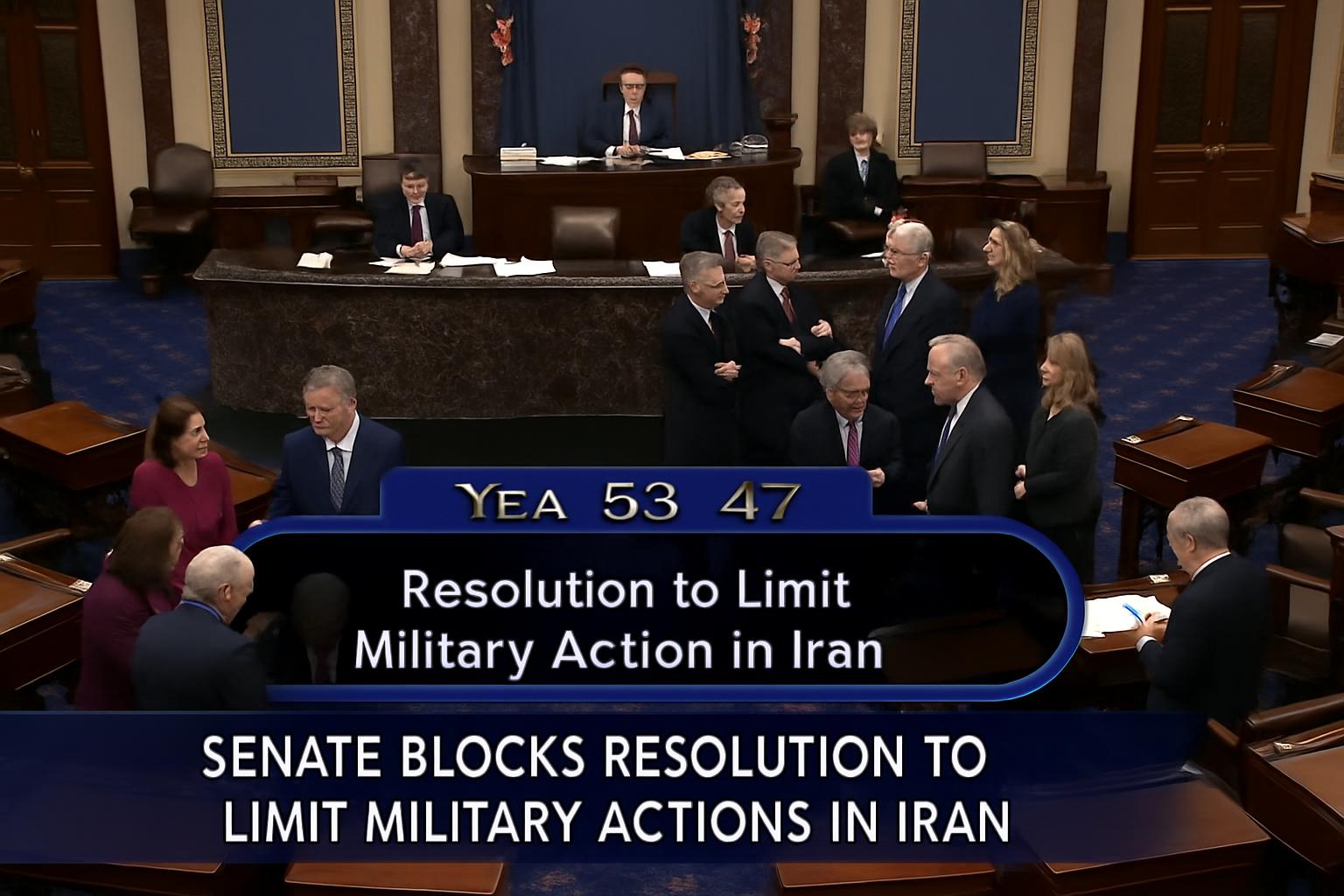
Senate Blocks Resolution to Limit Trump's Military Actions in Iran
US-Iran Tensions Escalate Amid Renewed Nuclear Talks and Protests
Cuba Faces Widespread Blackout Amid Deepening Fuel Crisis
Pentagon Limits Access to Video of Controversial Caribbean Boat Strike
In This Article
 Ethan Brooks| Published
 HIGHLIGHTS
- The Pentagon will not release the full video of a controversial September boat strike in the Caribbean, citing classification issues.
- The strike, part of a campaign against Venezuelan drug boats, has raised legal concerns and calls for transparency from lawmakers.
- Defence Secretary Pete Hegseth stated that only select congressional committees would view the unedited footage.
- Democrats have questioned the legality of the strikes and demanded public access to the video.
- The US military has conducted over 20 strikes in the Caribbean and Pacific, targeting alleged drug trafficking vessels.
The Pentagon has decided against releasing the full video of a contentious September boat strike in the Caribbean, which resulted in the deaths of two individuals clinging to the wreckage of a burning vessel. Defence Secretary Pete Hegseth announced that only select congressional committees would be allowed to view the unedited footage, citing longstanding Department of Defense policies on classified material.
The strike, part of the Trump administration's broader campaign against alleged Venezuelan drug boats, has sparked significant controversy. Legal experts and Democratic lawmakers have raised concerns about the legality of the operation, with some suggesting that the attack may constitute a war crime. The campaign, which has seen US forces target vessels purportedly transporting narcotics from Venezuela to the United States, has been a focal point of criticism from those questioning its transparency and legality.
During a classified briefing on Capitol Hill, attended by Secretary of State Marco Rubio, Hegseth reiterated the administration's stance on not releasing the video to the public. "In keeping with longstanding department policy, we’re not going to release a top-secret, full, unedited video," Hegseth told reporters. The briefing did not include the video, but Hegseth promised a viewing for members of the House and Senate armed services committees.
Democratic lawmakers, including Senate Minority Leader Chuck Schumer, have demanded access to the full video, arguing that transparency is crucial for accountability. "The administration came to this briefing empty-handed," Schumer remarked, expressing skepticism about the classification rationale. Similarly, Senator Chris Coons questioned the inconsistency in releasing video footage, noting that portions of other strikes have been routinely shared on social media.
The US military has conducted over 20 strikes in the Caribbean and Pacific regions, targeting vessels allegedly involved in drug trafficking. Despite the administration's claims of success, the lack of transparency continues to fuel debate over the legal and ethical implications of these operations.
WHAT THIS MIGHT MEAN
The decision to withhold the full video of the September strike could have significant legal and political ramifications. If the footage were to reveal actions that contravene international law, it might lead to calls for accountability and further investigations into the conduct of US military operations. Politically, the lack of transparency may erode trust in the administration's handling of foreign military engagements, particularly among lawmakers who feel sidelined in oversight processes.
Moving forward, the Pentagon's stance on classified materials may face increased scrutiny, especially if more details about the strikes emerge. The ongoing debate over the legality of these operations could influence future military strategies and the US's approach to international drug trafficking. As the situation develops, the administration may need to balance national security concerns with demands for greater transparency and accountability.
Related Articles
US and Israel Intensify Military Campaign as Iran's Capabilities Dwindle
Intensified US-Israel Strikes on Iran Spark Global Outcry
Iran Postpones Khamenei Funeral Amid Escalating US-Israeli Strikes
Senate Blocks Resolution to Limit Trump's Military Actions in Iran
US-Iran Tensions Escalate Amid Renewed Nuclear Talks and Protests
Cuba Faces Widespread Blackout Amid Deepening Fuel Crisis