
Pentagon Report Criticizes Hegseth for Risky Signal Chat on Yemen Airstrike
In This Article
HIGHLIGHTS
- A Pentagon report found US Defense Secretary Pete Hegseth violated policies by using Signal to discuss a Yemen airstrike.
- The Signal chat included sensitive details about the attack, potentially endangering US troops if intercepted.
- Hegseth claimed he had the authority to declassify the information, though it remains unclear if he did so.
- The report was shared with Congress, and an unclassified version is expected soon.
- Senator Mark Warner has called for Hegseth's resignation, citing risks to operational security.
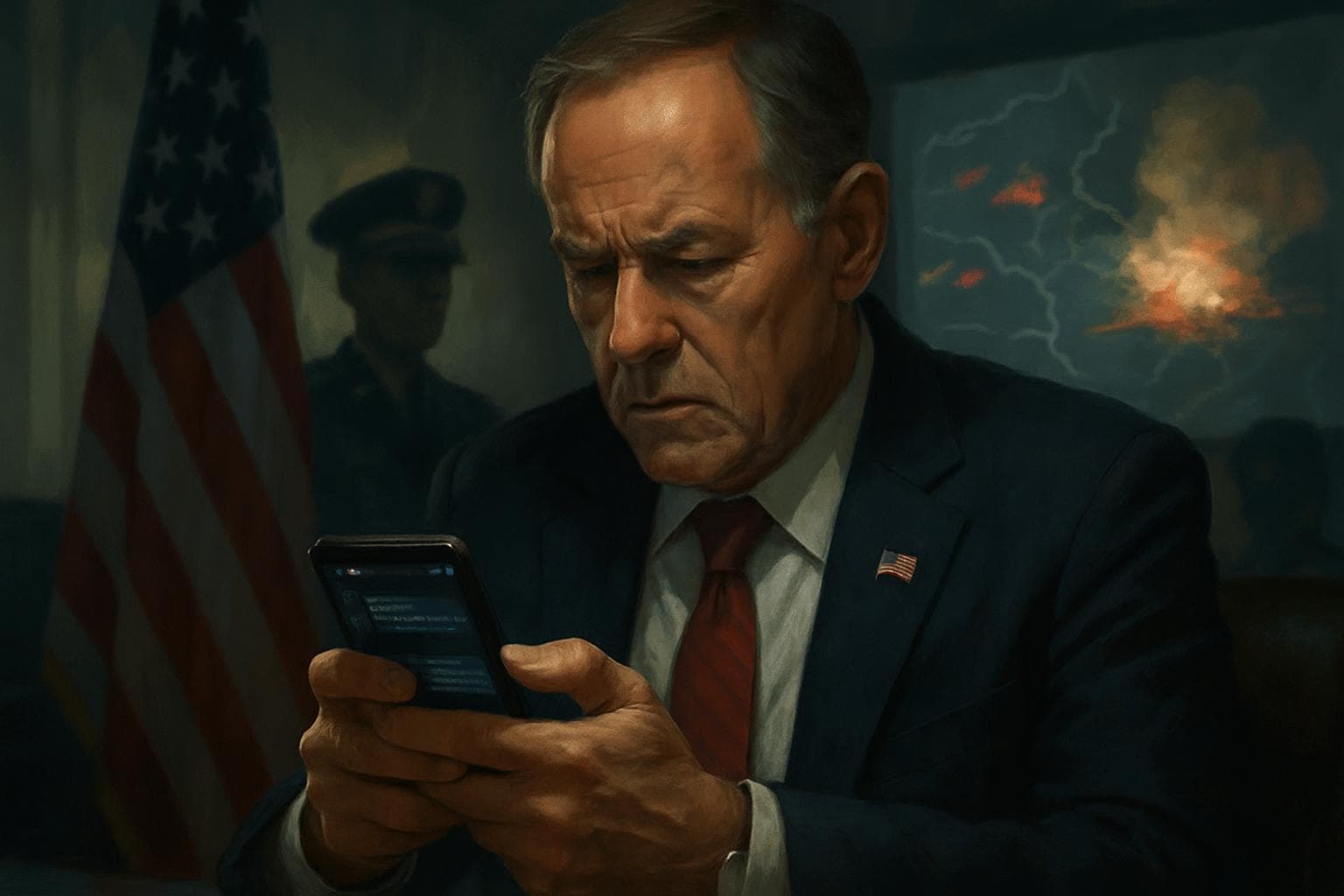
A recent Pentagon report has concluded that US Defense Secretary Pete Hegseth breached departmental protocols by discussing a planned airstrike in Yemen on the unsecured messaging app Signal. The report, which has been shared with Congress, highlights the potential danger posed to US troops if the sensitive information had been intercepted by foreign adversaries.
Details of the Incident
The controversy centers on a Signal group chat in March, where Hegseth, along with other officials, discussed an impending airstrike against Houthi fighters in Yemen. The chat, which inadvertently included a journalist from the Atlantic, revealed specific details about the attack, including targets and weaponry. The information was derived from a classified email marked "SECRET//NOFORN," indicating its sensitivity and restriction from foreign nationals.
Hegseth's Defense and Political Reactions
Hegseth, who did not participate in an interview with the Pentagon's inspector general, submitted a written statement asserting his right to declassify the information. He maintained that the shared details did not compromise troop safety or the mission. Despite his claims, the report did not confirm whether he had formally declassified the information before sharing it.
The incident has sparked political backlash, with Senator Mark Warner, a leading Democrat on the Senate Intelligence Committee, calling for Hegseth's resignation. Warner emphasized the unacceptable risks posed to American pilots and operational security due to the breach.
Broader Implications
The report also noted that Hegseth had used Signal for other official communications, suggesting a pattern of behavior that raises concerns about judgment and adherence to security protocols. The Trump administration, however, has defended Hegseth, asserting that no classified information was leaked.
WHAT THIS MIGHT MEAN
The release of the unclassified version of the Pentagon report could intensify scrutiny over Hegseth's actions and the broader security practices within the Department of Defense. If further evidence emerges of mishandling classified information, it could lead to increased calls for accountability and potential resignations. Politically, this incident may fuel ongoing debates about the Trump administration's handling of national security matters, potentially impacting future policy and personnel decisions. As the situation develops, the balance between transparency and security will remain a critical focus for both lawmakers and defense officials.
Related Articles
US Military Strikes on Alleged Drug Boats Raise Legal Concerns

US and Israel Intensify Military Campaign as Iran's Capabilities Dwindle
Intensified US-Israel Strikes on Iran Spark Global Outcry
Iran Postpones Khamenei Funeral Amid Escalating US-Israeli Strikes
Trump to Direct Release of Pentagon UFO Files Amid Renewed Interest
DHS Spokesperson Tricia McLaughlin to Depart Amidst Immigration Policy Controversy
Pentagon Report Criticizes Hegseth for Risky Signal Chat on Yemen Airstrike
In This Article
 Ethan Brooks| Published
 HIGHLIGHTS
- A Pentagon report found US Defense Secretary Pete Hegseth violated policies by using Signal to discuss a Yemen airstrike.
- The Signal chat included sensitive details about the attack, potentially endangering US troops if intercepted.
- Hegseth claimed he had the authority to declassify the information, though it remains unclear if he did so.
- The report was shared with Congress, and an unclassified version is expected soon.
- Senator Mark Warner has called for Hegseth's resignation, citing risks to operational security.
A recent Pentagon report has concluded that US Defense Secretary Pete Hegseth breached departmental protocols by discussing a planned airstrike in Yemen on the unsecured messaging app Signal. The report, which has been shared with Congress, highlights the potential danger posed to US troops if the sensitive information had been intercepted by foreign adversaries.
Details of the Incident
The controversy centers on a Signal group chat in March, where Hegseth, along with other officials, discussed an impending airstrike against Houthi fighters in Yemen. The chat, which inadvertently included a journalist from the Atlantic, revealed specific details about the attack, including targets and weaponry. The information was derived from a classified email marked "SECRET//NOFORN," indicating its sensitivity and restriction from foreign nationals.
Hegseth's Defense and Political Reactions
Hegseth, who did not participate in an interview with the Pentagon's inspector general, submitted a written statement asserting his right to declassify the information. He maintained that the shared details did not compromise troop safety or the mission. Despite his claims, the report did not confirm whether he had formally declassified the information before sharing it.
The incident has sparked political backlash, with Senator Mark Warner, a leading Democrat on the Senate Intelligence Committee, calling for Hegseth's resignation. Warner emphasized the unacceptable risks posed to American pilots and operational security due to the breach.
Broader Implications
The report also noted that Hegseth had used Signal for other official communications, suggesting a pattern of behavior that raises concerns about judgment and adherence to security protocols. The Trump administration, however, has defended Hegseth, asserting that no classified information was leaked.
WHAT THIS MIGHT MEAN
The release of the unclassified version of the Pentagon report could intensify scrutiny over Hegseth's actions and the broader security practices within the Department of Defense. If further evidence emerges of mishandling classified information, it could lead to increased calls for accountability and potential resignations. Politically, this incident may fuel ongoing debates about the Trump administration's handling of national security matters, potentially impacting future policy and personnel decisions. As the situation develops, the balance between transparency and security will remain a critical focus for both lawmakers and defense officials.
Related Articles
US Military Strikes on Alleged Drug Boats Raise Legal Concerns
US and Israel Intensify Military Campaign as Iran's Capabilities Dwindle
Intensified US-Israel Strikes on Iran Spark Global Outcry
Iran Postpones Khamenei Funeral Amid Escalating US-Israeli Strikes
Trump to Direct Release of Pentagon UFO Files Amid Renewed Interest
DHS Spokesperson Tricia McLaughlin to Depart Amidst Immigration Policy Controversy